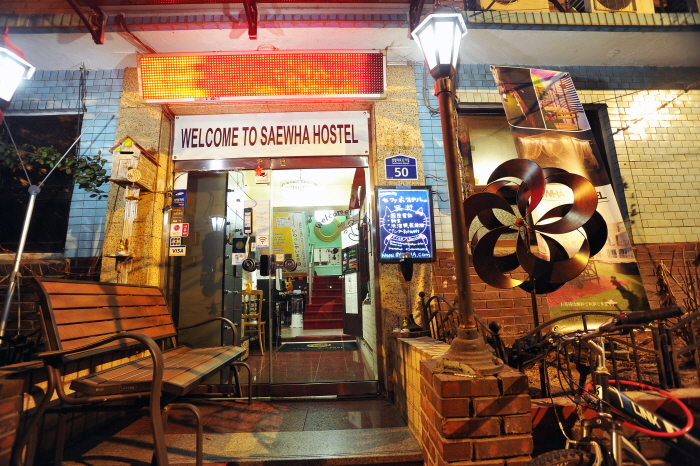
SAEWHA HOSTEL(세화호스텔)
2.5Km 2024-06-20
50 , Samil-daero 32ga-gil, Jongno-gu, Seoul
+82-10-3780-5988
Located in Jongno, in the heart of Seoul, Saehwa Hostel offers a variety of guest rooms, including ondol rooms and bedrooms, for up to 3 people. There’s a bathtub in each room. Shared PCs, massage chairs, microwave ovens, washing machines and dryers are all available free of charge. A simple free breakfast is provided, plus a free international phone service and a foreign language guidance service. Seoul Station is 15 minutes away by subway, and the airport limousine bus stops at Jongno 3-ga station. Changdeokgung Palace, Jongmyo Shrine, and downtown shopping streets are all reachable on foot.
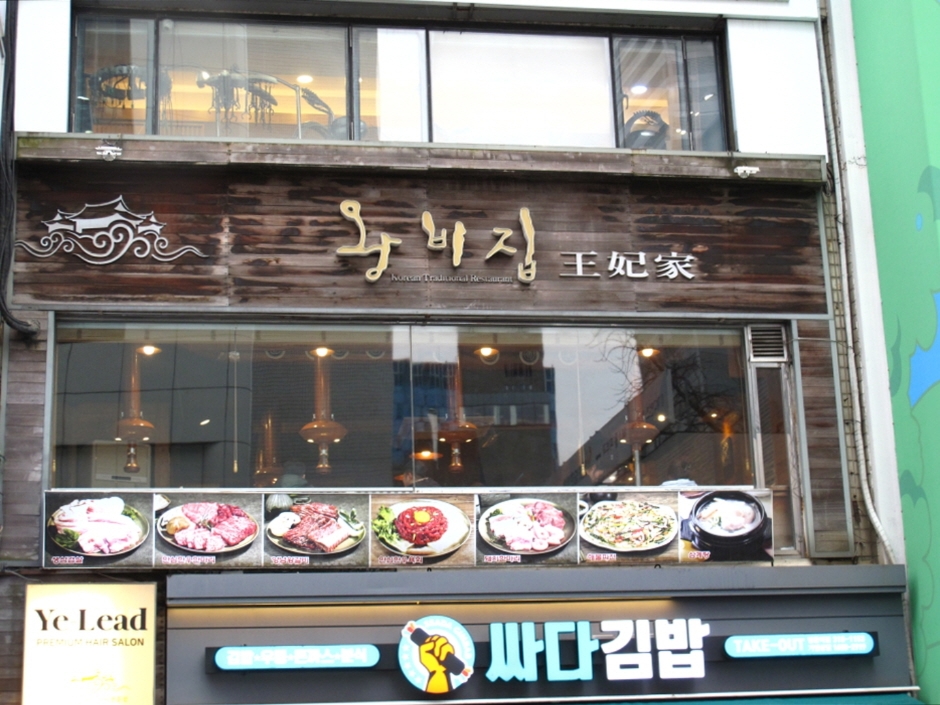
Wangbijip (왕비집)
2.6Km 2024-03-11
26, Myeongdong 8ga-gil, Jung-gu, Seoul
+82-2-3789-1945
Wangbijip is a restaurant where all the meat is grilled by the staff. They focus on meats such as hanu galbisal (grilled boneless korean galbi) and sweet grilled marinated galbi. Popular lunch specialties include sogalbi jeongsik (grilled galbi set menu), bori gulbi jeongsik (barley-aged dried yellow croaker set menu), and dwaeji galbi jeongsik (grilled pork galbi set menu). The set menucomes with soybean paste jjigae and janchi guksu (banquet noodles) for a small serving. The lightly flavored janchi guksu is the best combination with the marinated galbi, giving it a light aftertaste.
![Himart - Yongdu Branch [Tax Refund Shop] (하이마트 용두점)](http://tong.visitkorea.or.kr/cms/resource/50/2889950_image2_1.jpg)
Himart - Yongdu Branch [Tax Refund Shop] (하이마트 용두점)
2.6Km 2024-04-18
414, Gosanja-ro, Dongdaemun-gu, Seoul
-
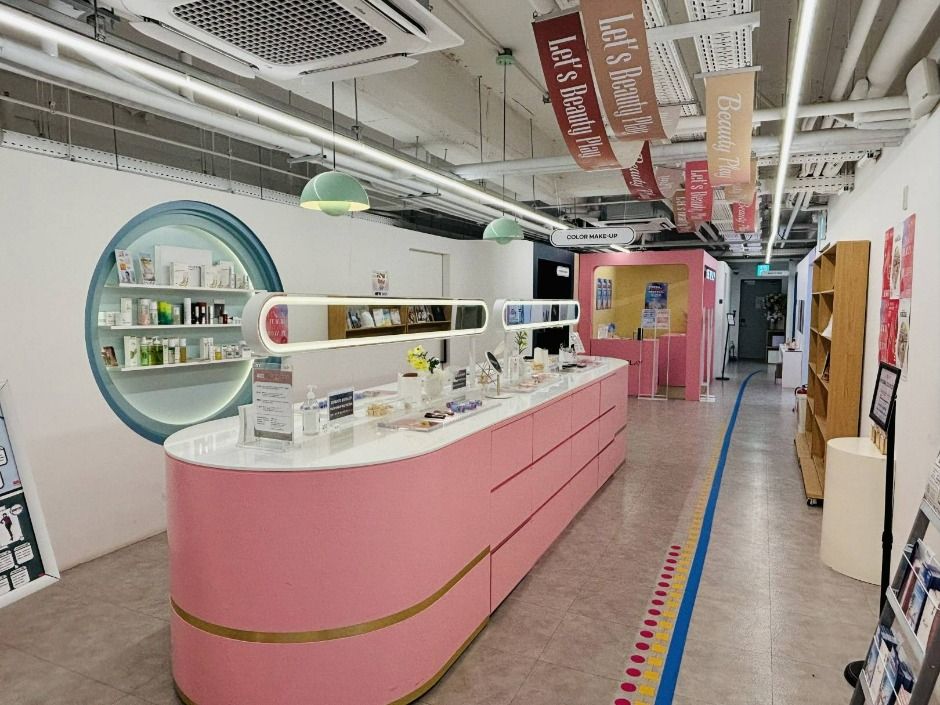
Beauty Play (뷰티플레이)
2.6Km 2025-11-14
73 Myeongdong-gil, Jung-gu, Seoul
Beauty Play is a K-beauty experience center operated by the Korea Cosmetics Industry Institute and supported by the Ministry of Health and Welfare. It offers a wide variety of sample Korean beauty products for testing as well as diverse beauty experience programs such as makeup touch-up service (choice of base, eyes, or lips), personal color test, and skin evaluation. Visitors can also ask for product recommendation based on their skin type or skincare concerns. Beauty Play also frequently hosts free one-day classes, which are announced online via its official website. It also hosts a variety of sample product giveaway events and the exhibited products get changed every two months, allowing visitors to get familiarized with lesser known quality products as well.
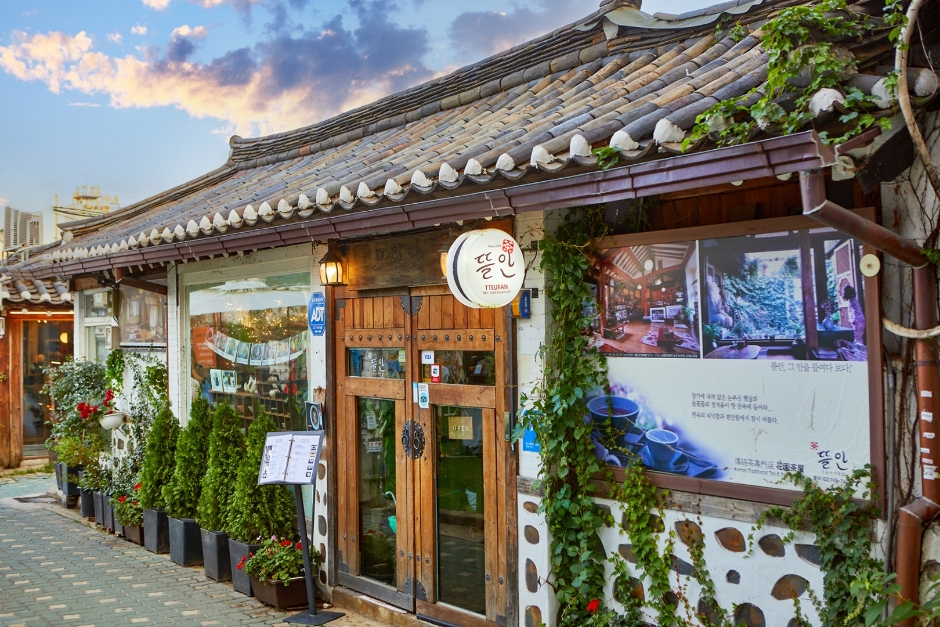
Tteulan Teahouse (뜰안)
2.6Km 2024-12-10
Tteulan Teahouse is a cafe that really allows one to feel the tradition and flair of Korea. Tteulan has two entrances: one facing the wide alley and the other facing the smaller one. The smaller entrance is decorated like a garden, so it feels as if one is stepping into a land of fairy-tales. The café has a floor seating tables with traditional items like gadari soban (a table with legs that curve like a dog's legs), and jogakbo (a textile woven from several pieces of scrap cloth), all of which add to the traditional Korean aesthetic. The menu features ssanghwacha (medicinal herb tea known to help the immune system), a favorite among middle-aged and elderly Koreans; omija tea (omija is a tart berry that grows in East Asia known to be good for lung and bronchial health and boosts immunity); citrus tea (usually made with yuzu which is rich in vitamin C and said to help mitigate fatigue); and pour-over coffee. Traditional desserts include mugwort rice cake (rice cake with mugwort added for herbal flavor, best enjoyed with malt syrup), pumpkin rice cake, and roasted grain powder (a nutritious beverage made with a variety of powdered grain). It can be hard to find seating in the afternoon, so visitors are advised to avoid these hours if they seek to enjoy their drink in peace.
NKDB North Korean Human Rights Exhibition Hall (북한인권전시실)
2.6Km 2025-11-13
393 Samil-daero, Jongno-gu, Seoul
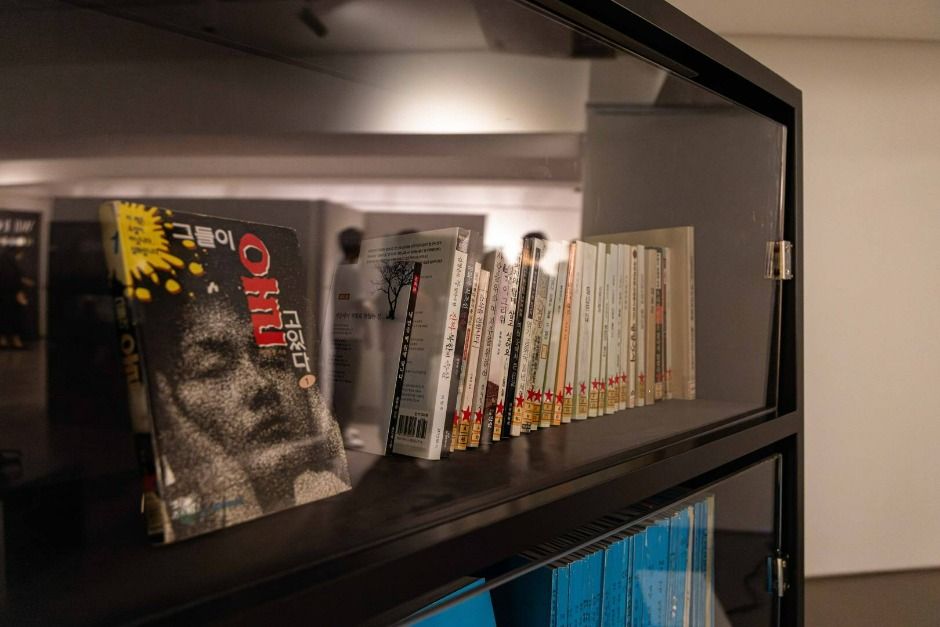
The NKDB North Korean Human Rights Exhibition Hall is a permanent exhibition space dedicated to North Korean human rights. Although it is a small space, it resonates deeply and serves as a "dark tourism" site that records and testifies to the ongoing reality of human rights violations in North Korea. The North Korean Human Rights Information Center (NKDB), which operates this exhibition hall, is the organization that collects and archives the most extensive records of human rights concerning North Korean residents in the world. The testimonies and records presented here represent a living history, a story unfolding in the present, unavailable elsewhere. Through donated North Korean artifacts, including these records, visitors can glimpse the present-day North Korea and encounter artwork by North Korean defectors.
Nakseonjae Hall (낙선재)
2.6Km 2021-09-30
99, Yulgok-ro, Jongno-gu, Seoul
+82-2-2148-1822
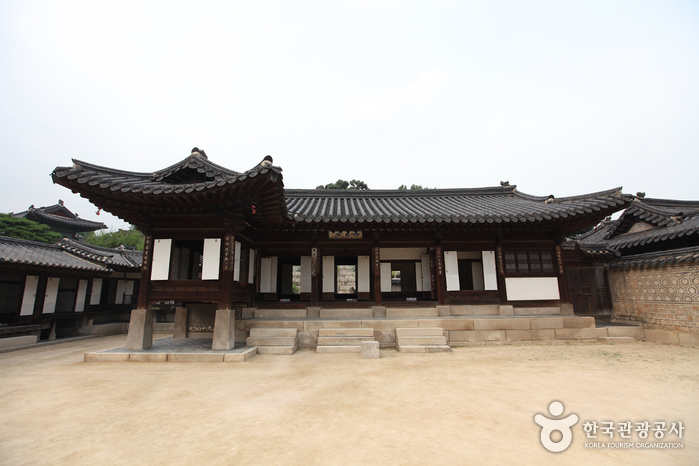
Located inside Changdeokgung Palace, Nakseonjae Hall is a one-story structure built in ikgong style (bird wing-shaped eaves placed on top of the pillars) with a hip tiled and gable roof. It has 6 kan in the front and 2 kan (traditional unit of measurement of the space between pillars) to the sides. It originally belonged to the nearby Changgyeonggung Palace, but came to be considered a part of Changdeokgung Palace in more recent years.
The hall was constructed in 1846 (12th year of King Heonjong’s reign) and it is collectively called Nakseonjae together with the adjacent Seokbokheon Hall and Sugangjae Hall.
Behind the building is a flower garden made of stacked large stones. The chimney, the flowers, and the oddly shaped stones harmoniously blend into one another to create an outstanding landscape gardening.
Bunni Studios Optical - Myeongdong Branch (바니스튜디오 안경(명동역점))
2.6Km 2024-04-02
21 Myeongdong 8ga-gil, Jung-gu, Seoul
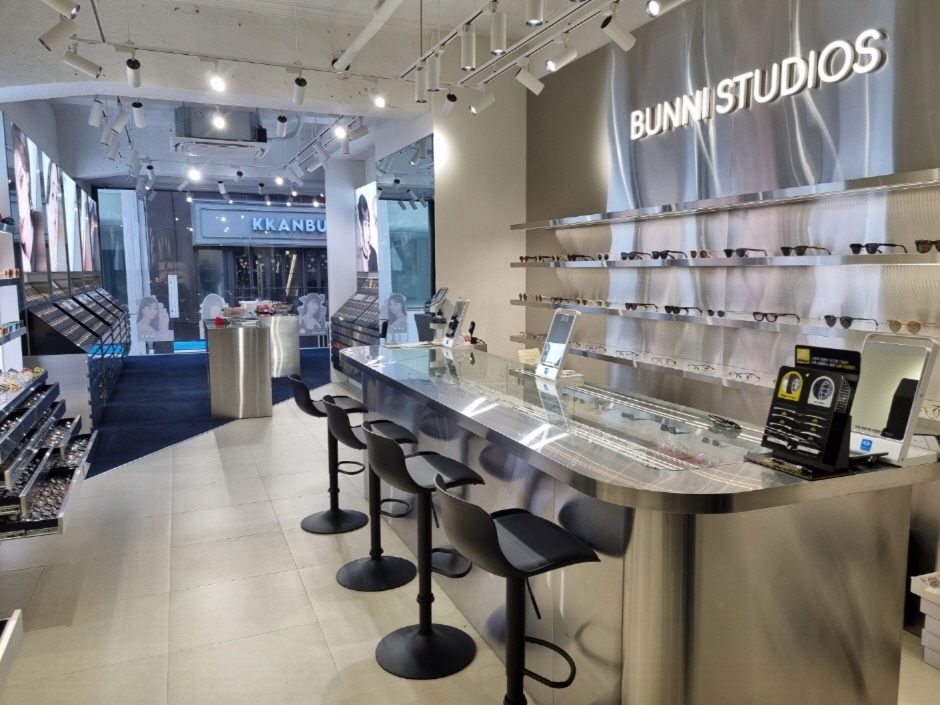
Bunni Studios is an optical store geared toward the younger generation, offering quality glasses and color contact lenses. The staff are able to provide service in a range of foreign languages, including English, Japanese, and Chinese. Bunni Studios collaborates with popular lens producers, and offers over 500 types of lenses. Shoppers can also have products delivered to their hotel within Seoul if they shop does not have the item in stock. International tourists can make tax-free purchases.
Mongmyeoksanbang (목멱산방)
2.6Km 2024-03-07
71, Toegye-ro, 20-gil, Jung-gu, Seoul
+82-2-318-4790
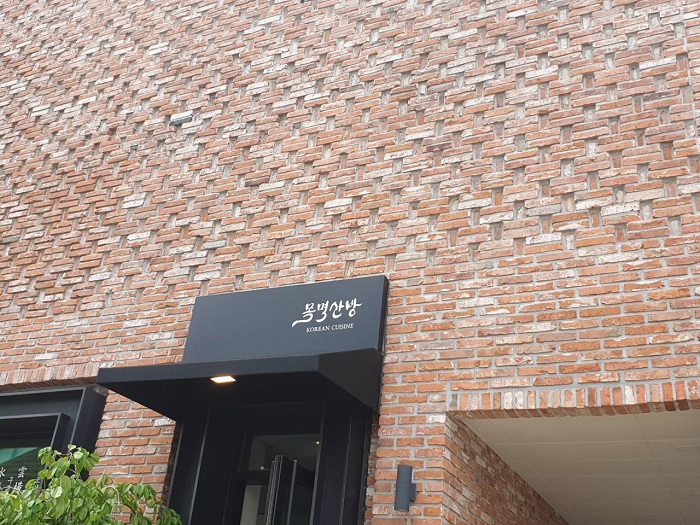
Situated near Namsan Mountain, Mongmyeoksanbang specializes in bibimbap. Mongmyeok is the ancient name of Namsan Mountain. Bibimbap is a bowl of rice tossed with various vegetables, meat, sesame oil, and red chili paste, making it a nutritionally balanced dish. Their dishes are made with natural seasonings and seasonal herbs gathered from Jirisan Mountain. The soybean pasete and soy sauce are also handmade, and perilla oil and sesame oil are 99.9% natural, without artificial ingredients.
![Ai Pharmacy [Tax Refund Shop] (아이약국)](http://tong.visitkorea.or.kr/cms/resource/98/3313898_image2_1.jpg)
 English
 한국어
한국어 日本語
日本語 中文(简体)
 Deutsch
 Français
 Español
 Русский


