
Cheongsujeong (청수정)
3.6Km 2024-03-18
91 Samcheong-ro, Jongno-gu, Seoul
Cheongsujeong is a traditional Korean restaurant specializing in mussel dishes near Gyeongbokgung Palace. Mussel rice is a traditional dish from Ulleungdo Island. The signature menu is the honghapbap jeongsik (mussel rice set menu), which includes mussel-infused rice served with soybean paste jjigae, various side dishes such as salads, acorn jelly, kimchi, grilled fish, and more. Additionally, they offer dishes like bulgogi deopbap (stir-fried bulgogi with rice), jeyukbokkeum (spicy stir-fried pork), and ojingeo bokkeum (stir-fried squid).
![Olive Young - Hannam Ogeori Branch [Tax Refund Shop] (올리브영 한남오거리)](http://tong.visitkorea.or.kr/cms/resource/48/2889448_image2_1.jpg)
Olive Young - Hannam Ogeori Branch [Tax Refund Shop] (올리브영 한남오거리)
3.7Km 2024-04-16
1F, 65-1, Dokseodang-ro, Yongsan-gu, Seoul
-
Soul (소울)
3.7Km 2025-08-20
B1, 35 Sinheung-ro 26-gil, Yongsan-gu, Seoul
Soul is a fine-dining located in Hannam-dong. It presents reinterpretations of Korean cuisine, drawing inspiration from traditional dishes. The menu is structured into lunch and dinner courses. Known for its ability to artistically express familiar flavors encountered in daily life, Soul was selected for the 2023 Michelin Guide Seoul. Operating on a reservation-only basis, bookings can be made via phone.
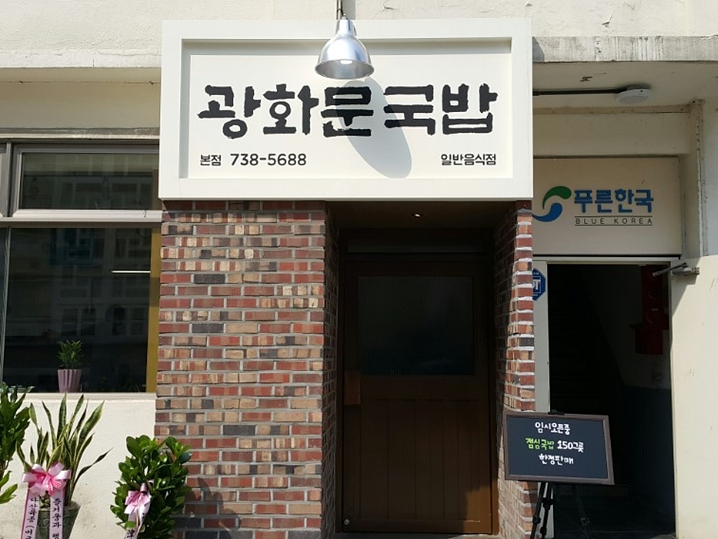
Gwanghwamun Gukbap (광화문국밥)
3.7Km 2024-06-19
53 Sejong-daero 21-gil, Jung-gu, Seoul
Gwanghwamun Gukbap is a dwaeji gukbap (pork and rice soup) restaurant operated by Chef Park Chanil. Its distinctive feature lies in using only black pork loin and shoulder to enhance the flavor. The signature dish is the dwaeji gukbap, which boasts a mild, clean, and deep flavor. In addition to that, they also offer dwaeji suyuk (boiled pork slices) and pisundae (sundae with pork blood). Known for its authentic taste of rice soup and rich broth, it's a popular destination for many.
Beodeul Maru - Korea Cultural Heritage Foundation Branch [Tax Refund Shop] (한국문화재재단 버들마루)
3.7Km 2024-10-15
37, Samcheong-ro, Jongno-gu, Seoul
-
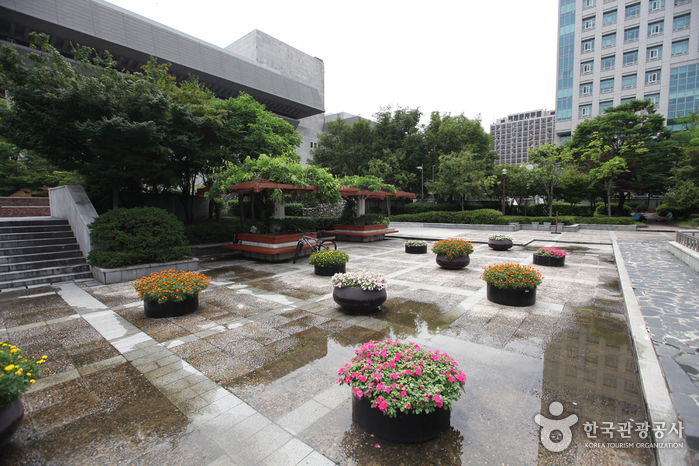
Sejong-ro Park (세종로공원)
3.7Km 2022-08-31
jiha 189, Sejong-daero, Jongno-gu, Seoul
+82-2-722-9598
Sejong-ro Park is located next to Sejong Center for the Performing Arts in central Seoul. Inside the park, there are wooden benches and shaded areas where people can sit and relax. Also available are water fountains, a round outdoor stage, and various sculptures. The lunch crowd from the nearby office buildings often come to the park during weekdays. On the weekends, the park is also used as a venue for outdoor weddings.
Seoul's anthem and the poem "Bulnori" by Ju Yo-han are written on a memorial stone that can be found inside the park.
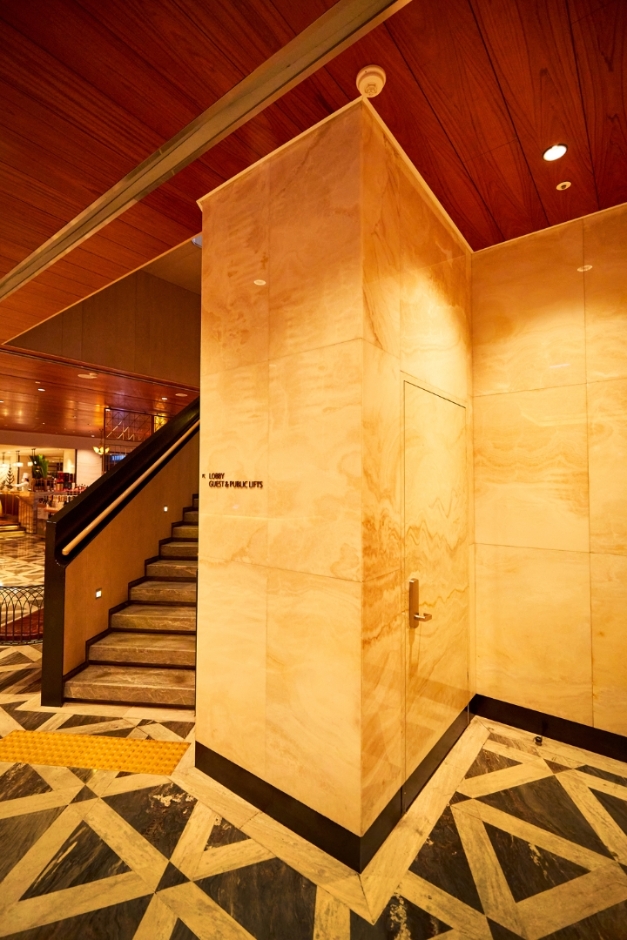
Four Seasons Charles H. (포시즌스호텔서울 찰스.H)
3.7Km 2024-03-15
97 Saemunan-ro, Jongno-gu, Seoul
This bar is named after the legendary American writer Charles H. Baker. It is inspired by speakeasy bars, which were bars hidden from sight during the Prohibition period, so its door blends into the surrounding walls. So, when one steps into the space, it is like stepping into a secret hangout. A cover charge of 10,000 won gives patrons a welcome drink, finger foods, and snacks. The menu is inspired by cocktails that Charles H. Baker had across the world, such as New York City, Mexico, Shanghai, Cuba, and Tahiti. It won 7th place in Asia’s 50 Best Bars list and 42nd place in the World’s 50 Best Bars list. The ambience is relaxed, and attentive services ensure that you can have a comfortable time here.
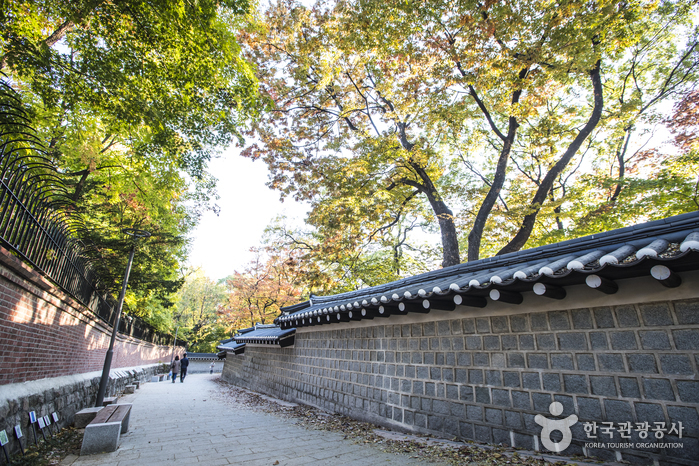
Deoksugung Stone Wall Path (덕수궁 돌담길)
3.7Km 2025-01-10
24 Sejong-daero 19-gil, Jung-gu, Seoul
The Deoksugung Stone Wall Path runs along the wall of Deoksugung Palace. It is beautifully lit and landscaped, giving it a romantic atmosphere even at night. There are street performances and flea markets, and the area boasts many famous cafes and restaurants along Jeongdong street. In autumn, the ginkgo trees and walls form a stunning scene. Close to major cultural facilities such as the Seoul Museum of Art and Seoul Museum of History, it attracts numerous visitors come for a stroll.
Olive Young - Seoul Forest Station Branch [Tax Refund Shop] (올리브영 서울숲역점)
3.7Km 2024-06-26
1F, 50, Wangsimni-ro, Seongdong-gu, Seoul
-
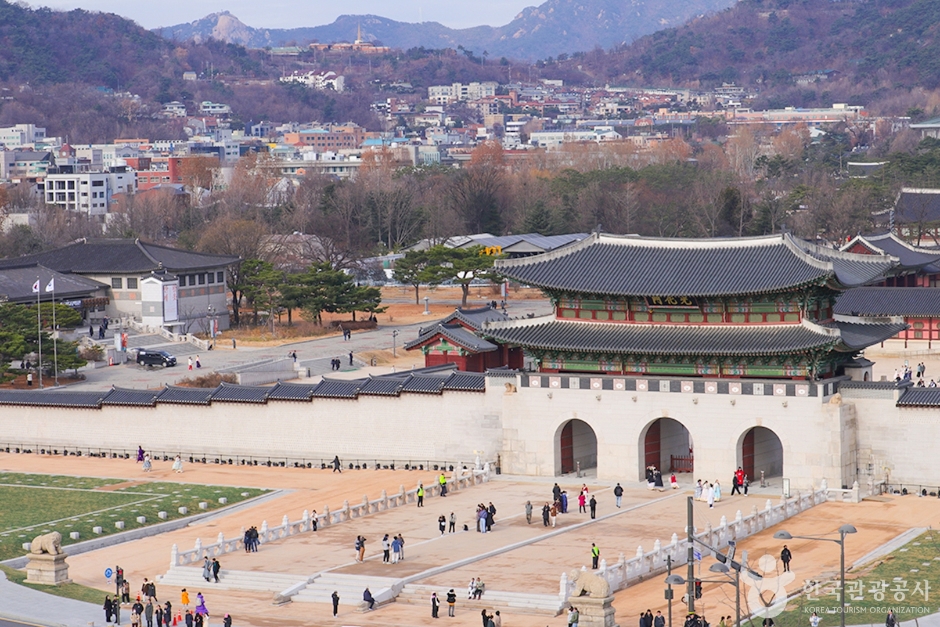
Gwanghwamun Gate (광화문)
3.7Km 2024-12-04
161 Sajik-ro, Jongno-gu, Seoul
+82-2-3700-3900
Built in 1395 under the reign of King Taejo, the first king of the Joseon dynasty, Gwanghwamun Gate is the southern gate of Gyeongbokgung Palace. It is also the main gate of the palace, therefore larger and fancier in comparison to the other gates. Gwanghwamun Gate consists of three arched gates; the center gate was used by the king, while the other two were used by the crown prince and royal officials. The tall granite walls of the gate serve as a platform for the wooden gate tower that watches over the city. The gate has a sign with its name written at the top center of the gate tower.
Gwanghwamun Gate went through several damages and restorations over the course of history. It was first severely damaged during the Imjin War (1592-1598) and was not restored until the reconstruction of Gyeongbokgung Palace in 1864. Under the Japanese administration, the gate was demolished and relocated to the north of the palace's eastern gate, followed by series of damages during the Korean War (1950-1953). In 1968, Gwanghwamun Gate was relocated back to the south of the palace and was rebuilt using concrete; however, the gate’s position was shifted a few meters away from its original location. In 2006, a major reconstruction project took place to restore Gwanghwamun Gate to its original state and location, disassembling the structure completely and replacing concrete with granite and wood. After three years and eight months of construction, Gwanghwamun Gate was fully restored to its original form and was open to the public on August 15, 2010.
 English
 한국어
한국어 日本語
日本語 中文(简体)
 Deutsch
 Français
 Español
 Русский


