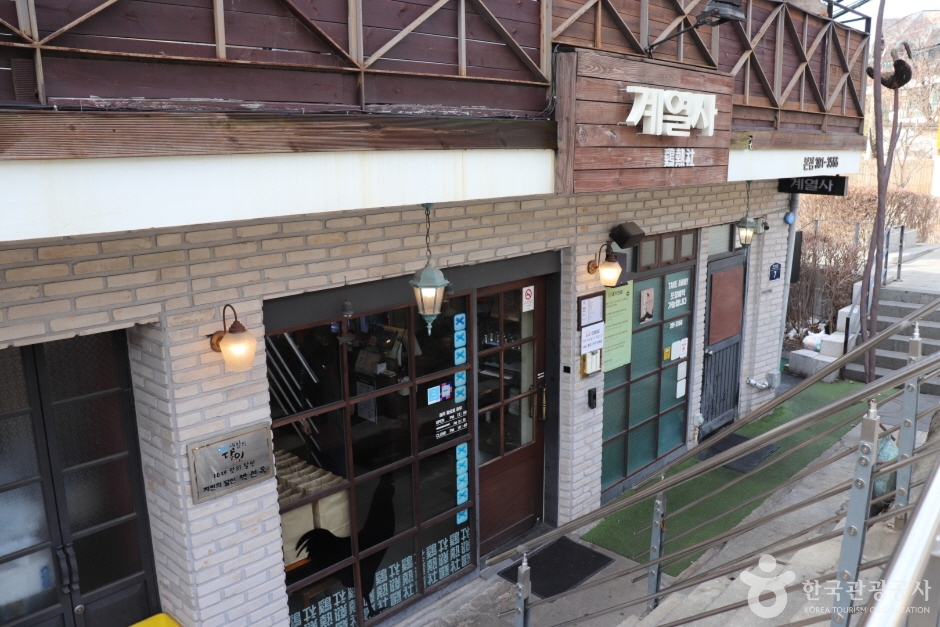
Buam-dong Gaeyeoalsa (부암동 계열사)
7.0Km 2024-02-21
7 Baekseokdong-gil, Jongno-gu, Seoul
Buam-dong Gaeyeoalsa is a chicken place that has received recognition in the Blue Ribbon Survey, the first restaurant guide in Korea. The representative menu is the fried chicken served in a bamboo tray with wedge potatoes. The chicken has a thin and crispy coating. Nearby attractions include the Yun Dongju Hill (Cheongun Park) and the Yun Dong-ju Literary Museum, dedicated to the poet beloved by Koreans.
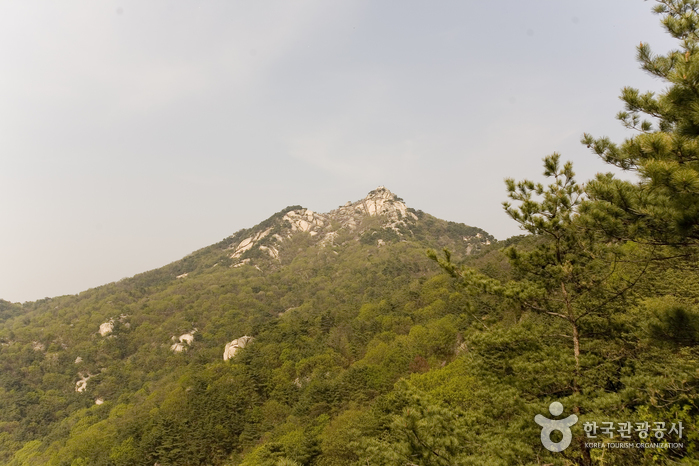
Buramsan Mountain (불암산)
7.0Km 2021-04-23
22, Deongneung-ro 130ga-gil, Nowon-gu, Seoul
+82-2-2116-3943
Buramsan Mountain is an 508-meter high rock mountain, drawing the border between Junggye-dong and Sanggye-dong in Nowon-gu and Byeolnae-myeon in Namyangju.
The total area is approximately 5,355,396 square meters and was designated as a city nature park in 1977. The mountain is named after its appearance that resembles Buddha wearing songnak (headgear) and is also referred to as Cheonbosan or Piramsan Mountain. The ridge stretches long enough to enjoy the scenery and it's an easy hike because it is not too steep. In particular, the stunning view of Seoul at night unfolds at the top of the mountain.
Buramsanseong Fortress is located 420 meters above sea level and the rock cliffs are often used as rock climbing spots. There are also various hiking trails and about ten springs to get fresh mineral water. Burampokpo Falls is popular in winter among ice climbing enthusiasts.
![Art Korea [Tax Refund Shop] (주식회사 아트코리아)](http://tong.visitkorea.or.kr/cms/resource/83/2888383_image2_1.jpg)

Seokparang (석파랑)
7.1Km 2024-09-02
309 Jahamun-ro, Jongno-gu, Seoul
+82-2-395-2500
Seokparang is a place built by relocating the Sarangchae of Heungseon Daewongun, the father of King Gojong of the Joseon dynasty. It boasts beautiful late Joseon-style gardens and three traditional hanok buildings. Here, one can enjoy authentic Gungjung hanjeongsik (royal Korean table d'hote) for both lunch and dinner, featuring meticulously prepared dishes such as traditional porridge, chilled salads, steamed prawns, kimchi cabbage wraps with pork, soybean paste jjigae set menu, and desserts. Diners can also savor traditional liquors crafted by artisans from across the country.
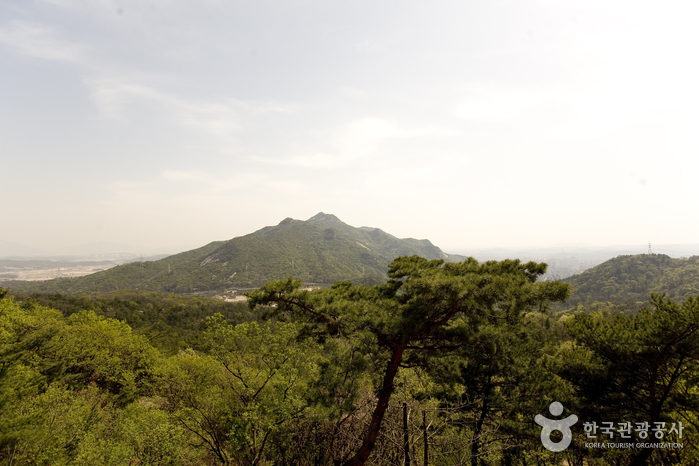
Suraksan Mountain (수락산)
7.1Km 2021-06-01
San 1-1, Sanggye-dong, Nowon-gu, Seoul
+82-2-2116-3943
Along with the other great mountains near Seoul, Suraksan Mountain has its own unique beauty throughout the year. Its cluster of small peaks is reminiscent of Seoraksan or Wolchulsan Mountains and among its valleys and peaks, a number of treasures unfold. These include Geunnyu, Eunnyu, and Ongnyu Waterfalls, Heungguksa, Naewonsa and Seongnimsa Temples, and Gwesanjeong Pavilion.
One of the most popular hiking courses on Suraksan Mountain is the one that starts from Danggogae Station (Seoul Subway Line 4) and passes Hangnimsa Temple and Yongguram Hermitage. In the springtime, the ridge between Suraksan Mountain and Buramsan Mountain is covered with gorgeous royal azalea blossoms.
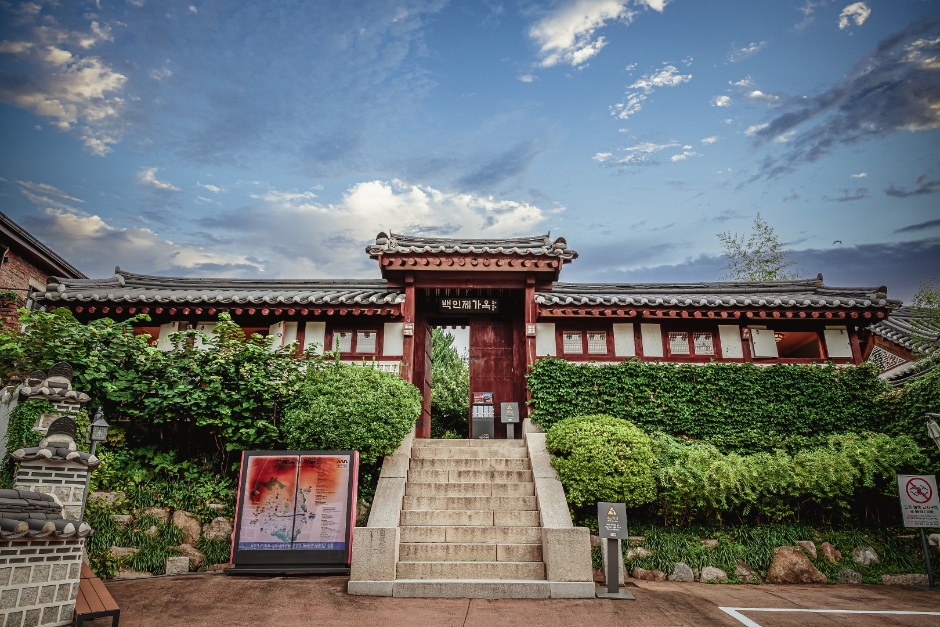
Baek In-je House (백인제가옥)
7.1Km 2025-10-24
16 Bukchon-ro 7-gil, Jongno-gu, Seoul
+82-2-724-0200
Baek In-je House, located in Bukchon Hanok Village, is a hanok built during the Japanese administration period that portrays modern hanok features. The structure consists of a main room offering a good view of the whole village, spacious bedrooms, a large garden, and annex buildings. As it maintains the beauty of a traditional hanok while incorporating the modern trend of its time, Baek In-je House is considered to be highly valuable in means of both architecture and history, representing the Bukchon Hanok Village together with Yun Bo-seon House.
Baek In-je House was built from black pine, which was first introduced in Seoul during the Gyeongseong Expo in 1907, distinguishing itself from other upper-class houses of its time. Unlike other traditional hanok designs that separate the main building from the other rooms, Baek In-je House connects the two with a hallway, allowing convenient access between the two structures. The house also consists of a Japanese-style hallway and floor mat rooms, reflecting the interior trends of that period. Baek In-je House is also unique in that the main room is partially built as a two-story structure, a style that was never seen in any traditional hanok built during the Joseon period.
Donggwol Maru - Korea Cultural Heritage Foundation Branch [Tax Refund Shop] (한국문화재재단 동궐마루)
7.1Km 2024-10-15
99, Yulgok-ro, Jongno-gu, Seoul
-
Seoul City Wall Museum (한양도성박물관)
7.1Km 2023-12-22
283, Yulgok-ro, Jongno-gu, Seoul
+82-2-724-0243
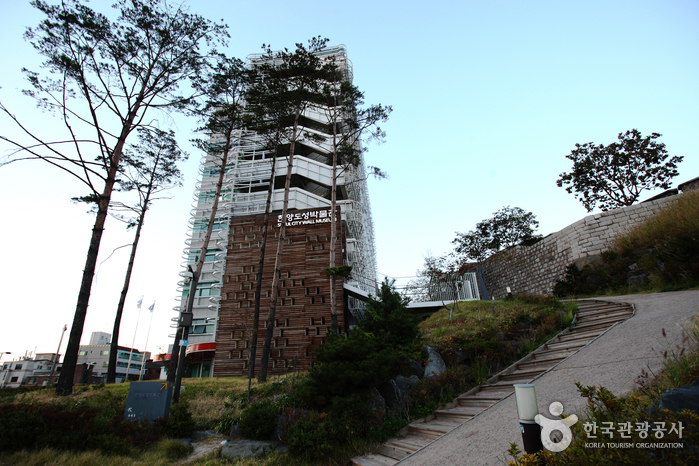
Hanyangdoseong, the Seoul City Wall, built in 1396, was the city fortress wall that protected the capital city Seoul for over 600 years. The fortress wall was built along the terrains and although it became partially damaged during the modernization process, its original form remains well to this day, making it a cultural heritage that coexists with the modern city. The Seoul City Wall Museum, located in Heungjinjimun Park, is a museum containing the history and culture of city wall from the Joseon dynasty to the present. It is a cultural space with a permanent exhibition hall, special exhibition hall, city wall information center, and study room.
Public Hanok Night Out (공공한옥 밤마실)
7.1Km 2025-06-10
37 Gyedong-gil, Jongno-gu, Seoul
+82-2-741-1033
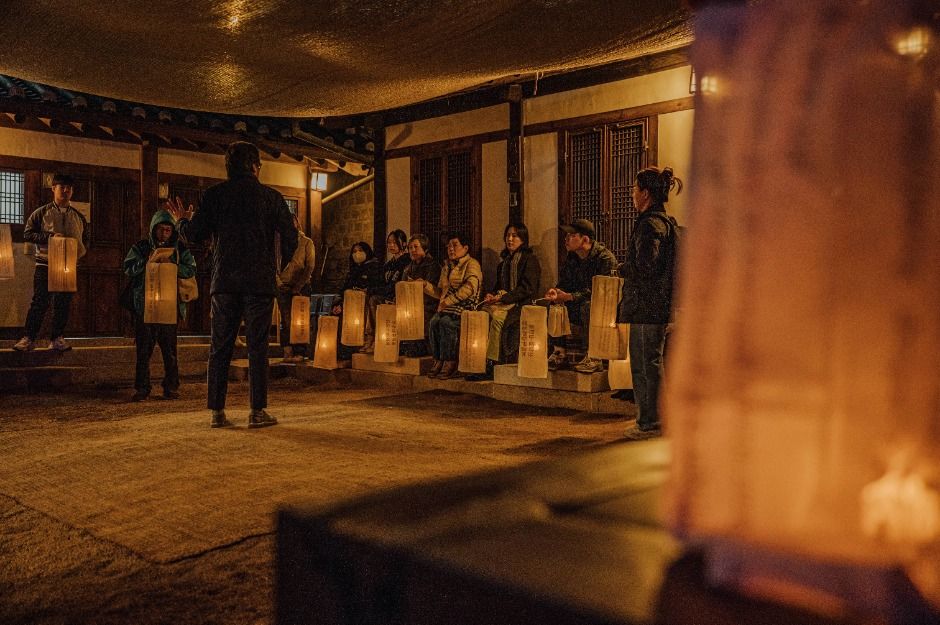
Public Hanok Night Out is a special evening event that allows limited access to the nine public hanok buildings, including the Bukchon Culture Center, after sundown. The event is carefully prepared to make the hanok buildings accessible as much as possible. In addition, the event also offers a variety of programs to entertain the visitors. The event aims to raise awareness about embracing differences and diverse values during this time of ever-changing global society, as well as expand the the cultural values of hanok as something more unique.
Bukchon Hanok Village (북촌한옥마을)
7.1Km 2025-06-19
37 Gyedong-gil, Jongno-gu, Seoul
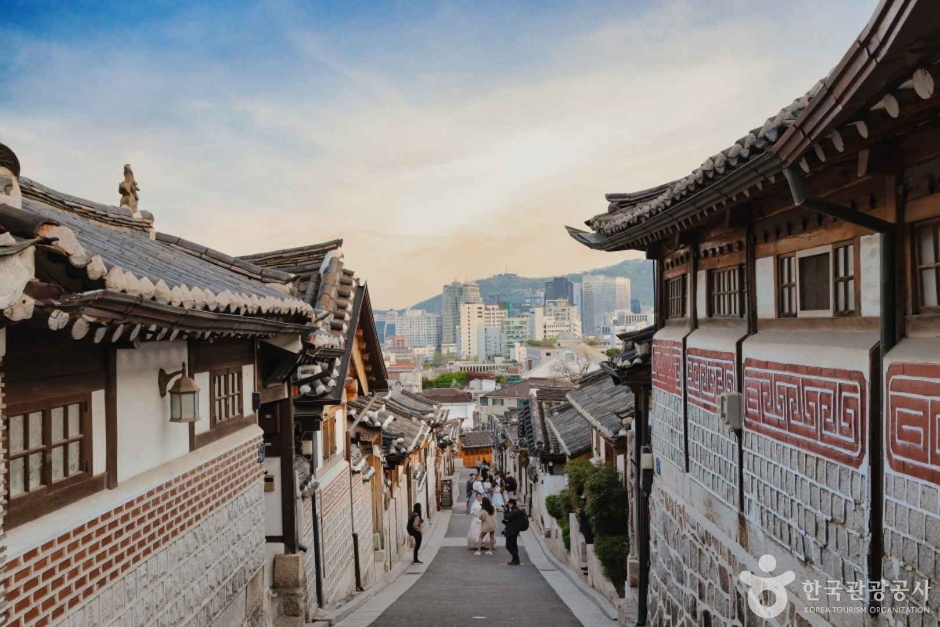
Surrounded by Gyeongbokgung Palace, Changdeokgung Palace and Jongmyo Shrine, Bukchon Hanok Village is home to hundreds of traditional houses, called hanok, that date back to the Joseon dynasty. The name Bukchon, which literally translates to "northern village," came about as the neighborhood lies north of two significant Seoul landmarks, Cheonggyecheon Stream and Jongno. Today, many of these hanoks operate as cultural centers, guesthouses, restaurants and tea houses, providing visitors with an opportunity to experience, learn and immerse themselves in traditional Korean culture. As Bukchon Hanok Village is an actual neighborhood with people's homes, visitors are advised to be respectful at all times while looking around.
 English
 한국어
한국어 日本語
日本語 中文(简体)
 Deutsch
 Français
 Español
 Русский


