
Enter 6 - Sangbong Branch [Tax Refund Shop] (㈜엔터식스 상봉점)
9.4Km 2024-04-19
Within Hyundai Amco Enocity, 353, Mangu-ro, Jungnang-gu, Seoul
-
![ABC Mart - Sangbong Branch [Tax Refund Shop] (ABC마트 상봉점)](http://tong.visitkorea.or.kr/cms/resource/40/3314140_image2_1.jpg)
ABC Mart - Sangbong Branch [Tax Refund Shop] (ABC마트 상봉점)
9.4Km 2024-06-27
353, Mangu-ro, Jungnang-gu, Seoul
-
Amsa-dong Prehistoric Site Museum (암사동선사유적박물관)
9.4Km 2023-12-22
875 Olympic-ro, Gangdong-gu, Seoul
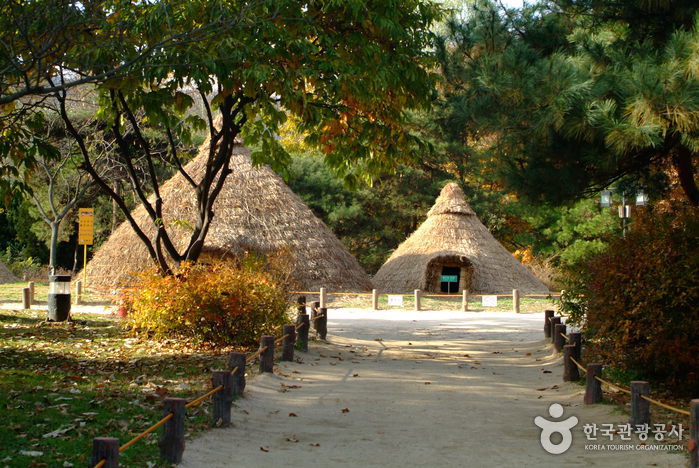
The archaeological sites in Amsa-dong, Seoul, were a collective settlement where people lived during the Neolithic Age about 6,000 years ago and became known to the world after the sand dunes along the Hangang River caved in during the great flood of 1925, exposing numerous pieces of comb-patterned pottery. The area designated as a historic site in 1979, and excavation of the site took place from 1981 to 1988. The cultural heritage protection area was expanded to a total area of 78,133㎡. Currently, nine Neolithic dugout huts and one experiential dugout hut have been restored. The exhibitions currently open to the public are Exhibition Hall 1, which displays a restoration of a Neolithic Age dugout, and Exhibition Hall 2, which displays various panels and models to help understand the prehistoric era as a whole.
Archaeological Site in Amsa-dong, Seoul (서울 암사동 유적)
9.4Km 2021-07-27
875, Olympic-ro, Gangdong-gu, Seoul
+82-2-3425-6520
The Archaeological Site in Amsa-dong reproduces the lifestyle of the Neolithic Era. Even the entrance gate is shaped like a huge dolmen and the trash cans are ancient diagonal-line patterned earthenware. Archaeological Site in Amsa-dong was excavated in 1925 when a flood washed away the soil on the banks of the Hangang River and exposed a large number of diagonal-line patterned earthenware. After several excavations, the Archaeological Site in Amsa-dong was established.
The site was a location for a massive colony, thus many ancient buildings, stone axes and stone arrows have been uncovered as well as countless diagonal-line patterned earthenware. The housing site is round with a spot in the center for fire. The site is colossal and possesses nine mud huts, two exhibition halls displaying ancient artifacts and an open mud hut where visitors can experience life in the Neolithic Era. The site offers many attractions such as mud huts and promenades. Archaeological Site in Amsa-dong is also very educational for children and families who want to learn and experience the Neolithic Age.
![LG Best Shop - Gangdong Main Branch [Tax Refund Shop] (엘지베스트샵 강동 본점)](http://tong.visitkorea.or.kr/cms/resource/84/2878884_image2_1.jpg)
LG Best Shop - Gangdong Main Branch [Tax Refund Shop] (엘지베스트샵 강동 본점)
9.4Km 2024-04-19
1449, Yangjae-daero, Gangdong-gu, Seoul
-
Buam-dong (부암동)
9.5Km 2024-03-15
Buam-dong, Jongno-gu, Seoul
+82-2-2148-1807
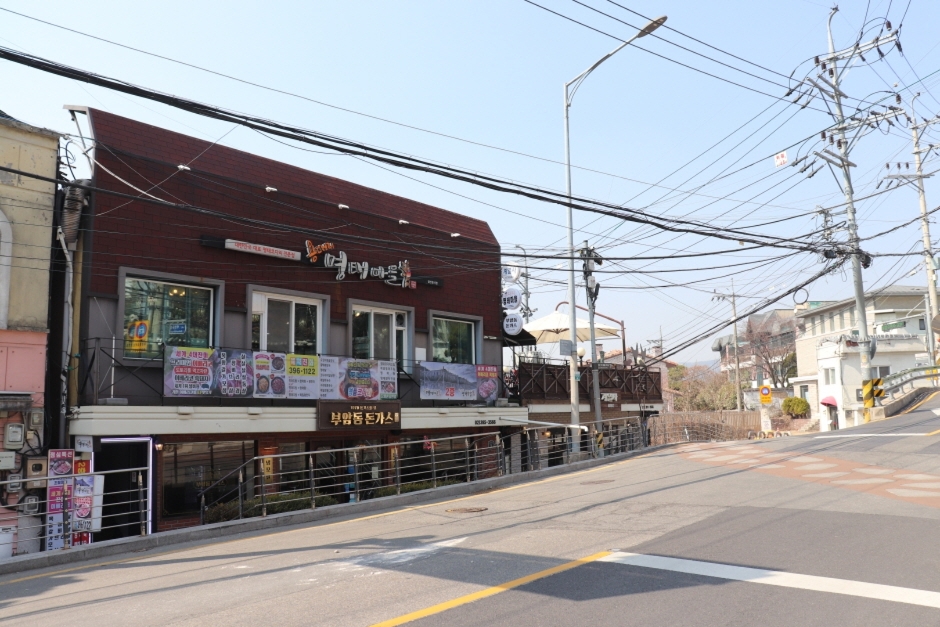
Buam-dong is a village located north of Gyeongbokgung Palace. It is designated as a development-restricted zone due to its proximity to the Cheong Wa Dae, preserving the old neighborhood's appearance. There are numerous bakeries, cafés, restaurants, and small galleries housed in renovated traditional houses, making it a delightful place for a leisurely stroll. The nearby hiking trails connected to Bugaksan Mountain offer a tranquil journey through the forest, ideal for those seeking a peaceful retreat.
Whanki Art Museum (환기미술관)
9.5Km 2024-03-04
63, Jahamun-ro 40-gil, Jongno-gu, Seoul
+82-2-391-7701
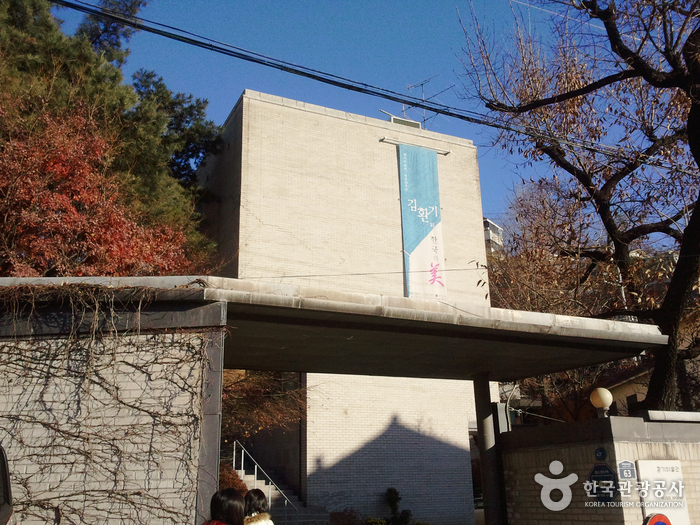
Whanki Art Museum exhibits the works of Kim Whanki (1913-1974), the pioneer of Korean abstract art. Kim was inspired by traditional features such as Korean mountains and streams, the sky, moons and clouds, the white porcelain and traditional patterns, and worked to express them in abstract forms through points, lines, and surfaces. The main collection features nearly 300 works by Kim. One can also find an art shop and a café.
Bugak Skyway Palgakjeong Pavilion (북악스카이 팔각정)
9.5Km 2024-12-31
267 Bugaksan-ro, Jongno-gu, Seoul
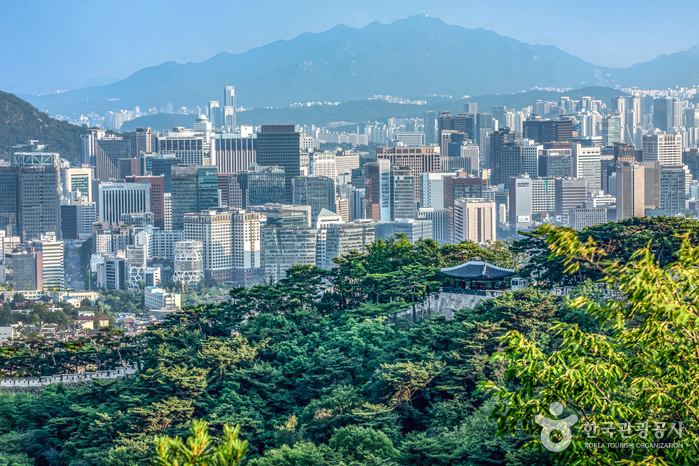
Bugak Skyway Palgakjeong Pavilion exudes a tranquil, serene beauty regardless of the season. The pavilion, which sits on Bugaksan's 1,652,900 square meter summit at an altitude of 345 meters, was built in a traditional Korean-style and became a popular attraction within the city. There are also spaces for visitors to enjoy food and drinks.
ABC-Mart - Mia Branch [Tax Refund Shop] (ABC마트 미아점)
9.5Km 2024-04-18
45, Dobong-ro, Gangbuk-gu, Seoul
-
Adidas - IFC Mall Branch [Tax Refund Shop] (아디다스 아이에프씨몰)
9.5Km 2024-04-18
2F, 10, Gukjegeumyung-ro, Yeongdeungpo-gu, Seoul
-
 English
 한국어
한국어 日本語
日本語 中文(简体)
 Deutsch
 Français
 Español
 Русский


