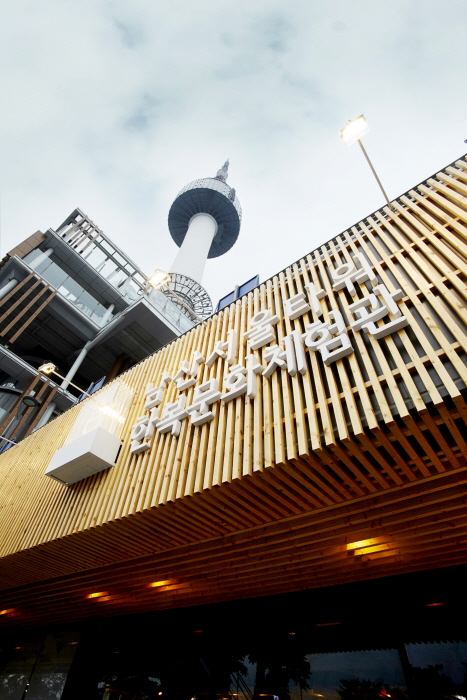
Namsan Seoul Tower Hanbok Culture Experience Center (남산서울타워 한복문화체험관)
4.8Km 2021-03-16
105, Namsangongwon-gil, Yongsan-gu, Seoul
Namsan Seoul Tower Hanbok Culture Experience Center is located in the lobby level (B1) of Seoul's landmark Namsan Seoul Tower. The center is designed around the theme of the Joseon dynasty, and features both large photo zones and hanbok of various styles, ranging from traditional to modern and even wedding.
![5F N Gift [Tax Refund Shop] (5F N기프트)](http://tong.visitkorea.or.kr/cms/resource/40/2878440_image2_1.jpg)
![Lotte Mart - Seocho Branch [Tax Refund Shop] (롯데마트 서초점)](http://tong.visitkorea.or.kr/cms/resource/56/2887956_image2_1.jpg)
Lotte Mart - Seocho Branch [Tax Refund Shop] (롯데마트 서초점)
4.8Km 2024-04-22
12, Seocho-daero 38-gil, Seocho-gu, Seoul
-

Olive Young - Sincheon Jungang Branch [Tax Refund Shop] (올리브영 신천중앙점)
4.8Km 2024-06-27
2F, 114, Olympic-ro, Songpa-gu, Seoul
-
HM International Korean Medicine Clinic (하늘마음한의원 서초강남점)
4.8Km 2025-10-23
2nd Floor, Seokjeong Building, 96 Banpo-daero, Seocho-gu, Seoul,
Hanulmaum Korean Medicine Clinic is an institution that has been specializing in the treatment of various skin diseases, including psoriasis, atopic dermatitis, and seborrheic dermatitis, for 35 years. The clinic aims for personalized treatment that considers an individual's constitution and symptoms.
Treatment methods include herbal medicine to boost internal immunity, acupuncture to assist with blood and energy circulation, and topical agents to alleviate skin inflammation. Haneulmaeum Clinic emphasizes an integrated approach that simultaneously treats both the internal and external root causes of skin diseases. Furthermore, it provides education and counseling to help patients improve their lifestyle habits.
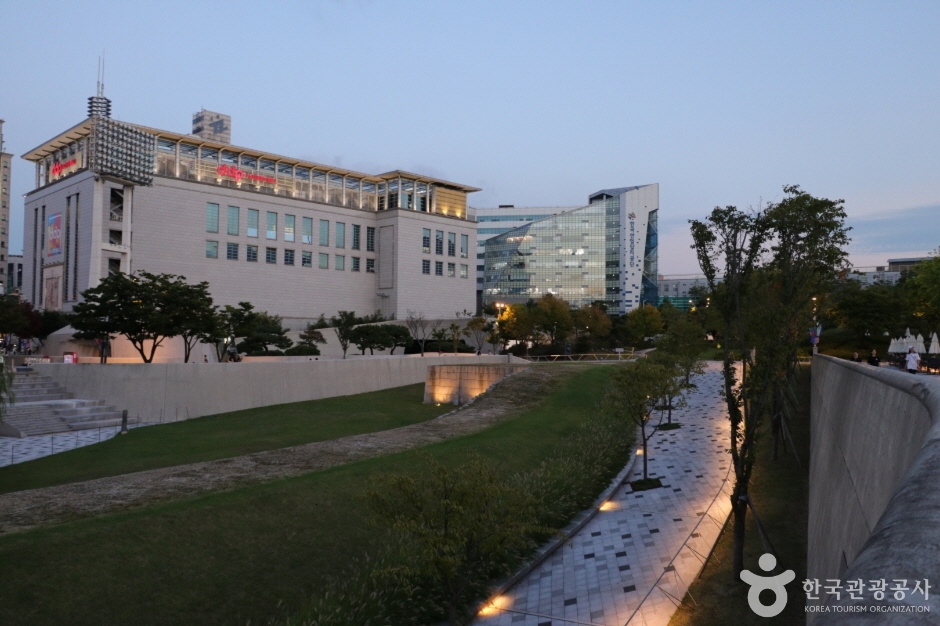
Dongdaemun History & Culture Park (동대문역사문화공원)
4.8Km 2024-11-27
281 Eulji-ro, Jung-gu, Seoul
Dongdaemun History & Culture Park is a park established on the former site of the Dongdaemun Stadium. It serves as a thematic park showcasing the history and culture of Seoul, while also providing a space to experience modern design and culture. During the park's development in 2008, numerous artifacts from the Joseon dynasty, including The Two Floodgates, the Chiseong Castle, Military Training Agency, and over 1,000 relics from the Joseon era, were excavated. Alongside the park, there is the Dongdaemun Design Plaza (DDP) and the Relic area.
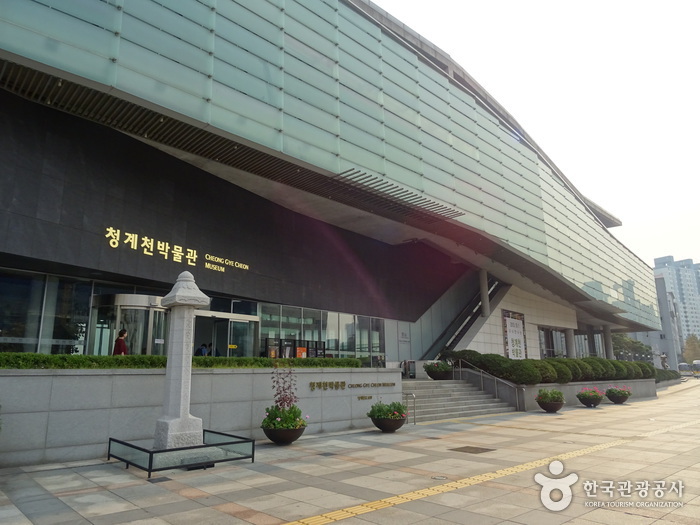
Cheonggyecheon Museum (청계천박물관)
4.8Km 2021-11-02
530, Cheonggyecheon-ro, Seongdong-gu, Seoul
+82-2-2286-3410
Cheonggyecheon Museum officially opened in October 2005. The museum’s long, glass exterior represents the flowing waters of Cheonggyecheon Stream, which runs through the heart of Seoul. The museum has a permanent exhibition hall, special exhibition hall, educational hall, and an auditorium. The museum contains visual representations of Seoul before and after the transition of Cheonggyecheon Stream. The permanent exhibition hall was remodeled in October 2015, and now offers even more ways to view the history of Seoul as shaped by Cheonggyecheon Stream.
Ogane Jokbal (오가네족발)
4.8Km 2024-10-14
21 Nonhyeon-ro 36-gil, Gangnam-gu, Seoul
+82-2-575-6608
Ogane Jokbal is known for its jokbal (braised pigs' feet) and bossam (kimchi cabbage wraps with pork). Jokbal (braised pigs' feet) refers to pigs’ legs braised for extended periods. The meat comes out of the braising process chewy and flavorful. Saeujeot (salted shrimp) is used as the sauce. Bossam (kimchi cabbage wraps with pork) and makguksu (buckwheat noodles) are also on the menu. Lunch specials include the bossam jeongsik (kimchi cabbage wraps with pork set menu) and naengmakguksu (cold buckwheat noodles). Ogane Jokbal was included in the MICHELIN Guide Seoul 2019.
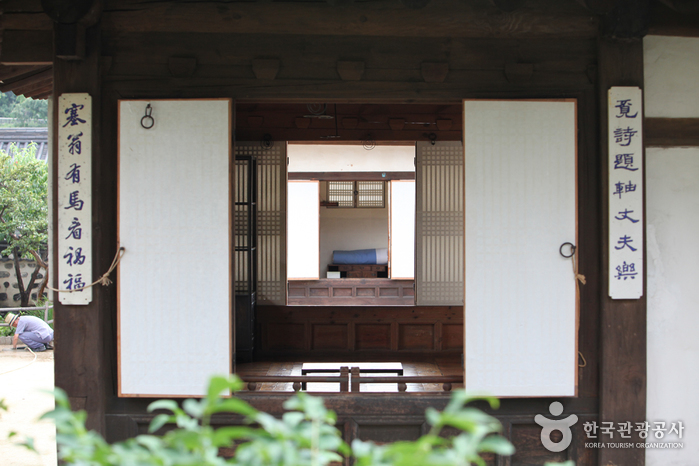
Haepungbuwongun Yun Taekyeong's Jaesil (해풍부원군윤택영댁재실)
4.8Km 2021-11-10
28, Toegye-ro 34-gil, Jung-gu, Seoul
+82-2-3396-5882
Haepungbuwongun Yun Taekyeong's Jaesil is a shrine house built by the father-in-law of King Sunjong of Joseon dynasty in 1906 when his daughter was proclaimed the crowned princess of Joseon and entered Changdeokgung Palace to later become Queen Sunjeong. Red pine trees salvaged from the demolition of Gyeongungung Palace were used to construct the house. It was originally located in Jegi-dong, Dongdaemun-gu, but was later restored and moved to its present location. The shrine of the house that was destroyed in 1960 was also restored.
Because the house is more of a shrine rather than residential living quarters, it has many unique features. For example, unlike other houses, it has the anchae (women’s quarters) located across from sarangbang (men’s quarters) with daecheong (living room) positioned between them.
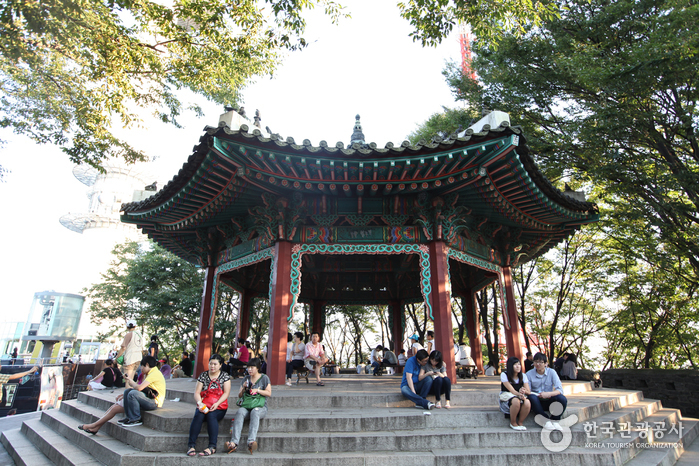
Namsan Octagonal Pavilion (남산 팔각정)
4.8Km 2021-06-19
105, Namsangongwon-gil, Yongsan-gu, Seoul
+82-2-3783-5900
Originally known as Unamjeong Pavilion, the pavilion was built in 1959 to commemorate Rhee Syngman. It was demolished by the 4.19 movement in 1960 and was rebuilt on November 11, 1968. This pavilion now sits atop Namsan Mountain, with views covering the entirety of Seoul below. As it is a prime spot to view the first sunrise of the year, the annual sunrise festival takes place every New Year's Day.
 English
 한국어
한국어 日本語
日本語 中文(简体)
 Deutsch
 Français
 Español
 Русский


