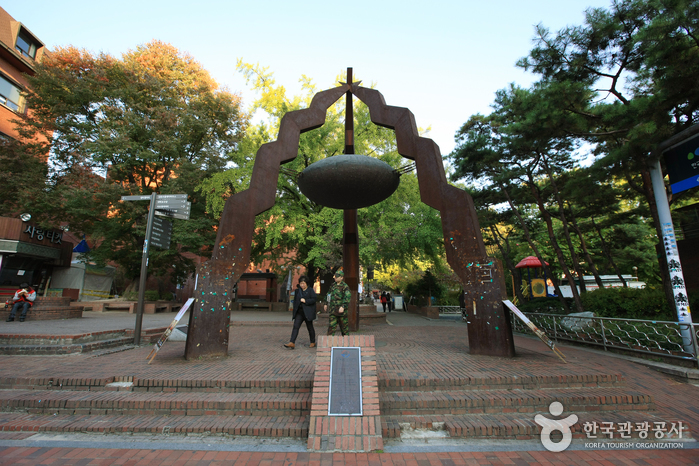
Marronnier Park (마로니에공원)
12.3Km 2021-07-14
104, Daehak-ro, Jongno-gu, Seoul
+82-2-2148-4158
Marronnier Park was given its name due to the marronnier trees, or horse chestnut trees, growing within the area. The location where Seoul National University's College of Liberal Arts & Science and School of Law once stood, it is now a park dedicated to culture and arts open to the public. In addition to a variety of outdoor performances that take place throughout the area, exhibitions and cultural centers create a romantic atmosphere unique to the park.
![TUBAn [Tax Refund Shop] (주식회사 투바앤)](http://tong.visitkorea.or.kr/cms/resource/47/2890647_image2_1.jpg)
TUBAn [Tax Refund Shop] (주식회사 투바앤)
12.3Km 2024-04-23
1955, Goyang-daero, Deogyang-gu, Goyang-si, Gyeonggi-do
-
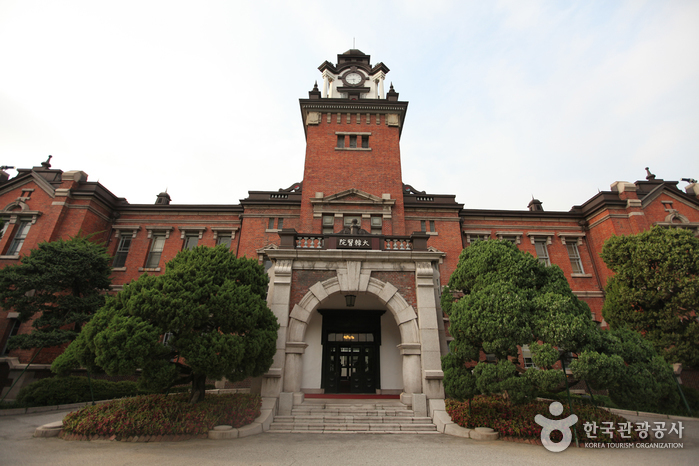
The Museum of Medicine (서울대학교병원의학박물관)
12.3Km 2024-03-18
101 Daehak-ro, Jongno-gu, Seoul
The Museum of Medicine is located in the building of the former Daehan Medical Center, the oldest modern hospital in Korea. It is a medical museum that provides a comprehensive view of the development of modern medicine in Korea, the history of medical devices, and the transformation of Seoul National University Hospital. Through permanent and special exhibitions, the museum showcases medical artifacts and documents related to the history of medicine.
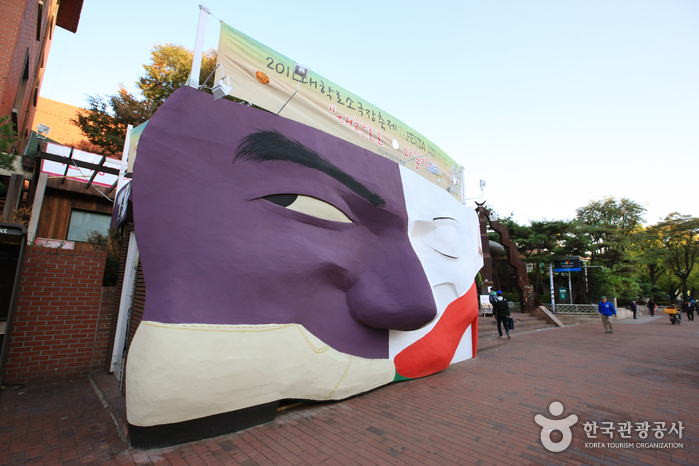
Daehangno (University Street) (대학로)
12.3Km 2021-03-25
104, Daehak-ro, Jongno-gu, Seoul
+82-2-2148-1114
Daehangno is an artistic neighborhood that stretches 1.1 kilometers from Jongno 5-ga Intersection to Hyehwa-dong Rotary. The area is filled with culture and performing arts facilities, with the center of all this being Marronnier Park. Visitors can find performances taking play every day at the many theaters large and small, as well as restaurants serving a range of cuisines. The area is especially active on weekends and during the street festival period.

Live Again (리브어게인)
12.3Km 2025-10-23
(B201-161-6, Kolon Science Valley 2) 55 Digital-ro 34-gil, Guro-gu, Seoul
Live Again is Korea's leading international patient recruitment attraction company with offices in Mongolia (Ulaanbaatar) and Vietnam, in addition to the headquarters in Korea. Based on partnerships with top medical centers in Korea, such as Asan Medical Center and Samsung Medical Center, we provide attraction and concierge services for international severe/plastic surgery patients.
We provide premium 1:1 overseas patient brokerage services that lead the K-Medi brand, with easy, fast, and reliable total care for patients from pre-consultation to aftercare.
We started welcoming foreign patients in 2013, and have supported a total of 10,000 foreign patients to date. We have been recognized for our professionalism and excellence, winning an excellent medical tourism designation by the Korean Ministry of Justice for ten consecutive years (2014-2023).
We will help more people around the world regain a healthy life by building bridges between Korea's excellent healthcare services and patients with severe/critical conditions abroad.
Seoul National University Hospital (서울대학교병원)
12.3Km 2025-10-23
101 Daehak-ro, Jongno-gu, Seoul
Seoul National University Hospital, a national central hospital that has led Korean medicine for over 130 years, is a top-tier hospital equipped with world-class medical professionals and cutting-edge systems. For 25 consecutive years, it has ranked first in brand power in the hospital sector. The hospital is renowned for its cancer research, the most comprehensive pediatric care in the country, and treatments for rare and intractable diseases. Through patient-centered, personalized services, it has established itself as a trusted healthcare institution.

Unhyeongung Royal Residence (서울 운현궁)
12.3Km 2024-03-04
464, Samil-daero, Jongno-gu, Seoul
+82-2-766-9090
Located near the Gyeongbokgung Palace, Unhyeongung Palace was a residence of royalty in Joseon period. It was the place where Gojong (1582-1919, reign 1864-1907), king of Joseon (1392-1897) and emperor of the Korean Empire (1897-1910), was born in, as well as the place where Heungseon Daewongun (1821-1898), his father, had resided in. Buildings include Noandang Hall, Norakdang Hall, and Irodang Hall. The Royal Residence offers programs like traditional weddings and traditional culture experiences, while the exhibition hall showcases Joseon-era artifacts.
High - Anguk Branch [Tax Refund Shop] (하이엔드코리아 안국)
12.3Km 2024-04-17
1F, 62-5, Insadong-gil, Jongno-gu, Seoul
-
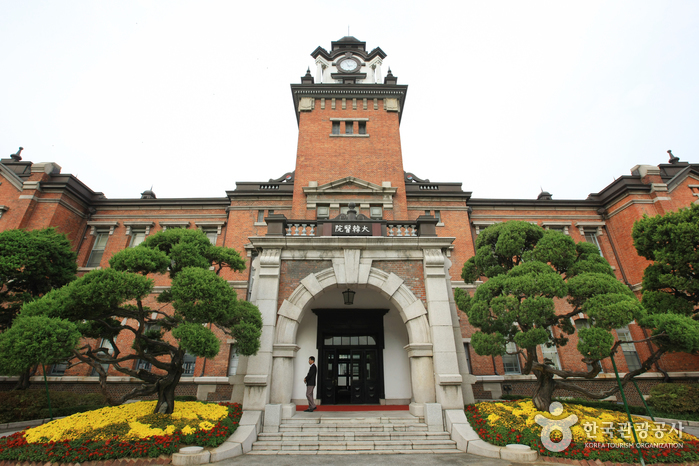
Seoul Daehan Hospital (서울 대한의원)
12.3Km 2021-12-23
101, Daehak-ro, Jongno-gu, Seoul
+82-2-2148-1842
Daehanuiwon (Daehan Medical Center) is an antique two-story brick building within the grounds of Seoul National University Hospital. It was established under the direct administration of the Uijeongbu (State Council), combining the Gwangjewon (under the Home Ministry), Gyeongseong Medical School and the Korean Red Cross Hospital (under the Royal Household).
Built in the Madubong Hill area, this location where Hamchunwon, the outer garden of Changgyeonggung Palace, once stood in 1484 (15th year of King Seongjong), was also once the site of Gyeongmogung Palace, where King Jeongjo enshrined the mortuary tablet of his birth father Crown Prince Sado Seja in 1776 (the year King Jeongjo ascended to the throne).
These places that held importance for the royal family were destroyed as the Japanese built Gyeongseong Empire University in its place. In 1907, with the announcement of the plan to establish Daehan Medical Center, construction began on the main building, seven wards and affiliated buildings. Construction was completed in November 1908.
The Daehan Medical Center opened in Gwangjewon, but upon Japanese colonization in 1910, its name was changed to the Japanese Viceroyalty Hospital. In 1926, it was included as a part of Gyeongseongjeguk University to become a university hospital. Since the liberation of Korea in 1945, it has been a hospital affiliated with Seoul National University.
 English
 한국어
한국어 日本語
日本語 中文(简体)
 Deutsch
 Français
 Español
 Русский


