
![Davich Optical - Bangbae Branch [Tax Refund Shop] (다비치안경 방배)](http://tong.visitkorea.or.kr/cms/resource/24/2889024_image2_1.jpg)
Davich Optical - Bangbae Branch [Tax Refund Shop] (다비치안경 방배)
5.8Km 2024-04-23
4, Bangbae-ro 20-gil, Seocho-gu, Seoul
-
Seoul Gwanmunsa Temple (관문사(서울))
5.8Km 2021-06-01
111, Baumoe-ro 7-gil, Seocho-gu, Seoul
+82-2-3460-5300
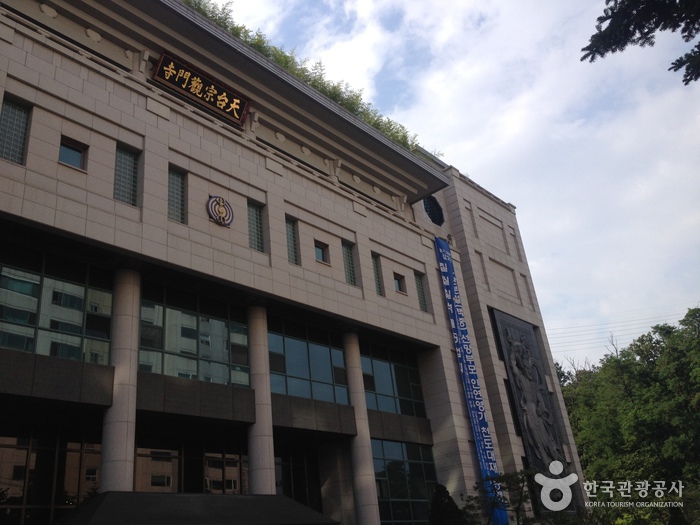
Located at the foot of Umyeonsan Mountain in Seocho-gu, Seoul, Gwanmunsa Temple had its ground-breaking ceremony in 1993 and construction was completed in October 1998.
The temple site has a total area of 22,148.76 ㎡ with seven ground levels and four basement levels. The temple was constructed with a mixture of modern and traditional Buddhist architectural designs. Inside the temple, cutting-edge facilities are used for various cultural events, conferences, and sacred ceremonies.
Neighbored by Cheonggyesan Mountain, Umyeonsan Mountain, and Yangjaecheon Stream, the temple is located near many natural spots visitors can enjoy. In particular, Umyeonsan Mountain (alt. 293 m), where Gwanmunsa Temple is located, gets its name for its shape resembling a cow lying down. Designated as a city park and managed by Seoul Metropolitan Government, Umyeonsan Mountain has several valleys with clear spring waters and a dense forest inhabited by diverse animals and plants.
National Gugak Museum (국립국악박물관)
5.8Km 2021-08-13
2364, Nambusunhwan-ro, Seocho-gu, Seoul
+82-2-580-3130
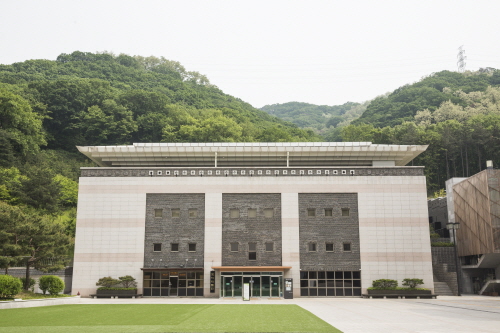
The National Gugak Museum opened on February 23, 1995 as the first gugak museum in Korea, featuring approximately 6,000 pieces of gugak-related materials and relics which have both historical and cultural value. It is comprised of seven themed permanent exhibition halls that present 250 pieces of audio and video clips regarding gugak. In the 3D room, visitors can enjoy 3D animation at all times. The museum also hosts special exhibitions in unique and interesting themes.
National Gugak Center (국립국악원)
5.8Km 2025-01-17
2364 Nambusunhwan-ro, Seocho-gu, Seoul
The National Gugak Center is the governing body established to preserve and promote traditional Korean performing arts. The center can accommodate every type of traditional performing arts, such as palace music, court music, and all other genres including major productions of changgeuk (Korean musical drama). Originally opened in Busan in 1951, the center moved to its current location in Seoul in 1987. The center also opened branch locations in Namwon, Jindo, and Busan in 1992, 2004, and 2008 respectively.
HOTEL QB (호텔큐비(호텔QB))
5.8Km 2024-12-23
322-10 , Jong-ro, Jongno-gu, Seoul
+82-2-743-1294
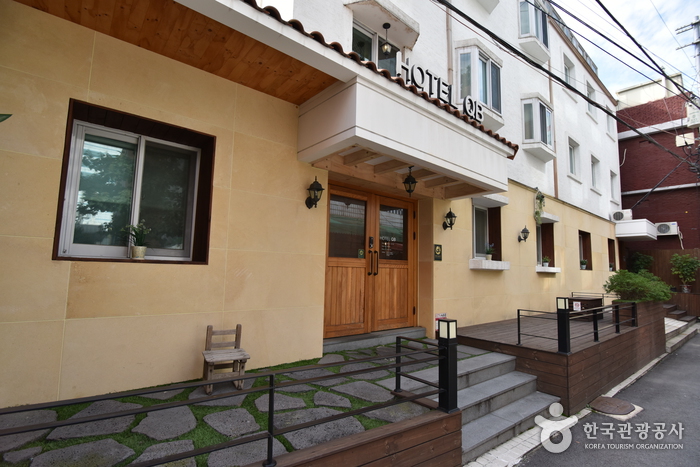
Hotel QB in Jongno-gu, Seoul, is conveniently located a 3-minute walk from Dongdaemun subway station and close to the airport bus stop. Rooms range from single rooms for individual travelers to a quad room, and there is a studio and fitting room where selfies and photos can be taken. The hotel cafe has a microwave, water purifier and refrigerator, and customized travel consulting and free luggage storage are provided in the lobby. Dongdaemun History and Culture Park, Dongmyo Flea Market and a variety of fashion wholesalers are all nearby.

Lotte World Tower & Mall (롯데월드타워&롯데월드몰)
5.8Km 2024-11-28
300 Olympic-ro, Songpa-gu, Seoul
+82-2-3213-5000
Lotte World Tower was designed with a conceptual motif inspired by Korean ceramics and writing brushes. With 123 floors total, the tower is the fifth tallest building in the world, standing at 555 meters. The tower contains galleries, cafés, and a luxury hotel, in addition to a skywalk and an observation deck. It is one of the best spots to appreciate the breathtaking view of Seoul's vibrant city lights.
Lotte World Mall, located next to the tower, features Avenuel, a complex of luxury department stores. The multi-leveled mall draws in many visitors as one of the top shopping attractions in Seoul, with a variety of domestic and foreign brands. The mall also offers a wide-range of entertainment facilities, such as a movie theater, aquarium, concert hall, and more.
Donga Stationery (동아완구)
5.8Km 2024-09-11
5 Jong-ro 52-gil, Jongno-gu, Seoul
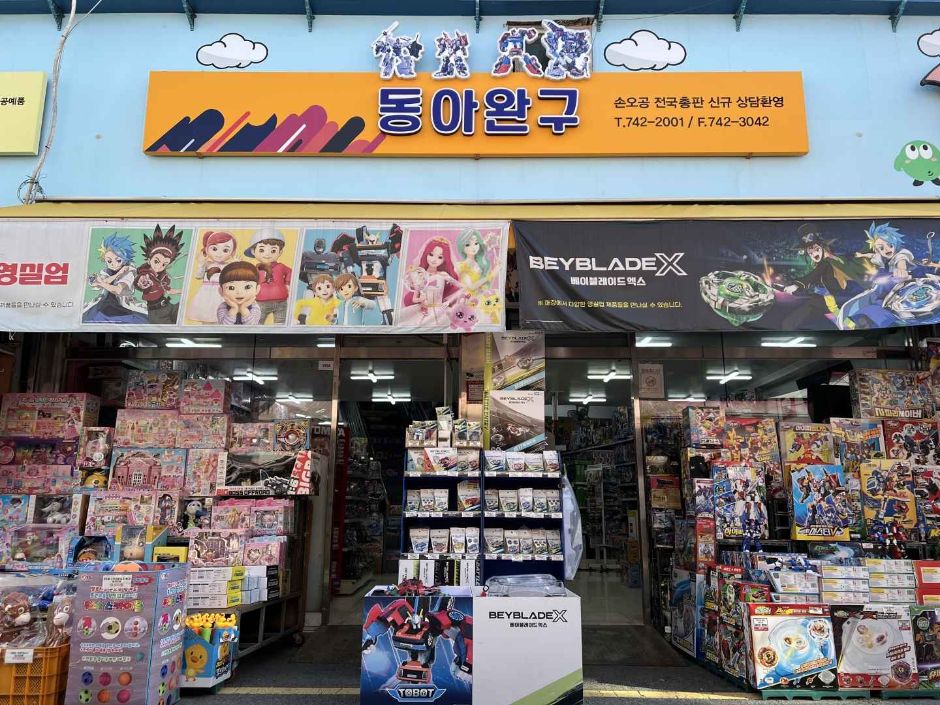
Donga Stationery is a stationery store located along Changsin-dong Stationery Street. The stop offers a full range of stationery and character goods and is popular among children and adults alike. The shop is located right by Dongdaemun Station (Seoul Subway Line 1), Exit 4, making it easily accessible.
![KGC - Dongmyo Branch [Tax Refund Shop] (KGC 동묘점)](http://tong.visitkorea.or.kr/cms/resource/91/2878191_image2_1.jpg)
Heunginjimun Gate - Dongdaemun Gate (흥인지문)
5.9Km 2025-10-23
288, Jong-ro, Jongno-gu, Seoul
+82-2-2148-1842
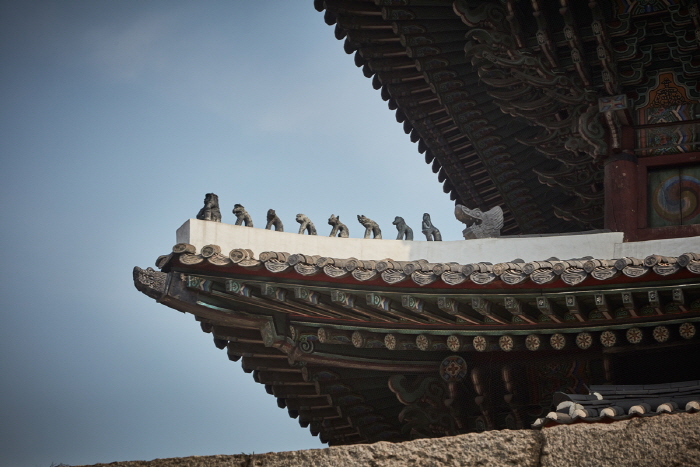
Heunginjimun Gate was built to protect Hanseongbu, which historically housed essential government facilities. Heunginjimun Gate was the gate on the east side of the outer wall of Seoul Fortress among eight gates. It is referred to as Dongdaemun Gate as well. The gate was constructed during King Taejo’s 5th year in 1396, remodeled during the reign of King Danjong in 1453, and was newly built in 1869 during the sixth year of King Gojong’s reign in 1869.
The gate features a hipped roof with five front and two side compartments on a two-storied building. The thin and weak bracket system supports the eaves and is excessively decorated, reflecting the construction features of the late Joseon period. Also, outside of the fortress is the half-circle-shaped Ongseong, a small wall, to protect the gate.
One of the unique factors of Heunginjimun Gate is that it is the only gate among Seoul’s eight to have Ongseong, further exhibiting the style of construction used during the late Joseon period.
 English
 한국어
한국어 日本語
日本語 中文(简体)
 Deutsch
 Français
 Español
 Русский


