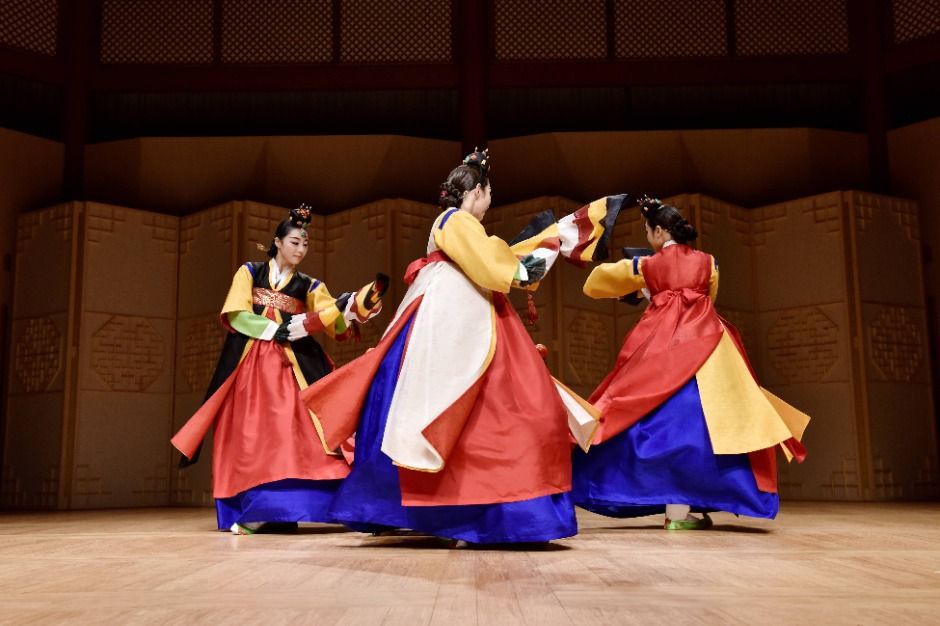
Jamunbak Cultural Festival (자문밖문화축제)
12.2Km 2025-10-23
5 Pyeongchang 31-gil, Jongno-gu, Seoul
+82-2-6365-1388
The Jamunbak Festival is a celebration of the artistic life of Seoulites. At the foot of Bukhansan Mountain, the festival features exhibitions, performances, forums, workshops, and field trips that bring together artists of different generations and citizens of Seoul—who have long led Korea’s artistic culture—to reflect on and propose new directions for their own artistic lives. The festival aims to create a platform where emerging artists experimenting with new aesthetics, mid-career artists who form the backbone of Korean art, collectors, critics, students, and the general public can all engage in dialogue together.
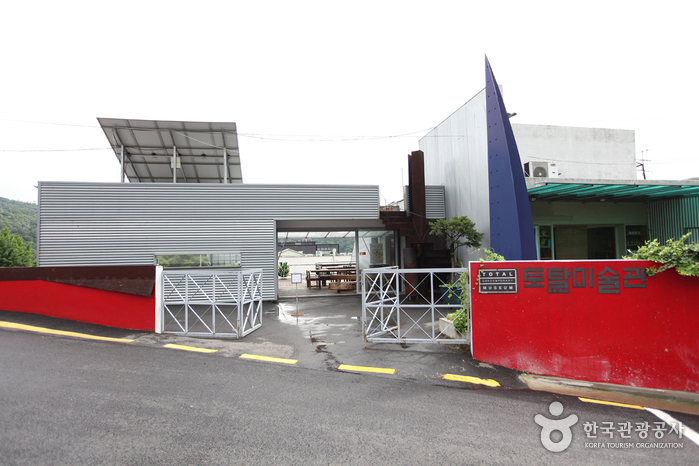
Total Museum (토탈미술관)
12.2Km 2022-07-22
8, Pyeongchang 32-gil, Jongno-gu, Seoul
+82-2-379-7037
The Total Museum is a branch of Jangheung Art Park (formerly “Total Outdoor Museum”) that opened near Bukhansan Mountain in April 1992. It houses facilities such as an art academy, library, art shop, and outdoor performance stage. In addition to exhibitions, the museum holds a variety of art and culture programs like musical concerts, events, lectures, and seminars. In particular, the members-only educational programs and gallery concerts provide a chance to enjoy high-quality cultural events.
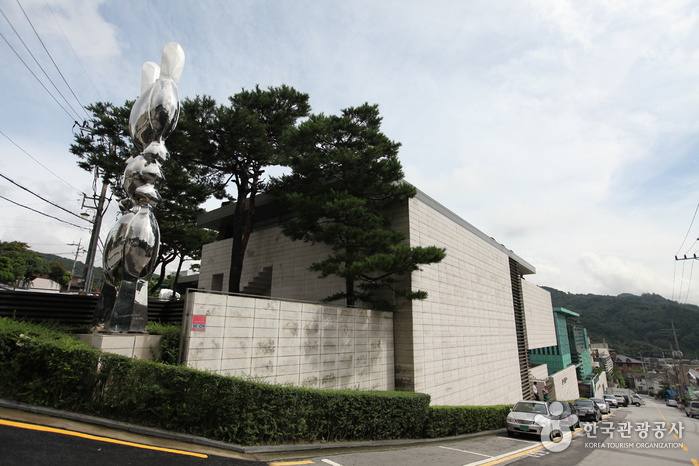
Gana Art Center (가나아트센터)
12.2Km 2024-03-18
28 Pyeongchang 30-gil, Jongno-gu, Seoul
The Gana Art Center located at the foothills of Bukhansan Mountain has been showcasing more than 300 exhibitions since its opening in 1983. Through both national and international exhibitions, the Gana Art Center is a recognized gellery. With numerous fairs and exhibitions, Gana Art Center not only invite internationally known artists, but also promotes other forms of art, such as music, theater, mime, etc. Through their flexibility in promoting all art forms, the visitors will surely be able to find the theme of their interest.

Gyeongui Line Forest Park (Yeontral Park) (경의선숲길(연트럴파크))
12.3Km 2023-08-11
133, Donggyo-ro 51-gil, Mapo-gu, Seoul
Gyeongui Line Forest Park is a linear city park located in Mapo-gu and is also called Yeontral Park. It includes Daeheung-dong, Yeonnam-dong, Saechanggogae Pass, Changjeon-dong, Sinsu-dong, and Wonhyo-ro, which were opened in this order. Gyeongui Line Forest Park is established atop the Gyeongui railroad line and the Gyeongui Line and Airport Railroad Express are constructed as a double track underground. Gyeongui Line Forest Park was designed to be incomplete on purpose to invite the citizens in completing the park. The area which could have been left empty and neglected has turned into a meaningful green park for the citizens by the citizens.
![Olive Young - Mia Station Branch [Tax Refund Shop] (올리브영 미아역)](http://tong.visitkorea.or.kr/cms/resource/20/2889020_image2_1.jpg)
Olive Young - Mia Station Branch [Tax Refund Shop] (올리브영 미아역)
12.3Km 2024-04-18
188, Dobong-ro, Gangbuk-gu, Seoul
-
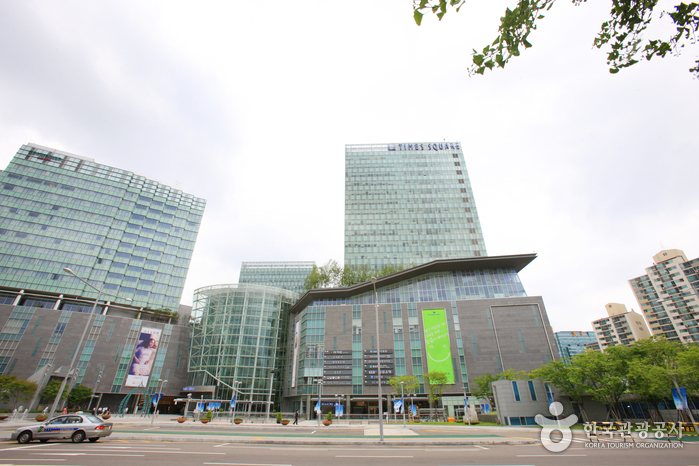
Times Square (타임스퀘어)
12.3Km 2025-10-23
15 Yeongjung-ro, Yeongdeungpo-gu, Seoul
+82-2-2638-2000
Times Square is a large, comprehensive lifestyle complex equipped with various leisure, entertainment, accommodation, and dining establishments. The complex houses Shinsegae Department Store, which features a number of luxury brands and high-end local products, CGV Starium, which houses 12 movie theaters, including the world's largest screen, a multi-purpose performance center, Kyobo Book Center, E-Mart Discount Supermarket, Courtyard by Marriott, which features 273 rooms, Kolon Sporex Luxury Fitness Center, Amoris Banquet and Convention Center, I Like Dalgi Children's Theme Park, various dining establishments, and many more. In addition, several large outdoor spaces, which collectively span over near 14,850 ㎡, provide perfect spots for relaxation and enjoying the nature inside the metropolitan complex.
CM Hospital (CM병원)
12.3Km 2026-01-02
CM Chungmu Hospital, 13 Yeongdeungpo-ro 36-gil, Yeongdeungpo-gu, Seoul
Founded in 1949, this general hospital specializes in orthopedics and joint care. It is a nationally certified general hospital and a government-designated joint specialty hospital. As a third-generation institution, it is now led by Director Lee Sang-hoon, who has been appointed as the Chairman of the Medical Committee of the Korean Sport & Olympic Committee (KSOC) and is recognized as a pioneer in sports medicine in Korea. He is also the first IOC-certified specialist in Korea and serves as a Vice Chairman of the Olympic Council of Asia (OCA).
Lotte Himart - VIC Market Yeongdeungpo Branch [Tax Refund Shop] (롯데하이마트 VIC마켓영등포점)
12.3Km 2024-04-22
125, Yeongjung-ro, Yeongdeungpo-gu, Seoul
-
Himart - Moran Branch [Tax Refund Shop] (하이마트 모란점)
12.3Km 2024-04-19
99, Dunchon-daero, Jungwon-gu, Seongnam-si, Gyeonggi-do
-
![Cheongun SP [Tax Refund Shop] (청운에스피)](http://tong.visitkorea.or.kr/cms/resource/06/3312906_image2_1.jpg)
 English
 한국어
한국어 日本語
日本語 中文(简体)
 Deutsch
 Français
 Español
 Русский


