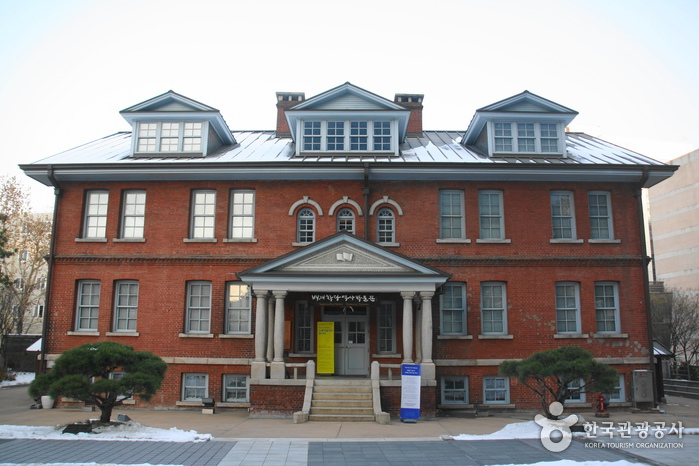
Appenzeller Noble Memorial Museum (배재학당 역사 박물관)
7.5Km 2022-10-14
19, Seosomun-ro 11-gil, Jung-gu, Seoul
+82-2-319-5578
The Appenzeller Noble Memorial Museum is dedicated to Henry Gerhart Appenzeller, the missionary who opened the first Western-style educational institution in Korea in 1885. The school started with English and core subjects, but expanded into the Pai Chai University, Pai Chai High School, and Pai Chai Middle School and has many famous alumni, including Rhee Syng-man. The memorial hall opened in 2008 in the east wing of the original school building, which was built in 1916 and designated as a Seoul Monument. With dynamically arranged permanent exhibitions, annual special exhibitions and special lectures, the museum offers a unique learning experience to visitors and people with an interest in the history of education in Korea.
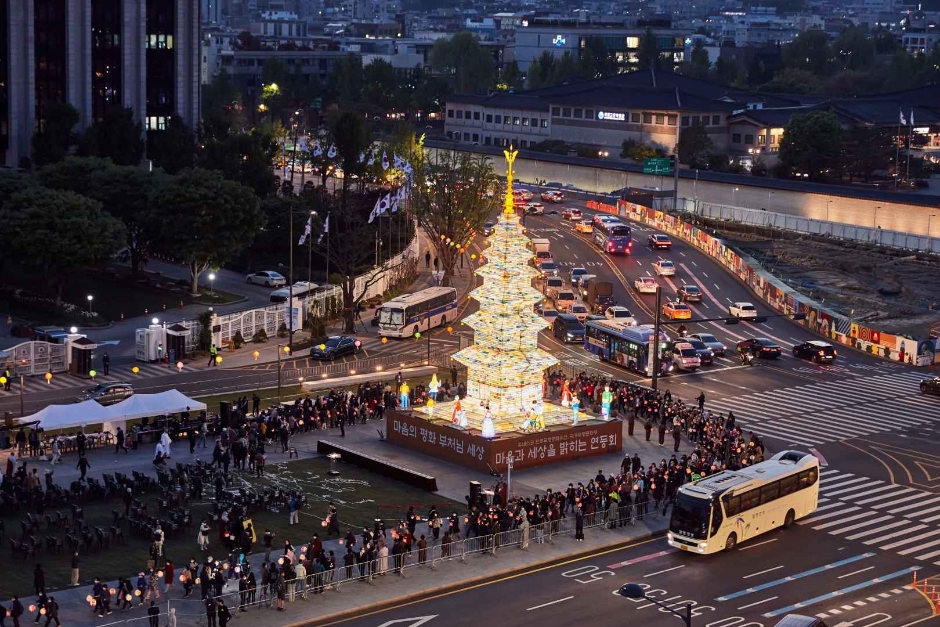
Yeon Deung Hoe (Lotus Lantern Festival) (연등회)
7.5Km 2025-04-09
55 Ujeongguk-ro, Jongno-gu, Seoul
+82-2-2011-1744~7
Started approximately 1,200 years ago during the Silla dynasty and continued through the Goryeo Yeon Deung Hoe and Joseon lantern festival, the Yeon Deung Hoe Festival is a traditional festival registered as an Intangible Cultural Heritage and UNESCO Masterpiece of the Oral and Intangible Heritage of Humanity. The lanterns at Yeon Deung Hoe Festival brighten the heart and the world!

Olive Young - Donam Branch [Tax Refund Shop] (올리브영 돈암점)
7.5Km 2024-06-27
39, Dongsomun-ro 22-gil, Seongbuk-gu, Seoul
-
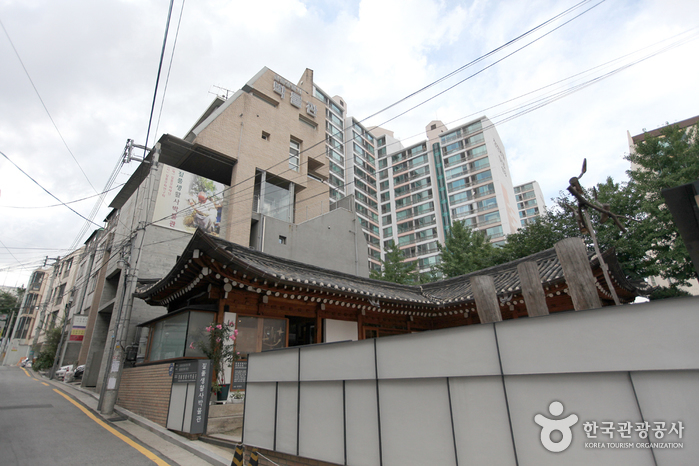
Korean Museum of Straw and Life (짚풀생활사박물관)
7.5Km 2022-09-15
45, Sungkyunkwan-ro 4-gil, Jongno-gu, Seoul
+82-2-743-8787
Korean Museum of Straw and Life is a private museum dedicated to the collection, research, and display of materials and historical accounts of diverse straws and their uses in Korea. As Koreans' lifestyle in the past heavily depended on agriculture and cultivation of crops, straws and grasses were easily found and had many uses. The museum aims to educate the general public of how different straw were produced and used by Korean ancestors as well as their significance in connection with today's lifestyle.
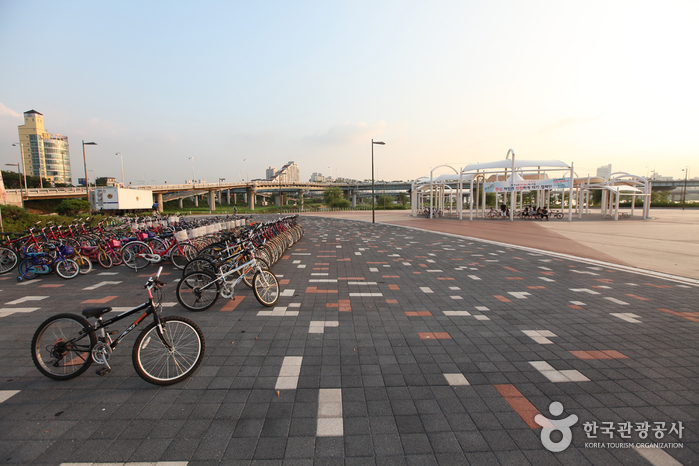
Gwangnaru Hangang Park (광나루한강공원)
7.5Km 2021-12-25
83-66, Seonsa-ro, Gangdong-gu, Seoul
+82-2-3780-0501
Hangang Citizen's Park, composed of 12 areas including Jamsil, Ttukseom and Jamwon, is an eco-friendly park providing areas for sports and leisure. The park is equipped with various cultural and recreational facilities and also has an ecological park. Gwangnaru Hangang Park formed naturally through rich silt that flowed in from the upper Hangang River that was then filled with reeds, creating an ideal habitat for groups of migratory birds.
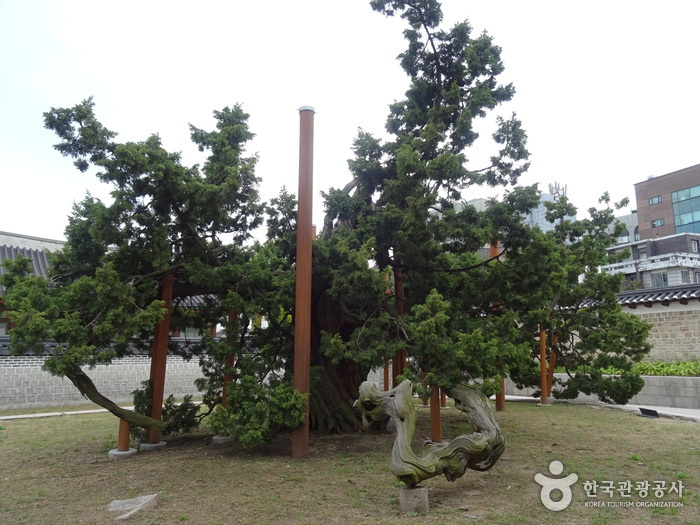
Hyangnamu Tree in Changdeokgung Palace (창덕궁 향나무)
7.5Km 2025-01-13
99, Yulgok-ro, Jongno-gu, Seoul
+82-2-3668-2300
Hyangnamu or 'Aromatic Tree' in Changdeokgung Palace is estimated to be about 700 years old, meaning it had likely been planted before the palace was built. It stands 12m in x_height, measures 5.9m in girth around the roots, and has branches spreading in all four directions. It is designated and protected as a National Natural Monument.
![Uniqlo - Gwanghwamun D Tower Branch [Tax Refund Shop] (유니클로 광화문D타워)](http://tong.visitkorea.or.kr/cms/resource/15/2878215_image2_1.jpg)
Uniqlo - Gwanghwamun D Tower Branch [Tax Refund Shop] (유니클로 광화문D타워)
7.5Km 2024-04-17
17, Jong-ro 3-gil, Jongno-gu, Seoul
-
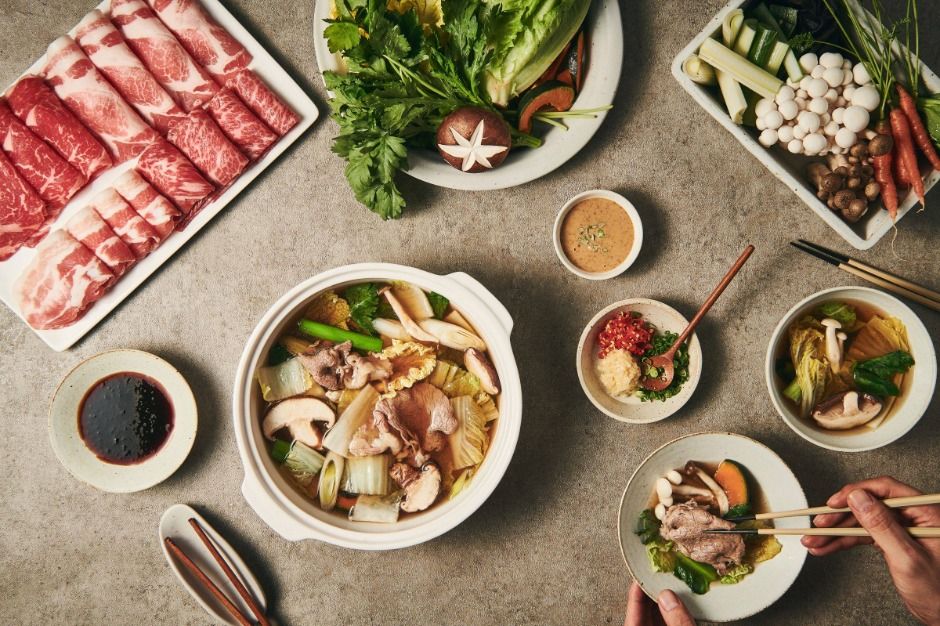
Modern Shabu House Gwanghwamun D Tower Branch (모던샤브하우스 광화문D타워점)
7.5Km 2025-12-02
17 Jong-ro 3-gil, Jongno-gu, Seoul
Located in Jongno-gu, Modern Shabu House Gwanghwamun D Tower Branch offers a selection of specialty broths to enjoy unlimited beef, pork, and vegetables. The restaurant serves four cuts of pork and beef in every course. The interior is designed with natural materials like earth, stone, and wood, inspired by the fluid process of cooking ingredients like meat and vegetables in a pot. The design reflects the natural movement and flow of ingredients as they cook together. The restaurant also has a range of private rooms, making it a popular choice for families with children and for gatherings, providing a comfortable dining experience.
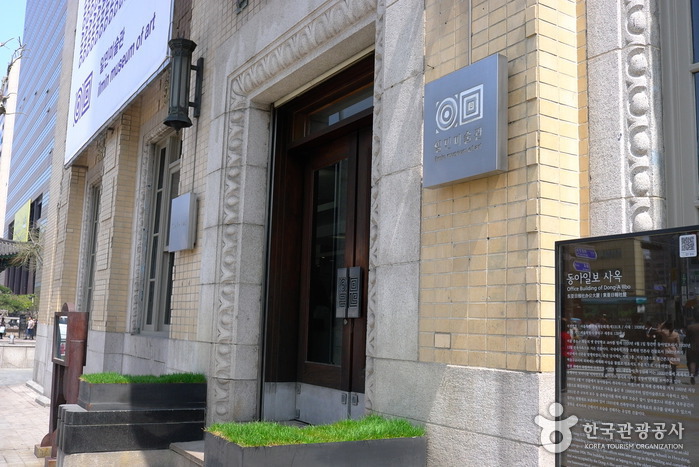
Ilmin Art Museum (일민미술관)
7.5Km 2022-09-27
152, Sejong-daero, Jongno-gu, Seoul
The Ilmin Art Museum located in former Dong-A Newspaper Building, was formed in honor of their honorable and late CEO Kim Sang-man. The museum was established in December of 1996, and with a full renovation in 2001, large exhibition hall and Ilmin collection was placed in. Through the renovation, the combination of glass and steel made Artrium aimed to become one of the best comtemporary museum, connecting the museum to the streets of Gwanghwamun.
This museum boasts a large Ilmin collection. There are 430 pieces of Ilmin collection from Goryeo dynasty (918-1392) to present, 1,200 pieces in the Donga Newspaper's collection of art, and 100 pieces of art owned by Hyundai Corporation. The Ilmin Collection mostly consists of pieces that Kim Sang-man collected from ceramics to aesthetic paintings. The Dongah Newspaper's collection has time-relevant pieces that are important in history.
![Olive Young - Cheonho Jungang Branch [Tax Refund Shop] (올리브영 천호중앙)](http://tong.visitkorea.or.kr/cms/resource/76/2878876_image2_1.jpg)
Olive Young - Cheonho Jungang Branch [Tax Refund Shop] (올리브영 천호중앙)
7.5Km 2024-04-18
1027, Cheonho-daero, Gangdong-gu, Seoul
-
 English
 한국어
한국어 日本語
日本語 中文(简体)
 Deutsch
 Français
 Español
 Русский


