
CU - Sungin Dongyang Paraville Branch [Tax Refund Shop] (cu숭인파라빌점)
7.2Km 2024-06-26
1F, #104, 251, Nangye-ro, Jongno-gu, Seoul
-
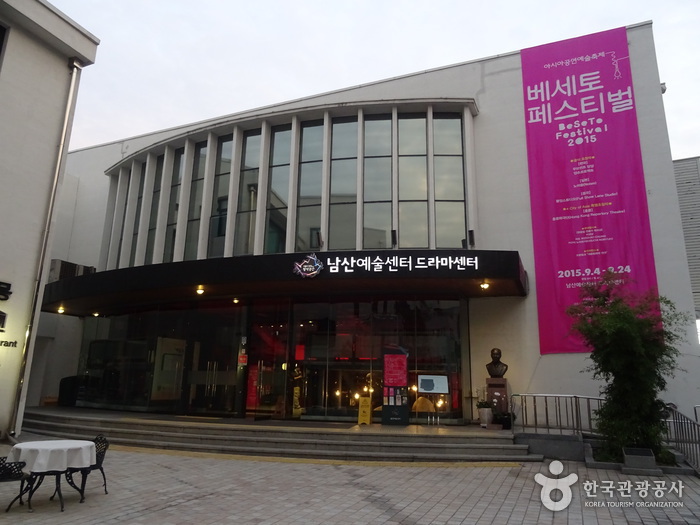
Namsan Arts Center (남산예술센터)
7.2Km 2021-08-26
138, Sopa-ro, Jung-gu, Seoul
+82-2-758-2150
Namsan Arts Center, reopened as a creative space in Seoul in September 2009. It redefined the colors and characteristics of the theater, aiming for a modern theater production center centered on creative premieres, a contemporary performance venue where visitors can feel the pulse of the times, and a theater capable of various experiments.
Namsan Arts Center Drama Center is the first modern folk theater in Korea and the oldest performance hall in which the original architectural form has been preserved. Under the concept of "Contemporary & New Wave," the center continues to produce domestic original plays, and through active exchanges with excellent overseas theaters, build a repertoire of high-quality works that can read domestic and overseas trends, and present contemporary cultural diversity.
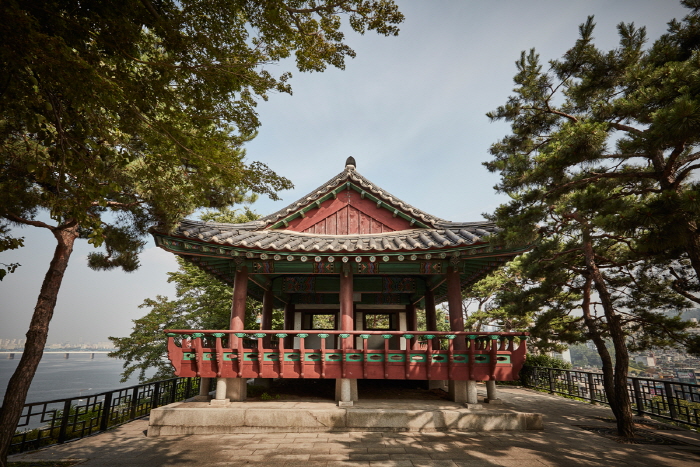
Hyosajeong Pavilion (효사정)
7.2Km 2025-01-13
55, Hyeonchung-ro, Dongjak-gu, Seoul
+82-2-820-9848
Hyosajeong Pavilion is where Nohan, the second vice premier of the Joseon dynasty during King Sejong and King Sejo’s reign, stayed. After he lost his mother, he built the pavilion to mourn at her grave while still being able to see his father’s grave in Gaeseong to the North. His brother-in-law, then Minister of the Interior, Gang Sa-deok named the pavilion “Hyosajeong,” which means pavilion of filial piety.
In order to find the original location of the pavilion, poems by Jeong Inji and Seo Geojeong and an old map of Korea were referenced, but the pavilion was not found because the surrounding landscape had changed too much. As a result, a location was selected and the pavilion was reconstructed at its current location. The house is 3 kan* in the front and 2 kan* on the side. The roof is a hip-and-gable roof. The pavilion has one room with under floor heating and a railing around the pavilion
(* kan: a traditional measurement that corresponds to the space between two columns)
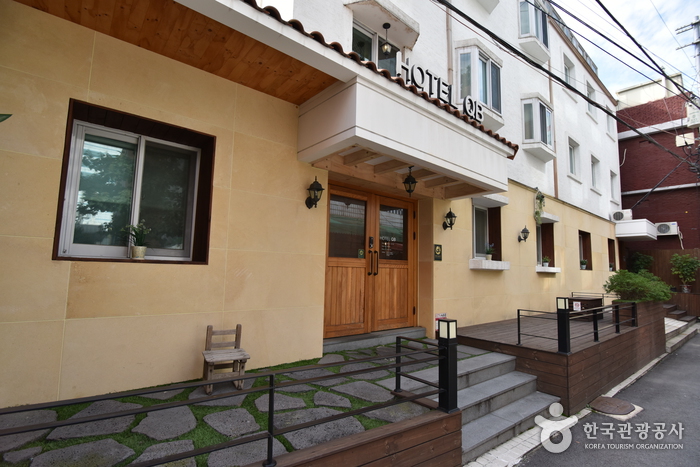
HOTEL QB (호텔큐비(호텔QB))
7.2Km 2024-12-23
322-10 , Jong-ro, Jongno-gu, Seoul
+82-2-743-1294
Hotel QB in Jongno-gu, Seoul, is conveniently located a 3-minute walk from Dongdaemun subway station and close to the airport bus stop. Rooms range from single rooms for individual travelers to a quad room, and there is a studio and fitting room where selfies and photos can be taken. The hotel cafe has a microwave, water purifier and refrigerator, and customized travel consulting and free luggage storage are provided in the lobby. Dongdaemun History and Culture Park, Dongmyo Flea Market and a variety of fashion wholesalers are all nearby.
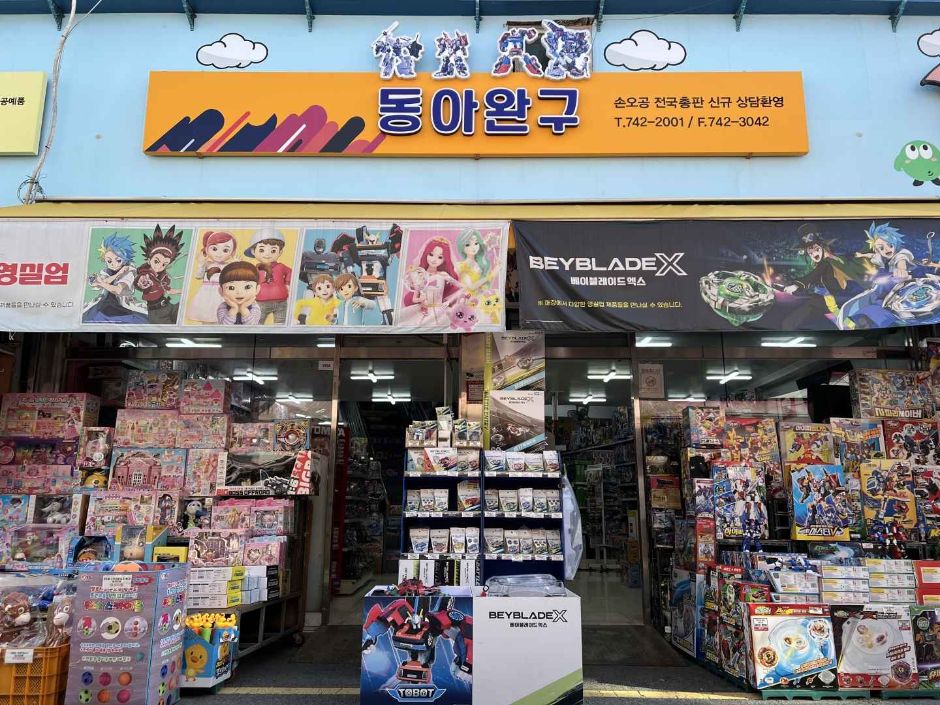
Donga Stationery (동아완구)
7.2Km 2024-09-11
5 Jong-ro 52-gil, Jongno-gu, Seoul
Donga Stationery is a stationery store located along Changsin-dong Stationery Street. The stop offers a full range of stationery and character goods and is popular among children and adults alike. The shop is located right by Dongdaemun Station (Seoul Subway Line 1), Exit 4, making it easily accessible.
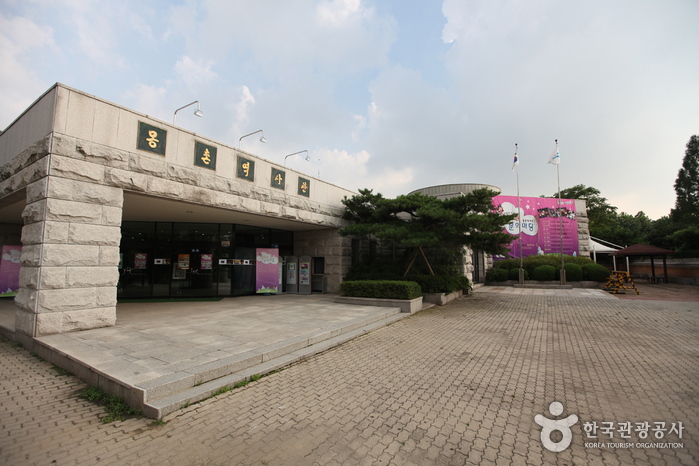
Mongchon Museum of History (몽촌역사관)
7.3Km 2021-08-13
424, Olympic-ro, Songpa-gu, Seoul
+82-2-2152-5900
The Mongchon Museum of History, located within Olympic Park, displays artifacts from the excavations of Mongchontoseong Fortress, such as earthen fortifications as well as other artifacts of the Baekje Kingdom period, offering a glimpse into Baekje culture. A model of a Baekje dugout hut site reveals ancient dwelling patterns. Also, the facility displays a perfectly preserved model of ancient houses and tombs, giving visitors the feel of traveling back to prehistoric ages.
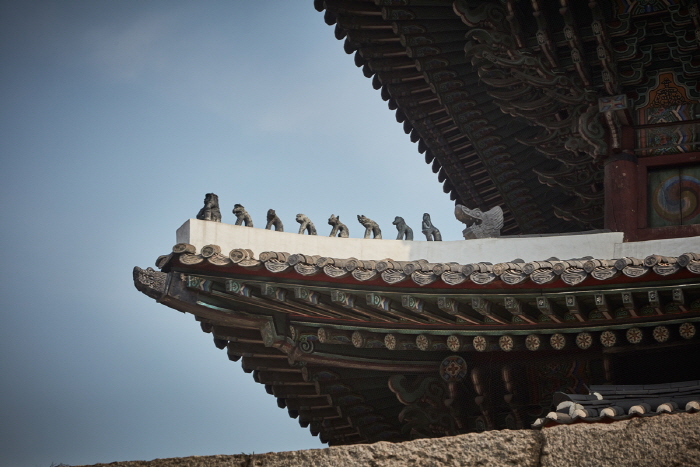
Heunginjimun Gate - Dongdaemun Gate (흥인지문)
7.3Km 2025-10-23
288, Jong-ro, Jongno-gu, Seoul
+82-2-2148-1842
Heunginjimun Gate was built to protect Hanseongbu, which historically housed essential government facilities. Heunginjimun Gate was the gate on the east side of the outer wall of Seoul Fortress among eight gates. It is referred to as Dongdaemun Gate as well. The gate was constructed during King Taejo’s 5th year in 1396, remodeled during the reign of King Danjong in 1453, and was newly built in 1869 during the sixth year of King Gojong’s reign in 1869.
The gate features a hipped roof with five front and two side compartments on a two-storied building. The thin and weak bracket system supports the eaves and is excessively decorated, reflecting the construction features of the late Joseon period. Also, outside of the fortress is the half-circle-shaped Ongseong, a small wall, to protect the gate.
One of the unique factors of Heunginjimun Gate is that it is the only gate among Seoul’s eight to have Ongseong, further exhibiting the style of construction used during the late Joseon period.
![KGC - Dongmyo Branch [Tax Refund Shop] (KGC 동묘점)](http://tong.visitkorea.or.kr/cms/resource/91/2878191_image2_1.jpg)
![Louis Bon - Myeong-dong Branch [Tax Refund Shop] (루이본 명동)](http://tong.visitkorea.or.kr/cms/resource/50/2889050_image2_1.jpg)
Louis Bon - Myeong-dong Branch [Tax Refund Shop] (루이본 명동)
7.3Km 2024-04-22
#101, 37, Toegye-ro 20-gil, Jung-gu, Seoul
-
![Olive Young - Dongmyo Station Branch [Tax Refund Shop] (올리브영 동묘앞역)](http://tong.visitkorea.or.kr/cms/resource/87/2878187_image2_1.jpg)
Olive Young - Dongmyo Station Branch [Tax Refund Shop] (올리브영 동묘앞역)
7.3Km 2024-04-17
37-1, Jibong-ro, Jongno-gu, Seoul
-
 English
 한국어
한국어 日本語
日本語 中文(简体)
 Deutsch
 Français
 Español
 Русский


