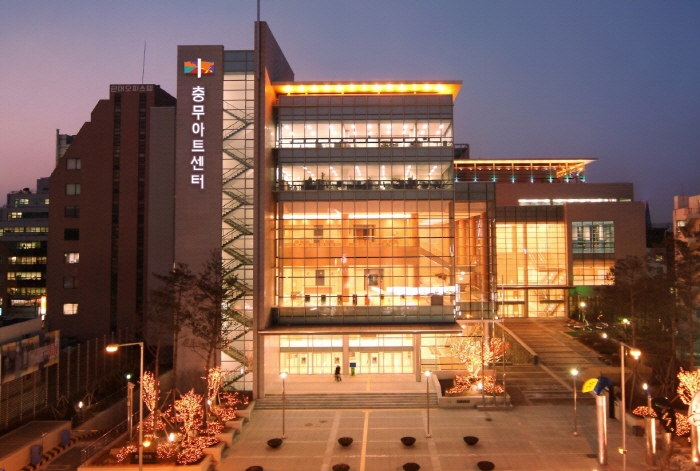
Chungmu Arts Center (충무아트센터)
6.3Km 2024-03-06
387, Toegye-ro, Jung-gu, Seoul
+82-2-2230-6600
Chungmu Arts Center is a complex cultural facility with an optimal conditions for watching performances. It has a large theater, a medium theater (black), and a small theater (blue). It also boasts great galleries, studios, and a swimming pool, attracting numerous visitors. In addition, one can enjoy performances of various genres, including classical music, plays, musicals, and concerts. Located close to Dongdaemun, it has good accessibility.
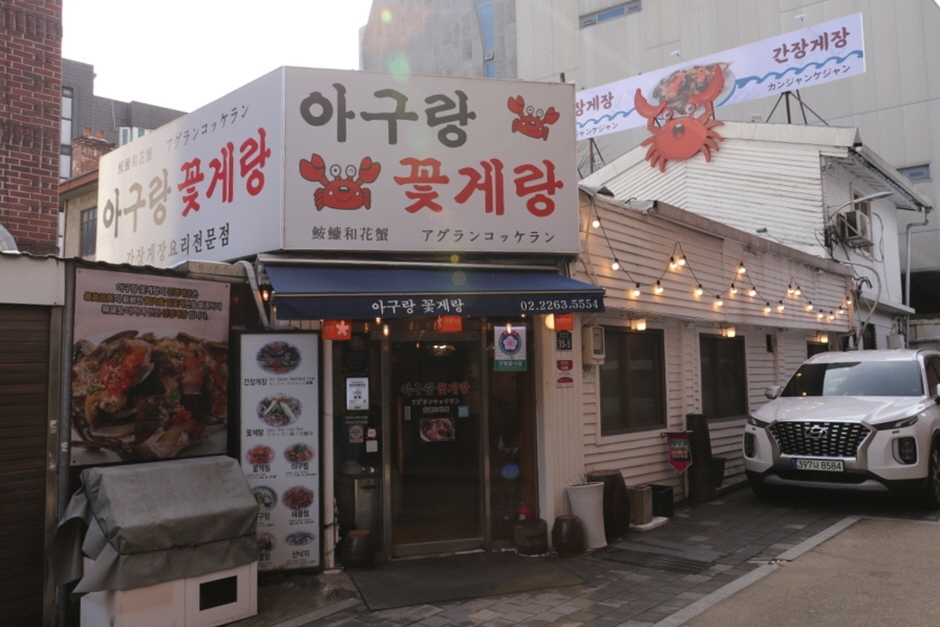
Agurang Kkotgerang (아구랑꽃게랑)
6.4Km 2024-03-08
35-7, Dongho-ro 24-gil, Jung-gu, Seoul
+82-2-2263-5554
This is a seafood restaurant specializing in Ganjanggejang (Soy sauce marinated crab). The crab is plump and seasoned to perfection, making it an excellent accompaniment to steamed rice. The restaurant’s Gulgukbap (Oyster and rice soup), a winter favorite, is enhanced with seaweed fulvescens, which is rich in vitamins and iron, making it beneficial for those suffering from anemia. Side dishes include Cheongpomukmuchim (Mung bean jelly salad), Kimchi, and Kongnamulmuchim (Bean sprout salad). Another popular item on the menu is the spicy Agutang (Monkfish soup), filled with springy monkfish.

Song Won (송원)
6.4Km 2024-03-15
35-4 Dongho-ro 24-gil, Jung-gu, Seoul
+82-2-2275-3118
Song won is a Korean restaurant located in Jangchung-dong Gourmand Alley. They specialize in high-quality Korean beef barbecue such as bulgogi and galbi, seasoned with a variety of 20 different natural ingredients. Additionally, they offer traditional Korean dishes like hot stone pot rice and noodles. Across the street, visitors can find Jangchung-dong Jokbal Street, and both Jangchungdan Park and Jangchung Gymnasium are within walking distance.
![Heolleung and Illeung Royal Tombs [UNESCO World Heritage] (서울 헌릉(태종,원경왕후)과 인릉(순조,순원왕후) [유네스코 세계문화유산])](http://tong.visitkorea.or.kr/cms/resource/42/1985242_image2_1.jpg)
Heolleung and Illeung Royal Tombs [UNESCO World Heritage] (서울 헌릉(태종,원경왕후)과 인릉(순조,순원왕후) [유네스코 세계문화유산])
6.4Km 2021-07-24
36-10, Heonilleung-gil, Seocho-gu, Seoul
+82-2-445-0347
Heolleung and Illeung Royal Tombs house the mounds for two kings of the Joseon dynasty (1392-1910) and their wives: King Taejong (1401-1418) and Queen Wongyeong, along with King Sunjo (1800-1834) and Queen Sunwon. Together, the tombs are referred to as Heonilleung Royal Tomb. The site possesses numerous stone statues and vestiges, and is a good place to experience the culture of the Joseon dynasty.
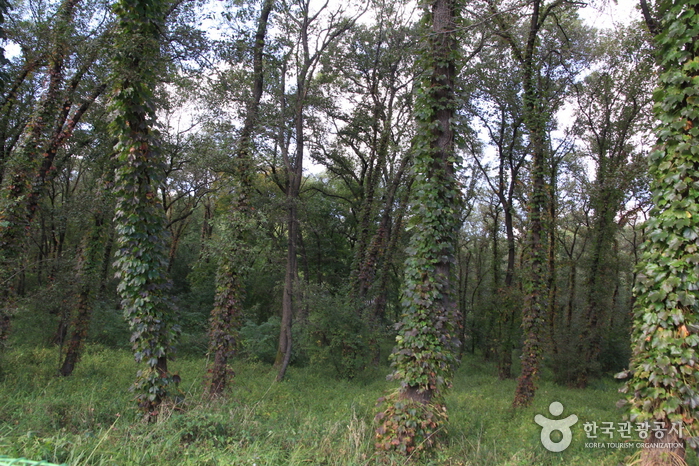
Heoninneung Royal Tombs Ecological Preservation Area (Alder Tree Forests) (헌인릉 생태경관보전지역(오리나무림))
6.4Km 2021-12-11
34, Heonilleung-gil, Seocho-gu, Seoul
+82-2-445-0347
Heonninneung Royal Tombs Ecological Preservation Area is home to alder tree forests. It was officially designated as an ecological preservation area by the Seoul Metropolitan Government in 2005.
Seoul Baekje Museum (한성백제박물관)
6.4Km 2021-03-11
71, Wiryeseong-daero, Songpa-gu, Seoul
+82-2-2152-5800
Opened on April 30, 2012, Seoul Baekje Museum was founded by the Seoul Metropolitan Government in order to preserve artifacts related to Seoul's 2,000-year-old history and to shed light on Seoul's cultural identity. The museum is located inside Olympic Park, overlooking Mongchontoseong Fortress.
![Sujeong Pharmacy [Tax Refund Shop] (수정약국)](http://tong.visitkorea.or.kr/cms/resource/57/2878757_image2_1.jpg)
Sujeong Pharmacy [Tax Refund Shop] (수정약국)
6.4Km 2024-04-22
1F, 195, Jangchungdan-ro, Jung-gu, Seoul
-
![Queens Bucket - Dongdaemun Branch [Tax Refund Shop] (쿠엔즈버킷 동대문)](http://tong.visitkorea.or.kr/cms/resource/47/2878747_image2_1.jpg)
Queens Bucket - Dongdaemun Branch [Tax Refund Shop] (쿠엔즈버킷 동대문)
6.5Km 2024-04-18
5-4, Toegye-ro 64-gil, Jung-gu, Seoul
-
Ebookers Korea Inc. ((주)이부커스코리아)
6.5Km 2025-10-23
(2nd Floor), 212 Jangchungdan-ro, Jung-gu, Seoul
We strive for a special kind of tourism that combines wellness tourism (healing) and medical tourism (treatment).
We are a Korean wellness and medical tourism company leading the country’s safe and healthy travel culture.
* Products and Services
Wellness medical tourism programs that uniquely combine wellness and medical tourism
Referral and reservation service for selected wellness destinations and Korean hospitals with excellent medical technology
Guidance services provided at local partner companies
Content creation and reservation based on our personalized service system
Convenient tourism programs catering to each patient's health conditions
Medical tourism visa application and referral services on C33VISA site
* A medical tourism product brand
Medi Well Come products: Health checkup / general practice (minor / major / female / preventive / eye problems)
![CheongKwanJang - Jangan Branch [Tax Refund Shop] (정관장 장안)](http://tong.visitkorea.or.kr/cms/resource/35/2889535_image2_1.jpg)
CheongKwanJang - Jangan Branch [Tax Refund Shop] (정관장 장안)
6.5Km 2024-04-18
120, Janghan-ro, Dongdaemun-gu, Seoul
-
 English
 한국어
한국어 日本語
日本語 中文(简体)
 Deutsch
 Français
 Español
 Русский


