Seoul Bangidong Ancient Tombs (서울 방이동 고분군)
5.4Km 2022-12-29
219, Ogeum-ro, Songpa-gu, Seoul
+82-2-2147-2800
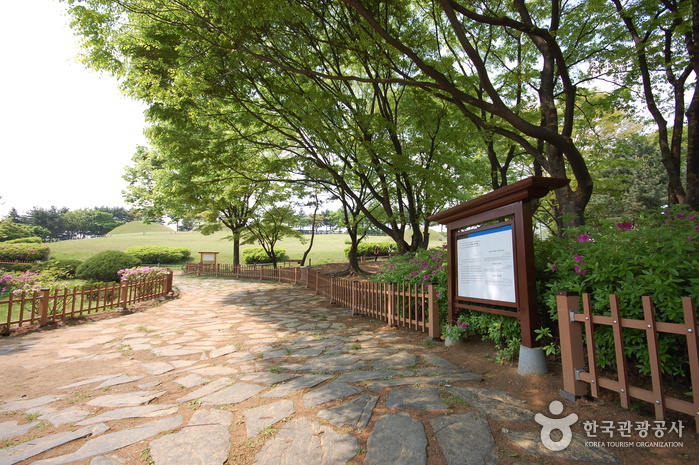
The ancient tombs in Bangi-dong were discovered during the land readjustment project of Jamsil-jigu District in 1975. A total of eight ancient tombs were excavated until 1976, and the site was restored into a park in 1983. The Bangi-dong area was originally a low line of hills with an altitude of 30-50 meters above sea level, but it has been made into flatland for urban development purposes. Tomb numbers 1 to 6 lie on the same hill, while tomb no. 7 and 8 are located on another hill a short distance away.
All eight tombs have circular burial mounds. The insides of the a tomb feature a square or rectangular-shaped burial chamber with earthen ground and stone walls, and a passage leading from the tomb entrance to the chamber. However, details of the burial chambers vary by tomb. Most of the tombs had been robbed before the investigation, but a few relics such as plates and pots have been excavated. At the time of excavation, the relics were presumed to have come from the Baekje dynasty (18 BC-660 AD), but it is now estimated that they date back to the Unified Silla Period (676-935 AD).
Heoninneung Royal Tombs Ecological Preservation Area (Alder Tree Forests) (헌인릉 생태경관보전지역(오리나무림))
5.5Km 2021-12-11
34, Heonilleung-gil, Seocho-gu, Seoul
+82-2-445-0347
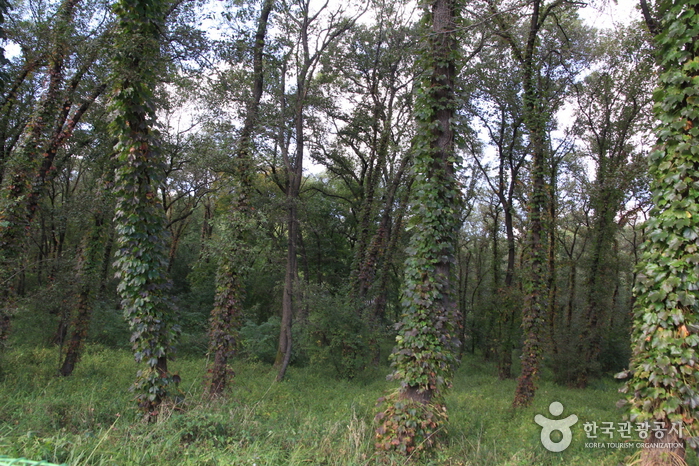
Heonninneung Royal Tombs Ecological Preservation Area is home to alder tree forests. It was officially designated as an ecological preservation area by the Seoul Metropolitan Government in 2005.

Some Sevit (세빛섬)
5.5Km 2022-12-16
2085-14, Olympic-daero, Seocho-gu, Seoul
+82-1566-3433
Some Sevit is a culture complex made up of three man-made floating islands near the southern end of Banpo Bridge. The islands were created with the theme of "flowers of the Hangang River" and represent the view, life, and the earth, as well as a flower in various stages of life. The largest island, 'Some Gavit' symbolizes the view and takes the form of a flower in full bloom. It is a multi-functional cultural facility that can be used as a venue for performances, international conferences, exhibitions, and more. The second island, 'Some Chavit' looks like a flower bud, an image of life. A range of cultural experiences and event zones including Beat Square, Youth Woods, and restaurants using 3D to bring themes to life are located here. The third and smallest island, 'Some Solvit' takes the form of a seed planted in the earth. This island has water sports facilities and an outdoor garden from which you may enjoy the picturesque scenery of the Hangang River. Around the floating islands are LED lights that create a fantastic night view under the theme of "a gleaming light in the mist."
National Gugak Museum (국립국악박물관)
5.5Km 2021-08-13
2364, Nambusunhwan-ro, Seocho-gu, Seoul
+82-2-580-3130
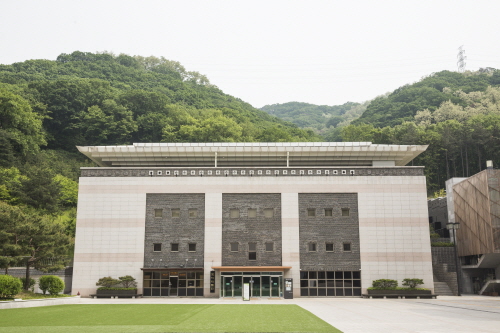
The National Gugak Museum opened on February 23, 1995 as the first gugak museum in Korea, featuring approximately 6,000 pieces of gugak-related materials and relics which have both historical and cultural value. It is comprised of seven themed permanent exhibition halls that present 250 pieces of audio and video clips regarding gugak. In the 3D room, visitors can enjoy 3D animation at all times. The museum also hosts special exhibitions in unique and interesting themes.
National Gugak Center (국립국악원)
5.5Km 2025-01-17
2364 Nambusunhwan-ro, Seocho-gu, Seoul
The National Gugak Center is the governing body established to preserve and promote traditional Korean performing arts. The center can accommodate every type of traditional performing arts, such as palace music, court music, and all other genres including major productions of changgeuk (Korean musical drama). Originally opened in Busan in 1951, the center moved to its current location in Seoul in 1987. The center also opened branch locations in Namwon, Jindo, and Busan in 1992, 2004, and 2008 respectively.
Seoul Upcycling Plaza (서울새활용플라자)
5.5Km 2024-01-05
49 Jadongchasijang-gil, Seongdong-gu, Seoul
Saehwaryong is a Korean term for upcycling, a process of redesigning or recycling discarded resources or materials to give them a new value or purpose. Seoul Upcycling Plaza operates upcycling-related exhibitions, upcycling practice education and experience programs, design studios, upcycling stores, workshops, and more. It is a great place to look around for ideas and inspirations on how to use products for longer periods of time. The plaza demonstrates the first step to creating a resource-recycling society.
![Olive Young - Achasan Station Branch [Tax Refund Shop] (올리브영 아차산역)](http://tong.visitkorea.or.kr/cms/resource/90/2878790_image2_1.jpg)
Olive Young - Achasan Station Branch [Tax Refund Shop] (올리브영 아차산역)
5.6Km 2024-04-18
1F, #104, #110, and #111, 671, Cheonho-daero, Gwangjin-gu, Seoul
-
Heidi Haus (하이디하우스)
5.6Km 2025-09-24
11, Seongchon 4-gil, Seocho-gu, Seoul
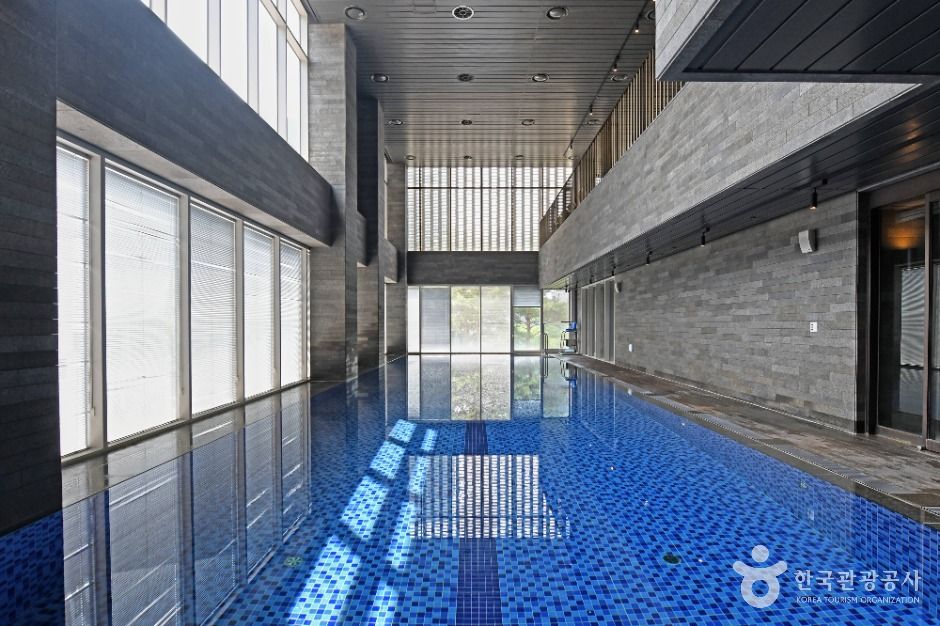
Heidi Haus is a private club that offers a premium wellness and lifestyle in the heart of the city. Its customized programs are designed not only for restoring health but also for achieving peace of mind. With a spa using natural bedrock water, a state-of-the-art fitness center, and restaurants and cafés that guarantee comfortable relaxation, Heidi Haus provides everything for a well-balanced life. The highlight is its spa, themed around 12 motifs such as rose, lavender, and beauty. It uses mineral-rich bedrock water drawn from 1,000 meters underground, which is known to help with skin hydration, blood circulation, fatigue recovery, and immunity strengthening. The spa also features a sauna zone with five distinct styles, including far-infrared, steam, and Finnish saunas.
![Olive Young - Gunja Station Branch [Tax Refund Shop] (올리브영 군자역)](http://tong.visitkorea.or.kr/cms/resource/96/2878796_image2_1.jpg)
Olive Young - Gunja Station Branch [Tax Refund Shop] (올리브영 군자역)
5.7Km 2024-04-23
548, Cheonho-daero, Gwangjin-gu, Seoul
-
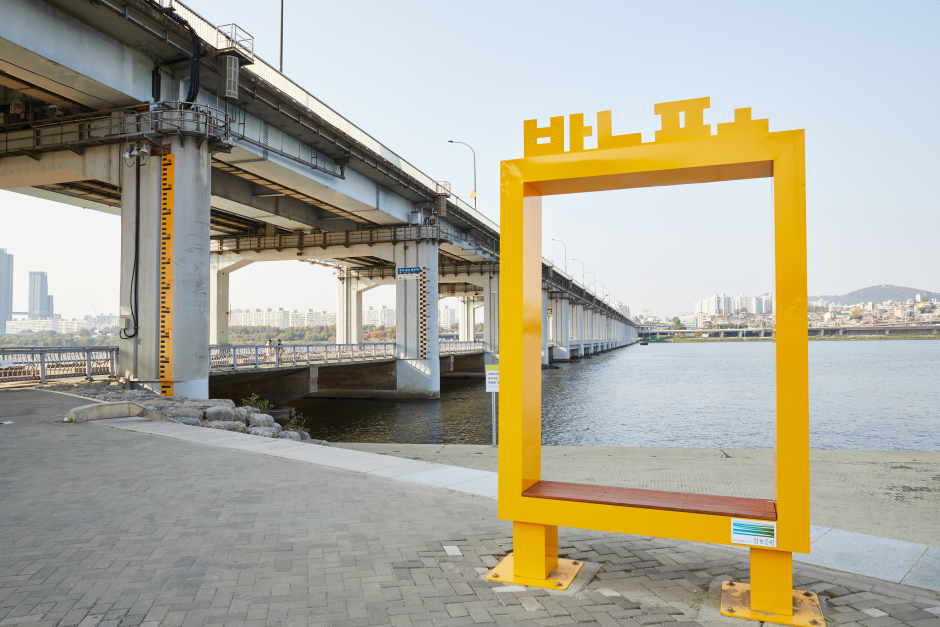
Banpo Hangang Park (반포한강공원)
5.7Km 2025-10-23
40 Sinbanpo-ro 11-gil, Seocho-gu, Seoul
+82-2-3780-0541
Banpo Hangang Park is located on the southern side of the river centering on Banpo Bridge (Jamsu Bridge) between Hamnam Bridge (upstream) and Dongjak Bridge (downstream). The Rainbow Fountain built on both sides of Banpo Bridge was registered in The Guinness Book of Records in 2008 as the longest bridge fountain in the world with a total length of 1,140 meters. At night, over 200 lights create a fantastic view of a beautiful rainbow.
In addition, the park is equipped with sports facilities including bubble playground, in-line skating track, soccer field, and basketball court. You may also enjoy the gorgeous view of Hangang River and skyscrapers on the riverside from Gureum and Noeul cafes, lookout places located on the southernmost part of Dongjak Bridge.
Seoraeseom Island which connects from Banpo Hangang River Park is an artificially created island to provide a leisure space for Seoul urbanites. Every spring, the place is flooded with waves of canola flowers and people to enjoy picnic and spring events like ‘Searaeseom Butterfly, Canola Flower Festival’.
Your joyful experience in the park doesn’t end here - there are more things to see and enjoy including a nature experience field, boat quay, bike lane, and picnic spots.
 English
 한국어
한국어 日本語
日本語 中文(简体)
 Deutsch
 Français
 Español
 Русский


