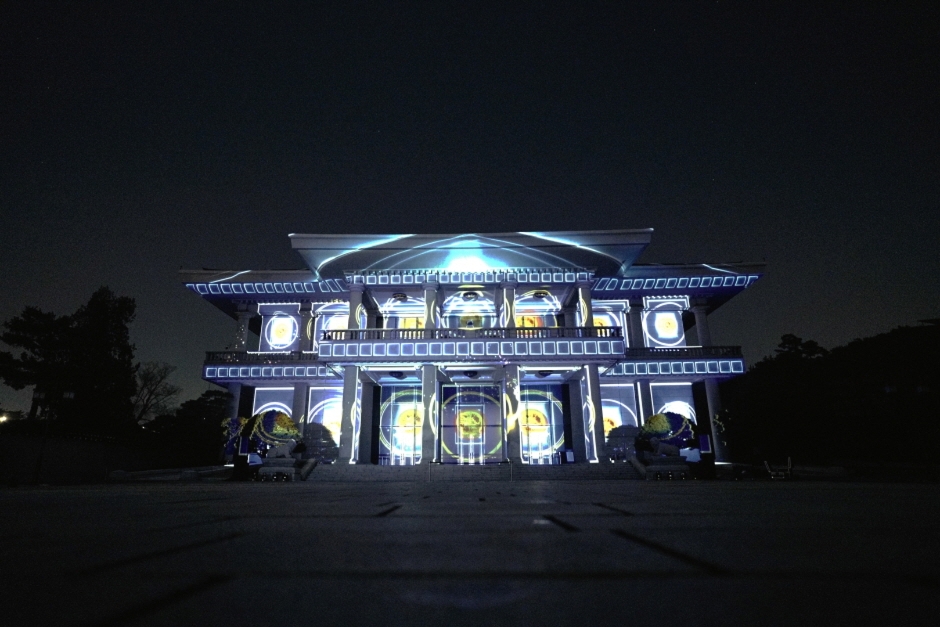
Cheong Wa Dae Media Display (청와대 국민과 함께 영상전시)
7.8Km 2025-08-20
1 Cheongwadae-ro, Jongno-gu, Seoul
박주원 학예연구사 02-3771-8636
Cheong Wa Dae Media Display brightens the night through a media facade display on Yeongbingwan Hall. The display shows the history of Cheong Wa Dae through the theme "Twelve Lights".
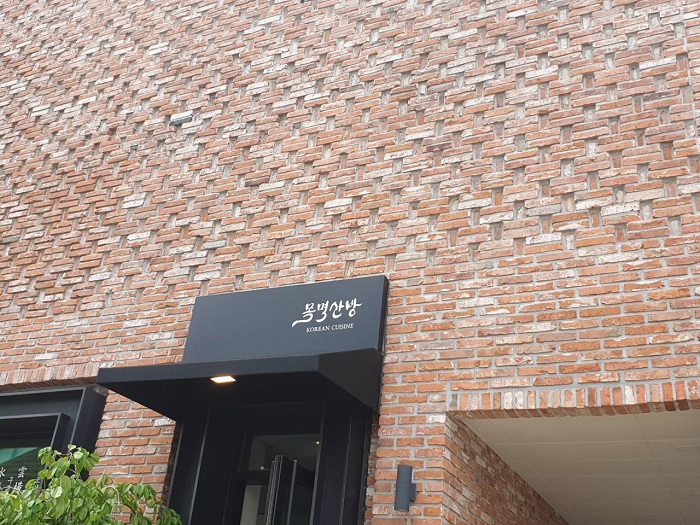
Mongmyeoksanbang (목멱산방)
7.8Km 2024-03-07
71, Toegye-ro, 20-gil, Jung-gu, Seoul
+82-2-318-4790
Situated near Namsan Mountain, Mongmyeoksanbang specializes in bibimbap. Mongmyeok is the ancient name of Namsan Mountain. Bibimbap is a bowl of rice tossed with various vegetables, meat, sesame oil, and red chili paste, making it a nutritionally balanced dish. Their dishes are made with natural seasonings and seasonal herbs gathered from Jirisan Mountain. The soybean pasete and soy sauce are also handmade, and perilla oil and sesame oil are 99.9% natural, without artificial ingredients.
![Homeplus Stores - Banghak Branch [Tax Refund Shop] (홈플러스스토어즈 방학)](http://tong.visitkorea.or.kr/cms/resource/14/2878114_image2_1.jpg)
Homeplus Stores - Banghak Branch [Tax Refund Shop] (홈플러스스토어즈 방학)
7.8Km 2024-04-22
678, Dobong-ro, Dobong-gu, Seoul
-
![Uniqlo - Gwanghwamun D Tower Branch [Tax Refund Shop] (유니클로 광화문D타워)](http://tong.visitkorea.or.kr/cms/resource/15/2878215_image2_1.jpg)
Uniqlo - Gwanghwamun D Tower Branch [Tax Refund Shop] (유니클로 광화문D타워)
7.8Km 2024-04-17
17, Jong-ro 3-gil, Jongno-gu, Seoul
-
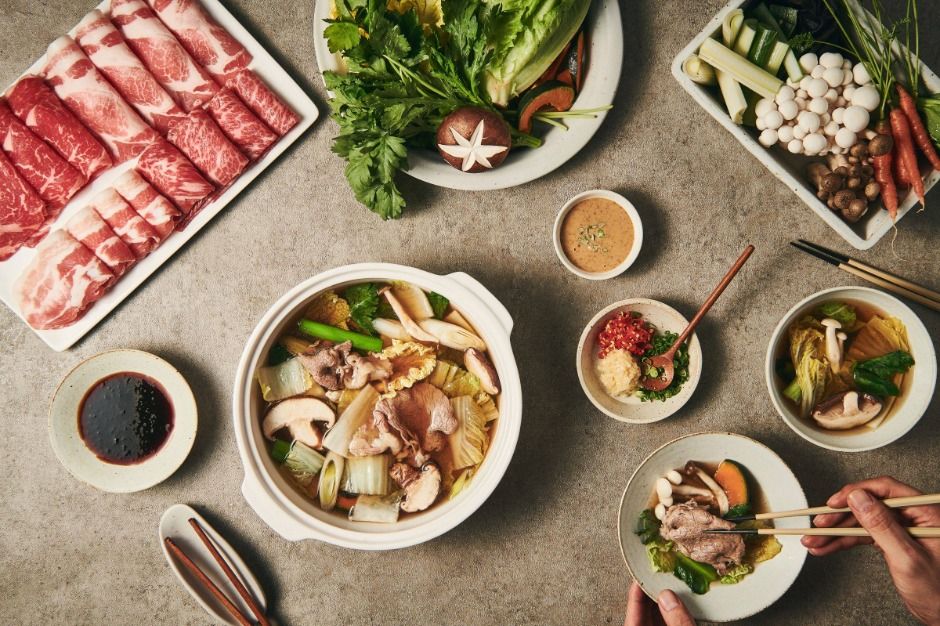
Modern Shabu House Gwanghwamun D Tower Branch (모던샤브하우스 광화문D타워점)
7.8Km 2025-12-02
17 Jong-ro 3-gil, Jongno-gu, Seoul
Located in Jongno-gu, Modern Shabu House Gwanghwamun D Tower Branch offers a selection of specialty broths to enjoy unlimited beef, pork, and vegetables. The restaurant serves four cuts of pork and beef in every course. The interior is designed with natural materials like earth, stone, and wood, inspired by the fluid process of cooking ingredients like meat and vegetables in a pot. The design reflects the natural movement and flow of ingredients as they cook together. The restaurant also has a range of private rooms, making it a popular choice for families with children and for gatherings, providing a comfortable dining experience.
![Olens - Apgujeong Rodeo Branch [Tax Refund Shop] (오렌즈 압구정로데오)](http://tong.visitkorea.or.kr/cms/resource/30/2879530_image2_1.jpg)
Olens - Apgujeong Rodeo Branch [Tax Refund Shop] (오렌즈 압구정로데오)
7.9Km 2024-04-18
1F, 11, Apgujeong-ro 50-gil, Gangnam-gu, Seoul
-
![Louis Bon - Myeong-dong Branch [Tax Refund Shop] (루이본 명동)](http://tong.visitkorea.or.kr/cms/resource/50/2889050_image2_1.jpg)
Louis Bon - Myeong-dong Branch [Tax Refund Shop] (루이본 명동)
7.9Km 2024-04-22
#101, 37, Toegye-ro 20-gil, Jung-gu, Seoul
-
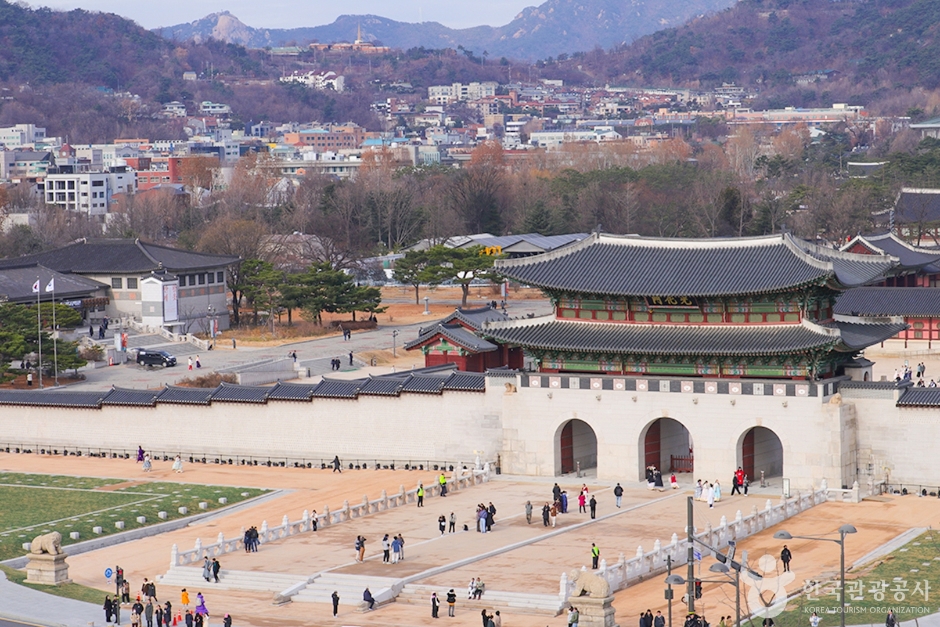
Gwanghwamun Gate (광화문)
7.9Km 2024-12-04
161 Sajik-ro, Jongno-gu, Seoul
+82-2-3700-3900
Built in 1395 under the reign of King Taejo, the first king of the Joseon dynasty, Gwanghwamun Gate is the southern gate of Gyeongbokgung Palace. It is also the main gate of the palace, therefore larger and fancier in comparison to the other gates. Gwanghwamun Gate consists of three arched gates; the center gate was used by the king, while the other two were used by the crown prince and royal officials. The tall granite walls of the gate serve as a platform for the wooden gate tower that watches over the city. The gate has a sign with its name written at the top center of the gate tower.
Gwanghwamun Gate went through several damages and restorations over the course of history. It was first severely damaged during the Imjin War (1592-1598) and was not restored until the reconstruction of Gyeongbokgung Palace in 1864. Under the Japanese administration, the gate was demolished and relocated to the north of the palace's eastern gate, followed by series of damages during the Korean War (1950-1953). In 1968, Gwanghwamun Gate was relocated back to the south of the palace and was rebuilt using concrete; however, the gate’s position was shifted a few meters away from its original location. In 2006, a major reconstruction project took place to restore Gwanghwamun Gate to its original state and location, disassembling the structure completely and replacing concrete with granite and wood. After three years and eight months of construction, Gwanghwamun Gate was fully restored to its original form and was open to the public on August 15, 2010.
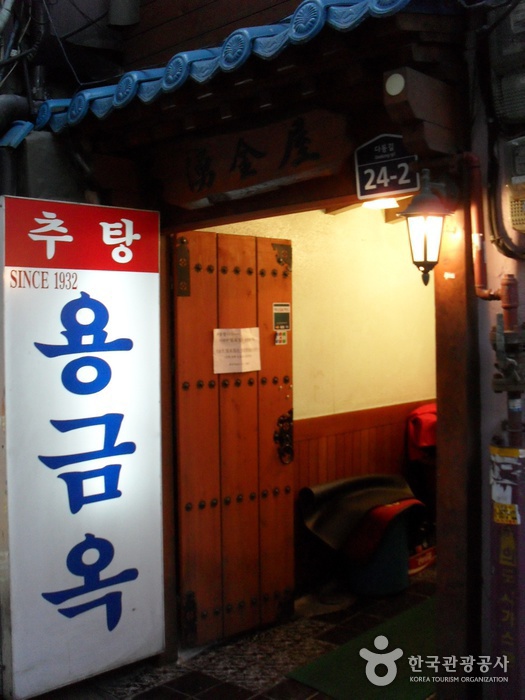
Yonggeumok (용금옥)
7.9Km 2024-03-13
24-2, Dadong-gil, Jung-gu, Seoul
+82-2-777-1689
Established in 1932, Yonggeumok specializes in Seoul-style chutang (loach soup), renowned for using whole loach in its preparation. This method distinguishes it from the more commonly known Namwon-style chutang, which involves grinding the loach. At Yonggeumok, guests can savor the tender and savory texture of the loach flesh in their chutang, offering a unique and authentic dining experience.

Suitsupply - Cheongdam Branch [Tax Refund Shop] (수트서플라이 청담점)
7.9Km 2024-04-18
49, Seolleung-ro 162-gil, Gangnam-gu, Seoul
-
 English
 한국어
한국어 日本語
日本語 中文(简体)
 Deutsch
 Français
 Español
 Русский


