
Lee Ri-Ja Hanbok Museum (이리자 한복전시관)
14.6Km 2022-08-08
20, Samcheong-ro, Jongno-gu, Seoul
+82-2-734-9477
The Lee Ri-Ja Hanbok Museum displays the traditional clothing worn in Korea from birth to death. All hanbok displayed at the museum are created by the hanbok designer Lee Ri-Ja herself, who has over 40 years of experience.
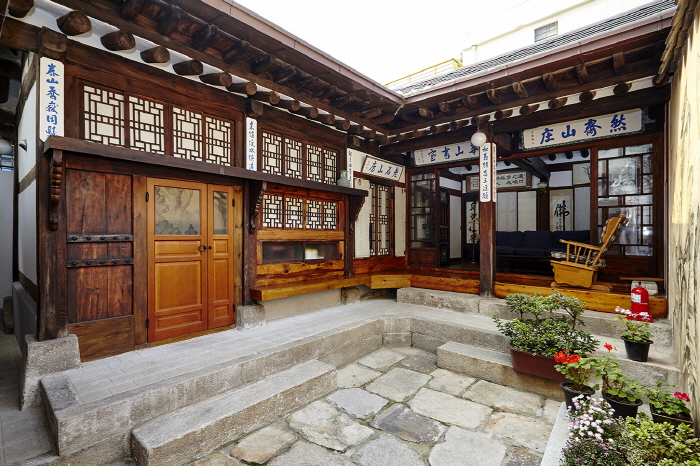
Sieunjae (시은재)
14.6Km 2024-12-23
439 , Samil-daero, Jongno-gu, Seoul
+82-10-5355-3029
Sieunjae is a hanok stay that has stood in the midst of busy Gyeongun-dong, Jongno-gu, Seoul, for generations. The guestrooms comprise an anbang (bedroom plus living room), three smaller rooms, and a byeolchae or detached house. All rooms have a toilet, and there’s a well-equipped shared kitchen and a washing machine. Guests can either rent individual rooms or the whole hanok. Jongno is convenient for travel to all the historic sites of Seoul, and there’s a public carpark nearby.
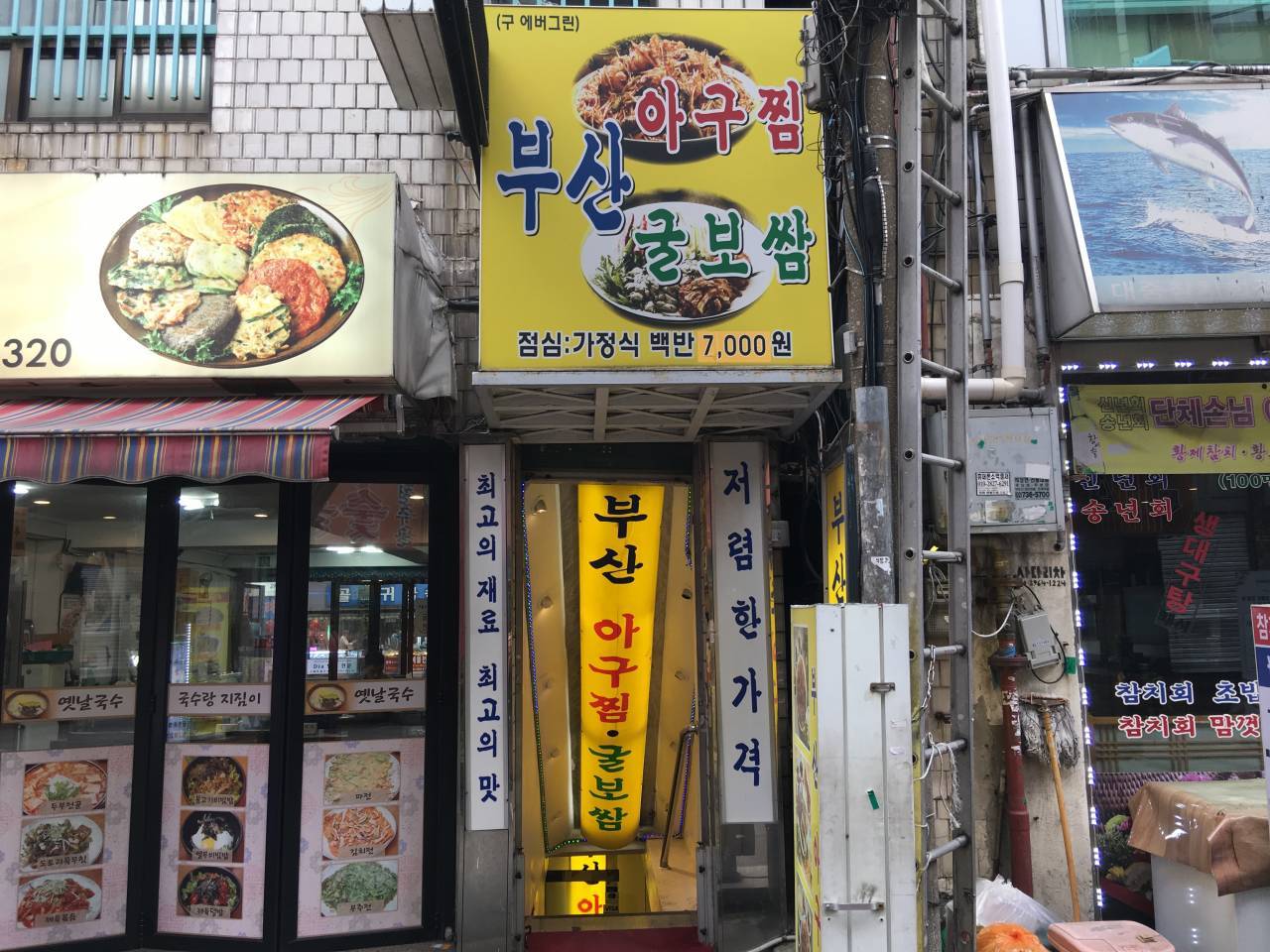
Busan Agujjim Gulbossam (부산아구찜굴보쌈)
14.6Km 2024-10-15
서울특별시 종로구 돈화문로 35
+82-2-764-2373
This is a Korean cuisine located in Jongno, Seoul. The best menu at this restaurant is spicy braised monkfish. Stewed monkfish is a spicy seafood dish made of fish and vegetables.
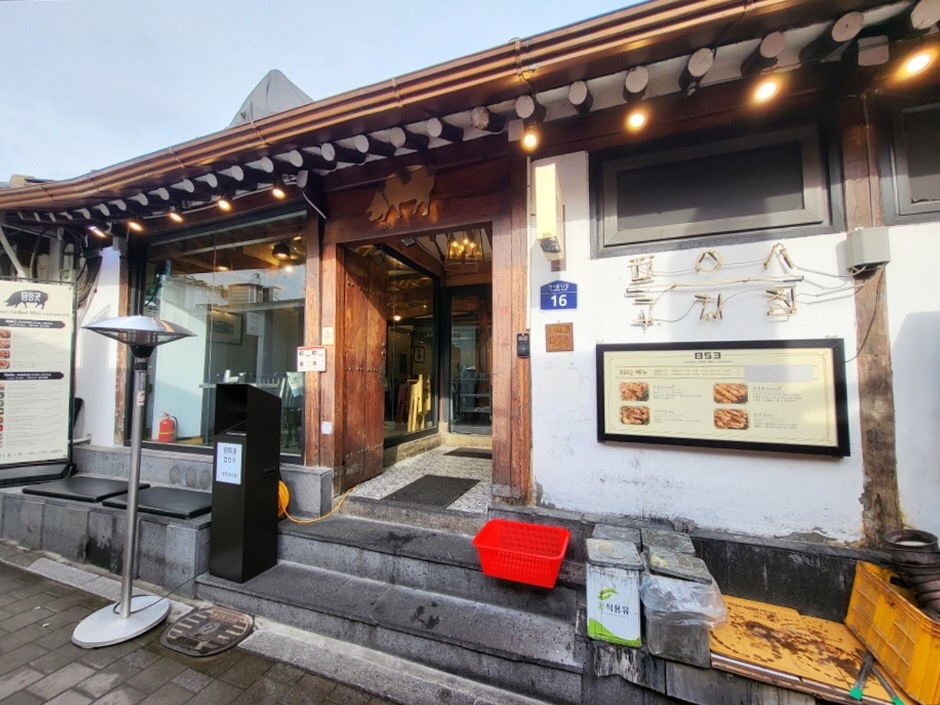
853 (팔오삼)
14.6Km 2024-03-15
16 Insadong 12-gil, Jongno-gu, Seoul
+82-70-8832-0853
853 is a pork barbecue restaurant located in a renovated hanokin Insa-dong, offering various cuts of pork such as shoulder, belly, blade-end fatback, and pork neck. They use thick cuts of domestically sourced pork and grill them to perfection, ensuring they are juicy and flavorful. Customers can enjoy dipping their meat in one of four sauces: Himalayan rock salt, mustard seeds and wasabi, salted cutlassfish intestines, and barley mixed paste. Their flying fish roe riceball mixed with pickled radish salad, burdock root, flying fish roe, perilla leaves, and mayonnaise pairs perfectly with the meat.
![Olive Mart [Tax Refund Shop] (올리브마트)](http://tong.visitkorea.or.kr/cms/resource/76/2878676_image2_1.jpg)
![Olive Mart [Tax Refund Shop] (주식회사 올리브마트)](http://tong.visitkorea.or.kr/cms/resource/77/2878677_image2_1.jpg)
Olive Mart [Tax Refund Shop] (주식회사 올리브마트)
14.6Km 2024-04-16
1F, 229-3, Jangchungdan-ro, Jung-gu, Seoul
-
Vegetarian Restaurant Osegyehyang (채식요리전문점 오세계향)
14.6Km 2024-03-18
14-5 Insadong 12-gil, Jongno-gu, Seoul
+82-2-735-7171
Osegyehyang is a vegetarian restaurant located in Insa-dong. It specializes in vegetarian cuisine, offering a variety of dishes including noodles, traditional Korean dishes, and specialty items. Some of its popular dishes include maesil tangsuchae (vegan deep-fried pork with sweet and sour sauce), pyogobeoseotmari (rolled shiitake mushrooms), vegan yangnyeom chicken (vegan seasoned fried chicken), tteokbokki, jjajangmyeon (black bean sauce noodles), jjamppong (spicy seafood noodle soup), vegan steak, and bulgui ttukbaegi (vegan bulgogi), all prepared without meat but still delicious.
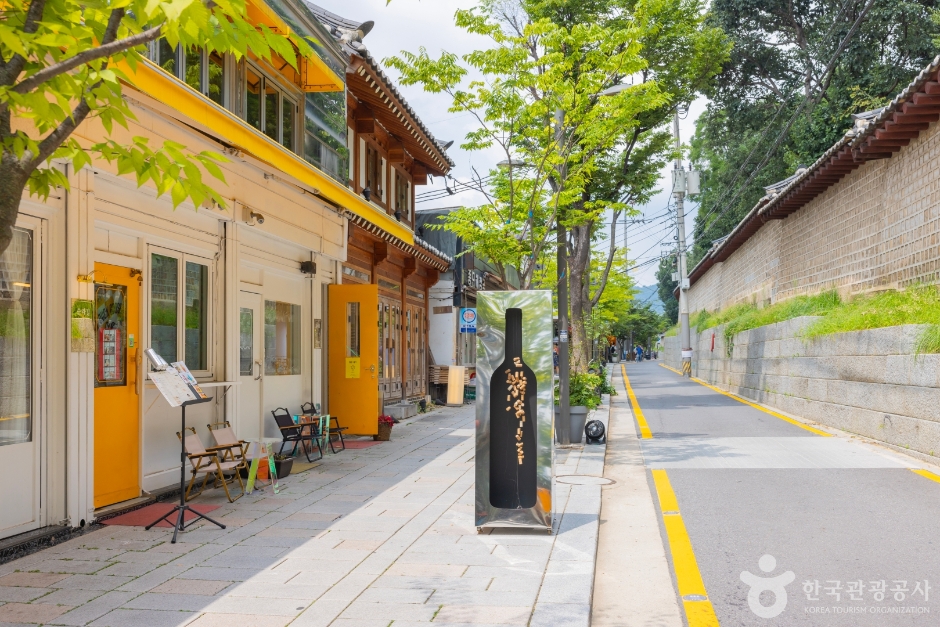
Seosulla-gil Road (서순라길)
14.6Km 2024-10-14
150-3 Jong-ro, Jongno-gu, Seoul
Seosulla-gil Road is a road that was used by the nightguards during the Joseon dynasty. The road is on the west of Jongmyo Shrine with various attractions nearby including Ikseon-dong, Insa-dong, Bukchon, and Samcheong-dong, as well as restaurants, cafes, and handicraft workshops. The road is also a beautiful date course with flowers in spring and fall foliage in autumn..
Happy Jewerly [Tax Refund Shop] (해피쥬얼리)
14.6Km 2024-06-27
1F, #21, 26, Donhwamun-ro, Jongno-gu, Seoul
-
Gwanghuimun Gate (광희문)
14.6Km 2021-02-24
344, Toegye-ro, Jung-gu, Seoul
+82-2-3700-3900
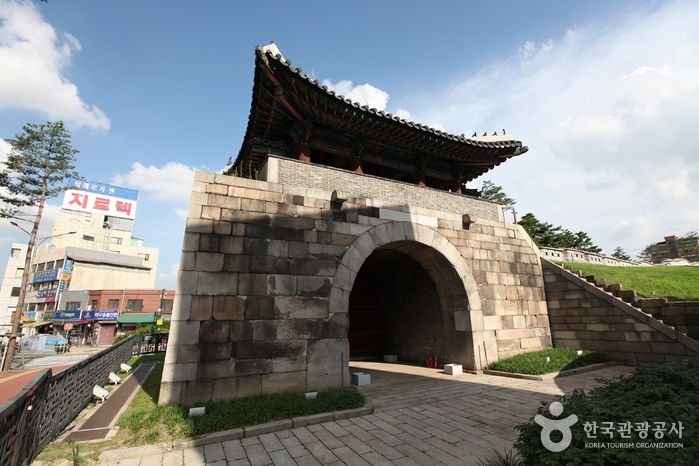
Gwanghuimun Gate is said to have been originally constructed in 1396, the 5th year of King Taejo, at the southeast of the capital city. It was often referred to as Sugumun Gate (water channel gate) and was actually used as a Sigumun, literally meaning “corpse gate,” as funeral processions passed through this gate when exiting to the east.
During the Imjin War (1592-1598), the fortress gate was destroyed to such a degree that it made finding the original location close to impossible. Nevertheless, reconstruction efforts were started in 1711 (37th year of King Sukjong) and the gate was restored together with the gate's watchtower. Gwanghuimun Gate remained intact even when the fortress walls were demolished to build tram tracks during the Japanese occupation, but it was later damaged during the Korean War and left neglected. In 1975, restoration work was carried out to relocate Gwanghuimun Gate to a site 15 meters south of its original location since it stood in the middle of the road.
 English
 한국어
한국어 日本語
日本語 中文(简体)
 Deutsch
 Français
 Español
 Русский


