![Himart - Sadang Branch [Tax Refund Shop] (하이마트 사당점)](http://tong.visitkorea.or.kr/cms/resource/28/2880028_image2_1.jpg)
Himart - Sadang Branch [Tax Refund Shop] (하이마트 사당점)
10.3Km 2024-04-18
77, Dongjak-daero, Dongjak-gu, Seoul
-

East Nine Royal Tombs [UNESCO World Heritage] (구리 동구릉 [유네스코 세계문화유산])
10.4Km 2024-03-20
197 Donggureung-ro, Guri-si, Gyeonggi-do
+82-31-563-2909
The East Nine Royal Tombs, situated on the eastern outskirts of Hanyang (the Joseon dynasty capital), represent a significant collection of nine royal burial sites. This area serves as the final resting place for seven kings and ten queens from the Joseon era. The surrounding forest paths are accessible to the public during the spring and fall seasons. Additionally, the East Nine Royal Tombs Healing Culture and Arts Festival takes place here every autumn, offering a blend of cultural and artistic experiences.
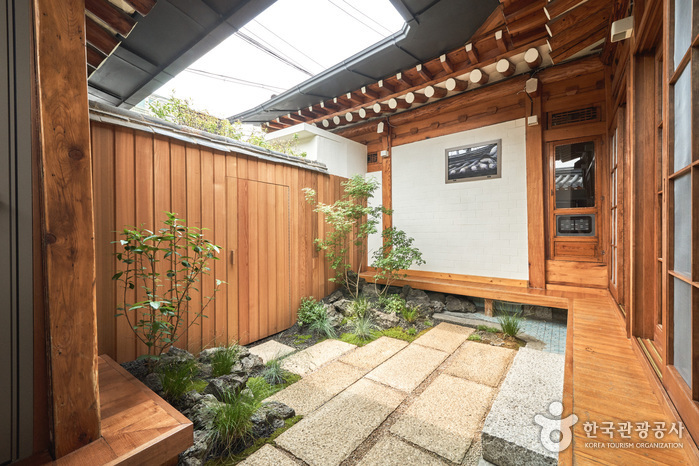
STAY dayoff (스테이 데이 오프)
10.4Km 2024-12-23
6 , Jahamun-ro 1da-gil, Jongno-gu, Seoul
+82-504-0904-2406
Stay Day Off is a hanok stay just off Jahamun-no - known locally as ‘Food Street’ - in Seochon Village to the west of Gyeongbokgung Palace in Seoul. It’s a 5-minute walk from Gyeongbokgung Station on Subway Line 3, so transport access is good. The main building comprises two bedrooms with queen-size bed, a living room and kitchen, and two bathrooms. The annex building is rather special: it has a bath and sauna behind a window wall with a fine view of the hanok garden. There’s a 10% discount for guests staying more than two nights during the week.
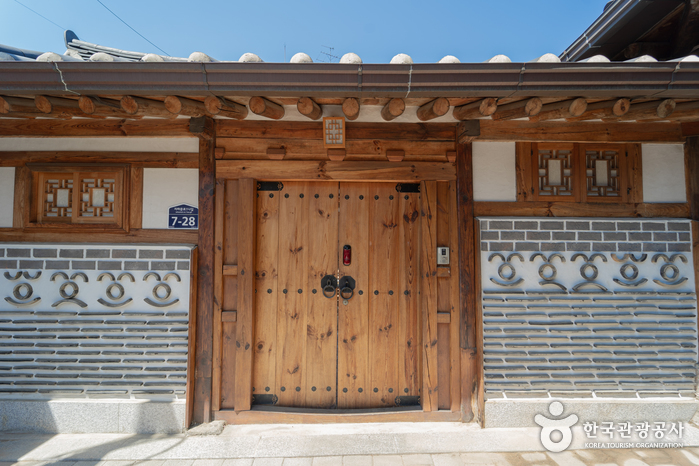
Seoul Hanok Stay (JNP Stay) (서울한옥스테이(jnpstay))
10.4Km 2024-10-30
7-28 , Jahamun-ro 1na-gil, Jongno-gu, Seoul
+82-10-5720-6800
Seoul Hanok Stay (JNP Stay) is a private hanok stay located 3 minutes' walking distance from Gyeongbokgung Station. You can play traditional Korean games such as jejichagi (hacky sack), yut nori (board game), and tuho (arrow-throwing) in the yard, and cooking barbecue adds to the charm of the hanok. From the yard, you can enjoy the sky view, feel the gentle breeze, and observe raindrops falling from the eaves.
![HB Coms [Tax Refund Shop] (에이치비컴즈)](http://tong.visitkorea.or.kr/cms/resource/94/2891194_image2_1.jpg)
![Sjkcnc [Tax Refund Shop] (에스제이케이씨엔씨)](http://tong.visitkorea.or.kr/cms/resource/96/2891196_image2_1.jpg)
![Old and New [Tax Refund Shop] (올드앤뉴)](http://tong.visitkorea.or.kr/cms/resource/10/2891210_image2_1.jpg)
![Dongshin Electronics - Yongsan ETLand Branch [Tax Refund Shop] (동신전자 용산전자랜드)](http://tong.visitkorea.or.kr/cms/resource/03/2878503_image2_1.jpg)
Dongshin Electronics - Yongsan ETLand Branch [Tax Refund Shop] (동신전자 용산전자랜드)
10.4Km 2024-04-18
Store #B-11, #B-18, ET LAND Main Bldg. Plaza, 74, Cheongpa-ro, Yongsan-gu, Seoul
-
![TNT Info - Yongsan ETLand Branch [Tax Refund Shop] (티앤티정보 용산전자랜드)](http://tong.visitkorea.or.kr/cms/resource/86/2878486_image2_1.jpg)
TNT Info - Yongsan ETLand Branch [Tax Refund Shop] (티앤티정보 용산전자랜드)
10.4Km 2024-04-17
ET LAND (Main Bldg )3층A- 304.319, 74, Cheongpa-ro, Yongsan-gu, Seoul
-
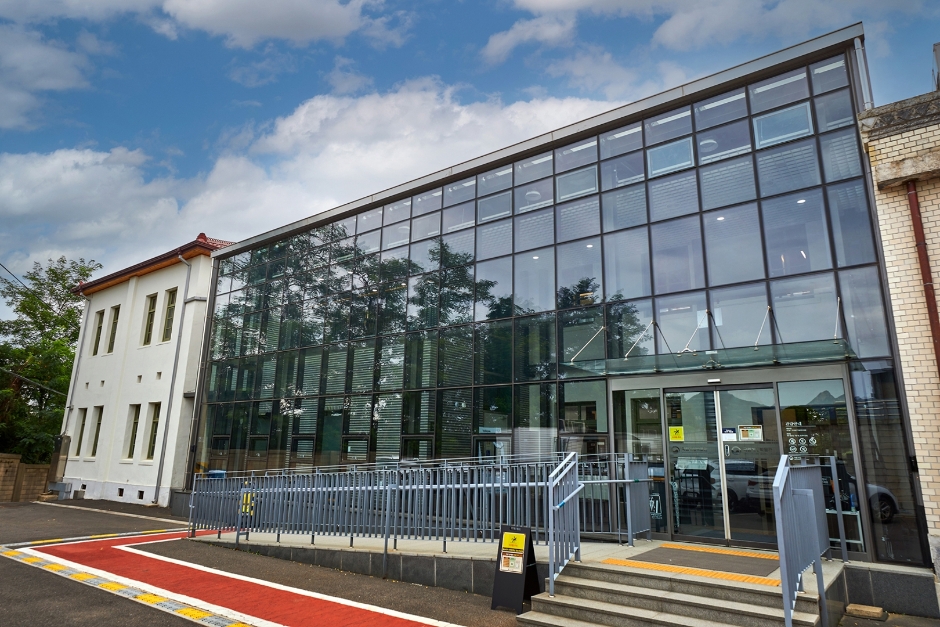
National Meteorological Museum of Korea (국립기상박물관)
10.4Km 2024-03-26
52 Songwol-gil, Jongno-gu, Seoul
A museum where one can look at Korea's meteorological observation history and technological development through exhibitions. The museum has the world's first rain gauge, invented in 1441, in the early Joseon dynasty. The museum operates approximately 350 meteorological observatories across Korea and focuses on promoting the uniqueness and excellence of Korea's meteorological science. There are permanent collections and special exhibitions. The permanent collections focus on the history of meteorological science in Korea. At the same time, the special exhibitions take a closer look at the history and information about meteorological science and natural disasters (e.g., earthquakes) that occurred in various regions of Korea. There are experience programs related to meteorological science, such as making a rain gauge or learning about rain gauges.
 English
 한국어
한국어 日本語
日本語 中文(简体)
 Deutsch
 Français
 Español
 Русский


