
Osulloc - National Museum of Modern and Contemporary Art Branch [Tax Refund Shop] (오설록 현대미술관)
11.7Km 2024-04-23
30, Samcheong-ro, Jongno-gu, Seoul
-
![Clinup Dermatology Clinic - Hanam Misa Branch [Tax Refund Shop] (클린업피부과의원 하남미사)](http://tong.visitkorea.or.kr/cms/resource/77/3313177_image2_1.jpg)
Clinup Dermatology Clinic - Hanam Misa Branch [Tax Refund Shop] (클린업피부과의원 하남미사)
11.7Km 2024-06-27
100-1, Misagangbyeondong-ro, Hanam-si, Gyeonggi-do
-
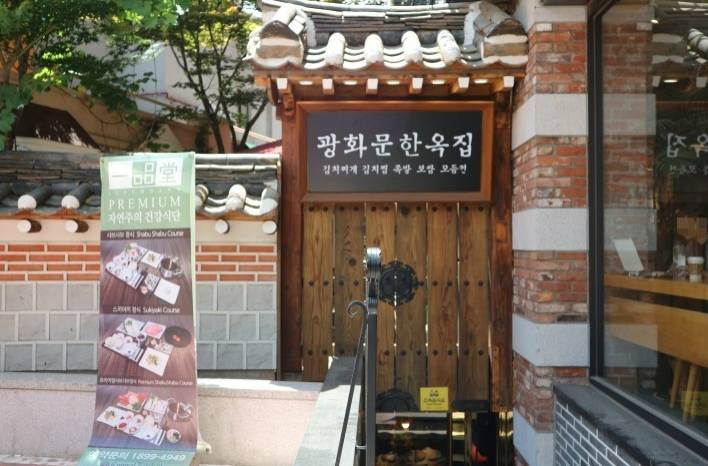
Gwanghwamun Hanokjip (광화문한옥집)
11.7Km 2024-10-15
7, Saemunanro5ga-gil, Jongro-gu, Seoul
+82-2-731-2500
A store with rooms reproducing a traditional kitchen. The best menu at this restaurant is napa wraps with pork. This is a Korean cuisine located in Gwanghwamun Gate, Seoul.
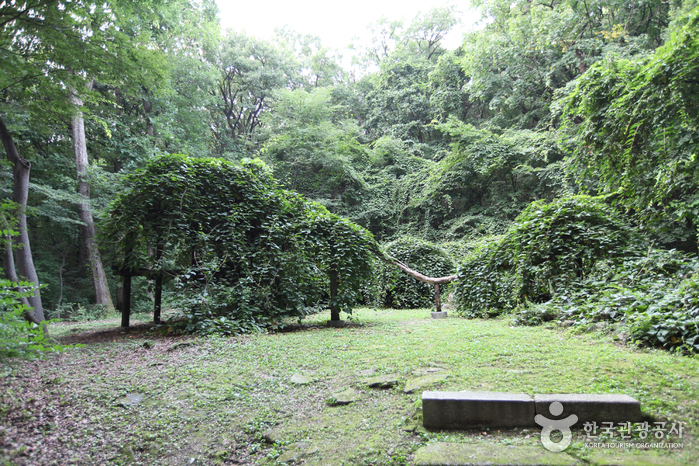
Daraenamu Tree in Changdeokgung Palace (창덕궁 다래나무)
11.7Km 2025-01-13
99, Yulgok-ro, Jongno-gu, Seoul
+82-2-3668-2300
Daraenamu Tree in Changdeokgung Palace is estimated to be 600 years old, meaning it had likely been planted before the palace was built. The tree stands 19m in x_height, and has six separate trunks sprawling in all directions. It is the biggest and the oldest in Korea. It is designated and protected as a National Natural Monument.
![ABC-Mart - Seoul National University Station Branch [Tax Refund Shop] (ABC마트 서울대점)](http://tong.visitkorea.or.kr/cms/resource/82/3314782_image2_1.jpg)
ABC-Mart - Seoul National University Station Branch [Tax Refund Shop] (ABC마트 서울대점)
11.7Km 2024-06-27
172, Gwanak-ro, Gwanak-gu, Seoul
-
Trium House (주식회사 트리움하우스)
11.7Km 2025-10-23
2F, Na-dong, 13-8 Jangmi-ro 92beon-gil, Bundang-gu, Seongnam-si, Gyeonggi-do
Trium House, established in 2008, specializes in customized medical tourism services for customers at home and aboard. It provides comprehensive medical tourism products for foreign patients, combining tourism and rest in addition to medical services (e.g., preliminary disease diagnosis, treatment, post-management).
Major services include Western and traditional Korean medical tourism, business tours, and general travel services. They provide the best services customized to customers' needs, with professional staff members versed in different language. Trium House has become a trusted medical tourism partner that has been designated a medical tourism partner for the Korea Medical Tourism Festival and for Seongnam City.
![TUBAn [Tax Refund Shop] (주식회사 투바앤)](http://tong.visitkorea.or.kr/cms/resource/47/2890647_image2_1.jpg)
TUBAn [Tax Refund Shop] (주식회사 투바앤)
11.7Km 2024-04-23
1955, Goyang-daero, Deogyang-gu, Goyang-si, Gyeonggi-do
-

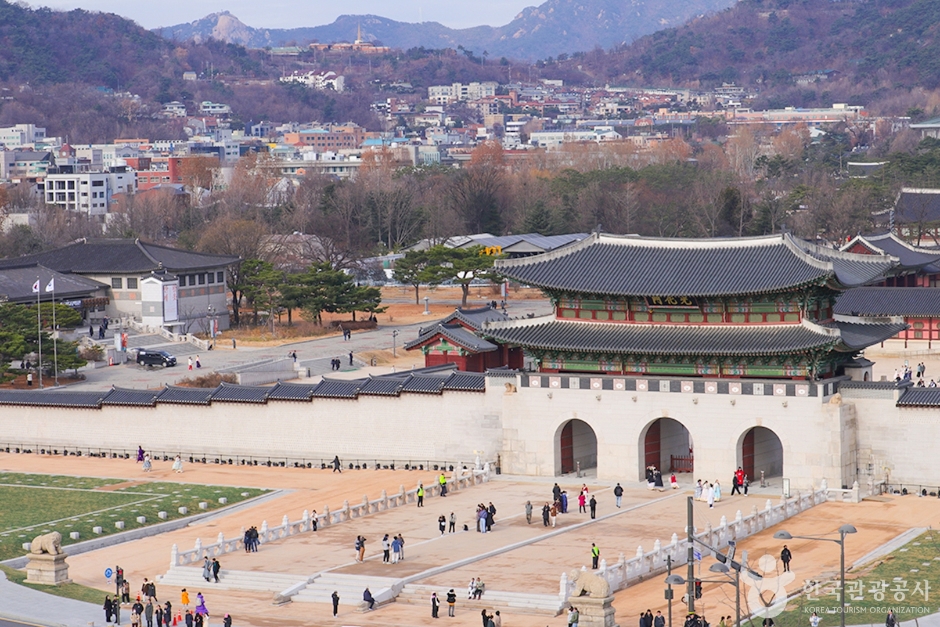
Gwanghwamun Gate (광화문)
11.8Km 2024-12-04
161 Sajik-ro, Jongno-gu, Seoul
+82-2-3700-3900
Built in 1395 under the reign of King Taejo, the first king of the Joseon dynasty, Gwanghwamun Gate is the southern gate of Gyeongbokgung Palace. It is also the main gate of the palace, therefore larger and fancier in comparison to the other gates. Gwanghwamun Gate consists of three arched gates; the center gate was used by the king, while the other two were used by the crown prince and royal officials. The tall granite walls of the gate serve as a platform for the wooden gate tower that watches over the city. The gate has a sign with its name written at the top center of the gate tower.
Gwanghwamun Gate went through several damages and restorations over the course of history. It was first severely damaged during the Imjin War (1592-1598) and was not restored until the reconstruction of Gyeongbokgung Palace in 1864. Under the Japanese administration, the gate was demolished and relocated to the north of the palace's eastern gate, followed by series of damages during the Korean War (1950-1953). In 1968, Gwanghwamun Gate was relocated back to the south of the palace and was rebuilt using concrete; however, the gate’s position was shifted a few meters away from its original location. In 2006, a major reconstruction project took place to restore Gwanghwamun Gate to its original state and location, disassembling the structure completely and replacing concrete with granite and wood. After three years and eight months of construction, Gwanghwamun Gate was fully restored to its original form and was open to the public on August 15, 2010.
ER Newcore Outlets - Yatap Branch [Tax Refund Shop] (ER 뉴코아아울렛 야탑)
11.8Km 2024-04-23
11, Yatap-ro 81beon-gil, Bundang-gu, Seongnam-si, Gyeonggi-do
-
 English
 한국어
한국어 日本語
日本語 中文(简体)
 Deutsch
 Français
 Español
 Русский


