![Olive Young - Nambu Bus Terminal Branch [Tax Refund Shop] (올리브영 남부터미널)](http://tong.visitkorea.or.kr/cms/resource/42/2888942_image2_1.jpg)
Olive Young - Nambu Bus Terminal Branch [Tax Refund Shop] (올리브영 남부터미널)
10.7Km 2024-04-18
283, Hyoryeong-ro, Seocho-gu, Seoul
-
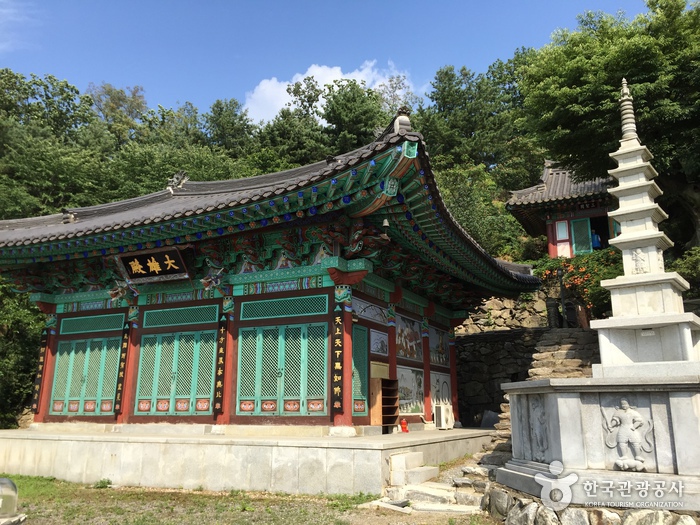
Manggyeongam Hermitage (망경암)
10.7Km 2021-04-24
72, Taepyeong-ro 55beon-gil, Sujeong-gu, Seongnam-si, Gyeonggi-do
+82-31-753-3090
Manggyeongam’s name derives from the hermitage's view of Seoul, and is located in Bokjeong-dong of Seongnam, Gyeonggi-do. Manggyeongam
Hermitage is said to be the place where kings of the late Goryeo and early Joseon periods prayed for peace for their subjects. In addition, Prince Pyeongwon, the 7th son of King Sejong, and Grand Prince Jean built an altar at Mangyeongam Hermitage and Chilseongdae Peak and pledged filial piety.
The hermitage is more widely known for its connection to the Chilseong faith, in which believers worship
Chilseong (the Seven Stars). It is easily recognized by the written records inscribed into the rock wall. Located at the hermitage is the Rock-carved Seated Buddha, an original work of the hermitage that is also designated Gyeonggi-do’s Tangible Cultural Asset No. 102. The Buddha is embossed inside a deep hole in the rock. In the words inscribed near the statue, there is also a legend that says Lee Gu-seung carved Gwaneum Statue near Rock-carved Seated Buddha and built the hermitage in 1897.
Next to the hermitage is a pond called “Bokumul,”
which means “blessed sugared water.” The neighborhood of Bojeong-dong takes its name from this pond. At the hermitage, Daeungjeon Hall (the main hall), Samseonggak Shrine (shrine for three spirits), and Mireukjeon Hall were all established fairly recently. The hermitage site also includes a huge Mireuk Daebul statue (Great State of Maitreya Buddha) and a five-story stone pagoda.
![Wiseyou Clinic - Myeong-dong Branch [Tax Refund Shop] (와이즈유의원코스메틱 명동)](http://tong.visitkorea.or.kr/cms/resource/68/2888068_image2_1.jpg)
Wiseyou Clinic - Myeong-dong Branch [Tax Refund Shop] (와이즈유의원코스메틱 명동)
10.7Km 2024-04-17
3F, 52, Myeongdong 8ga-gil, Jung-gu, Seoul
-

Some Sevit (세빛섬)
10.7Km 2022-12-16
2085-14, Olympic-daero, Seocho-gu, Seoul
+82-1566-3433
Some Sevit is a culture complex made up of three man-made floating islands near the southern end of Banpo Bridge. The islands were created with the theme of "flowers of the Hangang River" and represent the view, life, and the earth, as well as a flower in various stages of life. The largest island, 'Some Gavit' symbolizes the view and takes the form of a flower in full bloom. It is a multi-functional cultural facility that can be used as a venue for performances, international conferences, exhibitions, and more. The second island, 'Some Chavit' looks like a flower bud, an image of life. A range of cultural experiences and event zones including Beat Square, Youth Woods, and restaurants using 3D to bring themes to life are located here. The third and smallest island, 'Some Solvit' takes the form of a seed planted in the earth. This island has water sports facilities and an outdoor garden from which you may enjoy the picturesque scenery of the Hangang River. Around the floating islands are LED lights that create a fantastic night view under the theme of "a gleaming light in the mist."
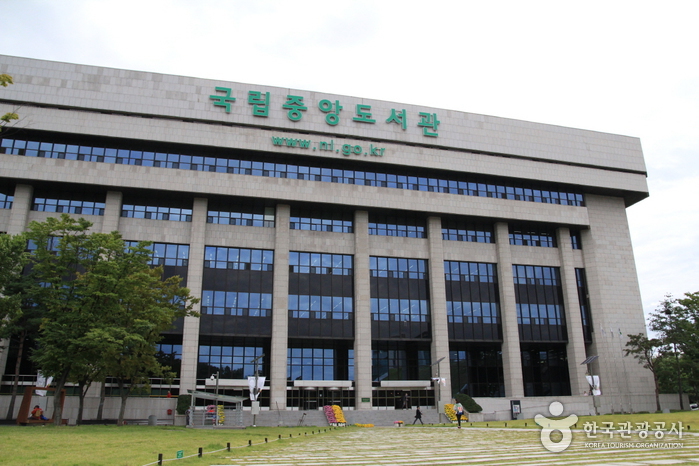
The National Library of Korea (국립중앙도서관)
10.8Km 2021-06-22
201, Banpo-daero, Seocho-gu, Seoul
+82-2-590-0500
The National Library of Korea collects and preserves many important documents and books, promoting a culture of appreciation for these cultural heritages. The library was founded on May 28, 1988 in the area of Seocho Park, later expanding to include an annex. The scenery of the park is beautiful and the atmosphere is very relaxing, perfectly suited to the pursuit of knowledge. For further understanding, the library also offers guided tours for those interested in library science. Many materials have also been scanned and are accessible online through the digital library.
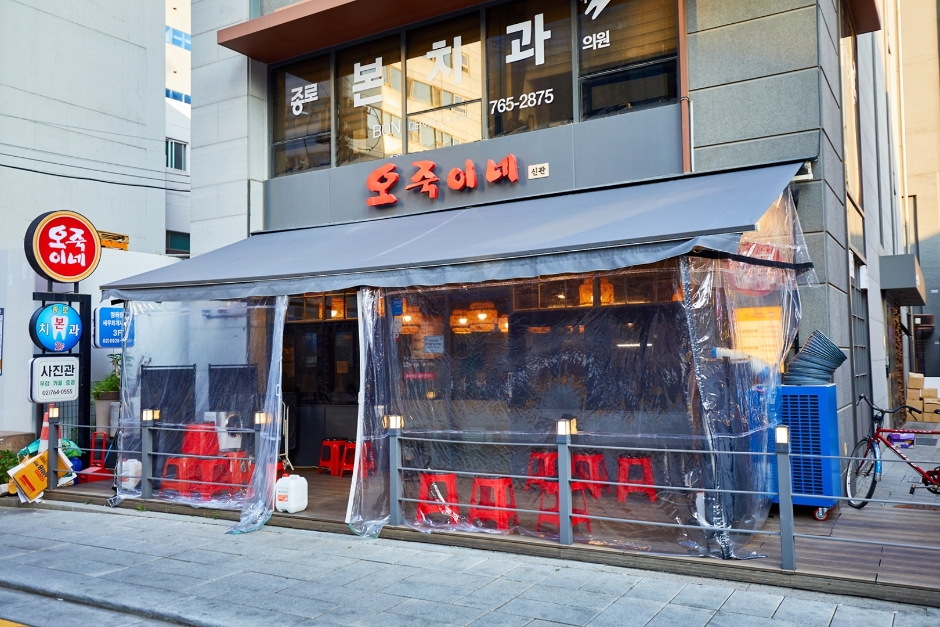
Ojugine (오죽이네)
10.8Km 2024-12-10
Ojugine is a restaurant that specializes in dak maeuntang, a spicy chicken stew that is different from dak bokkeumtang (spicy braised chicken), as the former has more soup than the latter. The stew is served whilst boiling, so one just needs to let it sit for a bit on the table before digging in. The spicy sauce and chicken are a match made in heaven, and the same goes for this dish. Interestingly, Ojugine uses smaller chickens to prepare their dishes, so the flesh braises in the stock faster. The resulting combination is sure to offer a memorable meal. Any remaining soup can be reused as a sauce for fried rice after the main meal, so visitors are advised to leave some space in their stomach.
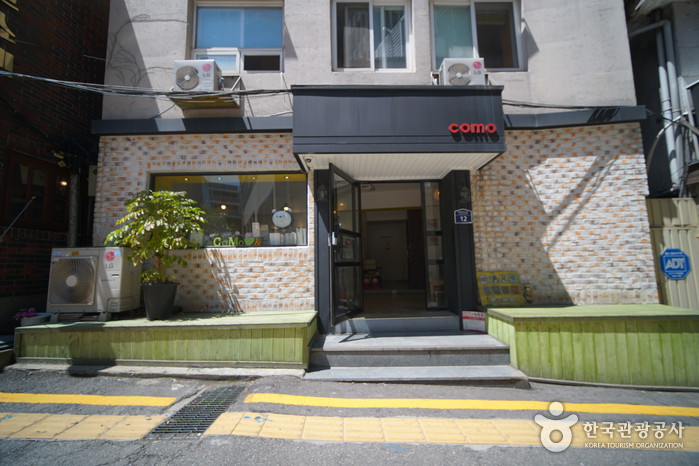
Myeongdong Guesthouse Como (명동게스트하우스 꼬모)
10.8Km 2024-12-23
12 , Toegye-ro 24-gil, Jung-gu, Seoul
+82-2-755-5437
Como is a guesthouse in Jongno-gu, Seoul, just 3-minute’s walk away from Myeongdong Station on Line 4. Como is particularly popular with foreign travelers: staff are fluent in English and Chinese, and luggage storage is free of charge. Rooms come in different sizes to cater from single travelers to family groups, and all have a separate bathroom and toilet. Must-see local sights such as Namsan Seoul Tower, Sungnyemun Gate, and Namdaemun Market are easily reached by car or bus.
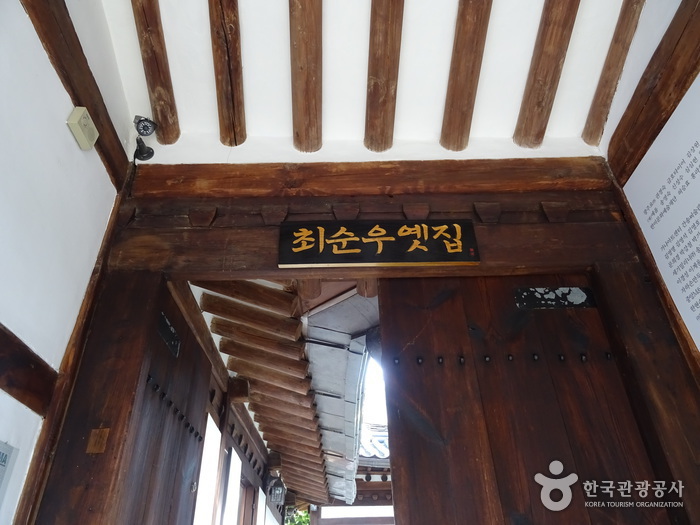
Choi Sunu House (최순우 옛집)
10.8Km 2021-12-21
9, Seongbuk-ro 15-gil, Seongbuk-gu, Seoul
+82-2-3675-3401
The Choi Sunu House is the old residence of Hyegok Choi Sunu (1916-1984), who lived in this house from 1976 until the day he passed away. The house is designated as Korea’s Registered Cultural Property. Choi Sunu was a leading art historian who served as the director of the National Museum of Korea. He devoted his life to rediscovering the beauty of Korean art and made many academic accomplishments in the areas of Korean ceramics, traditional woodcraft, and the history of painting.
The house has been open to the public as the Hyegok Choi Sunu Memorial Hall since 2004. The memorial hall displays Choi Sunu’s relics as a permanent exhibition and holds special exhibitions in the fall as well as cultural programs every spring and fall.
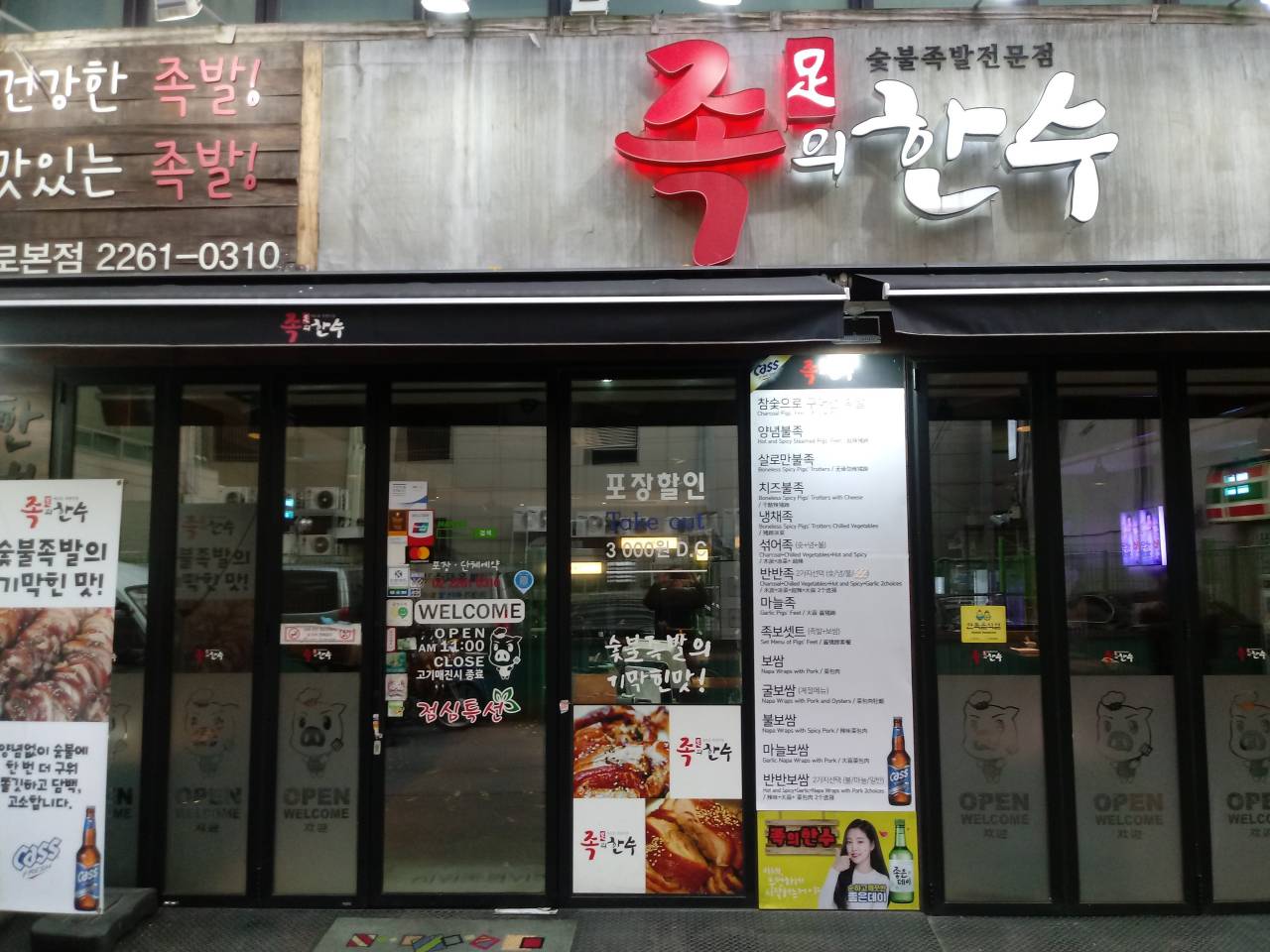
Jogui Hansu (족의한수)
10.8Km 2024-10-15
93-1, Supyo-ro, Jongno-gu, Seoul
+82-2-2261-0310
A pig's trotter(s) specialty restaurant located in Jongno, Seoul. This restaurant's signature menu is braised pigs' feet. A restaurant serving both charcoal-grilled jokbal (pig's trotter) and spicy jokbal.
![Olive Young - Seocho Station Branch [Tax Refund Shop] (올리브영 서초역)](http://tong.visitkorea.or.kr/cms/resource/69/2889669_image2_1.jpg)
Olive Young - Seocho Station Branch [Tax Refund Shop] (올리브영 서초역)
10.8Km 2024-04-18
110, Banpo-daero, Seocho-gu, Seoul
-
 English
 한국어
한국어 日本語
日本語 中文(简体)
 Deutsch
 Français
 Español
 Русский


