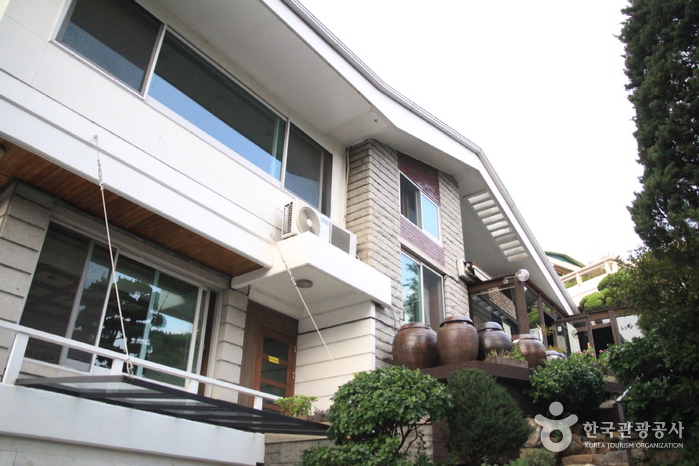
Jaha Sonmandu (자하손만두)
16.1Km 2024-03-06
12 Baekseokdong-gil, Jongno-gu, Seoul
+82-2-379-2648
Jaha Sonmandu is a mandu specialty restaurant located in Buam-dong. Their signature dish is mandu guk (mandu soup), which features dumplings filled with beef, pork, mung beans, and bean curd, boiled in a clear broth. The chewy mandu skin and the clean-tasting broth, flavored with homemade soy sauce, are highlights of the dish. Housed in a renovated residential building, the restaurant offers a refined yet homey atmosphere for dining. Through the windows, diners can enjoy a refreshing view of Inwangsan Mountain.
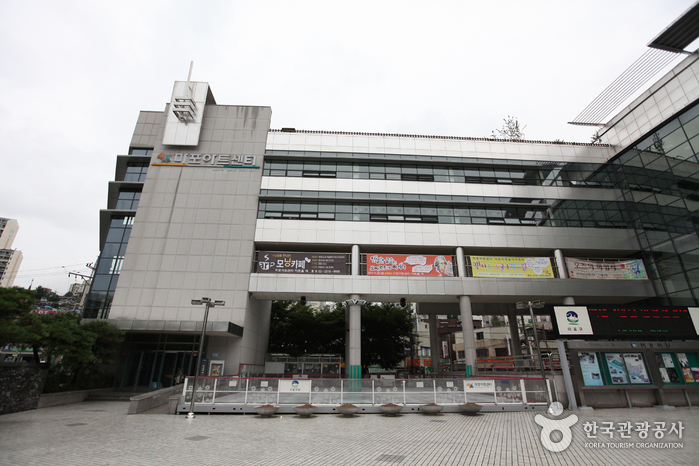
Mapo Art Center (마포아트센터)
16.1Km 2021-03-19
28, Daeheung-ro 20-gil, Mapo-gu, Seoul
+82-2-3274-8500
Mapo Art Center is an innovative cultural art space near college campuses including Hongik, Sinchon and Seogang area. Art Hall Mac, operated by Mapo Art Center is a fascinating performance hall used for a wide range of cultural events. The art hall boasts a stunning exterior as well as finely-appointed facilities that allow the audience to enjoy a diverse genre of performances. The art hall consists of two sections of Play Mac (for smaller performances like puppet shows, solo concerts and children’s performances) and Gallery Mac (where visitors engage in interactive programs). The center also has diverse leisure facilities such as a swimming pool, gym, fitness center, golf club as well as a training center.
Other amenities available include a powder room, multi-purpose hall, training room, playpen, and Sky Park.
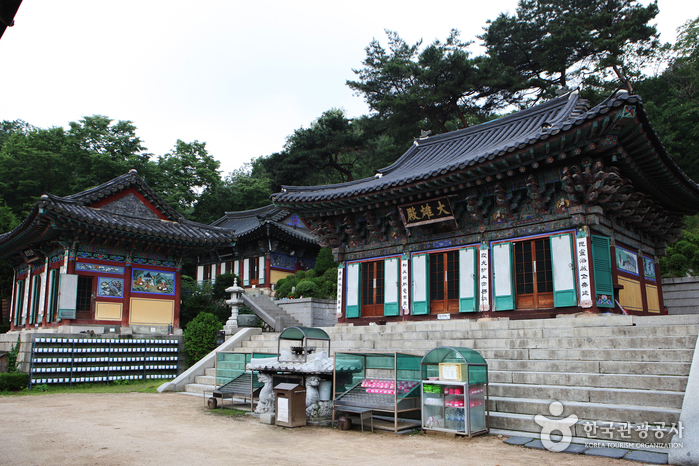
Seoul Hwagyesa Temple (화계사(서울))
16.1Km 2021-11-02
117, Hwagyesa-gil, Gangbuk-gu, Seoul
+82-2-902-2663
Hwagyesa Temple was built in 1522 (the seventeenth year of the reign of King Jungjong of the Joseon dynasty) by monk Shinwol, but was destroyed in a fire in 1618. It was rebuilt the following year, and expanded In 1866 through the efforts of Monks Yongseon and Beomun.
The temple also has various templestay programs for visitors. Hwagyesa Temple is located not too far from the city but also provides a natural environment.

Seodaemun Independence Park (서대문독립공원)
16.1Km 2022-12-15
251, Tongil-ro, Seodaemun-gu, Seoul
+82-2-3140-8305
Seodaemun Independence Park was built on the former Seoul Detention Camp. It was used to imprison thousands of Korean independence activists until the liberation from the Japanese occupation on August 15, 1945, as well as the political prisoners during the political turmoil in the 1960s. When the prison was moved to Uiwang-si, Gyeonggi-do in November 1987, the area was restored and turned into a memorial park in August 15, 1992 to honor the sacrifices of the martyrs. The park preserves seven prison buildings, an execution ground, underground women’s prison, and the March 1st Movement Monument that has been moved from Tapgol Park in Jongno.
One of the most significant monuments of the Seodaemun Independence Park is Dongnimmun Gate (Independence Gate), which has been designated a Historic Site. Nearby is Dongnipgwan (Independence Hall), originally called Mohwagwan, which was used to greet Chinese envoys during the Joseon dynasty. Today, the hall enshrines 2,327 tablets inscribed with the names of Koreans who died for the cause of national independence. Standing right next to Dongnimmun Gate are the remnants of Yeongeunmun Gate, another Historic Site. Other sights inside the park include the Patriotic Martyr Monument, Declaration of Independence Monument, and Statue of Dr. Seo Jae-pil, who was an independence activist and publisher of Korea’s first independent newspaper. The main highlight of the park is the Seodaemun Prison History Hall, a former prison building that was renovated into a history museum.
Hangang Paradise (한강파라다이스)
16.1Km 2024-03-25
252 Yeouidong-ro, Yeongdeungpo-gu, Seoul
+82-2-447-3333
Hangang Paradise is a renowned Italian restaurant nestled in Yeouido Hangang Park. It offers a diverse menu featuring items such as steak, pizza, dongaseu (pork cutlet), and bulgogi deopbap (stir-fried bulgogi served with rice), with the tenderloin steak being the standout dish. Guests can savor their meals while enjoying the picturesque views of the Hangang River. Additionally, Hangang Paradise operates a quay for duck boats, adding to its allure as a favored destination for those visiting the Hangang River area.
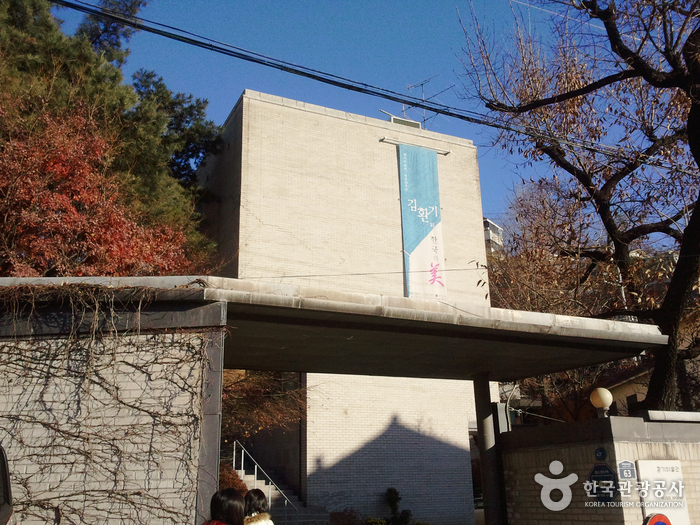
Whanki Art Museum (환기미술관)
16.1Km 2024-03-04
63, Jahamun-ro 40-gil, Jongno-gu, Seoul
+82-2-391-7701
Whanki Art Museum exhibits the works of Kim Whanki (1913-1974), the pioneer of Korean abstract art. Kim was inspired by traditional features such as Korean mountains and streams, the sky, moons and clouds, the white porcelain and traditional patterns, and worked to express them in abstract forms through points, lines, and surfaces. The main collection features nearly 300 works by Kim. One can also find an art shop and a café.
Seongnam Outdoor Theater (성남시 야외공연장)
16.1Km 2024-02-19
550 Seongnam-daero, Bundang-gu, Seongnam-si, Gyeonggi-do
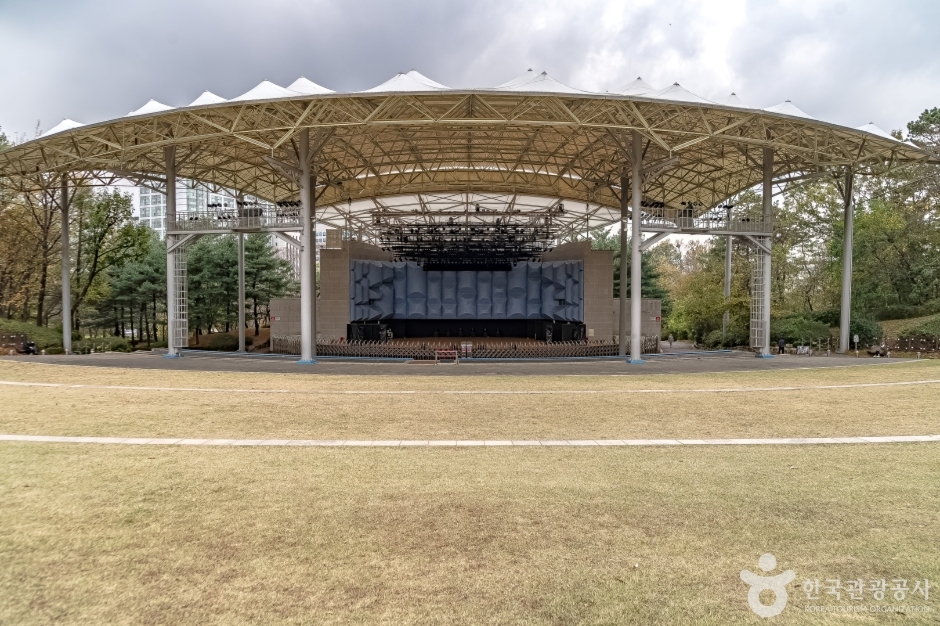
Seongnam Outdoor Theater, situated within the Bundang Jungang Park, offers seating for up to 11,000 visitors, featuring 480 fixed seats and a sprawling 6,600-square-meter grass seating area. Annually hosting concerts, art festivals, exhibitions, and diverse performances, it consistently delights its visitors with high-quality entertainment.
Mapodaegyo Bridge (마포대교 야경)
16.2Km 2021-03-26
Mapo-dong, Mapo-gu, Seoul
+82-2-3153-8365
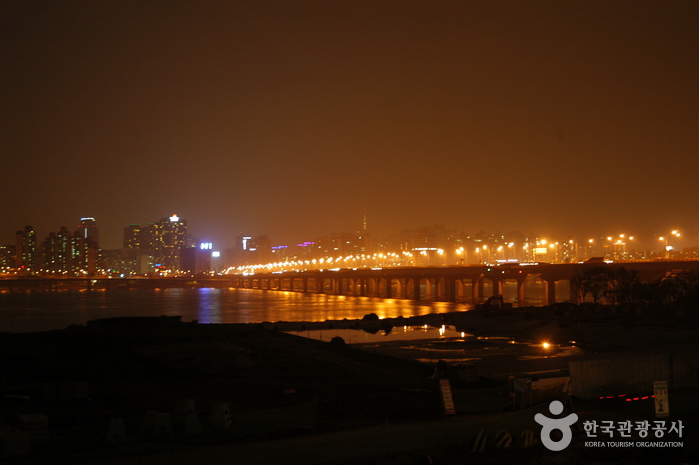
Mapodaegyo Bridge connects Yonggang-dong, Mapo-gu and Yeouido-dong, Yeongdeungpo-gu. The bridge is 1,400 meters long and 25 meters wide (6-lane road), and was the fourth bridge to be built over the Hangang River, following the construction of Hannam Bridge. The construction of the bridge first started in February of 1968 and was completed in May of 1970. At the time of its completion the bridge was named Seouldaegyo Bridge, but was later changed to Mapodaegyo Bridge in 1984.
National Memorial of Korean Provisional Government (국립대한민국임시정부기념관)
16.2Km 2023-01-16
279-24, Tongil-ro, Seodaemun-gu, Seoul
The National Memorial of Korean Provisional Government was established to shine a light on the proud history of the Korean Provisional Government's independence and the spirit of a democratic republic and to pass it on to future generations. The four-story memorial building with three underground floors houses three permanent exhibits, one special exhibit, Larchiveum, Symbol Plaza, storage, multi-purpose hall, and rooftop garden over a total area of 3,656 square meters, a total floor area of 9,703 square meters and a total exhibition space of 2,240 square meters. The permanent exhibits consist of a series of historic events from the March 1st Movement, which served as a turning point for the formation of the Provisional Government, to the foundation of the Korean Government that succeeded the mantle of the provisional government, while the special exhibit on the 1st floor currently hosts a special opening exhibition under the title of 『The Return of the Provisional Government of the Republic of Korea』. Moreover, a symbolic wall installation under the theme of "Waves of History" is displayed in the outdoor plaza on the 1st floor of the memorial expressing the Provisional Government’s desire for independence and the dynamics of the past, present, and future of Korea.
Buam-dong (부암동)
16.2Km 2024-03-15
Buam-dong, Jongno-gu, Seoul
+82-2-2148-1807
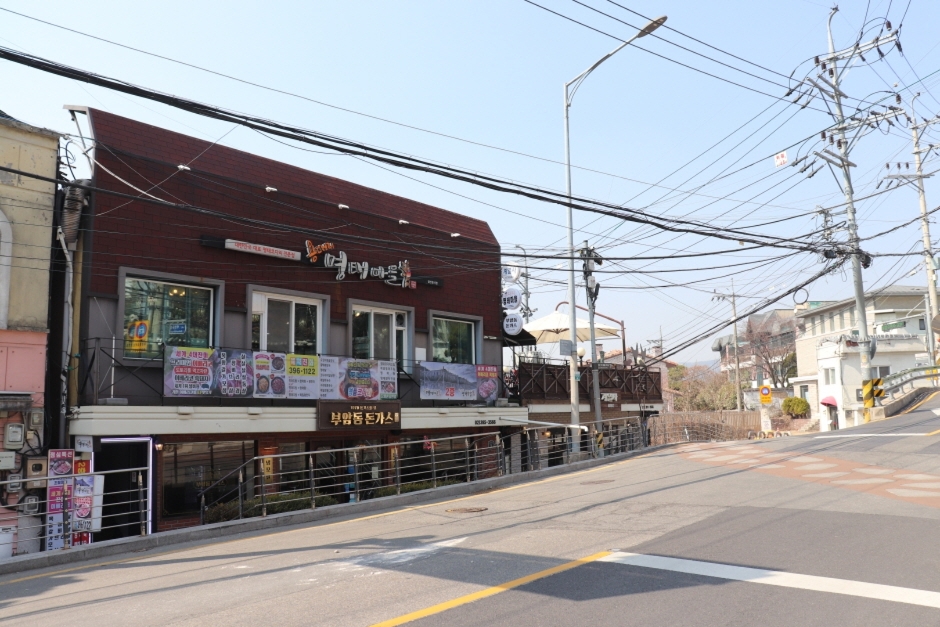
Buam-dong is a village located north of Gyeongbokgung Palace. It is designated as a development-restricted zone due to its proximity to the Cheong Wa Dae, preserving the old neighborhood's appearance. There are numerous bakeries, cafés, restaurants, and small galleries housed in renovated traditional houses, making it a delightful place for a leisurely stroll. The nearby hiking trails connected to Bugaksan Mountain offer a tranquil journey through the forest, ideal for those seeking a peaceful retreat.
 English
 한국어
한국어 日本語
日本語 中文(简体)
 Deutsch
 Français
 Español
 Русский


