![Olive Mart [Tax Refund Shop] (주식회사 올리브마트)](http://tong.visitkorea.or.kr/cms/resource/77/2878677_image2_1.jpg)
Olive Mart [Tax Refund Shop] (주식회사 올리브마트)
15.6Km 2024-04-16
1F, 229-3, Jangchungdan-ro, Jung-gu, Seoul
-
![Bang & Olufsen - Apgujeong Branch [Tax Refund Shop] (뱅앤올룹슨 압구정)](http://tong.visitkorea.or.kr/cms/resource/06/2879606_image2_1.jpg)
Bang & Olufsen - Apgujeong Branch [Tax Refund Shop] (뱅앤올룹슨 압구정)
15.6Km 2024-04-18
1F, 865, Eonju-ro, Gangnam-gu, Seoul
-
![Hoopcity Dongdaemun [Tax Refund Shop] (HOOPCITY 동대문)](http://tong.visitkorea.or.kr/cms/resource/51/2878751_image2_1.jpg)
Hoopcity Dongdaemun [Tax Refund Shop] (HOOPCITY 동대문)
15.6Km 2024-04-18
1F, 324, Toegye-ro, Jung-gu, Seoul
-

Artbox - Daehangno Branch [Tax Refund Shop] (아트박스 대학로)
15.6Km 2024-04-22
22, Daemyeong-gil, Jongno-gu, Seoul
-
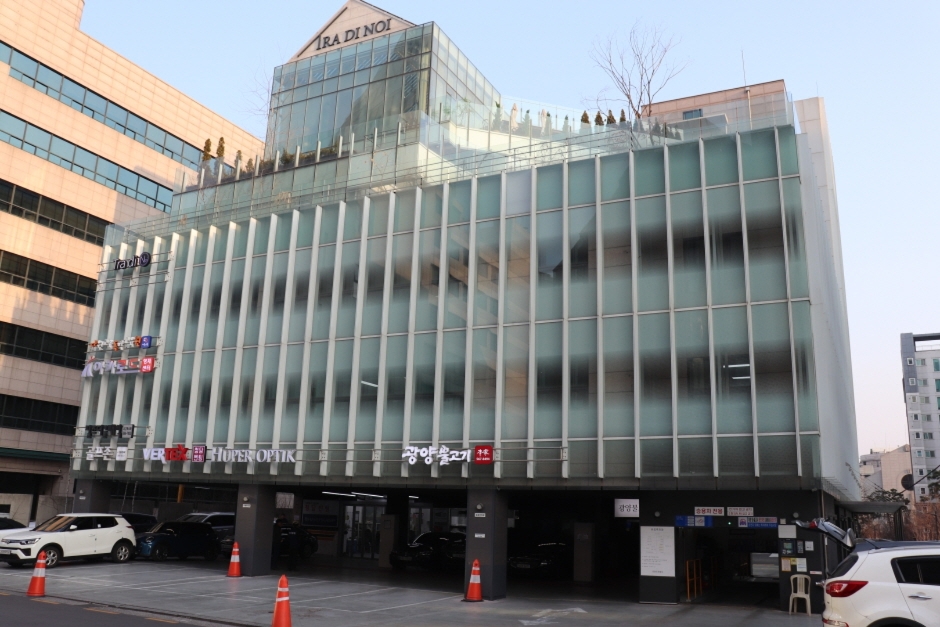
Gwangyang Bulgogi Bonga (광양불고기본가)
15.6Km 2024-03-18
16, Dogok-ro 99-gil, Gangnam-gu, Seoul
+82-2-567-8494
Gwangyang Bulgogi Bonga serves Gwangyang bulgogi, a tender and sweet-savory dish made by grilling thinly-sliced beef marinated in soy sauce. The restaurant also offers sogogi gui (grilled beef), yukhoe (beef tartare), and hanu kkotdeungsim (Korean beef rib eye). Another popular dish is hanu deungsim yukjeon (pan-fried battered Korean beef sirloin). There is also a separate lunch menu, namely the Gwangyang Bonga Jeongsik (Gwangyang Bonga set menu) and hanu kkotsal bulgogi (boneless Korean galbi bulgogi).
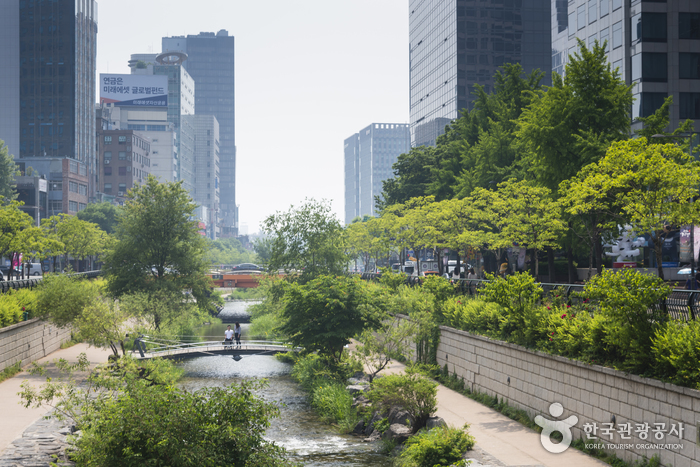
Cheonggyecheon Stream (청계천)
15.6Km 2024-05-16
Changsin-dong, Jongno-gu, Seoul
+82-2-2290-7111
Cheonggye Plaza was built on Sejong-ro Street, where Cheonggyecheon Stream begins. It was built between Dong-A Ilbo, the starting point of the Cheonggyecheon Stream restoration, and Sindap Railroad Bridge, with a length of 160 meters, a x_width of 50 meters, and a total area of 6,962 meters squared. The plaza is decorated with fountains, waterfalls, and walking paths. It was created as a place for meetings, harmony, peace, and unification, to celebrate the significance of the restoration of Cheonggyecheon Stream. A miniaturized version of Cheonggyecheon Stream is displayed here, providing an overview of the restored stream. There are also interpretive panels about the 22 bridges that cross Cheonggyecheon stream. Fountains of various shapes create beautiful scenery. Cheonggyecheon Stream is accessible from the square through stairs on the left and Cheonggye Trail on the right. There is also an 18-meter tunnel on the Cheonggye Trail, providing a unique experience for citizens entering Cheonggyecheon Stream from the plaza. After constructing Cheonggyecheon Plaza, the Seoul Metropolitan Government made it a car-free street on public holidays so that the plaza, waterside area, and streets could be used as cultural spaces for citizens to relax. A spectacular sight is created by three-color lights illuminating the fountains and a two-tiered waterfall coming down from a x_height of four meters. Palseokdam, made of eight stones from eight provinces in Korea, was laid along the waterfall's sides.
Gyeonggi Janggyeongsa Temple (장경사(경기))
15.6Km 2025-01-14
676, Namhansanseong-ro, Gwangju-si, Gyeonggi-do
+82-31-743-6548
Janggyeongsa Temple is located in Namhansanseong Fortress. Namhansanseong Fortress, which protected Seoul along with Bukhansanseong Fortress, was built at the same time as Janggyeongsa Temple in 1638, during the 16th year of King Injo. Warrior monks from all eight provinces throughout the country helped with the construction. Janggyeongsa Temple is the only remaining temple among nine such temples where military groups made up of monks stayed for trainings.
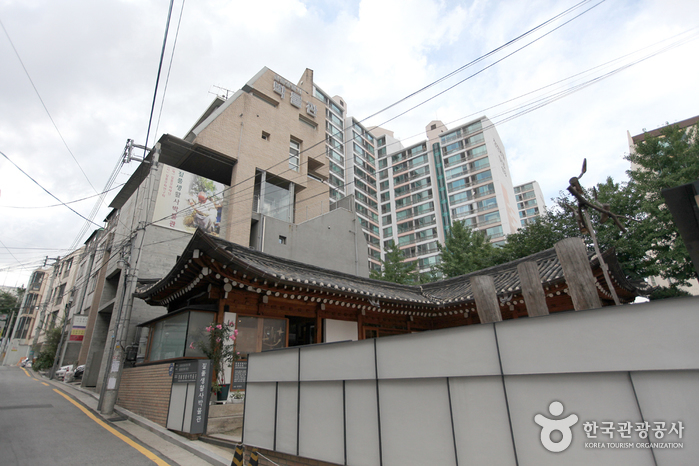
Korean Museum of Straw and Life (짚풀생활사박물관)
15.6Km 2022-09-15
45, Sungkyunkwan-ro 4-gil, Jongno-gu, Seoul
+82-2-743-8787
Korean Museum of Straw and Life is a private museum dedicated to the collection, research, and display of materials and historical accounts of diverse straws and their uses in Korea. As Koreans' lifestyle in the past heavily depended on agriculture and cultivation of crops, straws and grasses were easily found and had many uses. The museum aims to educate the general public of how different straw were produced and used by Korean ancestors as well as their significance in connection with today's lifestyle.
![E-Mart - Uijeongbu Branch [Tax Refund Shop] (이마트 의정부)](http://tong.visitkorea.or.kr/cms/resource/48/2881348_image2_1.jpg)
E-Mart - Uijeongbu Branch [Tax Refund Shop] (이마트 의정부)
15.6Km 2024-04-22
210, Millak-ro, Uijeongbu-si, Gyeonggi-do
-
 English
 한국어
한국어 日本語
日本語 中文(简体)
 Deutsch
 Français
 Español
 Русский


