![Zio Songzio - Lotte Giheung Branch [Tax Refund Shop] (지오송지오 롯데기흥)](http://tong.visitkorea.or.kr/cms/resource/31/3314131_image2_1.jpg)
Zio Songzio - Lotte Giheung Branch [Tax Refund Shop] (지오송지오 롯데기흥)
13.2Km 2024-06-27
B1F, 124, Singomae-ro, Giheung-gu, Yongin-si, Gyeonggi-do
-
![Renoma - Lotte Outlets Giheung Branch [Tax Refund Shop] (레노마 롯데아울렛 기흥점)](http://tong.visitkorea.or.kr/cms/resource/96/3314496_image2_1.jpg)
Renoma - Lotte Outlets Giheung Branch [Tax Refund Shop] (레노마 롯데아울렛 기흥점)
13.2Km 2024-06-27
124, Singomae-ro, Giheung-gu, Yongin-si, Gyeonggi-do
-
![Lotte Mart - Yeongtong Branch [Tax Refund Shop] (롯데마트 영통점)](http://tong.visitkorea.or.kr/cms/resource/55/2887855_image2_1.jpg)
Lotte Mart - Yeongtong Branch [Tax Refund Shop] (롯데마트 영통점)
13.3Km 2024-04-22
1579, Bongyeong-ro, Yeongtong-gu, Suwon-si, Gyeonggi-do
-
![Homeplus - Yeongtong Branch [Tax Refund Shop] (홈플러스 영통)](http://tong.visitkorea.or.kr/cms/resource/03/2888603_image2_1.jpg)
Homeplus - Yeongtong Branch [Tax Refund Shop] (홈플러스 영통)
13.3Km 2024-04-19
1576, Bongyeong-ro, Yeongtong-gu, Suwon-si, Gyeonggi-do
-
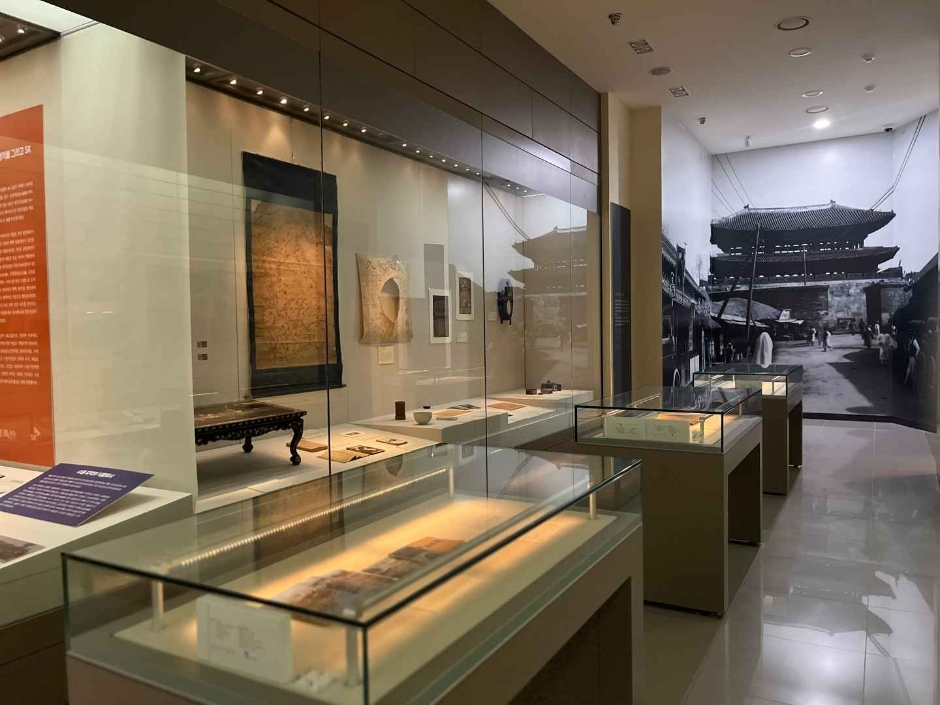
Suwon Museum (수원박물관)
13.5Km 2025-05-22
265 Changnyong-daero, Yeongtong-gu, Suwon-si, Gyeonggi-do
+82-31-228-4150
Locaed in Iui-dong, Yeongtong-gu, Suwon Museum has one basement floor and two above-ground floors, spanning over an area of 6,535 ㎡. Suwon Museum consists of two main exhibition halls, Suwon Museum of History and Calligraphy Museum of Korea, showcasing approximately 48,000 relics, and a planned exhibition hall for special occasions and exhibitions.
Suwon Museum of History recreates a scene of Yeongdong Market Street during the1960s. Children can learn and get secondhand experience of what Suwon was like in the past while adult visitors can reminisce the old times.
Calligraphy Museum of Korea is the first calligraphy museum built by a local government. The museum houses Korea's significant calligraphy works. The hall features a spacious area and its display cases are designed with cutting edge technology to highlight the relics on display. Exhibited collections include geumseokmun (metal writing), beopseo (calligraphic specimen of renowned artists of the past), works of renowned calligraphers during the Joseon dynasty, eopil (the writings of Kings), seogan (letters), works of renowned contemporary calligraphers, and more. Also, a planned exhibition hall holds exhibitions with specific themes every year. In addition, the museum offers educational programs for visitors as well as large scale calligraphy events for the general public.
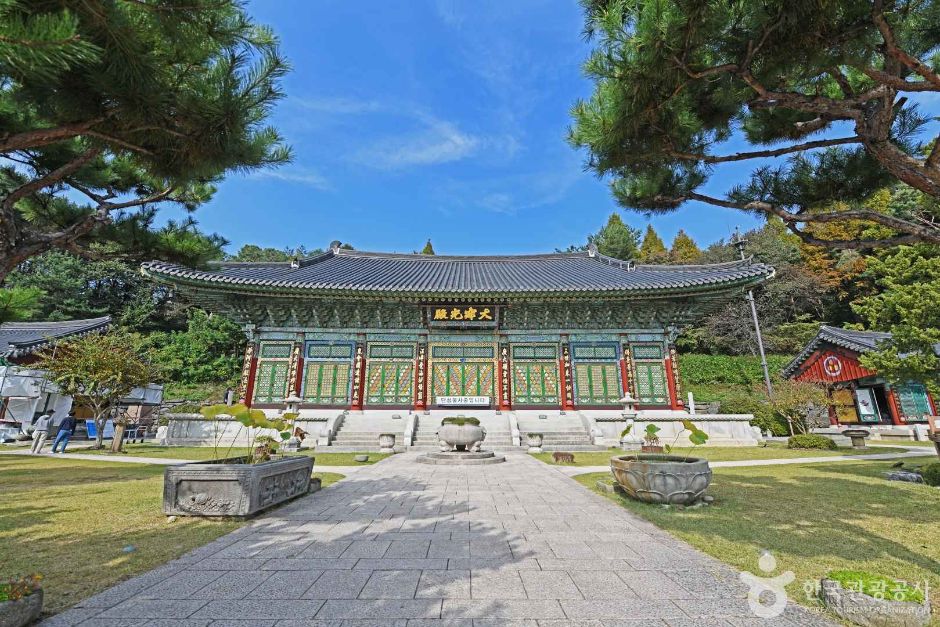
Suwon Bongnyeongsa Temple (봉녕사 (수원))
13.6Km 2025-02-04
236-54 Changnyong-daero, Paldal-gu, Suwon-si, Gyeonggi-do
Bongnyeongsa Temple is located at the foothills of Gwanggyosan Mountain. It features various structures, including the main Buddha hall, meditation spaces for monks, and a bell pavilion housing ritual objects like a bell, wooden fish, cloud-shaped gong, and dharma drum. The temple is also home to an 800-year-old juniper tree. Visitors can enjoy tea at the resting space and explore the temple food education center. Templestay programs offer a chance to experience Buddhist culture through activities such as prayer, meditation, temple food making, and tea talks.
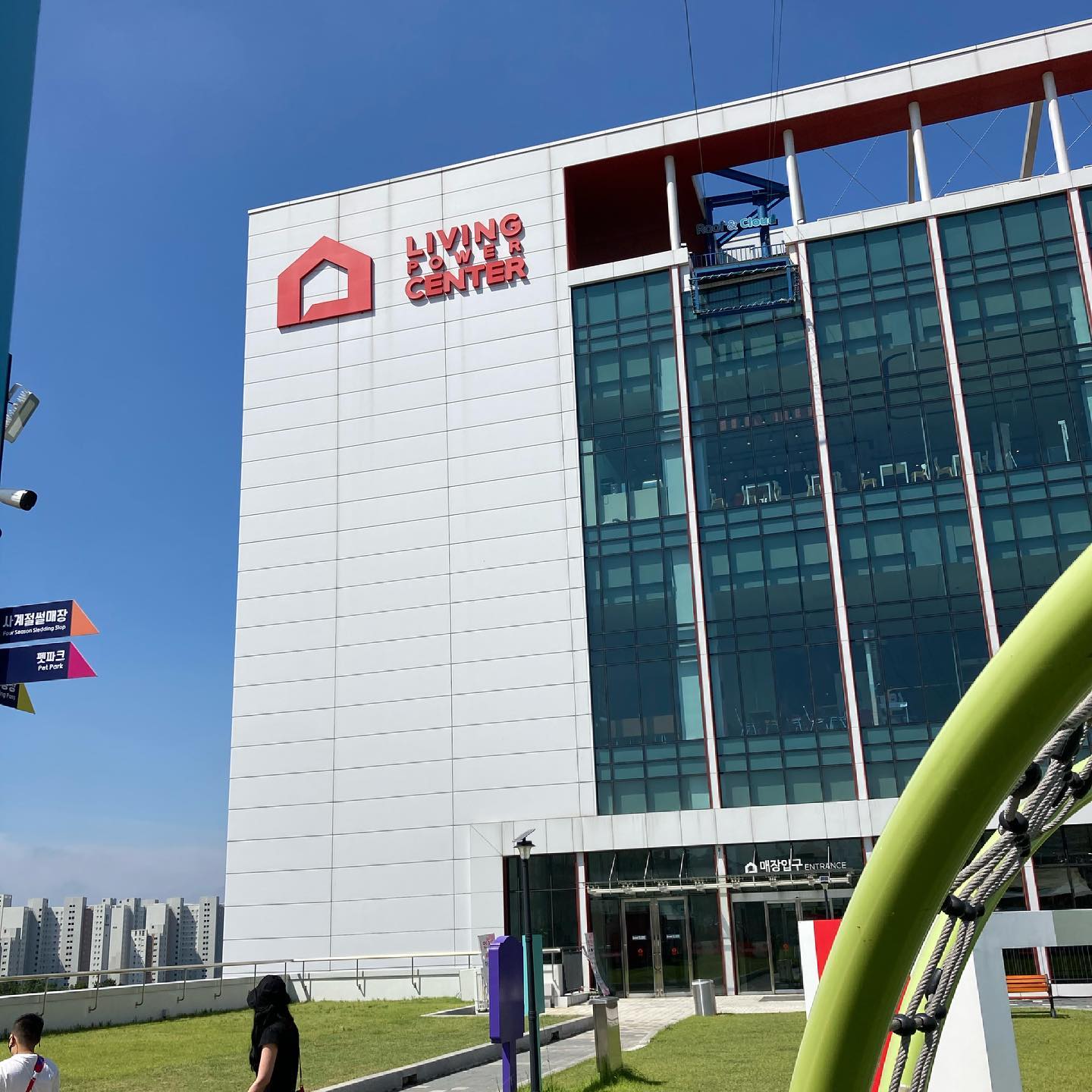
Living Power Center (리빙파워센터)
13.7Km 2024-10-25
59 Singomae-ro, Giheung-gu, Yongin-si, Gyeonggi-do
The Living Power Center is a shopping center offering various home and lifestyle goods, including furniture, appliances, food, and pet supplies. There is a water playground outside the center and various performances to delight young visitors.
![Innisfree - Ajou Univ. Branch [Tax Refund Shop] (이니스프리 아주대)](http://tong.visitkorea.or.kr/cms/resource/67/2882067_image2_1.jpg)
Innisfree - Ajou Univ. Branch [Tax Refund Shop] (이니스프리 아주대)
13.7Km 2024-04-22
5, Seolleung-ro 162-gil, Gangnam-gu, Seoul
-

Star Parks (스타팍스 주식회사)
13.7Km 2025-10-23
#101, 11 Euni-ro, Jungwon-gu, Seongnam-si, Gyeonggi-do
Established in 2006, Star Parks provides travel and medical tourism services.
It produced and uploaded a very effective meditation video on YouTube, and began selling K-Wellness Tour products, which includes the meditation program, starting in October 2024. It also provides medical tourism services that connect customers to the specific doctor they want through the WISHed-Doctor program, based on information accumulated over 15 years about top-tier doctors .
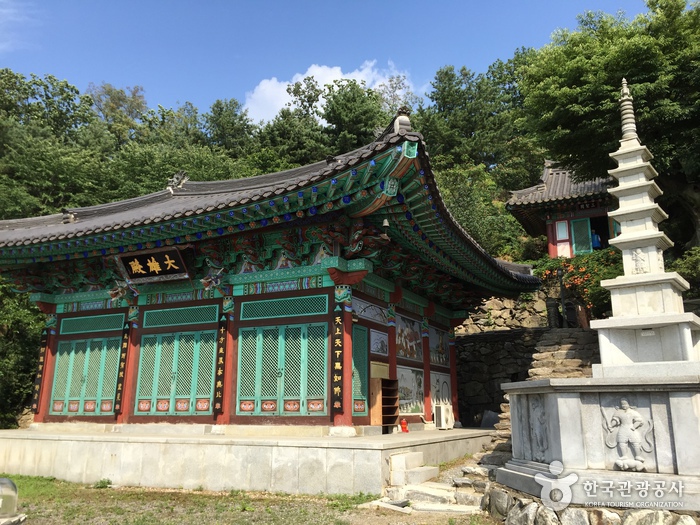
Manggyeongam Hermitage (망경암)
13.7Km 2021-04-24
72, Taepyeong-ro 55beon-gil, Sujeong-gu, Seongnam-si, Gyeonggi-do
+82-31-753-3090
Manggyeongam’s name derives from the hermitage's view of Seoul, and is located in Bokjeong-dong of Seongnam, Gyeonggi-do. Manggyeongam
Hermitage is said to be the place where kings of the late Goryeo and early Joseon periods prayed for peace for their subjects. In addition, Prince Pyeongwon, the 7th son of King Sejong, and Grand Prince Jean built an altar at Mangyeongam Hermitage and Chilseongdae Peak and pledged filial piety.
The hermitage is more widely known for its connection to the Chilseong faith, in which believers worship
Chilseong (the Seven Stars). It is easily recognized by the written records inscribed into the rock wall. Located at the hermitage is the Rock-carved Seated Buddha, an original work of the hermitage that is also designated Gyeonggi-do’s Tangible Cultural Asset No. 102. The Buddha is embossed inside a deep hole in the rock. In the words inscribed near the statue, there is also a legend that says Lee Gu-seung carved Gwaneum Statue near Rock-carved Seated Buddha and built the hermitage in 1897.
Next to the hermitage is a pond called “Bokumul,”
which means “blessed sugared water.” The neighborhood of Bojeong-dong takes its name from this pond. At the hermitage, Daeungjeon Hall (the main hall), Samseonggak Shrine (shrine for three spirits), and Mireukjeon Hall were all established fairly recently. The hermitage site also includes a huge Mireuk Daebul statue (Great State of Maitreya Buddha) and a five-story stone pagoda.
 English
 한국어
한국어 日本語
日本語 中文(简体)
 Deutsch
 Français
 Español
 Русский


