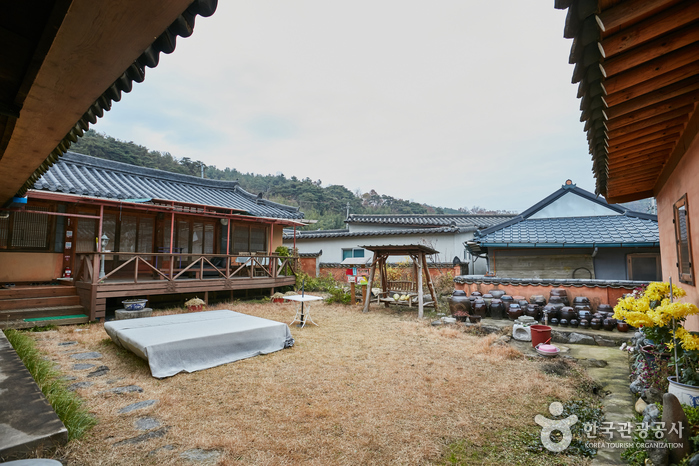
Seokjeongdaek House (석정댁)
8.9Km 2024-08-01
6 , Gaesil 2-gil, Goryeong-gun, Gyeongsangbuk-do
+82-54-956-4022, +82-10-3207-4022
Seokjeongdaek is a hanok guest house in Gaesil Village, Goryeong, Gyeongsangbuk-do - hometown of the descendants of Joseon scholar Kim Jong-jik. It consists of two guestrooms plus one living room and kitchen, making it ideal for families and groups. The rooms have air conditioning and cooking facilities, and outdoor barbecues are also available. In the village, visitors can experience the atmosphere of the old countryside, sampling traditional farming and craft skills plus traditional pastimes and food.
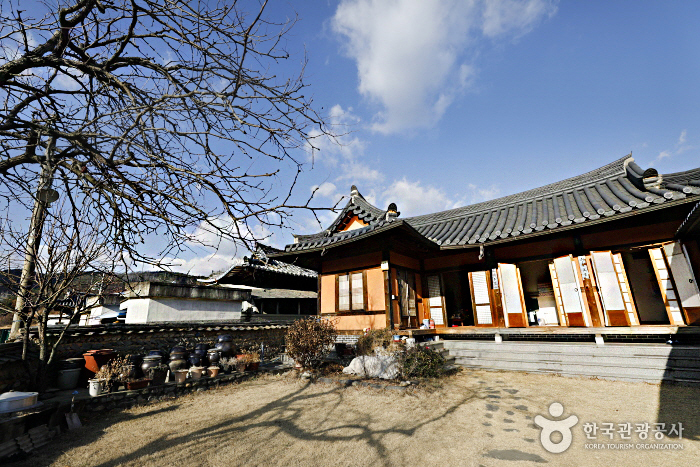
Hadongdaek House (하동댁)
8.9Km 2024-08-01
45 , Gaesil 2-gil, Goryeong-gun, Gyeongsangbuk-do
+82-54-956-4022, +82-10-3207-4022
Gaesil Village in Goryeong-gun, Gyeongsangbuk-do, is the hometown of descendants of Joseon politician Kim Jongjik, and offers visitors old-time village experiences such as hanok stay, farming, and traditional etiquette and games - all overseen by the Gaesil Village Farming Association. Hadong House is a cozy hanok guesthouse with a well-maintained garden, offering two rooms: Maeshil (‘Plum’) has its own inside kitchen and toilet, while Jukshil (‘Bamboo’) has an outside kitchen and shared toilet.
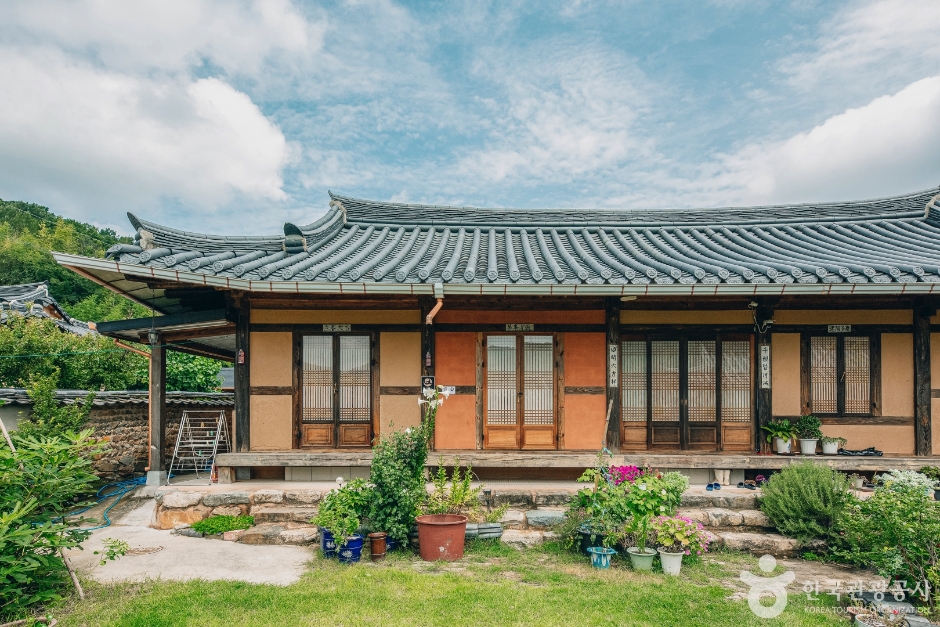
Deokdongdaek House (덕동댁)
9.0Km 2024-08-01
39 , Gaesil 2-gil, Goryeong-gun, Gyeongsangbuk-do
+82-54-956-4022, +82-10-3207-4022
Deokdong House is an elegant hanok standing in Gaesil Village, Gyeongsangbuk-do - hometown of the descendants of Joseon scholar Kim Jong-jik. The hanok’s large wooden gate opens onto a grassy courtyard. There are two guestrooms: Maeshil and Jukshil (‘Plum’ and ‘Bamboo’), the latter of which has cooking facilities and also an outdoor barbecue. In the village, visitors can experience traditional farming (planting rice and digging sweet potatoes) and traditional craft skills such as kite making and straw weaving; as well as making taffy and sweet rice cake, catching mudfish and ice sledding.

Dodongseowon Confucian Academy [UNESCO World Heritage] (도동서원 [유네스코 세계문화유산])
10.7Km 2023-01-05
726, Gujiseo-ro, Dalseong-gun, Daegu
+82-53-616-6407
Dodongseowon Confucian Academy was first established by Confucian scholars in 1568 at the eastern base of Biseulsan Mountain, but was burnt down during the Imjin War (1592-1598). In 1605, the school was reconstructed on its current site and was renamed Borodongseowon. In 1607, the name was changed to Dongdoseowon. "Dongdo" means that the teachings ("do") of Confucianism come from the East (dong in Korean). Dodongseowon is one of the 47 major Confucian academies that was not affected by Heungseon Daewongun's order to eliminate Confucian academies.
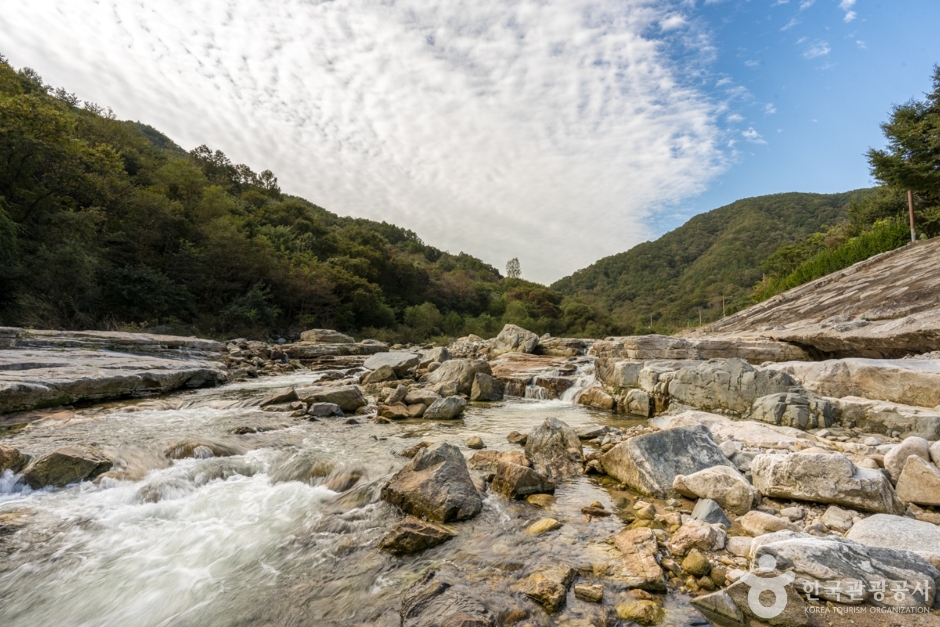
Daegacheongyeogok Valley (Muheulgugok) (대가천계곡(무흘구곡))
10.9Km 2024-02-23
Sincheong-ri, Suryun-myeon, Seongju-gun, Gyeongsangbuk-do
Daegacheongyeogok Valley starts just past Seongju Dam and winds its way towards Cheongamsagyegok Valley in Gimcheon city. The valley's crystal-clear waters, combined with its unique rock formation, creates a spectacular view. Its broad expanse, gentle flow, and shallow depths make it a popular summer getaway. Lifeguards are on duty from early June to late August, providing safety for visitors. Additionally, the nearby Gayasan Mountain and Dogyongsanseong Fortress are worth exploring.
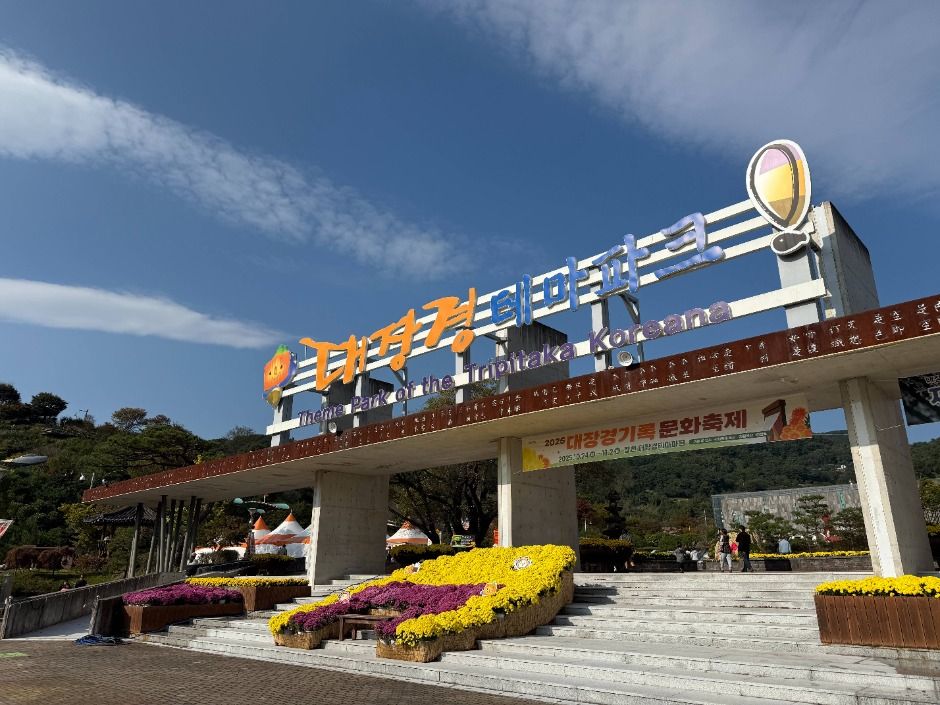
Tripitaka Koreana Cultural Festival (대장경기록문화축제)
11.7Km 2025-11-06
1160 Gayasan-ro, Gaya-myeon, Hapcheon-gun, Gyeongsangnam-do
+82-55-930-4697
The Tripitaka Koreana Cultural Festival showcases the cultural values of Tripitaka Koreana combined with vibrant content featuring splendid autumn flowers. Visitors can enjoy fall flowers and take part in various hands-on activities.
Gayasan National Park (Baegundong Area) (가야산국립공원-백운동 지구)
12.6Km 2021-04-28
Baegun-ri, Seongju-gun, Gyeongsangbuk-do
+82-55-930-8000
Gayasan Mountain in Gyeongsangbuk-do was designated as a national park in 1972. The mountain's main peak, Chilbulbong Peak, towers at 1,433 meters. It borders Seongju-gun, Hapcheon-gun and Geochang-gun. In particular, the mountain range stretching along Suryun-myeon, Seongju-gun is famous for its scenic nature. Furthermore, the beautiful Gayasan Beltway, which extends from Suryun-myeon to Gayasan Mountain, highlights the splendor and grandeur of the precipitous crimson cliffs.
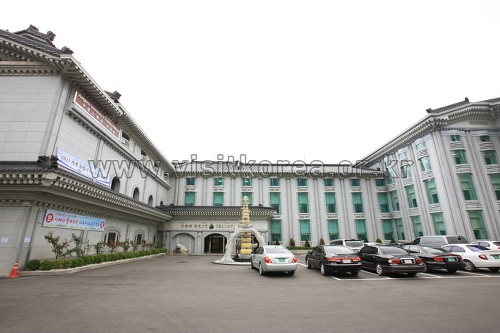
Gaya Hotel (가야호텔)
12.7Km 2025-01-07
52, Gayasansingmurwon-gil, Seongju-gun, Gyeongsangbuk-do
+82-54-931-3500
Gaya Hotel is located 560 meters above sea level on Gayasan Mountain in a pristine natural environment. The hotel also offers a sauna that uses natural mineral water. Near the hotel is the only Korean wild flower botanical garden.
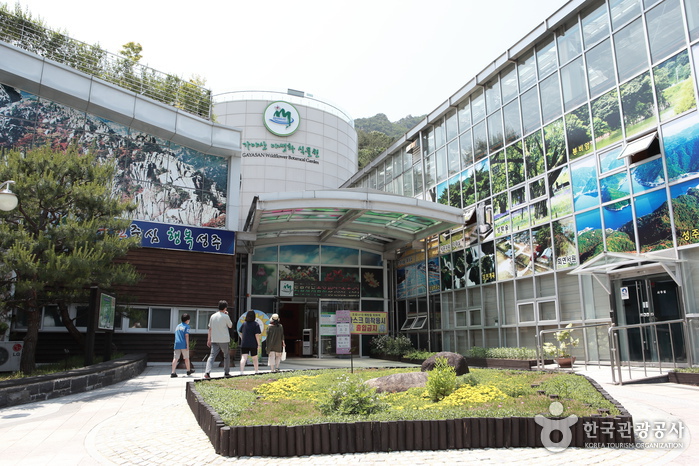
Gayasan Wildflower Botanical Garden (가야산 야생화식물원)
12.8Km 2021-12-22
49, Gayasansingmurwon-gil, Seongju-gun, Gyeongsangbuk-do
+82-54-931-1264
Gayasan Wildflower Botanical Garden opened on June 16, 2006 as the nation's first botanical garden dedicated to wildflowers. The garden is home to over 400 plant species, ranging from wildflowers to trees, and serves as a cultural space with educational research and preservation training. In addition to the general exhibition hall, there is a greenhouse on the basement level. There are 92 tree types including pine, 54 bush types including royal azalea, and 257 wildflower types including windflowers. The garden is beautiful all year round, showcasing the changing of the seasons.
Gayasan National Park Nature Center (국립공원 가야산생태탐방원)
14.1Km 2024-02-23
313 Bongyang-ro 1-gil, Suryun-myeon, Seongju-gun, Gyeongsangbuk-do
Situated in Gayasan National Park, the Nature Center invites visitors to explore the moutain's ecology. Established in 2018 on the grounds of the former Gaya Farm, it serves as a sanctuary for restoring the body and mind and for finding inspiration amidst nature. Facilities include a dormitory, an education center, a restaurant, a nature walk trail, and an outdoor concert hall. The center's ecotourism programs feature trail trekking and the Yuyujajeok Healing Day, offering activities like soap-making and insect model crafting. Noteworthy nearby sites include Gayasan Wildflower Botanical Garden and the Gayasan History & Myth Hall.
 English
 한국어
한국어 日本語
日本語 中文(简体)
 Deutsch
 Français
 Español
 Русский


