
Hwawon Park (화원동산)
15.9Km 2024-04-08
40-14 , Samunjin-ro 1-gil, Dalseong-gun, Daegu
+82-53-659-4465
Hwawon Park, a vast park beside the Nakdonggang River, is steeped in history. The river, once bustling with Samunjin Quay, where ships laden with goods frequented, now features Samunjin Ferries. Visitors can access Dalseong Marsh Ecological Park via a floating walkway across the river. In the vicinity, the Samunjin Jumakchon Village offers traditional beverages and delicacies, including makgeolli (unrefined rice wine) and pajeon (green onion pancake). With well-maintained walking trails, cafés, and picnic spots, the park serves as an ideal destination for family outings.
Dalseong Marsh (대구 달성습지)
16.4Km 2025-06-10
88 Gura 1-gil, Hwawon-eup, Dalseong-gun, Daegu
Dalseong Marsh is located in the meeting point of Nakdonggang River, Geumghogang River, Jincheoncheon Stream, and Daemyeongcheon Stream. Spanning an area of 2 ㎢, the marsh comprises wetlands and freshwater lake where various seasonal aquatic plants are grown. It is also home to several different species of migratory birds.
Village of the Nampyeong Mun Clan in Bon-ri (남평문씨본리세거지)
16.5Km 2021-03-16
16, Inheung 3-gil, Dalseong-gun, Daegu
+82-53-668-3162
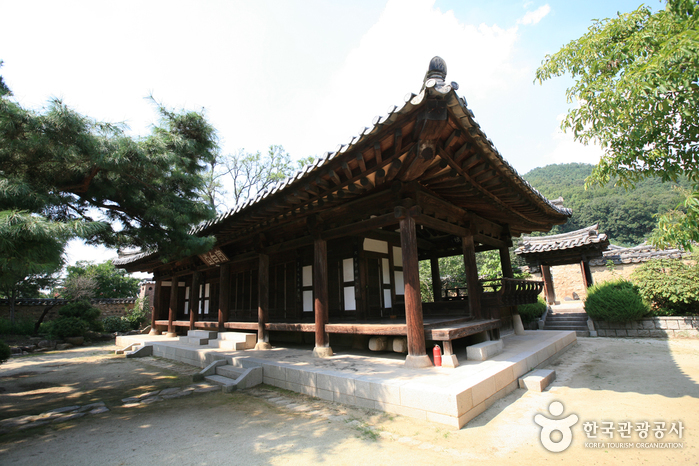
The Village of the Nampyeong Mun Clan in Bon-ri was built on what used to be part of a temple, but was organized following a well-field system to make the area a residence for many generations. As of now, nine houses and two pavilions remain, as well as a low wall along the road.
The main building of the village is Subongjeongsa, located in the center of the area. It was used for meeting guests, as well as a gathering place for the family, and features beautiful gardens. Gwanggeodang Hall was an educational place for studies and refinement. Insumungo Storage Building preserves about 10,000 books and clan treasures. It started out as a small building but later was expanded, including an additional building constructed just to read books.
Changnyeong Upo Wetland (창녕 우포늪)
16.8Km 2023-02-13
220, Uponeup-gil, Changnyeong-gun, Gyeongsangnam-do
+82-55-530-1533
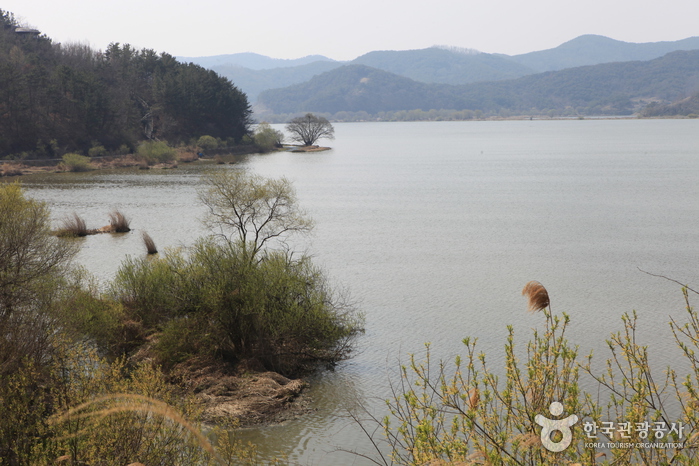
Upo Wetland is the largest natural wetland in Korea. The wetland takes up three different areas of Changnyeong-gun with a total size of 2,314,060 square meters. Created approximately 140 million years ago, the wetland was formed when the soft ground collapsed and water filled the area to form swamps and lakes, where dinosaurs played. Dinosaur footprints can be found at Sejin-ri near Upo Wetland.
Daemyeong Reservoir (대명유수지)
17.1Km 2024-02-15
816 Daecheon-dong, Dalseo-gu, Daegu
Daemyeong Reservoir, located adjacent to Dalseong Marsh, is at the convergence point of the Nakdonggang River, Geumhogang River, Daemyeongcheon Stream, and Jincheon Stream. This area is a rich ecological reserve, home to a diverse range of wildlife including the narrow-mouthed toad, leopard cat, weasel, common kestrel, and water deer, along with various wild plants. Visitors to the area can explore narrow-mouthed toad habitats, observation decks, ecological exploration trails, and photo zones. There's also a narrow-mouthed toad ecological learning center for educational experiences. The surrounding landscape, with its stretches of silver grass and reeds along the walking decks, offers a picturesque setting, particularly attractive for autumn photography.
Daegu Arboretum (대구수목원)
17.2Km 2023-11-17
342 Hwaam-ro, Dalseo-gu, Daegu
+82-53-803-7270
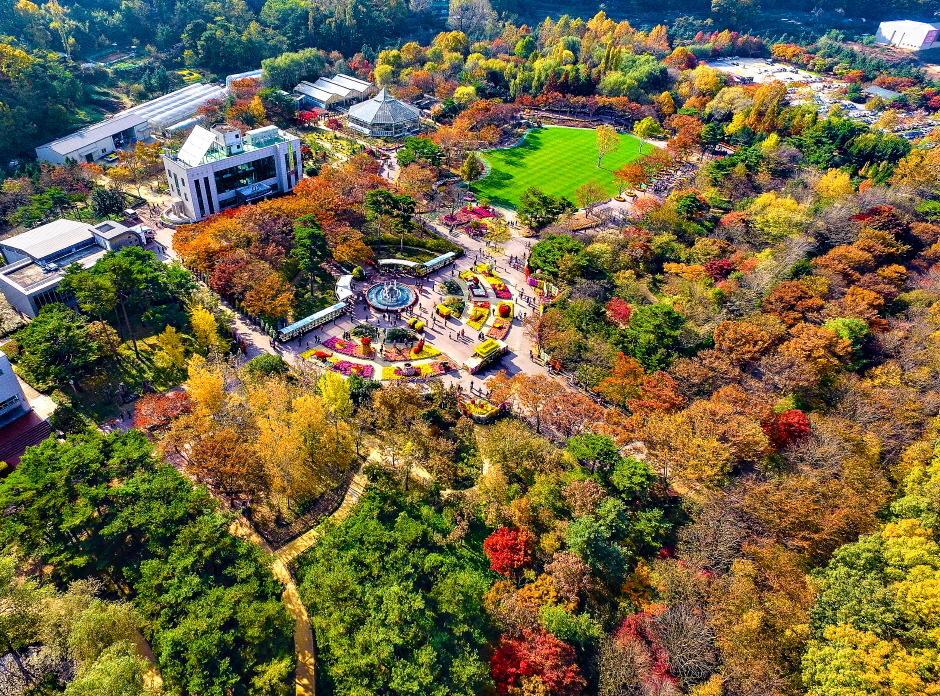
Daegu Arboretum is located at the site of an old sanitary landfill. The restoration of the area passed through many stages from 1996 until the opening in May 2002. It is home to more than thousands of species of plants including giant cacti, flowers, medicinal herbs, and trees in 21 gardens. The arboretum serves as an ecological education center and rest area for Daegu citizens. Ecology experience programs for students and young children are held regularly during summer vacation. Nearby attractions include Apsan and Duryu Parks, as well as Palgongsan and Biseulsan Mountains.
The ARC Communication Space (디아크문화관)
17.6Km 2024-02-29
57 Gangjeongbon-gil, Dasa-eup, Dalseong-gun, Daegu
+82-53-585-0916
The ARC Communication Space features exhibition halls and art galleries on the underground floor, and Circle Theater on the first and second floors, all centered around the theme of water. The name "ARC" stands for Architecture of River Culture and Artistry of River Culture, showcasing themes such as the relationship between rivers and people, rivers and music, rivers and literature, the birth of life, and the rise of civilization.
St. Mary's Pine Forest Village (성모솔숲마을)
17.7Km 2024-02-08
166 Songnae-gil, Gakbuk-myeon, Cheongdo-gun, Gyeongsangbuk-do
St. Mary's Pine Forest Village, a serene retreat house under the Catholic Archdiocese of Daegu, was initially established as a haven for the sick and those seeking spiritual retreats. However, it is now open to all, regardless of their reason for visiting. A mass is celebrated at eleven every morning in the church, welcoming both Catholics and non-Catholics alike. Visitors who are not of the Catholic faith are also encouraged to explore the church, or enjoy a peaceful stroll through the surrounding pine forest. The village comprises several facilities, including the Pine Forest Church, the Way of the Cross, a restaurant, a café, and the Yedam Gallery, which is located within the café.
Midam (미담)
17.8Km 2024-03-20
2-13 Sanghwa-ro 9-gil, Dalseo-gu, Daegu
Midam is a Korean restaurant renowned for delivering the most authentic Korean flavors through its hanjeongsik (Korean table d'hote). They specialize in serving healthy medicinal food, using natural seasonings. The restaurant offers four types of hanjeongsik course: Soheon, Sohye, Inhyeon, and Yeheon. Additionally, their menu includes hanu bulgogi jeongsik (Korean beef bulgogi set menu), hanu modum gui (grilled assorted Korean beef cuts), yeonnipbap (lotus leaf rice), and matcha borigulbi jeongsik (barley-aged dried yellow croaker and matcha set menu). The establishment is exclusively comprised of private rooms, making it advisable to book a reservation in advance.
Gunbulo Bisl Resort Tourism Farm (비슬리조트관광농원 군불로)
17.8Km 2021-03-12
51, Naksan 1-gil, Cheongdo-gun, Gyeongsangbuk-do
+82-54-372-0900
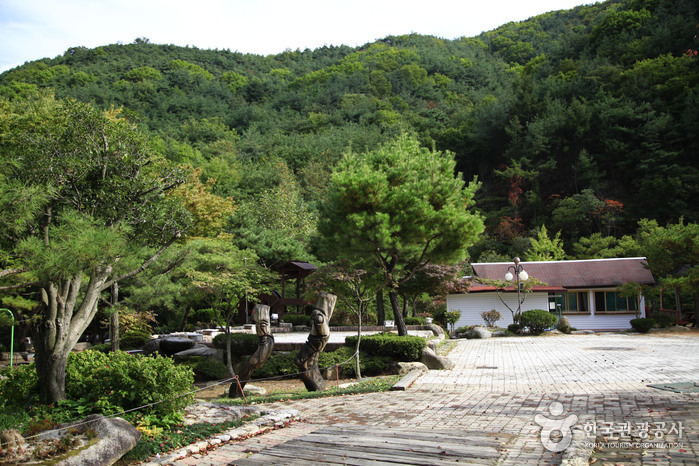
Gunbulo Bisl Resort Tourism Farm is located at the foot of Biseulsan Mountain and is the largest natural farm in the Gyeongsangbuk-do area, spread over 24 acres. The resort's beautiful natural scenery, great facilities, and variety of experience programs make it a popular venue for corporate training, school field trips, conferences, and religious retreats; the youth camp program is especially popular. Visitors are advised to make reservations in advance.
 English
 한국어
한국어 日本語
日本語 中文(简体)
 Deutsch
 Français
 Español
 Русский


