
Olive Young - Gyeongbuk Yeongju Station Branch [Tax Refund Shop] (올리브영 경북영주역점)
19.0Km 2025-10-27
35, Daehak-ro, Yeongju-si, Gyeongsangbuk-do
-
Homeplus - Yeongju Branch [Tax Refund Shop] (홈플러스 영주점)
19.1Km 2025-10-27
29, Daehak-ro, Yeongju-si, Gyeongsangbuk-do
-
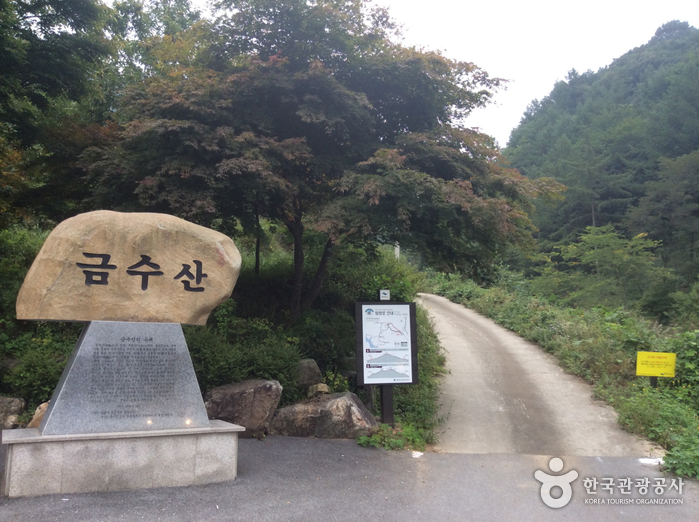
Geumsusan Mountain (금수산)
19.2Km 2021-05-28
210, Sanghak 1-gil, Danyang-gun, Chungcheongbuk-do
+82-43-653-3251
Geumsusan Mountain, originally called Baegamsan Mountain, was renamed by noted Joseon-period scholar Yi Hwang (pen name Toegye) when he was the chief governor of Danyang County, saying its graceful features matched the fineness of silk embroidery. The mountain is beautiful throughout the year with bright foliage in fall and an ice cave that stays frozen until early April. The view from the summit of the mountain resembles a pregnant woman lying on her side, and there is a legend that women who pray for a son here will have their wish come true.
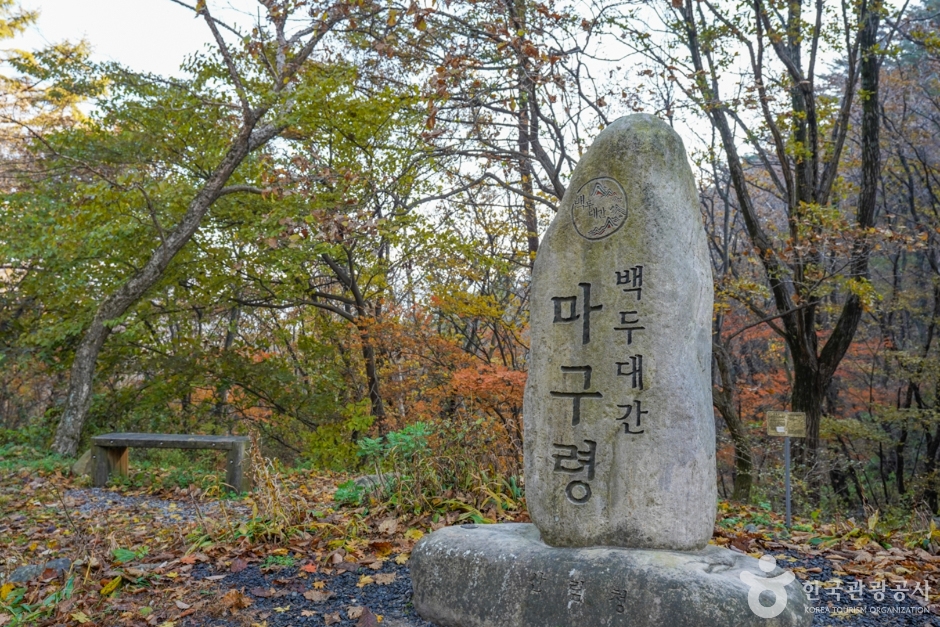
Maguryeong Pass / Gochiryeong Pass (마구령/고치령)
19.7Km 2024-02-23
[Maguryeong Pass] Imgok-ri, Buseok-myeon, Yeongju-si, Gyeongsangbuk-do
Maguryeong Pass and Gochiryeong Pass stand as iconic hills of Sobaeksan Mountain. They are known for their historical significance as rugged pathways where people and goods traversed during the Goryeo and Joseon dynasties. Situated on the easternmost edge of Sobaeksan Mountain, Maguryeong Pass derives its name from its function: "Magu" meaning "harness" and "Ryeong" meaning "pass" in Korean, highlighting its past as a route where merchants commonly traveled on horseback. Meanwhile, Gochiryeong Pass served as a vital transport link to the Gwandong and Hoseo regions. In the Silla dynasty, this pass was earmarked for palace construction at the base of the hill, which led to its name "Gochiryeong" – "Go" indicating "old", "Chi" representing "hill", and "Ryeong" meaning "pass" in Korean – effectively translating to "old hill pass".
 English
 한국어
한국어 日本語
日本語 中文(简体)
 Deutsch
 Français
 Español
 Русский


