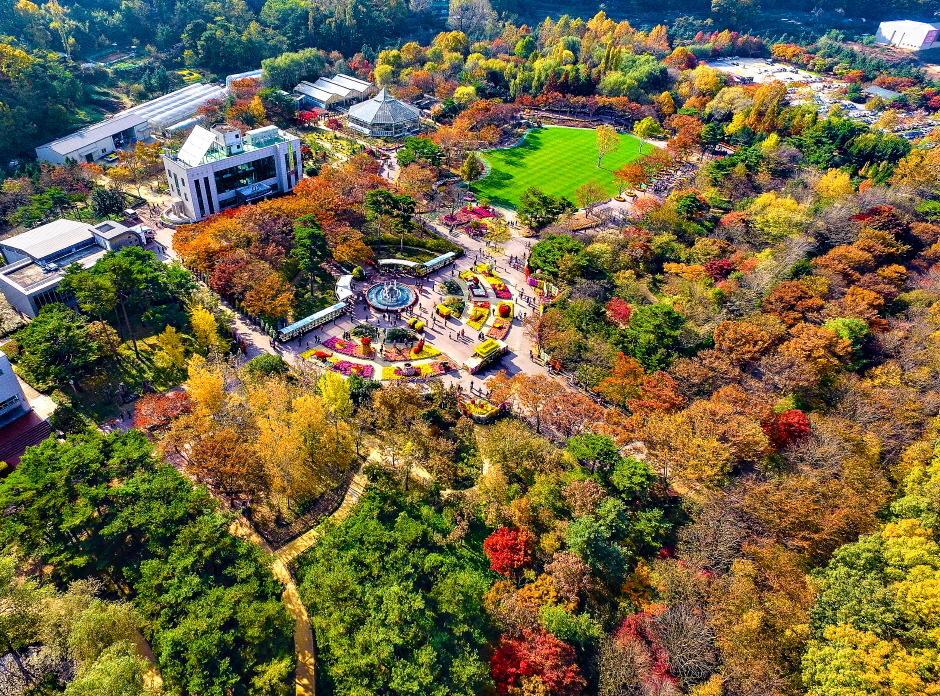
Daegu Arboretum (대구수목원)
16.3Km 2023-11-17
342 Hwaam-ro, Dalseo-gu, Daegu
+82-53-803-7270
Daegu Arboretum is located at the site of an old sanitary landfill. The restoration of the area passed through many stages from 1996 until the opening in May 2002. It is home to more than thousands of species of plants including giant cacti, flowers, medicinal herbs, and trees in 21 gardens. The arboretum serves as an ecological education center and rest area for Daegu citizens. Ecology experience programs for students and young children are held regularly during summer vacation. Nearby attractions include Apsan and Duryu Parks, as well as Palgongsan and Biseulsan Mountains.

Samunjin Jumakchon Village (사문진 주막촌)
16.4Km 2023-11-09
40-12 Samunjin-ro 1-gil, Hwawon-eup, Dalseong-gun, Daegu
Samunjin was the location of a ferry dock on the Nakdonggang River in the past. During the Japanese occupation, the area was turned into a recreation ground, which saw many people coming to enjoy leisure strolls. In November 2013, three hanok jumak (traditional dining establishment) were built at the site of the old dock and the current Samunjin Jumakchon Village was opened. The jumak serve a range of foods that were enjoyed in the past, such as makgeolli, gukbap, and buchujeon (chives pancake). The village is well-known as a place to enjoy the sunset.
Daegu Art Museum (대구미술관)
16.8Km 2025-01-13
40, Misulgwan-ro, Suseong-gu, Daegu
+82-53-803-7900
Daegu Art Museum is a municipal museum supported by the Daegu Municipal Government. The museum holds exhibitions to promote Daegu's art advancement through the study of the art's historical value. The museum also has planned exhibitions introducing the social and artistic issues of the times and the leading trends in the art scene through domestic and overseas exchanges.
Diverse performances and events such as academic programs and lectures with famous professors are offered to children, teens and citizens of all ages. The Art Information Center on the third floor within the museum library is where visitors can read art-related books or rest at the lounge.
Grand opening: May 26, 2011
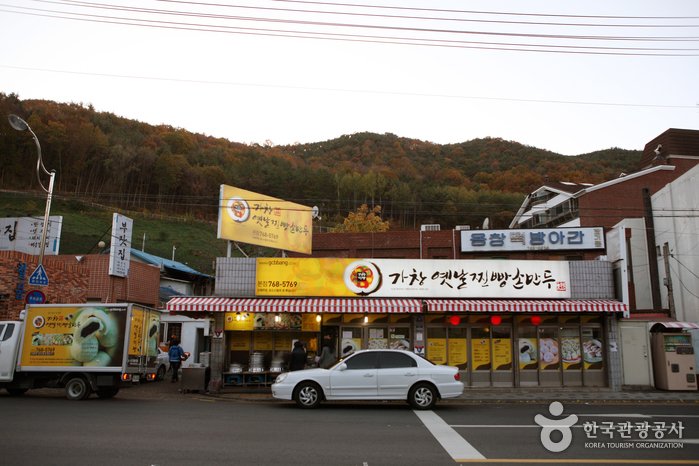
Park Jiyun's Gachang Jinbang (박지연의 가창옛날찐빵본점)
16.8Km 2024-02-27
1099 Gachang-ro, Gachang-myeon, Dalseong-gun, Daegu
053-768-5768
Gachang Original Bread, a renowned steamed bun bakery in Daegu, is celebrated for its jjinppang (steamed buns), a beloved traditional snack in Korea. This shop's success inspired the opening of other establishments selling steamed buns and dumplings in the area, eventually leading to the creation of Gachang Jjinppang Street. Since its opening in 2000, the bakery has committed to selling only buns made on the same day, meticulously kneaded and rolled by hand. Their flagship products, jjinppang and handmade mandu, have gained such popularity that they often attract long lines of customers.
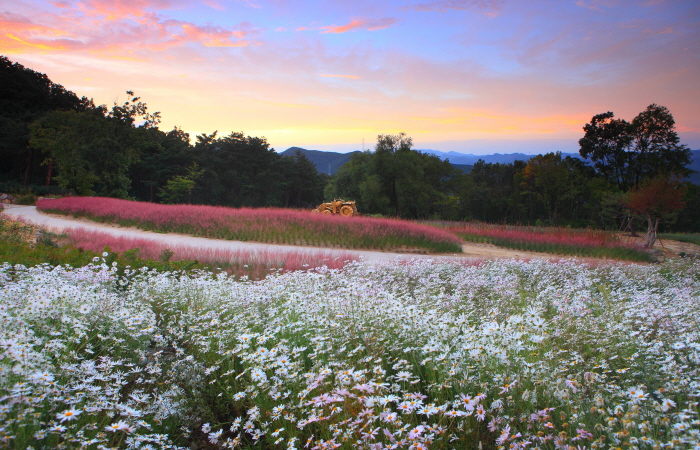
Gasan Supia (가산수피아)
16.9Km 2025-10-27
105 Hakhadeulan 2-gil, Gasan-myeon, Chilgok- gun, Gyeongsangbuk-do
◎ Travel information to meet Hallyu’s charm - "Alchemy of Souls"
The place that was the backdrop for Songlim, where the most powerful spellcasters (shamans) of the land of Daeho (Daehoguk) in Alchemy of Souls resided, is Gasan Supia. It is a vast private garden with verdant forests and herb gardens all year round. Beyond the dense forest pathways seen in the drama, the location boasts attractions such as a pink muhly field, a cafe, and themed gardens. It is a delightful place to visit.
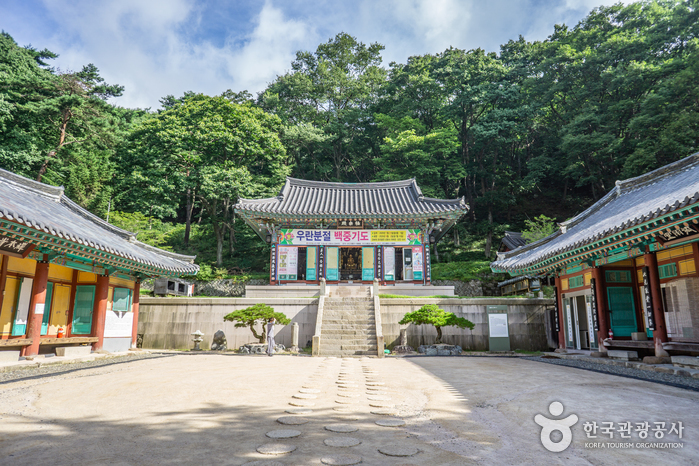
Gyeongsan Seonbonsa Temple (선본사(경산))
17.0Km 2021-12-02
699, Gatbawi-ro, Gyeongsan-si, Gyeongsangbuk-do
+82-53-851-1868
Seonbonsa Temple is a centrally administered temple of the Jogye Order. It was originally built in 491 by Geukdal, and later repaired in 1641. The temple is home to many important cultural treasures, including the Stone Seated Buddha at Gwanbong Peak (Treasure), Three-story Stone Pagoda (Gyeongsangbuk-do Cultural Heritage), and stone lanterns.
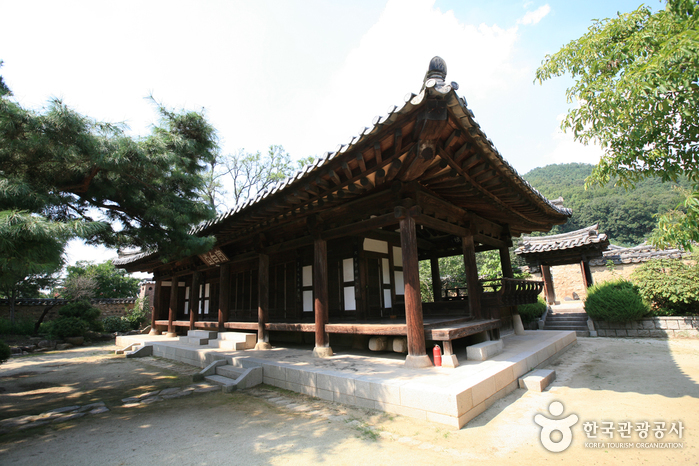
Village of the Nampyeong Mun Clan in Bon-ri (남평문씨본리세거지)
17.3Km 2021-03-16
16, Inheung 3-gil, Dalseong-gun, Daegu
+82-53-668-3162
The Village of the Nampyeong Mun Clan in Bon-ri was built on what used to be part of a temple, but was organized following a well-field system to make the area a residence for many generations. As of now, nine houses and two pavilions remain, as well as a low wall along the road.
The main building of the village is Subongjeongsa, located in the center of the area. It was used for meeting guests, as well as a gathering place for the family, and features beautiful gardens. Gwanggeodang Hall was an educational place for studies and refinement. Insumungo Storage Building preserves about 10,000 books and clan treasures. It started out as a small building but later was expanded, including an additional building constructed just to read books.
Daegu Stadium (대구스타디움)
17.5Km 2022-06-30
180, Universiad-ro, Suseong-gu, Daegu
+82-53-803-8300
Daegu Stadium is a sports stadium located in Daeheung-dong, Suseong-gu in Daegu. Construction of the stadium began on July 28, 1997 and was completed on May 20, 2001. Its roof is designed to resemble a globe, incorporating the beautiful curves found in the roofs of traditional Korean houses.
The stadium seats approximately 66,000 people and is suitable for hosting large-scale international sports games and 74% of the seats are protected by a Teflon-coated overhang. The 47,407 square meter stadium has three stories below ground and three above ground floors and is built on a 512,479 square meters of land just 9 kilometers southeast of the city’s downtown area.
Stadium facilities include a gymnasium, baseball field, indoor ice rink, horseback riding track, tennis court, fitness center, shooting range, archery range, skateboard park, and an indoor jogging course. There are smaller buildings for taekwondo, judo, and rock climbing.
Daegu Stadium has hosted a number of 2002 FIFA World Cup matches; Senegal vs. Denmark (June 6), Slovenia vs. South Africa (June 8), Korea vs. U.S.A. (June 10) and Korea vs. Republic of Turkiye (June 29).
![Olive Young - Daegu Siji Branch [Tax Refund Shop] (올리브영 대구시지)](http://tong.visitkorea.or.kr/cms/resource/51/2884151_image2_1.jpg)
Olive Young - Daegu Siji Branch [Tax Refund Shop] (올리브영 대구시지)
17.9Km 2024-04-18
3214, Dalgubeol-daero, Suseong-gu, Daegu
-
Palgongsan National Park (Eunhaesa Temple Section) (팔공산국립공원 - 은해사지구)
18.4Km 2025-04-08
Geojo-gil, Yeongcheon-si, Gyeongsangbuk-do
+82-54-852-8031
Located east of Daegu downtown, Palgongsan Mountain (1,192.3m) was called both Jungaksan and Buaksan Mountain during the Silla period. The mountain has many ancient temples and historical sites such as the Gatbawi Stone Buddha, Wonhyosa Temple, Cheonseongsa Temple and Bulgulsa Temple.
 English
 한국어
한국어 日本語
日本語 中文(简体)
 Deutsch
 Français
 Español
 Русский


