
Korea Medical Institute Daegu Branch ((재)한국의학연구소 대구분사무소)
1.1Km 2025-10-23
B1-B2, 20 Jungang-daero 66-gil, Jung-gu, Daegu
Korea Medical Institute (KMI), a leader in 'K-health checkups,' operates health checkup centers across eight locations nationwide, from Seoul to Jeju. KMI has been striving to prevent and detect diseases early. It has led the popularization of comprehensive medical examinations in Korea. Based on 43 years of accumulated data and expertise, KMI has enhanced its capabilities in health checkups, services, and brand value.
By utilizing its diagnostic data accumulated over the years, KMI provides accurate test results and follow-up care promptly.
KMI will stay committed to becoming a lifetime health management partner and 'K-health checkup' leader by leveraging its excellence in Korean medicine, beyond health checkups for foreign patients.
Daegu Citizen Stadium (대구시민운동장)
1.2Km 2021-06-11
12-1, Goseong-ro 35-gil, Buk-gu, Daegu
+82-53-606-8200
The Daegu Citizen Stadium was established on April 20, 1948. It features a main stadium, a baseball stadium, a ssireum (Korean wrestling) stadium, tennis courts, and much more. Since its expansion in 1975, the Daegu Citizen Stadium hosted several soccer matches during the 1986 Asian Games and the 1988 Summer Olympics.
Bongsan Culture Street (봉산문화거리)
1.3Km 2025-01-09
38, Bongsanmunhwa-gil, Jung-gu, Daegu
+82-53-425-6845
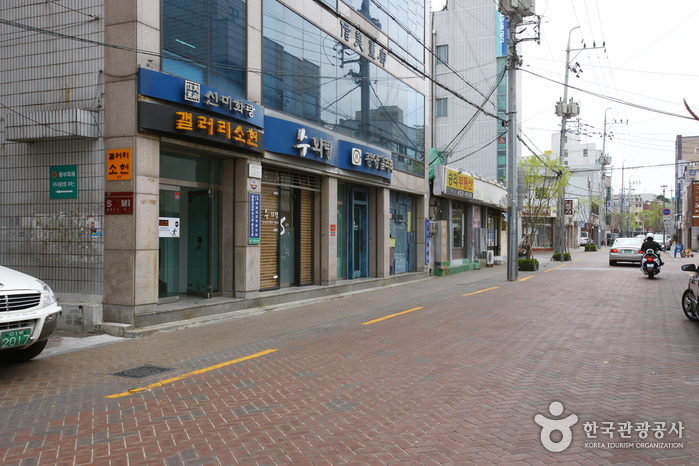
Bongsan Culture Street is a landmark culture & arts place in Daegu. The street, which stretches all the way from Daegu Hakwon to Bongsan Yukgeori (six-way intersection), has over 20 galleries of various sizes.
It was 1991 when the small alley with several art galleries started to turn into a breeding ground for culture and the arts. Soon after, the street was officially designated ‘Bongsan Culture Street’ and subsequently, the roads were neatly paved, artistic street lamps were installed, and streetside gardens were created. With the opening of Bongsan Culture Center and Cultural House for Teens, the street became increasingly frequently by citizens, not just professional artists.
At Bongsan Culture Street, artwork os on display throughout the year and every October (when the Bongsan Art Festival is held) the whole street is filled with artistic passion.
Daegu Opera House (대구오페라하우스)
1.3Km 2021-11-09
15, Hoam-ro, Buk-gu, Daegu
+82-53-666-6000
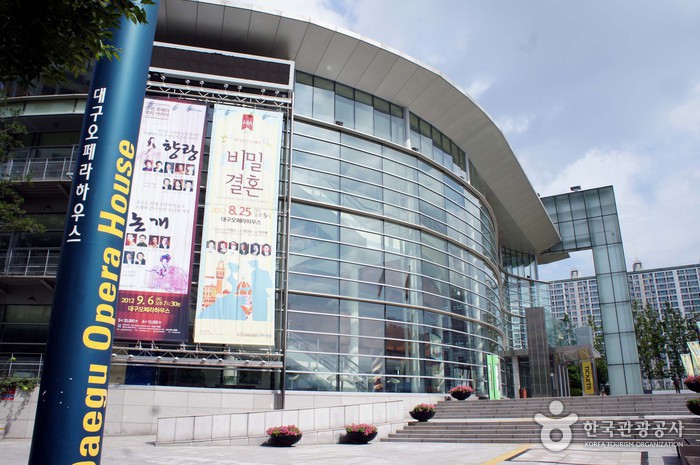
Daegu Opera House is the first municipal opera house that opened in Korea. It is equipped with high-tech audio and lighting system, a revolving stage and an audience seats arranged in a horseshoe shape. The exterior of building is also quite exquisite, with a curvy glass roof designed to resemble a grand piano. The opera house holds a wide range of programs that are entertaining and affordable. There are also special performances for international visitors to ensure all who spend a night out at the opera have an enjoyable evening.
NUNE EYE HOSPITAL (누네안과병원)
1.3Km 2025-11-21
2179 Dalgubeol-daero, Jung-gu, Daegu
Nune Eye Hospital is a specialized ophthalmology hospital designated by the Ministry of Health and Welfare (2024 to 2026)
The hospital is equipped with the human and material infrastructure to treat a variety of eye conditions. It maintains a staff of 24 ophthalmology specialists across detailed sub-fields, including Refractive Surgery, Cataract, Retina, Glaucoma, and Pediatric/Neuro-Ophthalmology.
Key equipment includes the SCHWIND ATOS and AMARIS RED SPT for vision correction, and the LENSAR and CENTURION for cataract procedures.
The hospital features precision examination rooms, consultation rooms, sterile operating theaters, and inpatient wards, enabling a comprehensive ONE-STOP process for diagnosis, treatment, and surgery.
Daegu Dalseong Park (대구 달성공원)
1.4Km 2023-11-14
35 Dalseonggongwon-ro, Jung-gu, Daegu
+82-53-803-7350
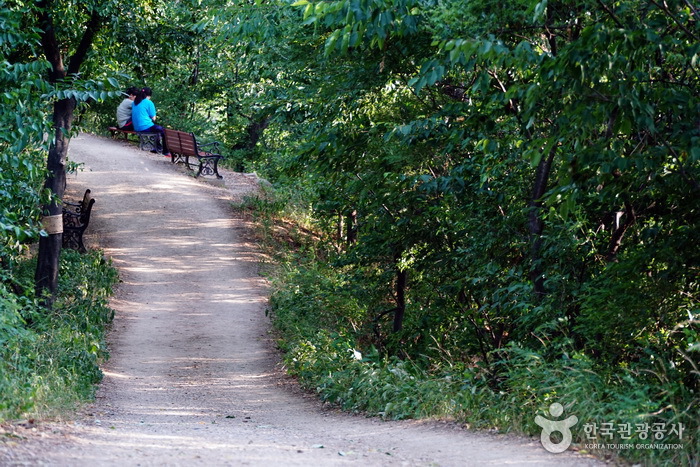
Daegu Dalseong Park is the oldest outdoor leisure place in Daegu. The park was once a fortress location of Dalgubeol, a tribal country of the Three Kingdoms Era. The area was established as a park in 1905, and in 1965, the city of Daegu transformed the park into the well-organized leisure area loved by citizens and visitors today. Within the park is Historical Monument Gwanpungnu Pavilion, built in 1601 and moved from the entrance of Gyeongsanggamyeon to the park in 1906.
Kim Kwangseok-gil Street (김광석 길 (김광석다시그리기길))
1.8Km 2025-10-23
2238, Dalgubeol-daero, Jung-gu, Daegu
+82-53-218-1053
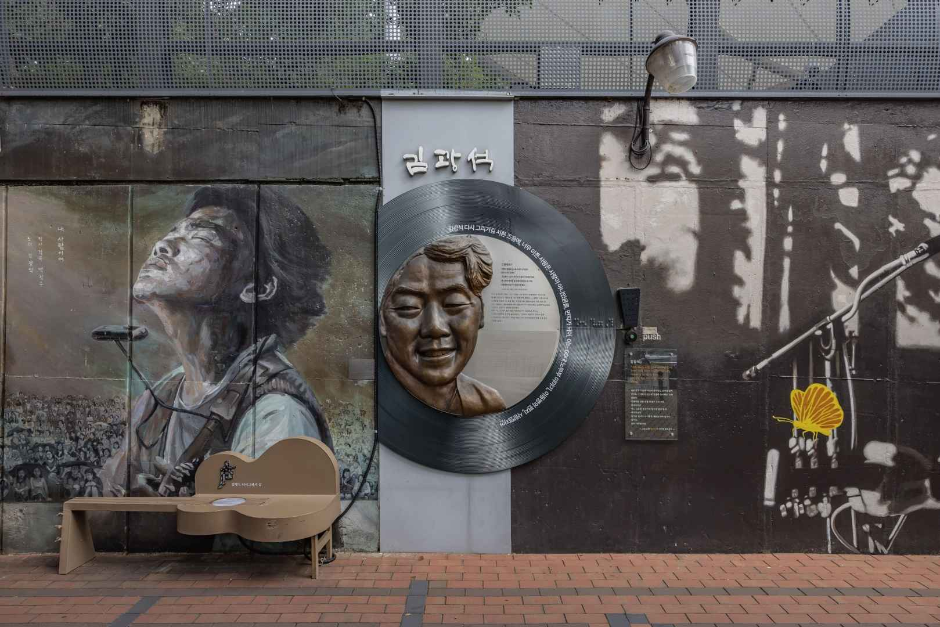
Kim Kwangseok-gil Street is a mural street near Bangcheon Market in the neighborhood where musician Kim Kwang-seok used to live prior to his passing. The 350 meter-long wall has statues and murals depicting his life and music. Every autumn, the area of Bangcheon Market and Dongseongno hosts a “Kim Kwang-seok Singing Contest” in his memory.
◎ Travel information to meet Hallyu’s charm - TV series"Hyde Jekyll, Me"
The place where Robin and Ha-na go on a last date together is Kim Kwangseok-gil Street, a series of alleyways next to Bangcheon Market adorned with murals dedicated to the legendary singer Kim Kwang-Seok. It also features many famous cafés and restaurants, so it is a popular date spot.
![Daegu Department Store - Praza Branch [Tax Refund Shop] (대구백화점 프라자점)](http://tong.visitkorea.or.kr/cms/resource/91/2889791_image2_1.jpg)
Daegu Department Store - Praza Branch [Tax Refund Shop] (대구백화점 프라자점)
2.2Km 2024-04-18
333, Myeongdeok-ro, Jung-gu, Daegu
-
![Homeplus Stores - Naedang Branch [Tax Refund Shop] (홈플러스스토어즈 내당)](http://tong.visitkorea.or.kr/cms/resource/36/2883936_image2_1.jpg)
Homeplus Stores - Naedang Branch [Tax Refund Shop] (홈플러스스토어즈 내당)
2.7Km 2024-04-22
1821, Dalgubeol-daero, Seo-gu, Daegu
-
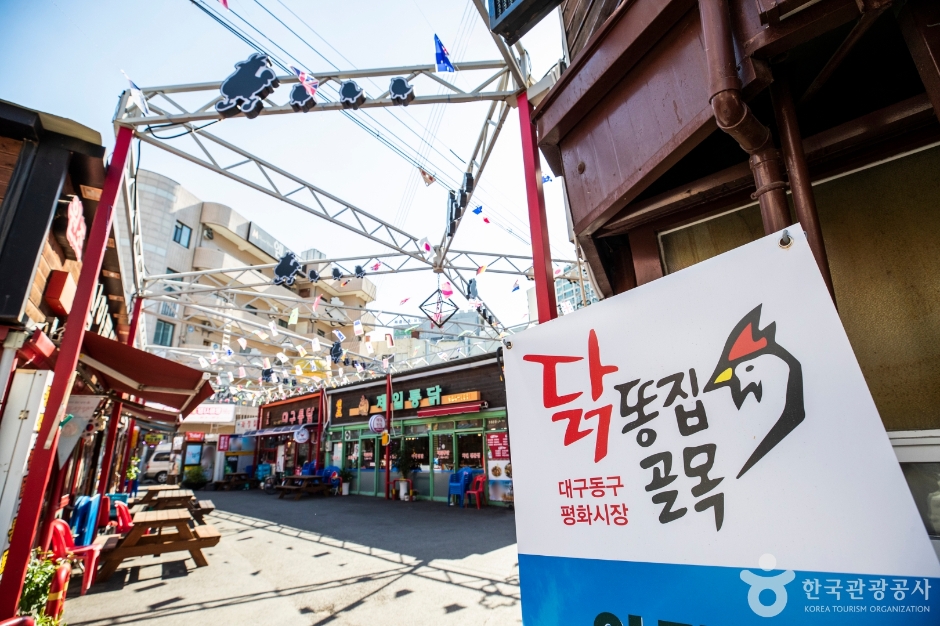
Pyounghwa Market Dakttongjip Street (대구 평화시장 닭똥집 골목)
2.8Km 2023-11-17
6 Ayang-ro 9-gil, Dong-gu, Daegu
+82-53-662-4072
Pyounghwa Market Dakttongjip Street was established with the opening of Samatongdak in 1972, and is a street specializing in chicken gizzard dishes. It is said that the dish was first offered as an affordable dish to accompany drinks, favored by blue-collar laborers who gathered at the early labor market in front of Pyounghwa Market in the 1970s. Inexpensive and delicious, the dish has remained popular.
 English
 한국어
한국어 日本語
日本語 中文(简体)
 Deutsch
 Français
 Español
 Русский


