
Gooam Farmstay Village (구암팜스테이마을)
12.1Km 2024-03-15
8-1 Guam-gil, Dong-gu, Daegu
+82-53-984-5273
Known as "Gooam" due to its rock formations resembling turtle's shell, Gooam Farmstay Village offers various activities such as harvesting agricultural produce, traditional food making, traditional games, and craft experiences. Depending on the season, there are experiences like picking strawberries, digging potatoes, picking cherry tomatoes, gathering chestnuts, and harvesting persimmons. Visitors can also participate in making bean curd, rice cakes, kimchi, catching loaches, making kite, and experiencing hanji crafts.
Olive Young - Gyeongsan Market Branch [Tax Refund Shop] (올리브영 경산시장점)
12.2Km 2025-10-27
78, Jungang-ro, Gyeongsan-si, Gyeongsangbuk-do
-
Hwawon Park (화원동산)
12.4Km 2024-04-08
40-14 , Samunjin-ro 1-gil, Dalseong-gun, Daegu
+82-53-659-4465
Hwawon Park, a vast park beside the Nakdonggang River, is steeped in history. The river, once bustling with Samunjin Quay, where ships laden with goods frequented, now features Samunjin Ferries. Visitors can access Dalseong Marsh Ecological Park via a floating walkway across the river. In the vicinity, the Samunjin Jumakchon Village offers traditional beverages and delicacies, including makgeolli (unrefined rice wine) and pajeon (green onion pancake). With well-maintained walking trails, cafés, and picnic spots, the park serves as an ideal destination for family outings.
Samunjin Jumakchon Village (사문진 주막촌)
12.7Km 2023-11-09
40-12 Samunjin-ro 1-gil, Hwawon-eup, Dalseong-gun, Daegu
Samunjin was the location of a ferry dock on the Nakdonggang River in the past. During the Japanese occupation, the area was turned into a recreation ground, which saw many people coming to enjoy leisure strolls. In November 2013, three hanok jumak (traditional dining establishment) were built at the site of the old dock and the current Samunjin Jumakchon Village was opened. The jumak serve a range of foods that were enjoyed in the past, such as makgeolli, gukbap, and buchujeon (chives pancake). The village is well-known as a place to enjoy the sunset.
The ARC Communication Space (디아크문화관)
12.9Km 2024-02-29
57 Gangjeongbon-gil, Dasa-eup, Dalseong-gun, Daegu
+82-53-585-0916
The ARC Communication Space features exhibition halls and art galleries on the underground floor, and Circle Theater on the first and second floors, all centered around the theme of water. The name "ARC" stands for Architecture of River Culture and Artistry of River Culture, showcasing themes such as the relationship between rivers and people, rivers and music, rivers and literature, the birth of life, and the rise of civilization.
Olive Young - Yeungnam Univ. Branch [Tax Refund Shop] (올리브영 영남대점)
13.3Km 2025-10-28
285, Daehak-ro, Gyeongsan-si, Gyeongsangbuk-do
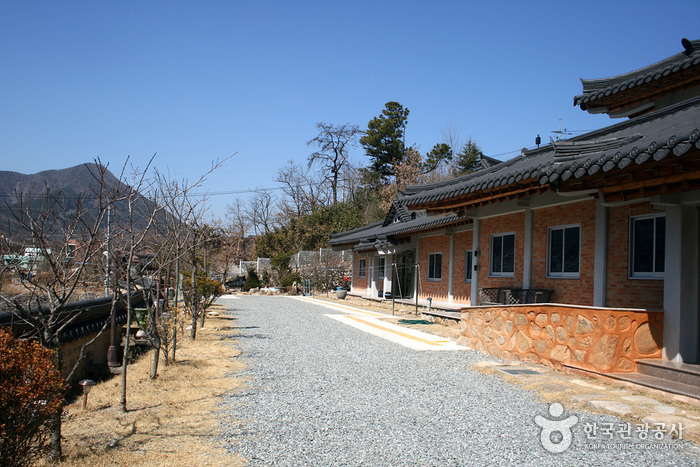
Museum of Natural Dye Arts (자연염색박물관)
13.3Km 2021-03-19
17, Pagye-ro 112-gil, Dong-gu, Daegu
+82-53-981-4330
The Museum of Natural Dye Arts was formed to collect and preserve the traditional way of dyeing, as well as inform the high quality of Korean natural dye to the world. The museum has various art products from around the world. Divided into two floors, Ahwon Gallery on the first floor showcases replicas of ancient dyeing tools and provides information on the natural dyeing process. The Relic Hall on the second floor displays pieces of ancient artwork including fabric, clothes, pillows, blankets and accessories, all made using different methods such as dyeing, embroidery, quilting, knotting and sewing.
Olive Young - Gyeongsan Choyeong Branch [Tax Refund Shop] (올리브영 경산조영점)
13.4Km 2025-10-28
321 Daehak-ro, Gyeongsan-si, Gyeongsangbuk-do
Olive Young - Gyeongsan Sadong Branch [Tax Refund Shop] (올리브영 경산사동점)
14.2Km 2025-10-28
72 Baekja-ro, Gyeongsan-si, Gyeongsangbuk-do
Yongyeonsa Temple (Daegu) (용연사(대구))
14.7Km 2024-02-15
260 Yongyeonsa-gil, Okpo-eup, Dalseong-gun, Daegu
The name Yongyeonsa has its roots in a legend: a dragon is said to have ascended from the pond at the temple's entrance, leading to the name Yongyeon ("yong" means "dragon" and "yeon" means "pond" in Korean). This temple is renowned as one of the sites that enshrine the Buddha's sarira (relics). Inside Yongyeonsa, the ordination platform holds special significance as the resting place of the Buddha's sarira, where rituals are conducted. This symbolizes the enduring presence of the Buddha. The approach to Yongyeonsa Temple is through a forest-rich path, offering an experience akin to a forest bathing. This path also doubles as a hiking trail leading up to Biseulsan Mountain.
 English
 한국어
한국어 日本語
日本語 中文(简体)
 Deutsch
 Français
 Español
 Русский


