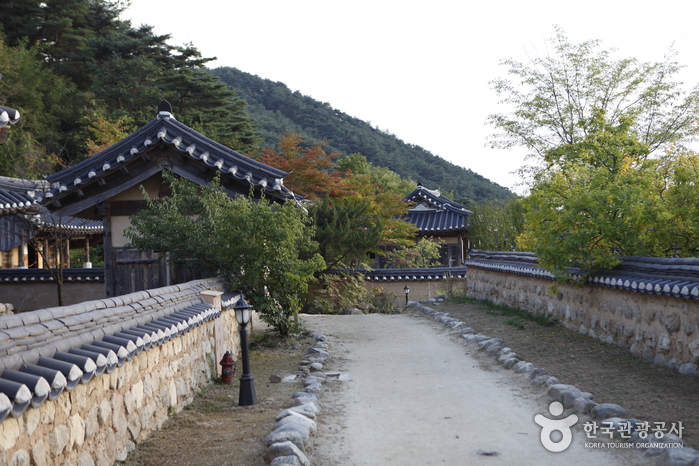
Seonbichon Village (선비촌)
14.3Km 2022-08-22
2796, Sobaek-ro, Yeongju-si, Gyeongsangbuk-do
+82-54-638-6444
Seonbichon Village in Yeongju, Gyeongsangbuk-do, the cradle of Korean Confucianism, is where the spirit and cultural heritage of Korea’s classical scholars are preserved. The village is the perfect place to learn about traditional Korea, and is famous for its classical scholars’ loyalty and filial piety.
Seonbichon village offers a variety of traditional activities for visitors, from pounding rice cake to hanging wish lanterns to attending a traditional wedding ceremony or playing folk games such as yutnori or jegichagi. Visitors can also enjoy traditional dining at Jeojatgeori Street and learn about history through the museum. Guests can also enjoy the unique experience of staying in a hanok house through the overnight program and participate in scholar programs.

Sosu Museum (소수박물관)
14.4Km 2021-03-11
2780, Sobaek-ro, Yeongju-si, Gyeongsangbuk-do
+82-54-639-7691
Sosu Museum aims to consolidate and organize the nation’s traditional Confucian legacy and to establish the root of the national spirit through Sosuseowon, the first Confucian academy ever created in Korea. This museum is the only Confucian museum where visitors can experience the very valuable legacy of the Confucian culture and the rise and fall of Confucianism during the Joseon dynasty. The museum opened on September 22, 2004 and since then, it has been a place where one can experience the dynamic historical adventure through valuable Confucian relics and remains. The museum also aims to revitalize the local culture of the Yeongju area by showcasing the region's well-preserved cultural assets and items.
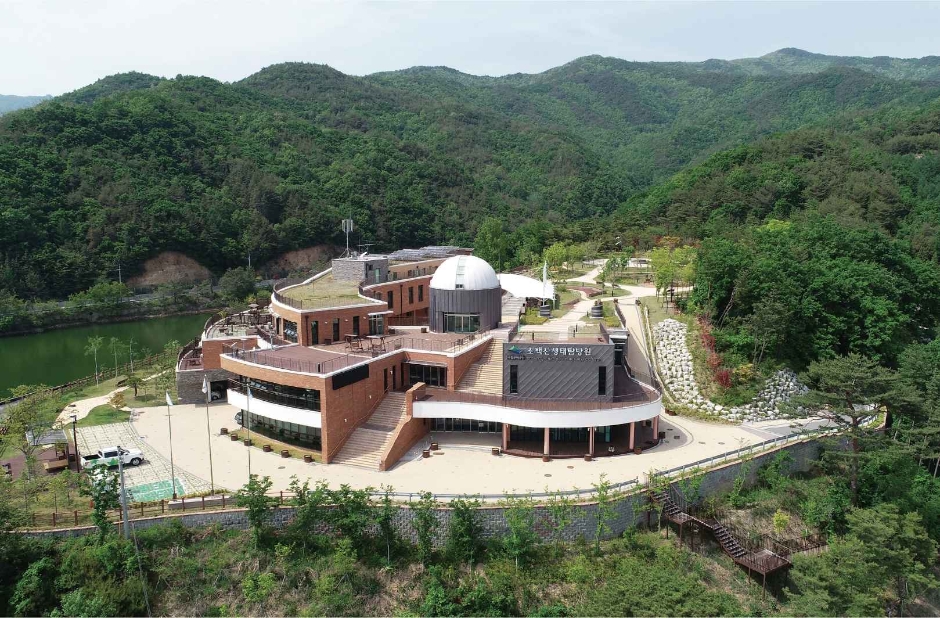
Sobaeksan National Park Nature Center (소백산생태탐방원)
14.7Km 2025-10-23
253 Yeongdan-ro, Dansan-myeon, Yeongju-si, Gyeongsangbuk-do
Located inside Sobaeksan National Park, the Sobaeksan National Park Nature Center specializes in ecological experiences and environmental education. The center operates various programs by leveraging the superb ecological system of the Sobaeksan Mountain area. Programs include Sobaeksan Mountain climbing and ginseng experiences for physical health; forest meditation for mental health; and wellness programs with a focus on visiting world heritage sites related to Buddhist culture, for social well-being. Other programs include seasonal ecotourism programs (short-term programs); environmental education for future generations; and cooking classes using local specialties to lead the way for ecological well-being. Additionally, the center has an auditorium & classrooms(for education, training or conferences), and a cafeteria. Individuals and group visitors can use the facilities. Nearby tourist destinations include the Red Fox Eco Park, where visitors can observe first-class endangered wild animals; and historical and cultural sites, such as Buseoksa Temple and Sosuseowon Confucian Academy, which were designated as UNESCO World Heritage Sites.
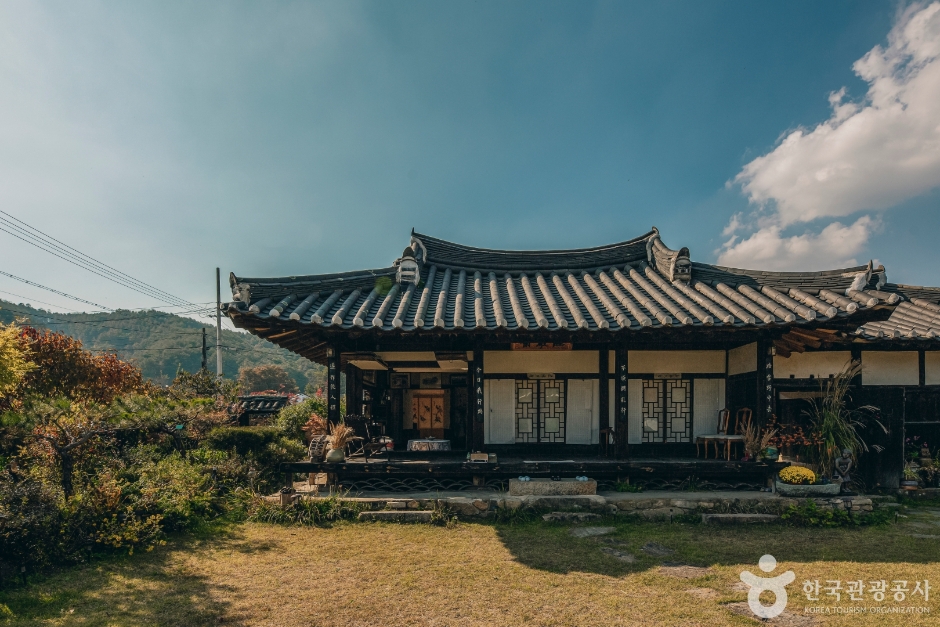
Seongamje / 성암재
16.7Km 2025-03-05
19-18 , Seodong-gil, Bonghwa-gun, Gyeongsangbuk-do
+82-54-673-5011
Seongamjae in Chunyang-myeon, Bonghwa-gun, Gyeongsangbuk-do, was built in 1915 by Seongam Kang Seung-won, son of Uijae Kang Pil who was an early campaigner for independence from Japan. Built of pinewood, the house is now equipped with modern facilities. In-room cooking is not allowed, a pay-for brunch is available. Next door is Bonghwa Mansan Old House, a National Folk Cultural Asset which guests are free to look around. Chunyang Station on the Yeongdong Line is a 5-minute walk away, and a luggage storage service is available.
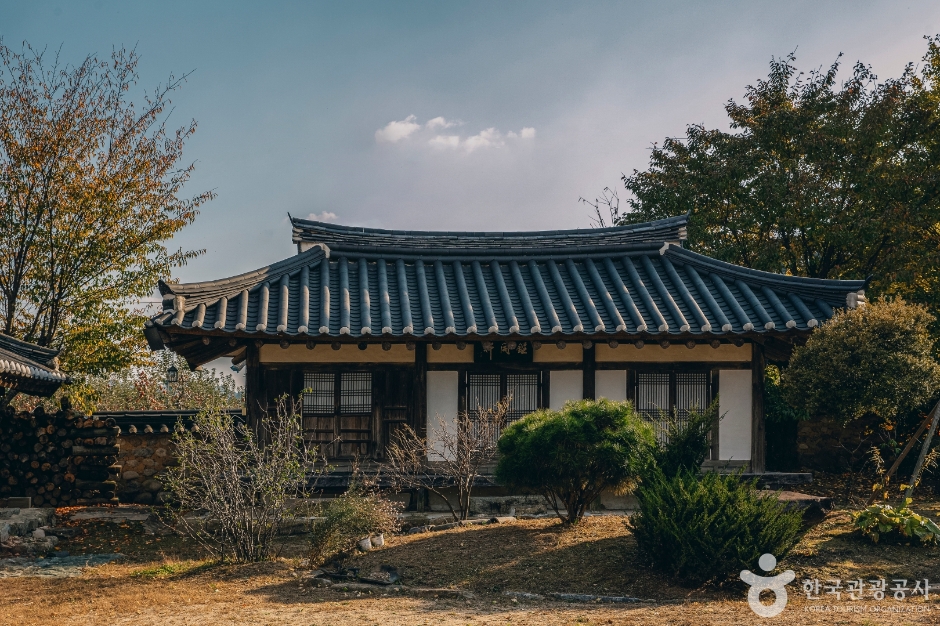
Gwonjinsadaek House (권진사댁)
16.8Km 2024-12-13
39 , Nakcheondang-gil, Bonghwa-gun, Gyeongsangbuk-do
+82-10-9016-3201
Gwonjinsadaek House is a magnificent historic house with a history of more than 130 years, also known as Seongam House located in Chunyang-myeon, Bonghwa-gun, Gyeongsangnam-do. The first thing you notice as you walk inside past the tall gate is the sarangchae (detached building). There four guest rooms, Keun Sarangbang (large room), Jakeun Sarangbang (small room), Saesarangbang (new study room), and Jungbang (medium-sized room), all of which are ondol (underfloor heated) rooms except for Keun Sarangbang. There are no showers, toilets, or cooking facilities inside the rooms. Breakfast is not provided, but rice cakes and tea are complimentary. Nearby tourist attractions include the Mansan House and the East and West Three-Story Stone Pagodas in Seodong-ri, Bonghwa.
Sobaeksan National Park (Gyeongsangbuk-do Region) (소백산국립공원(경북))
16.9Km 2023-02-17
Punggi-eup, Yeongju-si, Gyeongsangbuk-do
+82-54-638-6196
Sobaeksan National Park was designated as the 18th national park in December 1987. The features of Sobaeksan National Park include wildflowers and royal azaleas in spring and snowy scenery in winter. The mountain borders three provinces and four cities. Attractions include various peaks, temples, and waterfalls. The mountain is especially popular in May when royal azaleas are in full bloom and a natural forest tunnel is formed. Birobong Peak of the mountain is covered with snow six months of the year and is called the Alps of Korea.
Nosongjeong Head House (노송정종택(퇴계생가))
17.4Km 2024-12-13
46-5 , Onhyejungma-gil, Andong-si, Gyeongsangbuk-do
+82-54-856-1052
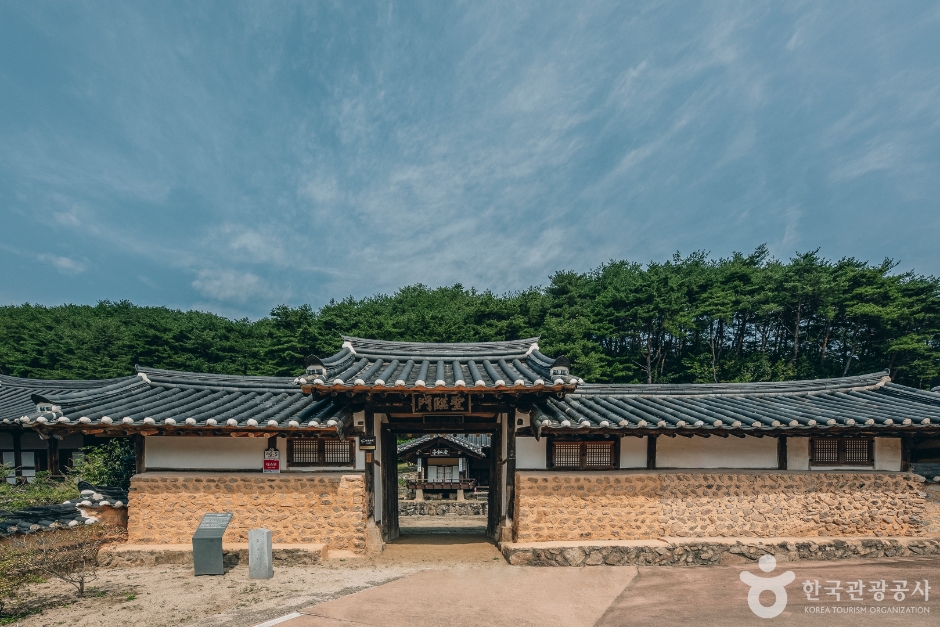
Nosongjeong Head House is located in Dosan-myeon, Andong, Gyeongsangbuk-do and is the birthplace of Toegye Yi Hwang. The room in which Toegye Yi Hwang was born is known as Toegye Taesil, and it is uniquely designed in the shape of a castle with banisters covering three sides of the center. There are seven guest rooms, including keun sarangchae (large detached building) and chaekbang (study), and a bathroom in anbang (main room). Nosongjeong Pavilion consists of two large rooms with a maru equivalent of a wide wooden-floored area, and the bathroom and shower are outside. Guests staying in the upper room, lower room, large room, and small room also have to use the outdoor bathroom. Nearby are historic sites such as the Dosanseowon Confucian Academy, Cheongnyangsa Temple, and Gukmangbong Peak.
On-gye Jongtaeg (Sambaegdang) / 온계종택 삼백당
17.5Km 2025-03-04
20 , Onhyejungma-gil, Andong-si, Gyeongsangbuk-do
+82-10-8704-3434, +82-10-2988-3435
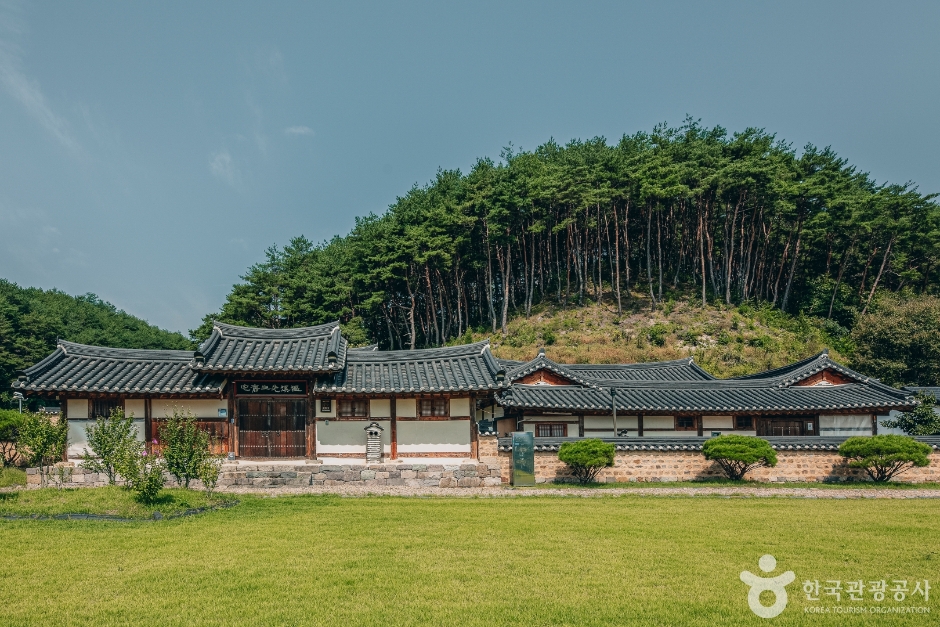
Ongye Jongtaek Sambaekdang in Andong, Gyeongsangbuk-do, is a restored hanok and original home of Ongye Lee Hae, the older brother of the famous Toegye Lee Hwang. Right outside the hanok stands a 500-year-old chestnut tree, symbolic guardian of the village. Some guestrooms have bathrooms with toilet, while some have AC. The shower room, laundry room, kitchen, storage room, and wood-floor sitting room are shared. For groups of 10 or more, an outdoor barbecue can be arranged - but inquire ahead. Visitors who book in advance can take part in handicraft programs such as tea-bag making.
Cheongnyangsan Provincial Park (청량산도립공원)
17.9Km 2022-07-26
39, Gwangseok-gil, Bonghwa-gun, Gyeongsangbuk-do
+82-54-679-6651
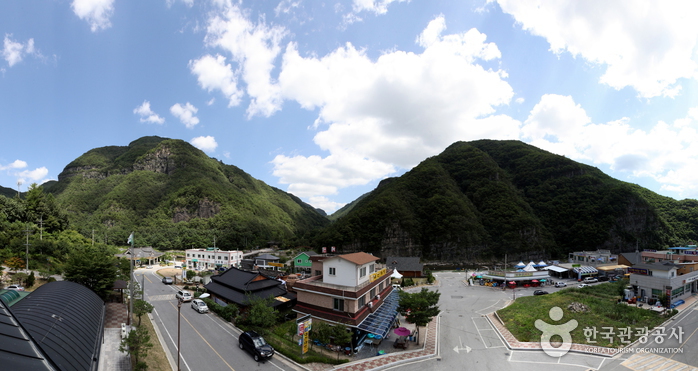
Cheongnyangsan Mountain, with an altitude of 870 meters, is hidden away from civilization. Attractions in the mountain are 12 peaks including Geumtapbong Peak, eight caves, Gwangchangpokpo Falls, and Cheongnyangsa Temple, built by Buddhist monk Wonhyo during King Munmu’s third year of reign during the Silla Period (57 BC - AD 935).
Behind the Cheongnyangsan Provincial Park’s entrance boulder is a monument with a poem inscribed on it by the famous scholar Toegye Yi Hwang of the Joseon period called Cheongnyangsanga. Aside from Toegye Yi Hwang, Wonhyo and Uisang, caligraphy master Gimsaeng, scholar Choi Chi-won, and many others came to this mountain to cultivate their arts. Their presence still lingers in legends, being retold to this day.
Menge Village (맹개마을)
18.6Km 2025-01-09
162-135 Gasong-gil, Dosan-myeon, Andong-si, Gyeongsangbuk-do
Nestled between Cheongnyangsan Mountain and Nakdonggang River, Menge Village in Andong is a hidden gem that offers unique immersive experiences. Accessible only through a boat or a tractor, the experiential village accepts visitors only with accommodation or experience program reservation. The village offers beautiful scenery throughout the year, however, the golden wheat fields of June and buckwheat flower blossoms in September are simply breathtaking. Visitors can also see music performances. Through the Menge Village Farm Day Trip, visitors can enjoy various experience programs such as the jinmaek soju-making experience program and organic sourdough bread and wheat cookie-making, all available with reservation only.
 English
 한국어
한국어 日本語
日本語 中文(简体)
 Deutsch
 Français
 Español
 Русский


