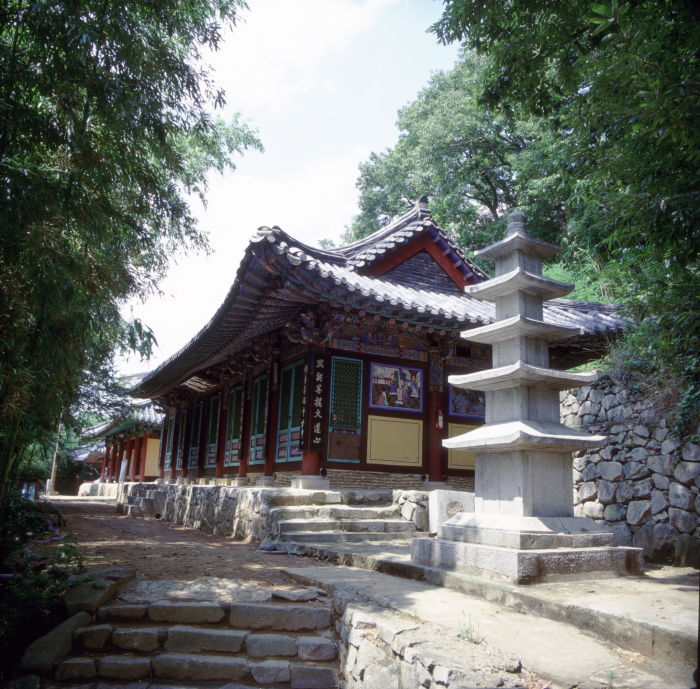
Mubongsa Temple (무봉사)
.0M 2021-06-15
16-11, Yeongnamnu 1-gil, Miryang-si, Gyeongsangnam-do
+82-55-354-3296
Mubongsa, meaning “a sacred place where phoenix used to dance,” is a small Buddhist temple. It is conveniently located near one of the Miryang’s top attractions, Yeongnamnu Pavilion. Perched high on the cliffs above the upper reaches of the river is Aranggak Pavilion. A flight of stairs from this pavilion lead to the famous Yeongnamnu Pavilion and Mubongsa Temple. Enshrining a stone seated Buddha statue designated as Treasure No. 493, the temple has long been a popular site among poets and painters for its picturesque landscape.
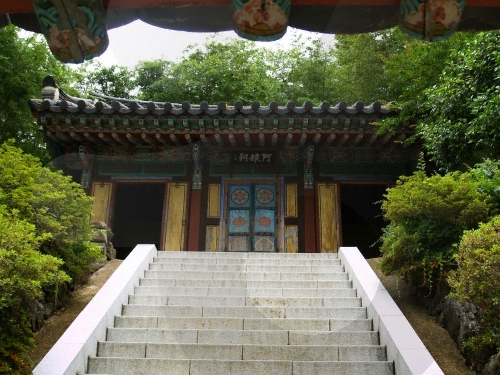
Aranggak Pavilion (아랑각)
85.1M 2025-01-07
324, Jungang-ro, Miryang-si, Gyeongsangnam-do
+82-55-359-5788
Located in Naeil-dong in Miryang, Gyeongsangnam-do Province, Aranggak Pavilion sits in a bamboo forest. It is said to have been built to appease the spirit of a young woman named Arang, who met an unfortunate death.
According to the legend, Arang was mistakenly killed by a low-ranking officer who had loved her and tried to hug her. After her death, she becomes a ghost and appears to every district magistrate (highest-ranking officer in a region) to appeal for the investigation of her unfair death, but each district magistrate dies of a heart attack.
Then, a new district magistrate by the name Lee is dispatched to the area. Unlike his predecessors, Lee listens to the story of the ghost and finds the low-ranked officer who had killed her and punishes him. He found Arang’s body and holded a religious ceremony on her behalf. Aranggak was also built in her memory.
Every year, an event called Arangje is held on April 16 by the lunar calendar in Aranggak Pavilion. Young maidens dressed in white hanbok perform a religious ceremony to soothe the sorrow of Arang. There is also a saying that the spirit of Arang will preserve the love of those couples who visit the pavilion together.
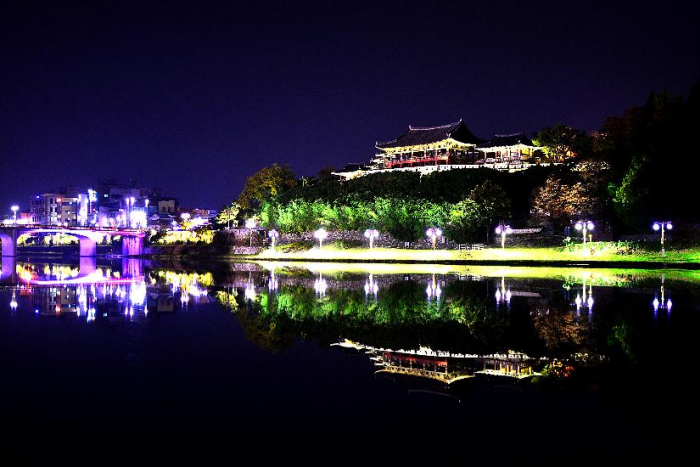
Miryang Yeongnamnu Pavilion (밀양 영남루)
129.5M 2021-06-21
324, Jungang-ro, Miryang-si, Gyeongsangnam-do
+82-55-356-1355
Located within Adongsan Mountain next to the Namcheongang River in Miryang, Yeongnamnu Pavilion (National Treasure No. 147) is one of three great pavilions of Korea together with Choseongnu Pavilion of Jinju and Bubyeongnu Pavilion of Pyeongyang.
A two-story-pavilion with a hip-and-gable roof was constructed at the same site during the Silla period, as part of Yeongnamsa Temple, which was one of the five great temples at the time. The pavilion was torn down and re-constructed during the ruling of King Gongmin in Goryeo dynasty. The current structure was built in 1884 and designed by then-magistrate Yi In-jae.
The pavilion area consists of Neungpagak, Chimnyugak, Sajumum Gate, Iljumun Gate and Cheonjingung. Stone-carved calligraphy from the Joseon period abounds in the pavilion complex, drawing many visitors.

Miryang Museum (밀양시립박물관)
1.3Km 2021-07-20
100, Miryangdaegongwon-ro, Miryang-si, Gyeongsangnam-do
+82-55-359-5589
Miryang Museum features cultural items and materials of the Nakdonggang River area. The purpose of the museum is to effectively preserve, exhibit, and acknowledge the history and culture of the area
through collecting, researching, investigating and organizing the items on display. In addition, the museum was established to enhance cultural nostalgia and contribute to public education.
The museum is comprised of several halls, including a permanent exhibition hall and a temporary exhibition hall, showing the history of
Miryang during the Samhan era and the Joseon dynasty. Collections include various cultural assets designated by Gyeongsangnam-do, as well as an exhibit-style storage of literary works, and folk and daily relics.
![Homeplus - Miryang Branch [Tax Refund Shop] (홈플러스 밀양)](http://tong.visitkorea.or.kr/cms/resource/26/2885926_image2_1.jpg)
Homeplus - Miryang Branch [Tax Refund Shop] (홈플러스 밀양)
1.4Km 2024-04-18
45, Jeompiljae-ro, Miryang-si, Gyeongsangnam-do
-
Gimhae Nakdonggang River Rail Park (김해낙동강레일파크)
14.5Km 2022-12-29
41, Masa-ro 473beon-gil, Gimhae-si, Gyeongsangnam-do
Gimhae Nakdonggang River rail bike runs for about 3km in distance and you may enjoy nakdonggang river's beautiful view while riding on the rail bike. Experience a unique atmosphere as you bypass the vintage railway bridge, and a wine cave can also be found in the vicinity.
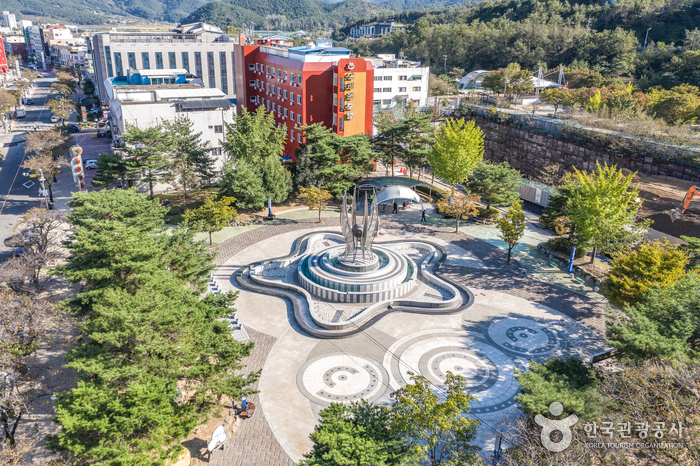
Bugok Hot Springs Special Tourist Zone (부곡온천 관광특구)
15.3Km 2024-02-27
77 Oncheonjungang-ro, Bugok-myeon, Changnyeong-gun, Gyeongsangnam-do
Bugok, named after its cast-iron pot-like terrain, boasts the hottest spring in Korea with a temperature of 78°C. It features various attractions such as Hanol Park and fountain park for performances, a refreshing trail, golf courses, and foot baths. Bugok Hot Springs is believed to be effective for arthritis, skin diseases, and fatigue recovery. Nearby attractions include Uponeup Marsh, Hwawangsan Mountain, and the Gaya Tombs.
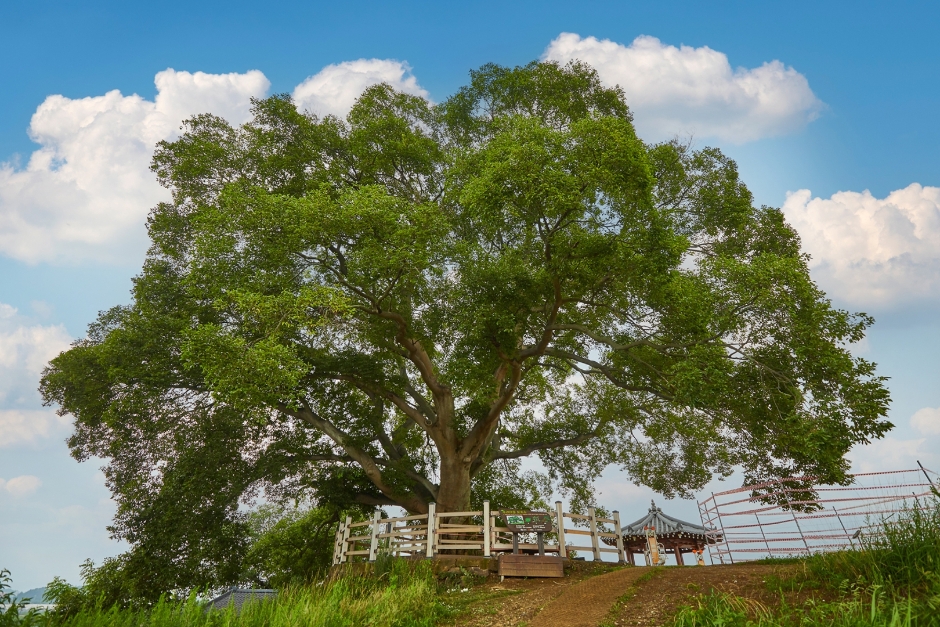
Hackberry Tree in Bukbu-ri (창원북부리팽나무)
16.1Km 2024-02-15
102-1 Bukbu-ri, Uichang-gu, Changwon-si, Gyeongsangnam-do
Hackberry Tree in Bukbu-ri is the most famous “celebrity tree” in Changwon. It became famous after appearing in episodes 7 and 8 of the popular drama “Extraordinary Attorney Woo (2022).” The tree sits on a hilltop, allowing visitors to enjoy the cool breeze and the panoramic view of Changwon's old neighborhood. Bukbu-ri village entrance has signposts leading to the hackberry here and there with drawings of dolphins symbolizing the drama (the drama protagonist’s favorite animal), making it convenient for tourists to reach the tree. The hackberry tree is estimated to be over 500 years old, and its size and scale cannot be captured with a camera in one frame. It is a protected tree designated by the state, visitors are advised to refrain from touching or getting close to the tree.
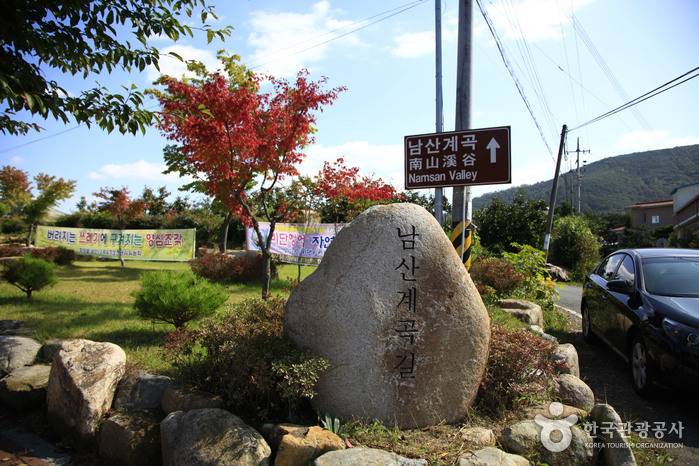
Cheongdo Namsan Valley (청도 남산계곡)
16.6Km 2024-02-08
68-32 Dongcheon-ri, Hwayang-eup, Cheongdo-gun, Gyeongsangbuk-do
Namsan Valley finds its source in a modest stream located on the northern slopes of Namsan Mountain in Cheongdo. This charming valley, adorned with rocky cliffs and crystal-clear waters, provides a refreshing respite from the sweltering summer heat. At the entrance to the valley, you'll encounter the Cheongdo Stone Ice Storage, a historical gem and the oldest stone ice storage facility in Korea. Strolling further along the valley, you'll find lines of intriguing rocks, carved with poems, including Chwiam and Ungeumcheon. These natural landmarks served as gathering spots for Seonbi, scholars from the Goryeo and Joseon periods, who came here to revel in the beauty of nature and craft spontaneous poems, fostering a deep appreciation for the arts.
 English
 한국어
한국어 日本語
日本語 中文(简体)
 Deutsch
 Français
 Español
 Русский


