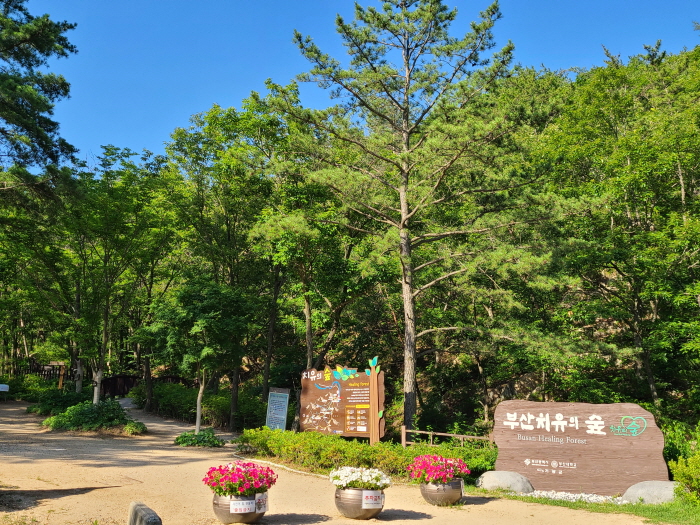
Busan Healing Forest (부산 치유의 숲)
19.2Km 2024-01-05
101 Cheolmacheon-ro, Gijang-gun, Busan
Busan Healing Forest is the first “healing forest” to be founded in the Gyeongsang-do region. This place is where visitors can reflect on emotions and relax through various wellness programs surrounded by nature and healing energy. Busan Healing Forest is 153ha in size, and it takes about 40 minutes to walk around the central trail starting from the visitor center at the entrance. Programs tailored to various audiences are operated in multiple places found along the central trail: the Forest Library, Mind Sharing Site, Forest Healing Yard, Forest Meditation Site, Pine Wind Bathing Site, and Prenatal Education Forest.

Busan Beomeosa Temple (범어사(부산))
19.2Km 2025-03-13
250 Beomeosa-ro, Geumjeong-gu, Busan
+82-51-508-3122
Beomeosa Temple, built in the Silla dynasty in 678, stands as a historic site known for producing outstanding monks. Situated amidst the splendid landscape of Geumjeongsan Mountain, it boasts a long tradition and rich history, housing numerous cultural relics. Visitors can experience the daily life of monk through templestay.
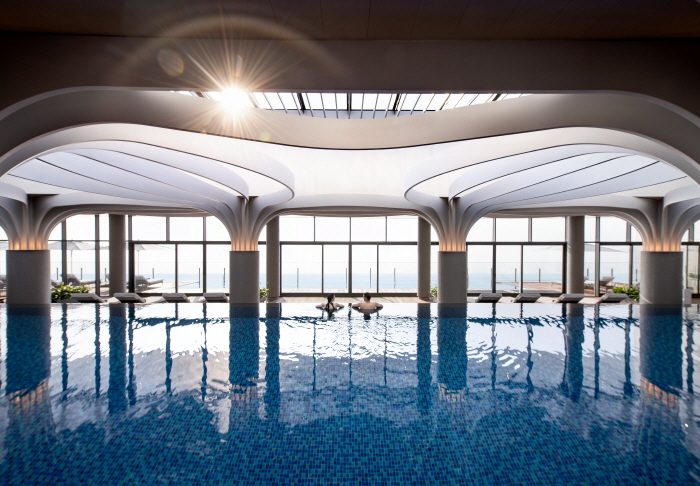
Ananti at Busan Cove (아난티 앳 부산 코브)
19.3Km 2025-10-24
268-32 Gijanghaean-ro Gijang-eup, Gijang-gun, Busan
+82-51-509-1111
Various amenities including infinity pool
5-star hotel with various types of rooms. Ocean view and mountain view are all good choices but the most famous one is the view from the Ocean Infinity Pool toward the ocean.
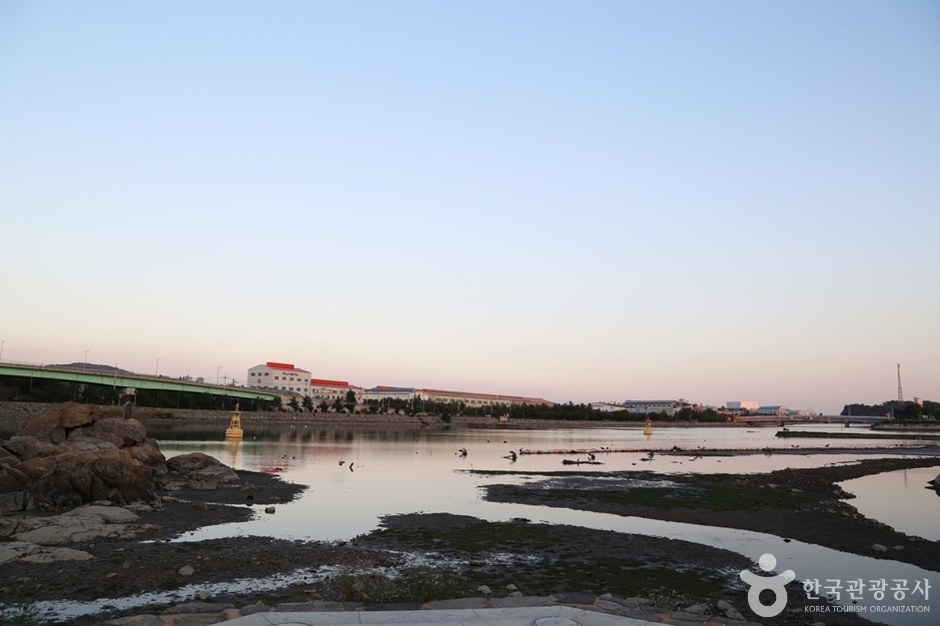
Mangsando Island, Yujuam, Yujubigak (망산도·유주암·유주비각)
19.6Km 2024-02-26
188 Songjeong-dong, Gangseo-gu, Busan
Mangsando Island, a small isle near Yongwon-dong, is noteworthy for its proximity to the rocky formation known as Yujuam, situated about 70 meters southeast. Approximately 1 kilometer from these locations is Yujubigak, a place rich with the legend of Heo Hwang-ok. She was the queen consort of King Kim Suro, who was born in 42 AD and ruled the ancient kingdom of Garakguk. According to legend, Heo Hwang-ok traveled from India and first set foot on Mangsando Island. The story goes on to tell that the stone vessel she was traveling in capsized at sea, resulting in the formation of Yujuam.
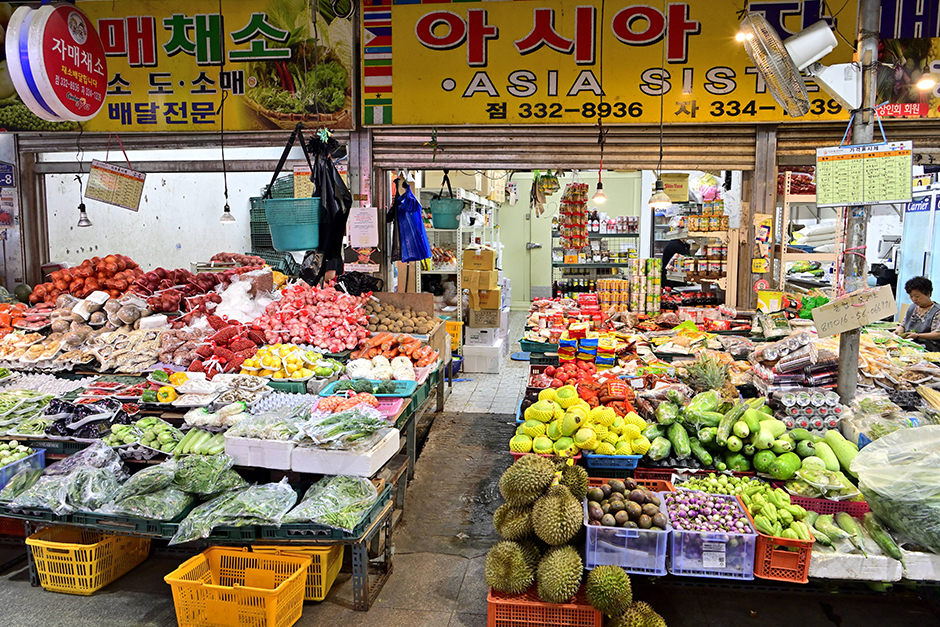
Dongsang Market (동상시장)
19.6Km 2025-10-23
25 Guji-ro 180beon-gil, Gimhae-si, Gyeongsangnam-do
Formed in 1945, Dongsang Market is a lifestyle-centric traditional market that offers a slew of daily necessities like vegetables, fruits, rice cakes, fishery products, and side dishes, as well as a popular alley specializing in Kalguksu (noodle soup). Designated as a cultural tourism market in 2017, it has since evolved into a vibrant space where traditional Korean culture harmoniously coexists with diverse global cultures. As more foreign workers have begun frequenting the market in recent years, a number of Asian grocery stalls have opened. In particular, vegetables favored by Southeast Asian customers, ritual foods, and Kalguksu (noodle soup) have become local specialties.
![Galaxy - Shinsegae Department Store Gimhae Branch [Tax Refund Shop] (갤럭시 신세계백화점 김해점)](http://tong.visitkorea.or.kr/cms/resource/38/2885938_image2_1.jpg)
Galaxy - Shinsegae Department Store Gimhae Branch [Tax Refund Shop] (갤럭시 신세계백화점 김해점)
19.8Km 2024-04-18
2232, Gimhae-daero, Gimhae-si, Gyeongsangnam-do
-
![Shinsegae Department Store - Gimhae Branch [Tax Refund Shop] (신세계백화점 김해)](http://tong.visitkorea.or.kr/cms/resource/62/2885962_image2_1.jpg)
Shinsegae Department Store - Gimhae Branch [Tax Refund Shop] (신세계백화점 김해)
19.8Km 2024-04-23
2F Lotte Outlet Gwanggyo Branch, 10, Docheong-ro, Yeongtong-gu, Suwon-si, Gyeonggi-do
-
![E-Mart - Gimhae Branch [Tax Refund Shop] (이마트 김해점)](http://tong.visitkorea.or.kr/cms/resource/33/2885933_image2_1.jpg)
E-Mart - Gimhae Branch [Tax Refund Shop] (이마트 김해점)
19.8Km 2024-04-23
2F, 10, Docheong-ro, Yeongtong-gu, Suwon-si, Gyeonggi-do
-
![Gimhae Korean-style house [Korea Quality] / 김해한옥체험관 [한국관광 품질인증]](http://tong.visitkorea.or.kr/cms/resource/81/3016981_image2_1.jpg)
Gimhae Korean-style house [Korea Quality] / 김해한옥체험관 [한국관광 품질인증]
19.8Km 2023-10-25
40 , Wangneung-gil, Gimhae-si, Gyeongsangnam-do
+82-55-322-4735~6
The Hanok Experience Center in Gimhae, Gyeongsangnam-do, offers guests a taste of old-time hanok life. Rooms are furnished with traditional items, while the spacious wooden floor can be used as a meeting room. Rooms in the sarangchae are on the small side but have an upper floor with scenic views. The room in the annexe building has a traditional sleeping mat surrounded by a large folding screen, and feels like a scene from a historical drama. Each room has a modern bathroom, There is a traditional experience program, and information services in English and Japanese.
Bunsanseong Fortress (김해 분산성)
19.8Km 2023-01-18
210-162, Gaya-ro 405beon-gil, Gimhae-si, Gyeongsangnam-do
+82-55-330-3925
Bunsanseong Fortress was constructed in the 3rd year of the reign of Goryeo's King U (1377) by Magistrate Park Wi to defend against foreign enemies, but it was destroyed during the Japanese invasion of 1592. The fortress we see today was reconstructed by Magistrate Jeong Hyeon-seok in the 8th year of the reign of Joseon's King Gojong (1871). However, it is estimated that it was first built during the days of Gaya. It is a temoe-style fortress with rocks piled up like a long band at the peak of Bunsan from which downtown Gimhae, Gimhae Plains, the Nakdonggang River and the South Sea are all in a single, panoramic view. Today, fortress walls remain stretching for some 900 meters on the slope towards the city and, inside the fortress, there are two gate sites in the south and north, an auxiliary gate on the west, a well site and several other building sites. The exact length of the remaining fortress walls is 929 meters and the average x_width is about 8 meters.
Inside the fortress lies Haeeunsa Temple, which was built to pay respects to Queen Heo of Garak who had come from the sea, according to stories. The temple also enshrines portraits of King Suro and Queen Heo that were painted during the Joseon dynasty. During the Japanese invasion of 1592, monk soldiers were stationed at this temple.
The fortress is more popularly called "Manjangdae" by Gimhae locals, and this name originated from the description, "A tall tower 10,000 (man) gil in x_height," granted by Daewongun in the Joseon dynasty for this advanced base that defeats Japanese invaders. A writing of "Manjangdae" written by Daewongun himself as well as his stamp are engraved on a rock behind a beacon that was restored in 1999.
 English
 한국어
한국어 日本語
日本語 中文(简体)
 Deutsch
 Français
 Español
 Русский


