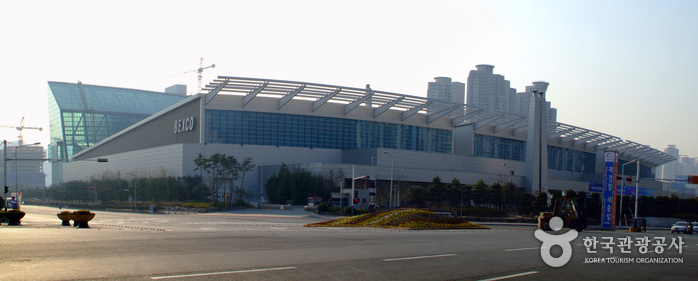
BEXCO (벡스코)
6.9Km 2022-09-08
55, APEC-ro, Haeundae-gu, Busan
+82-51-740-7300
BEXCO is a large international exhibition/convention center in the middle of Busan. It offers spacious exhibition halls as large as three football fields combined, multi-purpose halls, and outdoor exhibition halls. Equipped with advanced equipment, the convention center is ideal for holding international exhibitions, meetings, concerts, or sporting events.

Busan Museum of Art (부산시립미술관)
6.9Km 2023-01-09
58, APEC-ro, Haeundae-gu, Busan
+82-51-744-2602
Busan Museum of Art opened on March 20, 1998, with the aim of providing a space to showcase the fantastic creativity of modern artwork and increase the artistic minds of the general public. The museum displays exhibitions in many genres, as well as running various educational programs. The museum consists of five floors, offering exhibition halls, archives, educational rooms, and an outdoor sculpture park. One of the museum's main events is the biennale art festival, taking place in even numbered years. Other events include planned exhibitions, invited international artists, and more.
Yeongdodaegyo Bridge (영도대교)
6.9Km 2023-04-22
46, Taejong-ro, Yeongdo-gu, Busan
+82-1670-8114
Yeongdodaegyo Bridge, connecting Nampo-dong and Yeongdo Island, was the first bridge to connect the mainland to one of the nearby islands in Busan. The bridge lifted to allow ships to pass between the south and north ports, and made a passage for ships anywhere from two to seven times in one day. When the bridge was first constructed, many people would gather to watch the strange spectacle of a bridge rising up to point to the sky. The bridge remains a famous landmark of Busan even to this day.
![BUSINESS HOTEL RENAISSANCE [Korea Quality] / 르네상스호텔 [한국관광 품질인증]](http://tong.visitkorea.or.kr/cms/resource/69/2555769_image2_1.jpg)
BUSINESS HOTEL RENAISSANCE [Korea Quality] / 르네상스호텔 [한국관광 품질인증]
7.0Km 2024-06-26
60 , Gwangjang-ro, Sasang-gu, Busan
+82-51-312-8580~1
The Renaissance Hotel is in the Sasang-gu district of West Busan - a major logistics and distribution centre - catering for both business customers and travellers. The hotel has themed guestrooms, and facilities include a restaurant, wedding hall and entertainment bar, as well as parking for up to 70 cars. Shopping and entertainment venues such as Homeplus, Renecite, E-Mart, and Lotte Cinema are nearby, as are the Yongwon and Gaya golf courses, Gimhae Airport and downtown Busan. Busan Seobu Bus Terminal and Sasang Station are within a 1-minute walk.
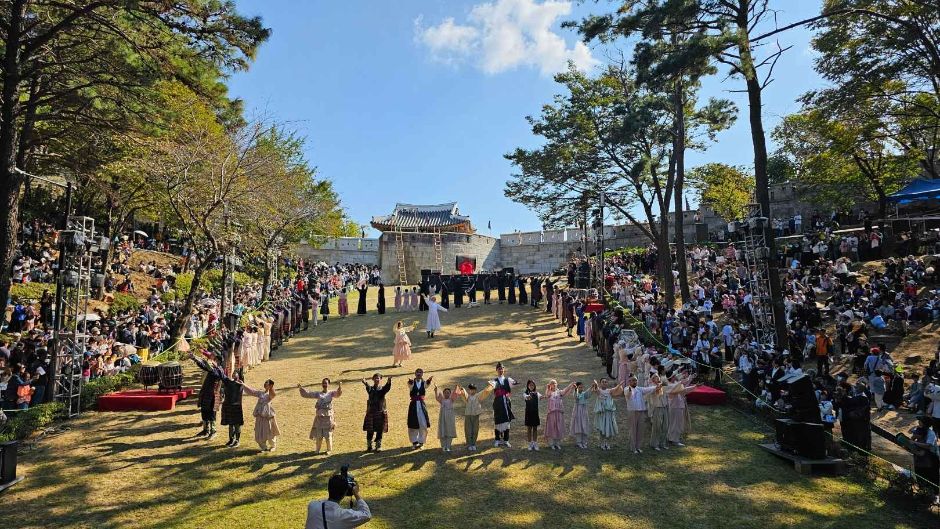
Dongnaeeupseong History Festival (동래읍성역사축제)
7.0Km 2025-07-11
80 Munhwa-ro, Dongnae-gu, Busan
+82-51-550-4092
The Dongnaeeupseong History Festival offers an immersive experience of the history and culture of Dongnaeeupseong Walled Town, where the Battle of Dongnaeseong Fortress took place against the Japanese army during the Imjin War in 1592. Highlights include a musical dramatizing the patriotic spirit of the Dongnae Governor during the battle and various hands-on experiences, such as participating as Dongnae citizens using traditional Joseon-era coins.
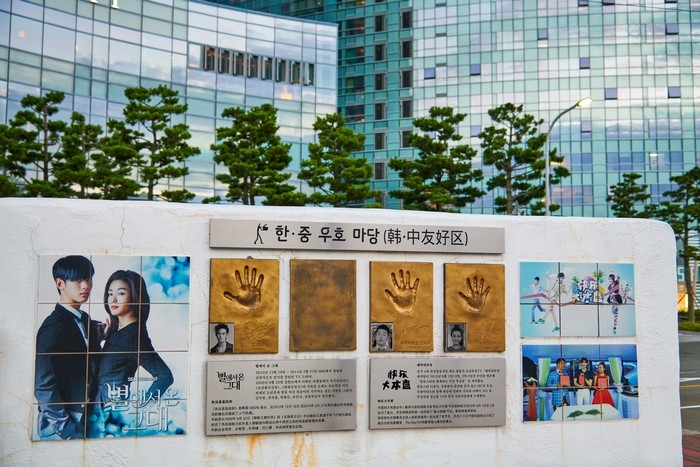
Busan Cine Road (부산 영화의 거리)
7.1Km 2025-11-05
91, Marine city 1-ro, Haeundae-gu, Busan
Busan Cine Road is a haven for Korean films, dramas, and other K-content. On one side of Haeundae Beach where Gwangandaegyo Bridge comes into view is a path lined with posters and sculptures of major Korean films. There are also thematic zones dedicated to 10 million box office hits, animated films, and films set in Haeundae and Busan. On clear days, Visitors can enjoy the view of the blue seas on clear days and the brilliance of Gwangandaegyo Bridge standing across the horizon in the evening.
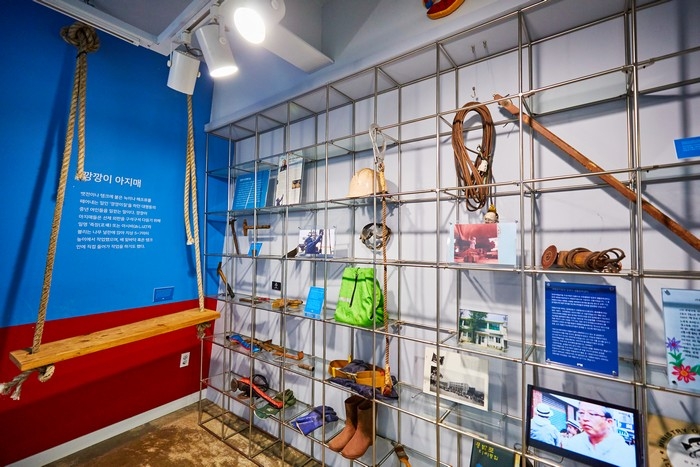
KANGKANGEE Arts Village (깡깡이 예술마을)
7.1Km 2025-10-24
36 Daepyeongbuk-ro, Yeongdo-gu, Busan
0507-1307-3339
In the late 19th century, Korea's first modern shipyard was established, and there are still more than a dozen repair shipyards and about 200 industrial companies in the area. It is said that the name of the village was born from the sound of a hammer hitting the surface of a rusty boat. In "My Name," it appeared as Inchang-si, the main stage of gangsters, and the unique atmosphere harmonized well with the content, adding to the dramatic fun. There are also many cute cafes to explore, and it is fun to experience a tour program that runs three times a day on weekends.
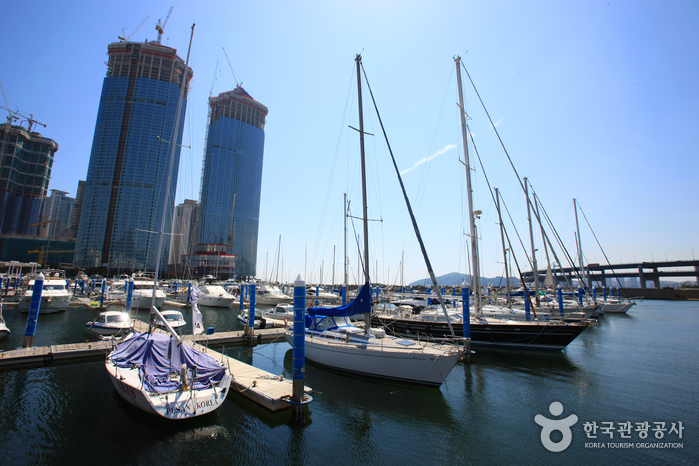
Suyeongman Bay Yachting Center (수영만 요트경기장)
7.1Km 2024-04-29
84 Haeundaehaebyeon-ro, Haeundae-gu, Busan
+82-51-741-6440
Suyeongman Bay Yachting Center is located between Gwangalli and Haeundae beaches and was built in 1986 as an international scale stadium, used during the ‘86 Asian Games and the ‘88 Seoul Olympics. It is able to anchor 448 yachts, and it has the proper natural environment for yachting so as to be the venue of various domestic and international yacht competitions, becoming a popular site for lovers of yachting and ocean sports.
Amenities include training facilities for yachting as well as windsurfing and submarines, as well as a large parking lot and commemorative monuments.
Igidae Cliff [National Geopark] (이기대 (부산 국가지질공원))
7.2Km 2024-04-29
Yongho-dong, Nam-gu, Busan
+82-51-607-6398
Igidae Cliff is a geological park located along the southern coast of Busan. Formed by volcanic activity dating back 80 million years to the Cretaceous period, the accumulated lava, volcanic ash, and other rocks have been eroded by waves, creating cliffs, caves, and other formations. Along the coastal trail leading to Oryukdo, visitors can appreciate various geological and topographical landscapes, including copper mines and pothole.
Yeongdo Cheonghak Reservoir Observatory (영도 청학배수지 전망대)
7.2Km 2024-02-13
36 Wachi-ro, Yeongdo-gu, Busan
The observatory boasts stunning vistas of Busan's scenery. It is particularly renowned for the breathtaking night view of the Busan Port Bridge, making it a favorite spot for photography enthusiasts. Surrounding areas are well-equipped with a variety of exercise equipment, enhancing the outdoor experience. Additionally, visitors can explore the History Park, embark on the scenic Namparangil 2-course walking trail, or enjoy a leisurely walk or jog around the tranquil Bongnaesan Mountain.
 English
 한국어
한국어 日本語
日本語 中文(简体)
 Deutsch
 Français
 Español
 Русский


