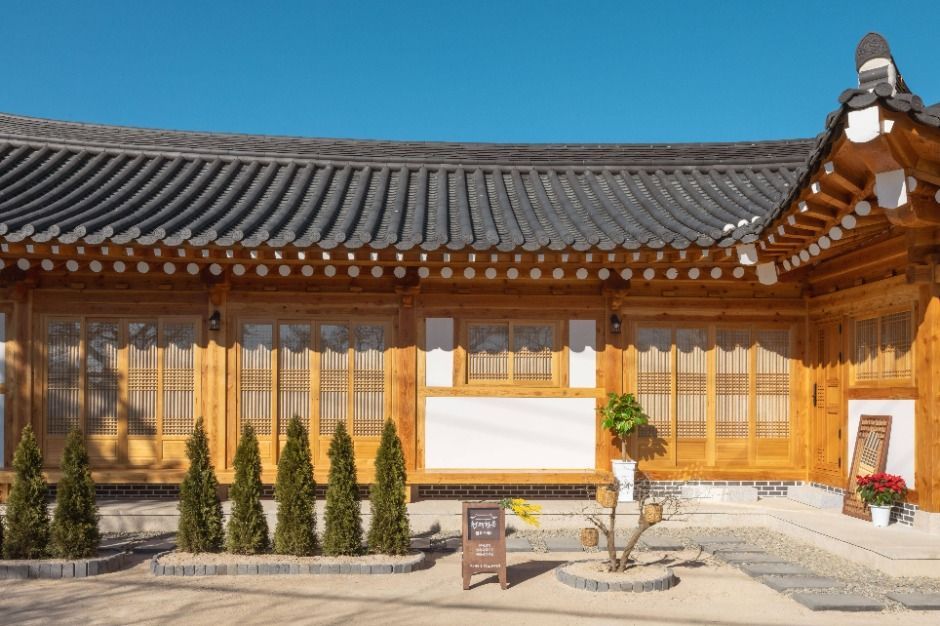
Cheongjae Hanok (청재한옥)
9.9Km 2025-03-24
163 Bulguk-ro, Gyeongju-si, Gyeongsangbuk-do
A cozy hanok accommodation in Gyeongju, Cheongjae Hanok is recommended to guests who seek to relax in a hanok nestled in a pine forest. Breakfast is offered upon advance request, and the building is equipped with a spacious parking space.
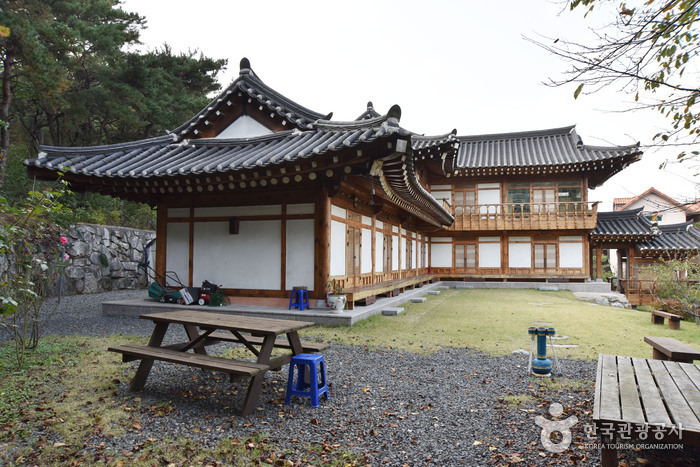
GyeongjuCheonnyeonhanok Pension (경주천년한옥펜션)
10.3Km 2024-08-01
86-61 , Sidong-ro, Gyeongju-si, Gyeongsangbuk-do
+82-10-9898-3995
Cheonnyeon Hanok Pension in Gyeongju, Gyeongsangbuk-do, is a modern two-storey hanok built of pinewood and red clay, and equipped with geothermal heating and double doors to keep out drafts. Rooms have individual toilets and cooking facilities, and there is a spacious yard where children can play and grown-ups can experience folk games such as Tuho and Jegichagi. There are fine views of Joyang Reservoir and Tohamsan Mountain, and an inviting pine forest trail next to the house. Nearby tourist attractions include Seokguram Grotto and Bulguksa Temple.
![Gyeongju Bulguksa Temple [UNESCO World Heritage] (경주 불국사 [유네스코 세계유산])](http://tong.visitkorea.or.kr/cms/resource/03/2678603_image2_1.jpg)
Gyeongju Bulguksa Temple [UNESCO World Heritage] (경주 불국사 [유네스코 세계유산])
10.3Km 2025-03-24
385 Bulguk-ro, Gyeongju-si, Gyeongsangbuk-do
+82-54-746-9913
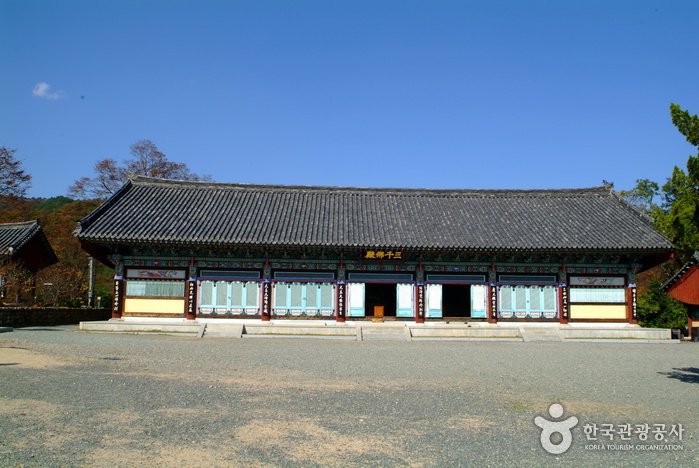
Bulguksa Temple is a representative relic of Buddhist culture from the Silla kingdom. The temple was built during the 15th year of King Beopheung's reign (514-540) to wish for peace and prosperity for all. It was later rebuilt in 751 by Kim Dae-seong. Unfortunately, the temple caught fire during the Imjin War (1592-1598). After the war, the temple suffered serious damage and was often the target of theft.
Starting in 1920, the temple has undergone continual restoration work. The temple now holds seven national treasures and a number of additional important heritages and was designated a World Cultural Heritage Site along with the nearby Seokguram Grotto by UNESCO in December 1995.
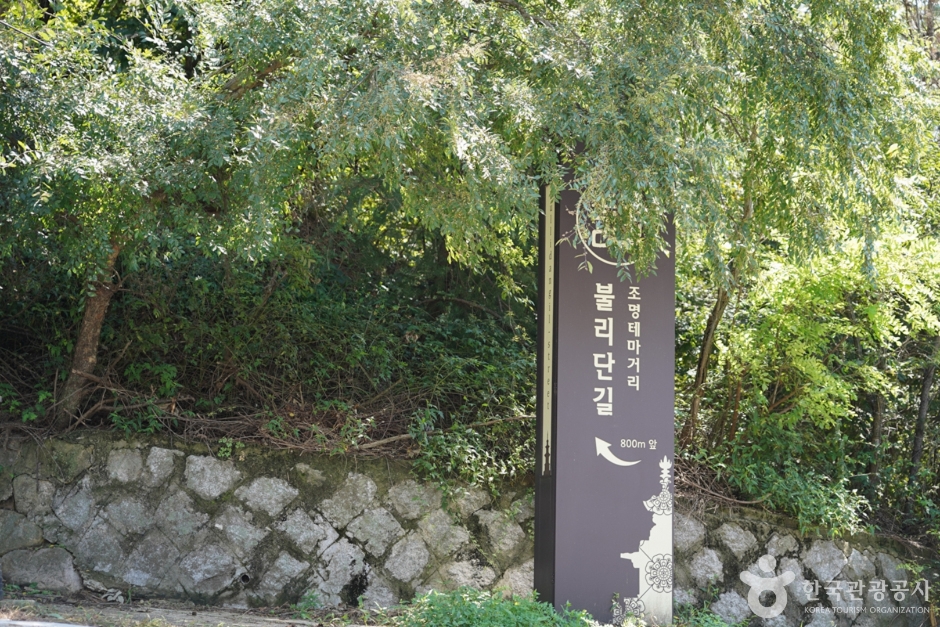
Bullidan Street (불리단길)
10.5Km 2025-05-28
11 Bulguksintaekji 5-gil, Gyeongju-si, Gyeongsangbuk-do
Bullidan Street, near Bulguksa Temple, once a popular destination for school and group trips, is gaining renewed attention with the opening up of various cafés, restaurants, and workshop spaces in the area. In spring, the street blooms with King Cherry Blossoms, attracting many visitors. On Saturdays, a flea market opens, offering handmade goods and souvenirs. It is the perfect place to stop by and unwind after visiting Bulguksa Temple or hiking.
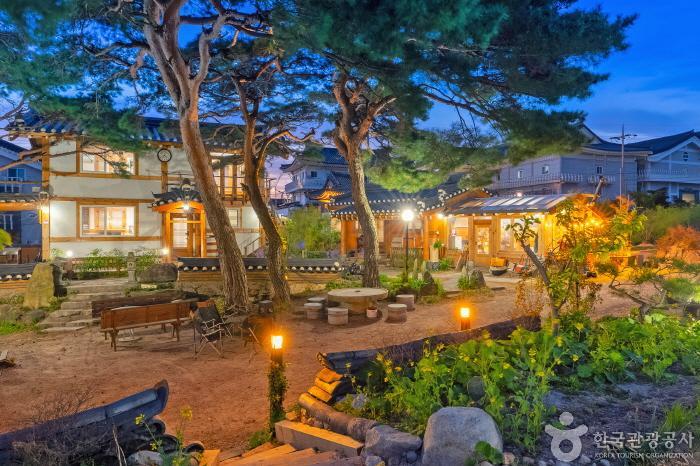
Bulguksa Hanok Farm Stay (불국사한옥팜스테이)
10.7Km 2024-12-13
5-52 , Jinti-gil, Gyeongju-si, Gyeongsangbuk-do
+82-10-5489-1742
Bulguksa Hanok Farm Stay is an accommodation located just below Bulguksa Temple in Gyeongju-si, Gyeongbuk-do. There are four guest rooms, each of which is equipped with a bathroom and kitchen. Ouga is a two-story ondol hanok, with the first and second floors used as guest rooms, and there is a terrace where you can cook barbecue. Bokyeonga offers two guest rooms for accommodation, both of which are ondols (underfloor heating). There is a well-kept garden and a lawn with a foot volleyball field, and guests can participate in apple picking and farm-themed activities.

Bulguksa Hanok Dongodang (불국사한옥동오당)
10.8Km 2024-07-25
5-58 Jinti-gil, Gyeongju-si, Gyeongsangbuk-do
010-2936-6350
Bulguksa Hanok Dongdodang is just a short five-minute walk from Bulguksa Temple, and is complete with a large parking area, clean & quiet surroundings, a cafe-like shared kitchen, and friendly service. The hanokstay is decorated with artwork made by the owner. The accommodation manages to offer a comfortable and private ambiance with just three rooms, each comprised of a bedroom, living area, bathroom, and small outdoor patio.
Gyeongju Seokguram Grotto [UNESCO World Heritage] (경주 석굴암 [유네스코 세계유산])
11.4Km 2025-06-12
238 Seokgul-ro, Gyeongju-si, Gyeongsangbuk-do
+82-54-746-9933
Seokguram Grotto was constructed by Kim Dae-Seong during the reign of King Gyeongdeok (742-765) of the Silla Kingdom. Located 3 kilometers away by hiking trail and 9 kilometers by car from Bulguksa Temple, the grotto was designed very harmoniously with the seated Buddha facing the East Sea. It is a valuable cultural heritage that is preserved and registered as a UNESCO World Heritage on December 6, 1995.
Girimsa Temple (기림사)
12.8Km 2022-12-29
437-17, Girim-ro, Gyeongju-si, Gyeongsangbuk-do
+82-54-744-2292
Girimsa Temple is located in Hamwolsan Mountain in Yangbuk-myeon, Gyeongju. The temple was built in the Silla Era and, with 16 buildings, is the second largest temple after Bulguksa.
Legend has it that the temple was originally built by the Venerable Gwang-yu, a sage from India, in the early part of the Silla Kingdom. The temple was reportedly called Imjeongsa at first, but was later changed to Girimsa after undergoing expansive renovations by Monk Wonhyo. It is still unclear exactly what year the temple was built in.
Girimsa is divided into two main areas. The first is the area around Daejeokgwangjeon Hall where the statue of Birojanabul is enshrined. The second is the area around the majestic 500-year-old bo tree (a kind of large fig tree) that is home to a wooden pagoda, the Seongbo Museum, Samsingak, Mangbujeon, and Gwaneumjeon halls. Daejeokgwangjeon Hall was first built during Queen Seondeok's reign, and was rebuilt six times since its original construction. Its simple but majestic architecture is characterized by baeheullim (aka, entasis columns) and a Dapoyangsik (Dapo-style) single-tiered gabled roof.
Girimsa is famous for Ojongsu, water that is said to have five different tastes. It consists of gamrosu, which is best for making tea; hwajeongsu, which supposedly gives comfort to the drinker; janggunsu, which makes the body stronger; myeongansu, which gives clear vision; and otaksu, which is said to sparkle so brightly that it attracts all the birds of the air. During Japanese colonial rule, the source of janggunsu, literally meaning ‘water of a general,’ was reportedly blocked off by Japanese soldiers, who were afraid the water would give the Korean people the strength to overthrow them. Except for janggunsu, water still continues to flow from each source.
On the way to Girimsa temple is Golgulsa Temple, well known for its 12 grottos. Golgulsa was originally a hermitage of Girimsa. After becoming an independent institution, it became the center of Seonmudo practice in Korea. The temple aims to promote the art of seonmudo on a national and international level.
Yongsan Sashimi Restaurant (용산회식당)
13.5Km 2024-03-04
112 Poseok-ro, Naenam-myeon, Gyeongju-si, Gyeongsangbuk-do
054-748-2119
Situated near Cheollyongsa Temple in Gyeongju, Yongsan Hoe Restaurant is exclusively dedicated to hoedeopbap (raw fish bibimbap). Customers are served a generous portion of hoe (raw fish) over rice in a large brass bowl. The topping's hoe is freshly mixed with the catch of the day, varying seasonally with options like herring, grey mullet, gizzard shad, and plaice, all sourced from Guryongpo Port in Pohang. Due to its popularity, there is often a waiting line, so obtaining a numbered ticket to queue is recommended.
Seated Rock-carved Buddha at Golgulam Temple (경주 골굴암 마애여래좌상)
14.4Km 2022-12-28
101-5, Girim-ro, Gyeongju-si, Gyeongsangbuk-do
+82-54-744-1689
The Seated Rock-carved Buddha at Golgulam Temple consists of a Maebul (a Buddha carved in a cliff) at the very top of 12 Buddha images carved in natural rock caves located in a steep cliff of Girimsa Valley. A painting of the caving titled "Golgulseokgul" by Gyeomjae Jeongseon, a famous painter of the era, revealed that there was once a wooden room located in front of the Maebul, but today only a hint of the room remains on the rock. The head of the Buddha (Yukgye) is perched solid and high on the body with a clear profile of the face – sharp eyes, small lips and a long and narrow nose. In contrast to the three-dimensional face, the body is broader and flatter. The neck and upper chest sections have eroded over time. The folds in the clothing are nearly parallel, and the arm area has a v-pattern wrinkle, giving it a more realistic and three-dimensional quality. Around the head of the Buddha is a lotus-shaped halo, while the body is surrounded by a rhythmic flame-like halo. The Maebul is believed to have been created during the late Unified Silla Kingdom, as it shows similar craftsmanship to Seated Stone Vairocana Buddha (National Treasure), which was created in the year 876 and is located in Chukseosa Temple.
 English
 한국어
한국어 日本語
日本語 中文(简体)
 Deutsch
 Français
 Español
 Русский


