
Sungsimdang (성심당)
12.6Km 2025-10-23
15 Daejong-ro 480beon-gil, Jung-gu, Daejeon
Sungsimdang was first established as a small bakery selling jjinbbang (steamed bun) in front of Daejeon Station in 1956, and has since become an iconic bakery that represents Daejeon as well as Korea's baked goods. Baked goods at Sungsimdang are all handmade using quality ingredients and reach almost 400 in variety, including breads that uses slow-bread process which requires a 16-hour fermentation.
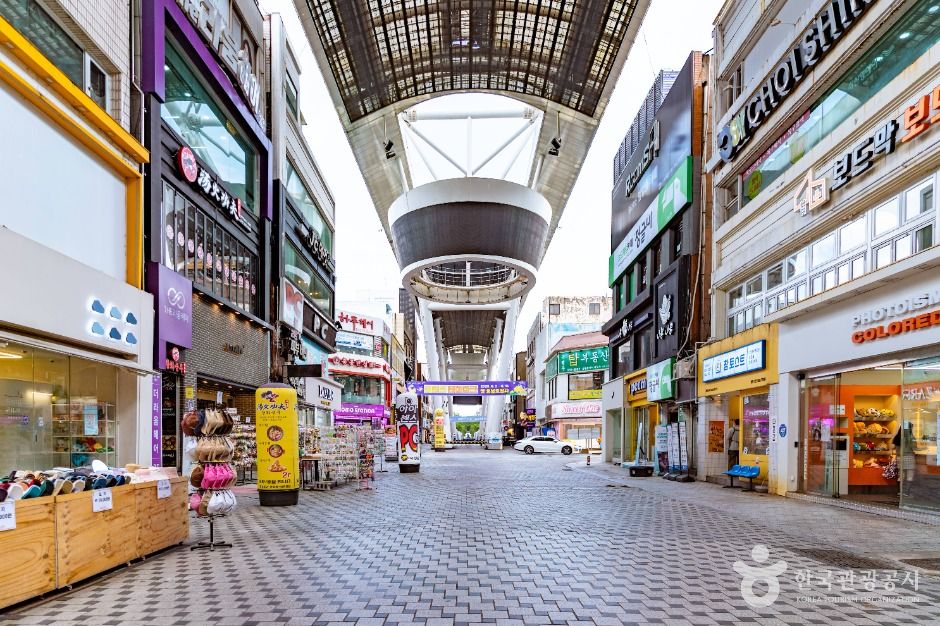
Euneungjeongi Culture Street (으능정이문화의거리)
12.8Km 2025-10-23
164 Jungang-ro, Jung-gu, Daejeon
Euneungjeongi Culture Street is a street located in Daejeon's original city center, resembling Seoul's Myeong-dong area. It features clothing stores, restaurants, and cafés. Various cultural events are held here, making it a car-free street and attracting many visitors.
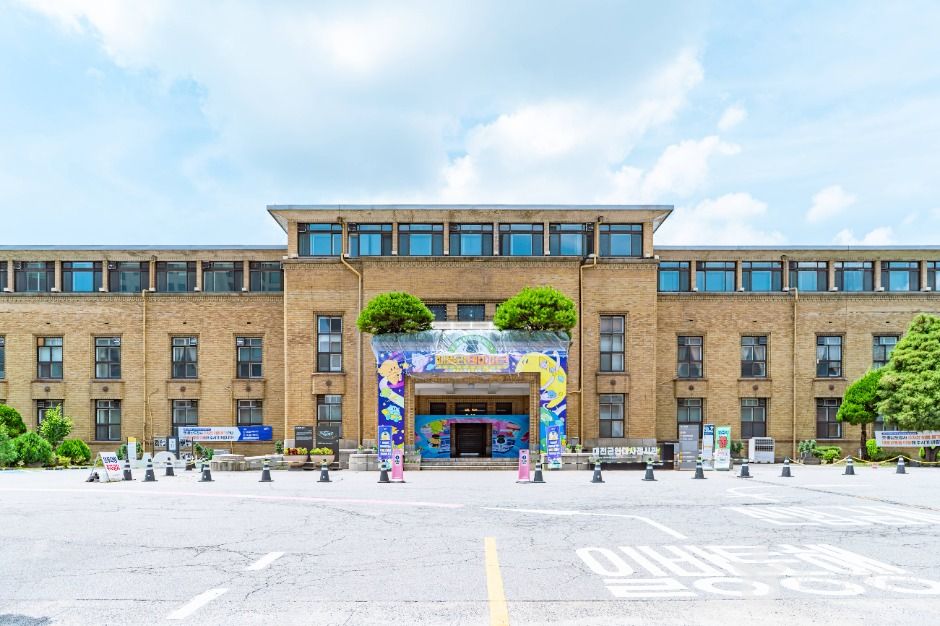
Daejeon Modern History Exhibition Hall (대전근현대사전시관(옛 충남도청사 본관))
12.8Km 2025-10-23
101 Jungang-ro, Jung-gu, Daejeon
Daejeon Modern History Hall opened to the public on October 1, 2013 at the former main building of Chungcheongnam-do Provincial Government, Daejeon (Registered Cultural Heritage). Visitors can see various scenes of history and the development of Daejeon over the past 100 years from the early 20th century to current times. Daejeon operates a planned exhibition hall, special exhibition showcasing history, architecture, design, folk style and other varied fields as well as a rotating exhibition. Also, touring the main building of Chungcheongnam-do Provincial Government, music concerts and various cultural education programs are available in this cultural complex.
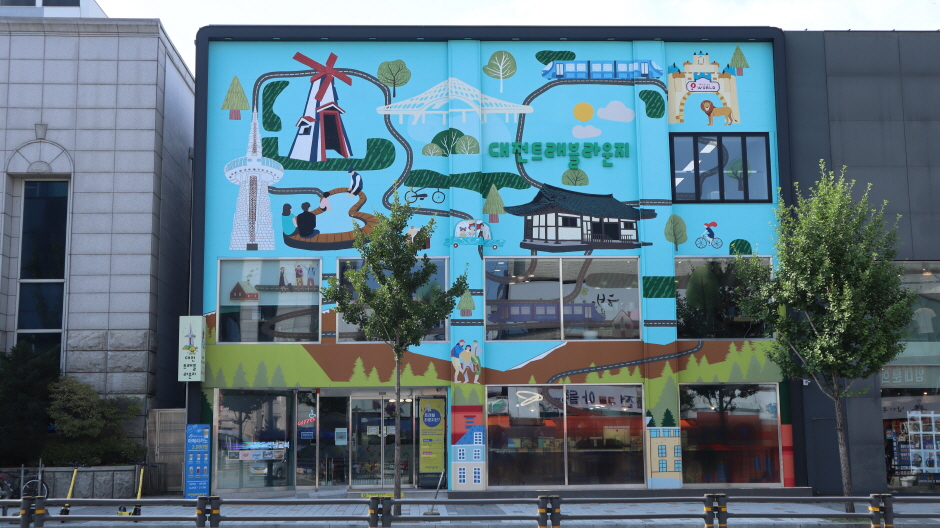
Daejeon Travel Lounge (대전트래블라운지)
12.8Km 2023-02-08
187-1, Jungang-ro, Dong-gu, Daejeon
Daejeon Travel Lounge is a cultural complex that provides tourist information and relaxation for those visiting Daejeon. Daejeon Travel Lounge offers a variety of experiences such as old school uniforms, Enlightenment Era clothing, DIY and culture concerts, and also features an unmanned cafe, souvenir shop, Wi-Fi, tourist information search kiosk, and many other convenience facilities.
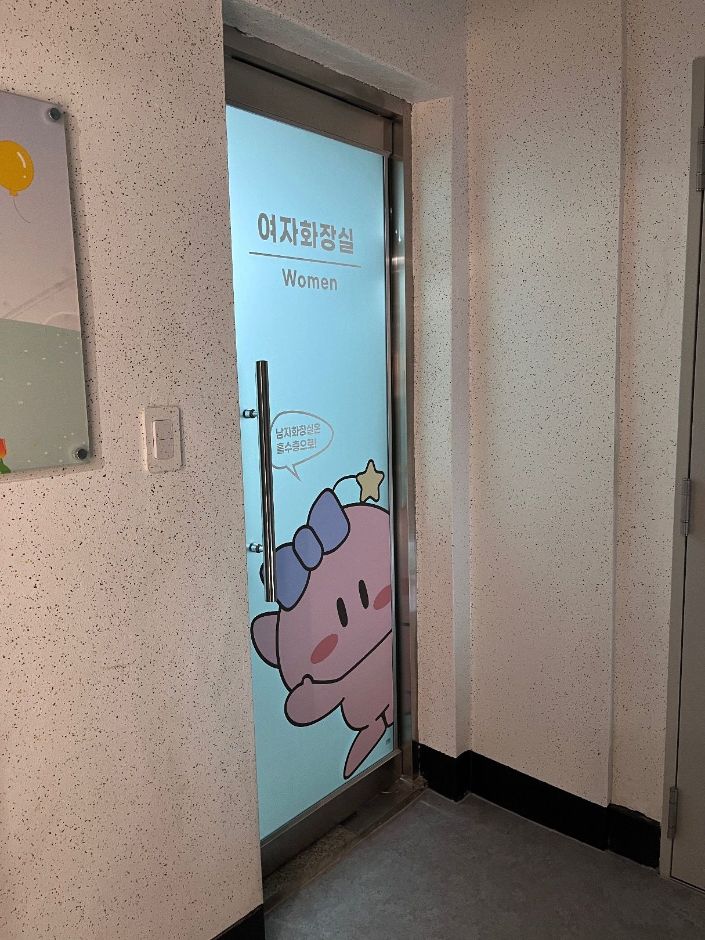
Kkumdori House (꿈돌이 하우스)
12.8Km 2025-10-23
3 Jungang-ro 203beon-gil, Dong-gu, Daejeon
Located near Daejeon Station, Kkumdori House promotes the city's tourist attractions and sells souvenirs. The first floor offers a variety of merchandise featuring "The Kkum Family," the symbol of Daejeon. On the second floor, visitors can enjoy a VR drive through Daejeon. The third floor showcases photos and media art of major attractions, such as the Daejeon Observatory and Sangso-dong Forest Park.
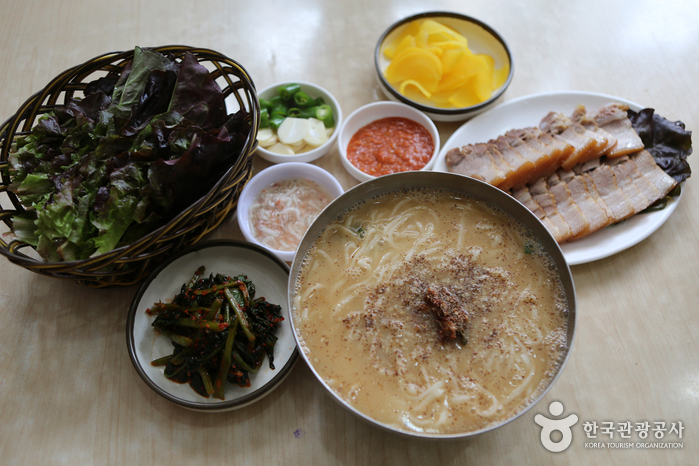
Sindo Kalguksu Main Store (신도칼국수 본점)
13.0Km 2024-12-24
대전광역시 동구 대전로825번길 11
Established in 1961, this restaurant is still regarded as one of the best places for kalguksu in the Daejeon area. The broth, made from beef bones and anchovies, is enriched with perilla seed powder, creating a rich and nutty flavor. For the full experience, try pairing it with suyuk (boiled pork slices) or dubu duruchigi (stir-fried bean crud).
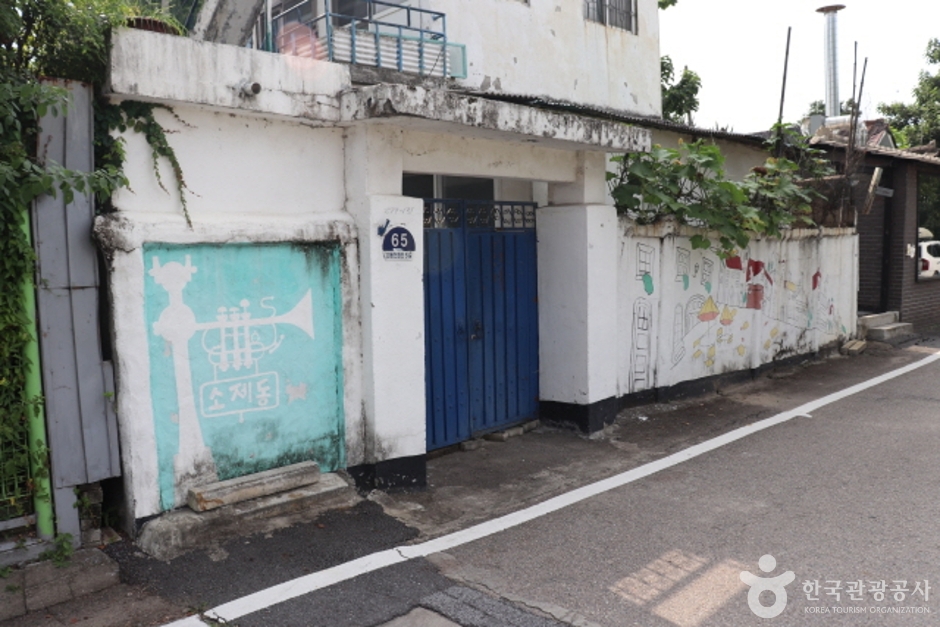
Soje-dong Cafe Street (소제동 카페 거리)
13.2Km 2025-10-23
53 Suhyang-gil, Dong-gu, Daejeon
Soje-dong Cafe Street is a cafe village located in Daejeon. This area has long been neglected and underdeveloped. However, recently, various shops have opened, adding a youthful touch to the old buildings, from Italian restaurants remodeled from old buildings to unique cafes and restaurants converted from over 70-year-old buildings. With a retro sentiment that evokes nostalgia for middle-aged and older generations, it has transformed into a cafe street, attracting diverse visitors. While it's nice to choose a cafe in Soje-dong Cafe Street to enjoy tea or visit a gallery to appreciate artworks, another way to enjoy this place is to take an alley tour in Soje-dong and stroll through the cafe street to admire the murals painted on the walls. Soje-dong Cafe Street is conveniently located near Daejeon Station, making it easy for visitors to reach.
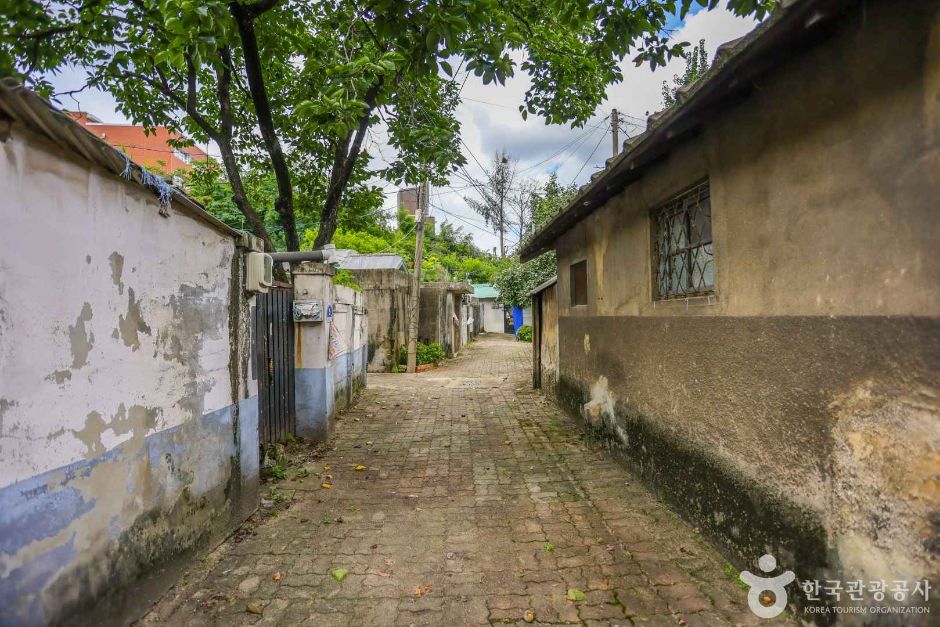
Railway Residency Village (Sollangsiul-gil) (철도관사촌(솔랑시울길))
13.3Km 2025-10-23
Soje-dong, Dong-gu, Daejeon
Railway Residency Village, located near Daejeon Station, retains much of its old charm, offering visitors the feeling of stepping back in time. Daejeon’s modern history is closely tied to the development of its railroads. With the opening of the Gyeongbu Line in 1905 and the Honam Line in 1911, the city emerged as a major transportation hub. As traditional villages began to disappear, people flocked to Daejeon, transforming it into a growing metropolis. During the Japanese occupation in the 1930s, the area housed many Japanese railway engineers, which is why Japanese-style architecture can still be found today. At the time, there were over 100 government buildings, though only about 40 have survived. Several of these have been recognized as Registered Cultural Properties for their historical significance. Among them, Building No. 42 now serves as a cultural space that occasionally hosts exhibitions. A stroll along the quiet Solangseoul-gil offers visitors a chance to admire charming murals adorning the walls, adding to the nostalgic atmosphere of the village.
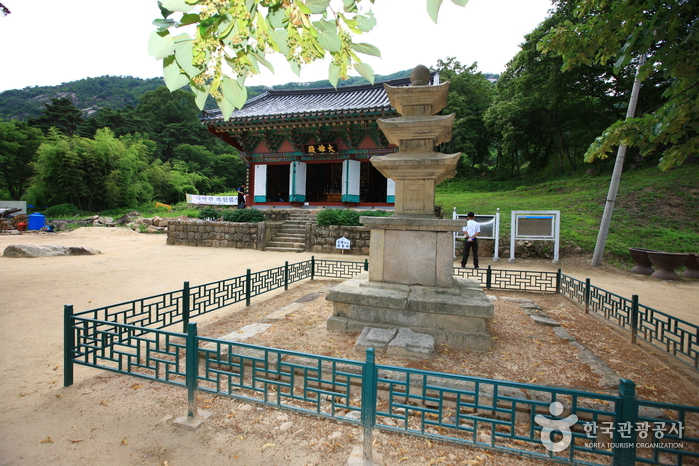
Yeongdong Yeongguksa Temple (영국사 (영동))
13.4Km 2022-12-27
225-35, Yeonggukdong-gil, Yeongdong-gun, Chungcheongbuk-do
Yeongguksa Temple is nestled at the foot of Cheontaesan Mountain (714.7 meters), at the boundary between Chungcheongbuk-do and Chungcheongnam-do. Visitors must trek through a valley to reach the temple, passing waterfalls and rocks.
The time of Yeongguksa Temple's construction is not clearly known but it is said to have been built around the late Silla period, during the time of King Seonjong. The temple prospered when the State Preceptor Wongak, who completed the Cheontae, one of Buddhist orders from Daegak Guksa Uicheon, came to the temple in the middle of the Goryeo period. It continued to flourish until the early Joseon era and then took a dive due to the rule of anti-Buddhism. Despite the situation at the time, the temple's reputation as one of the noted temples remained. However, the situation worsened in the early twentith century, to the point of near closure. The temple was reconstructed by Jubongjosa Monk in 1934.
As of now, the temple contains various treasures including the Stele for State Preceptor Wongak, Stupa of Yeongguksa Temple, Three-story Stone Pagoda of Yeongguksa Temple, Three-story Stone Pagoda at Mangtapbong Peak of Yeongguksa Temple. In addition, Bell-shaped Stupa and Round-shaped Stupa, regional tangible cultural assets, are situated in the temple site.
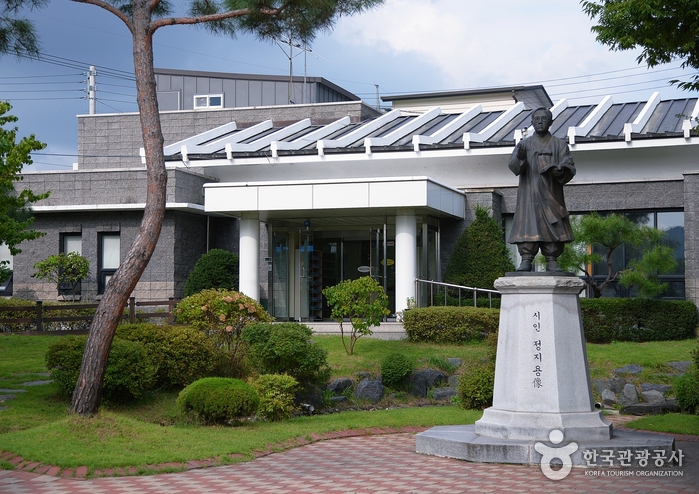
Jeong Jiyong Memorial Hall (정지용 문학관)
13.5Km 2025-08-21
56 Hyangsu-gil, Okcheon-gun, Chungcheongbuk-do
Hagye-ri in Okcheon-gun, Chungcheongbuk-do, is the hometown of Jeong Jiyong, the poet who wrote the poem "Hyangsu" (Nostalgia). The Jeong Jiyong Memorial Hall is located next to Jeong Jiyong's birthplace. The gallery has a Literature Exhibition Hall, which is divided into four parts: Jeong Jiyong's Chronological History, Jiyeong's Life and Literature, Jiyong Literature Map, and Exhibition of his Original Copy of Prose and Poem.
At the Literature Experience Center, visitors can learn more about literature through various multimedia platforms. The Video Room shows a documentary about Jiyong's life and literature, while the Literature Class is the venue for lectures, poem discussions, seminars, and other literature club activities.
 English
 한국어
한국어 日本語
日本語 中文(简体)
 Deutsch
 Français
 Español
 Русский


