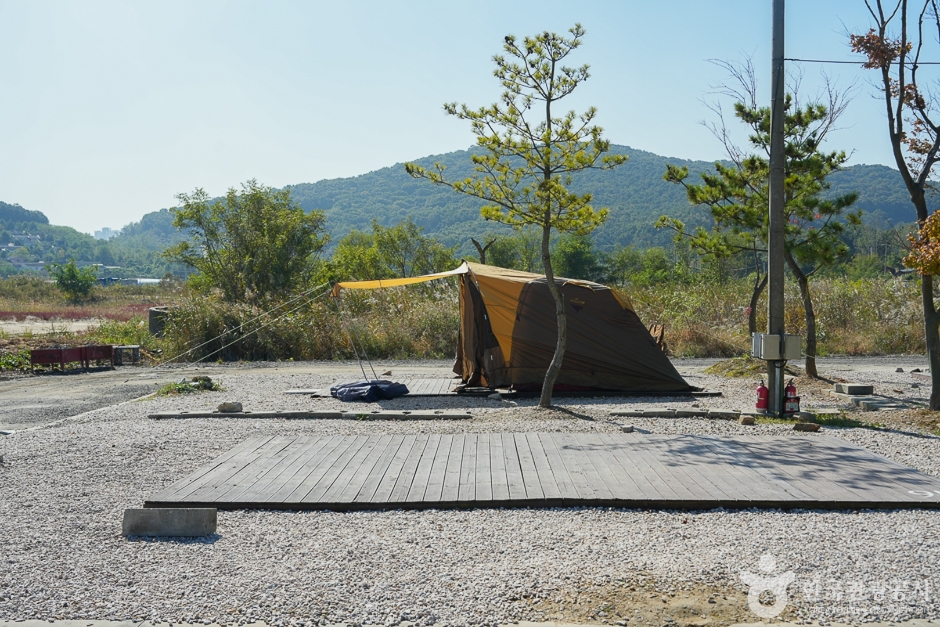
Manjung Campground (만정캠핑장)
14.2Km 2024-02-16
279-20 Yeongjongsunhwan-ro, Jung-gu, Incheon
Manjung Campground, situated on Yeongjongdo Island, offers spacious campsites allowing for undisturbed rest. Adjacent to the campground are fishing areas for both freshwater and sea fishing, making it a favored spot among fishing enthusiasts. Additionally, its proximity to Yeongjongdaegyo Bridge enhances accessibility, and visitors can enjoy spectacular sunset views as well.
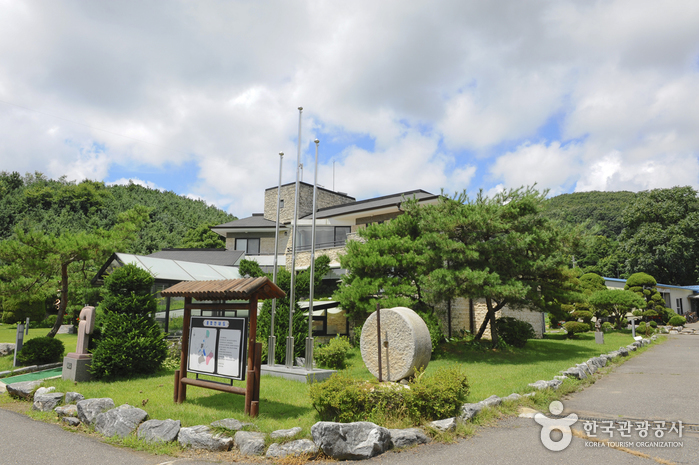
Gimpo Tea Etiquette Museum (다도박물관)
14.3Km 2021-04-02
187-49, Aegibong-ro 275beon-gil, Gimpo-si, Gyeonggi-do
+82-31-998-1000
The Gimpo Tea Etiquette Museum is a private museum where visitors can learn about the history of Korea’s tea culture, dado, meaning tea ceremony in Korea. Approximately 3,000 tea ceremony utensils are on display within the museum, and outside lies a sculpture park and an open-air installation art museum. The museum also has various auxiliary facilities for holding cultural events and performances. There is a pond, a spacious lawn, and a pavilion where visitors can learn about Korea’s traditional culture and ethics in a natural setting.
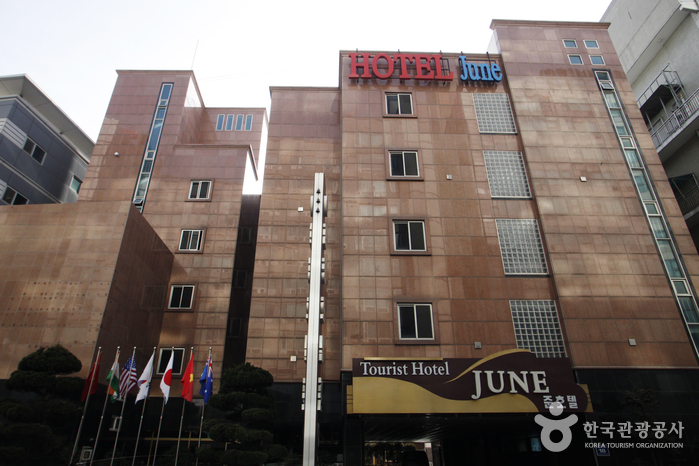
Hotel June Incheon Airport (호텔 준)
15.3Km 2025-01-07
18, Sindosinam-ro 150beon-gil, Jung-gu, Incheon
+82-32-746-4417
Hotel June is named after the month of June, said to be a month of passion. Perfect for transit passengers, the hotel provides free shuttle services to and from the airport (roughly an 8-minute drive). In addition, the hotel employs a multilingual staff and offers free long-term parking and high-speed internet services.
Guestrooms at the hotel are decorated simply, but are cozy and come with all the latest facilities. At the 24-hour business center, guests can find desktop computers with high-speed internet, a fax machine, and other business services. The new concept fusion restaurant offers various international dishes and serves as a place of gathering among guests.
![CheongKwanJang - Unseo Branch [Tax Refund Shop] (정관장 운서)](http://tong.visitkorea.or.kr/cms/resource/80/2882780_image2_1.jpg)
CheongKwanJang - Unseo Branch [Tax Refund Shop] (정관장 운서)
15.3Km 2024-04-18
#108, 137, Sindosinam-ro, Jung-gu, Incheon
-

Days Hotel Incheon Airport / 데이즈호텔 앤 스위트 인천에어포트
15.4Km 2025-03-05
6 , Sindosinam-ro 142beon-gil, Jung-gu, Incheon
+82-32-722-3000, +82-32-722-0002
Days Hotel Incheon Airport is a residence hotel adjacent to Unseo Station on the Airport Railroad. All rooms are equipped with cooking facilities, washing machines, work desks, and dining tables, making them particularly convenient for longer-term stayers. Hotel facilities include an indoor swimming pool, billiards and table tennis rooms, a coin karaoke room, and a sauna. For families with children, cribs and bathtub are provided free of charge, and there is a play zone for kids. The business center is open 24 hours a day.
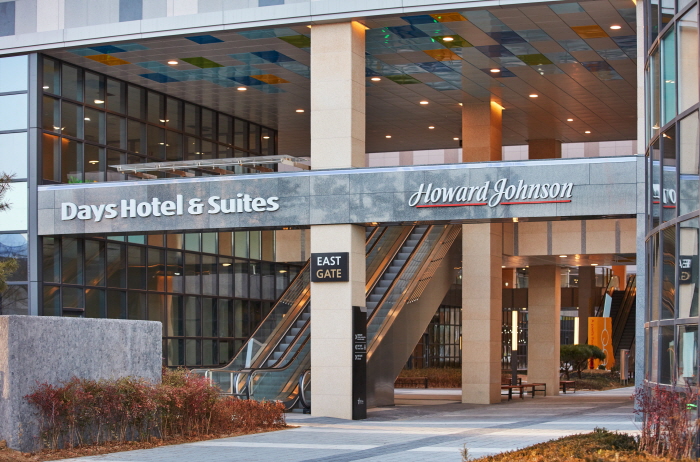
Howard Johnson Hotel Incheon Airport/ 하워드 존슨 인천 에어포트
15.4Km 2025-03-05
6 , Sindosinam-ro 142beon-gil, Jung-gu, Incheon
+82-32-722-0000, +82-32-722-0002
Howard Johnson Incheon at Incheon Airport on Yeongjongdo Island, Incheon, offers comfortable hotel-style rooms with wood-feature interiors, high-quality linen bedding and a sofa, desk and chair. Facilities include a restaurant, cafe & bar, plus billiard room, swimming pool, kids zone, business center, and concierge service. There is a shuttle bus to and from Incheon International Airport, while Eurwangni Beach and Yeongjong Seaside Park are 25 minutes away by car.
![Olive Young - Unseo Station Branch [Tax Refund Shop] (올리브영 운서역)](http://tong.visitkorea.or.kr/cms/resource/78/2882778_image2_1.jpg)
Olive Young - Unseo Station Branch [Tax Refund Shop] (올리브영 운서역)
15.4Km 2024-04-22
6, Sindosinam-ro 142beon-gil, Jung-gu, Incheon
-
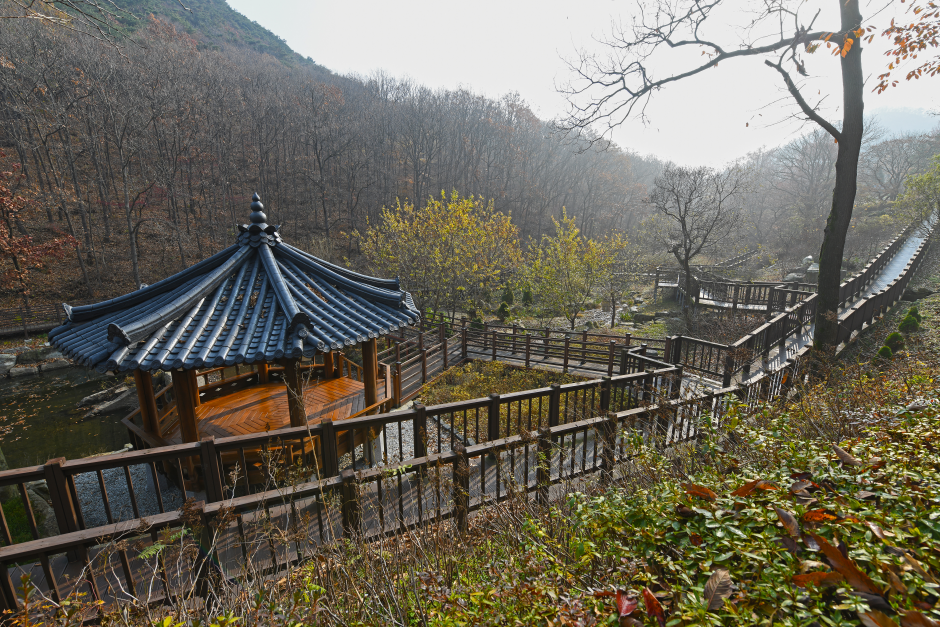
Seongmodo Island Arboretum (석모도 수목원)
15.4Km 2023-02-09
161, Samsanbuk-ro 449beon-gil, Ganghwa-gun, Incheon
+82-32-932-5432
Seongmodo Island Arboretum was established on Seongmodo Island in recognition of its suitability for research on plants native to the Nothern Limit Line and marine plants in preparation for gloabl warming. In addition, it is built along the valley of the Seongmo-ri area and boasts a pollution-free natural environment. It is a tourist destination where the mountains and the sea coexist and conveys values and benefits of forests, allowing visitors to commune with nature.
![Innisfree - Unseo Branch [Tax Refund Shop] (이니스프리 운서)](http://tong.visitkorea.or.kr/cms/resource/79/2882779_image2_1.jpg)
Innisfree - Unseo Branch [Tax Refund Shop] (이니스프리 운서)
15.4Km 2024-04-18
#117, 45, Huinbawi-ro, Jung-gu, Incheon
-
![Lotte Himart - Yeongjong Branch [Tax Refund Shop] (롯데하이마트 영종점)](http://tong.visitkorea.or.kr/cms/resource/84/3313284_image2_1.jpg)
Lotte Himart - Yeongjong Branch [Tax Refund Shop] (롯데하이마트 영종점)
15.5Km 2024-06-26
51, Huinbawi-ro, Jung-gu, Incheon
-
 English
 한국어
한국어 日本語
日本語 中文(简体)
 Deutsch
 Français
 Español
 Русский


