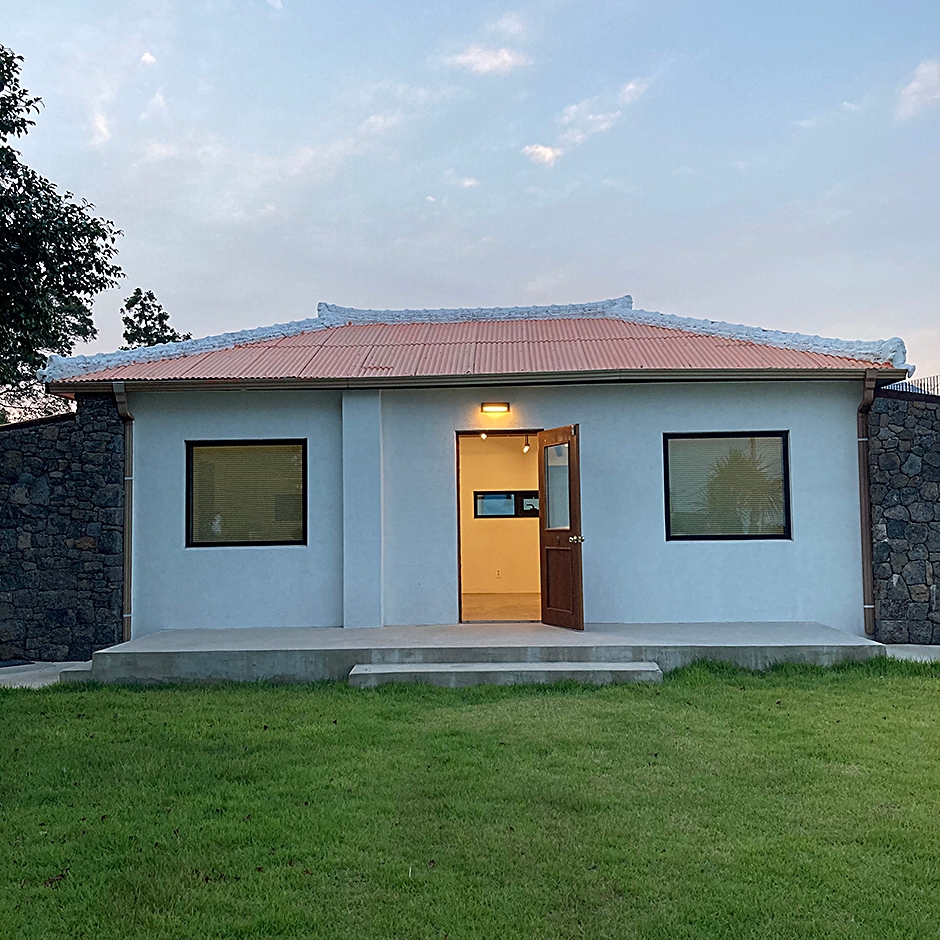
Lee Jeongui's House (이정의댁)
8.5Km 2024-04-02
22-1 Yerae-ro 144beon-gil, Seogwipo-si, Jeju-do
Lee Jeong-ui's House, nestled near the Yerae-dong Community Center, is a charming café set within the confines of a renovated traditional house. Surrounded by a black stone wall, it features a quaint single-story structure, a spacious yard, and outdoor seating under the fragrant boughs of tangerine and camellia trees. Inside, the ambiance is enhanced by dark wooden antique furniture and a distinctive café signboard. The café offers a delightful assortment of uniquely shaped small desserts and is dotted with photo zones, making it an enchanting spot for children. Situated close to the Jungmun Tourist Complex and the Saekdalhaebyeon Beach, it serves as a multifaceted destination where visitors can enjoy a café, dessert shop, and Airbnb accommodations, all while soaking in the authentic Jeju atmosphere.

Podo Hotel (포도호텔)
8.7Km 2024-06-05
863 Sallongnam-ro, Andeok-myeon, Seogwipo-si, Jeju-do
+82-64-792-5200
Podo Hotel is designed with the motif of Jeju's oreum (parasitic cone) and thatched-roof houses. The hotel aims to create a healing environment, where guests can unwind while looking out at Jeju's pristine nature. Each guest room features natural hot spring water.
Hallasan Mountain (한라산)
8.8Km 2025-10-31
San 15-1 Topyeong-dong, Seogwipo-si, Jeju-do
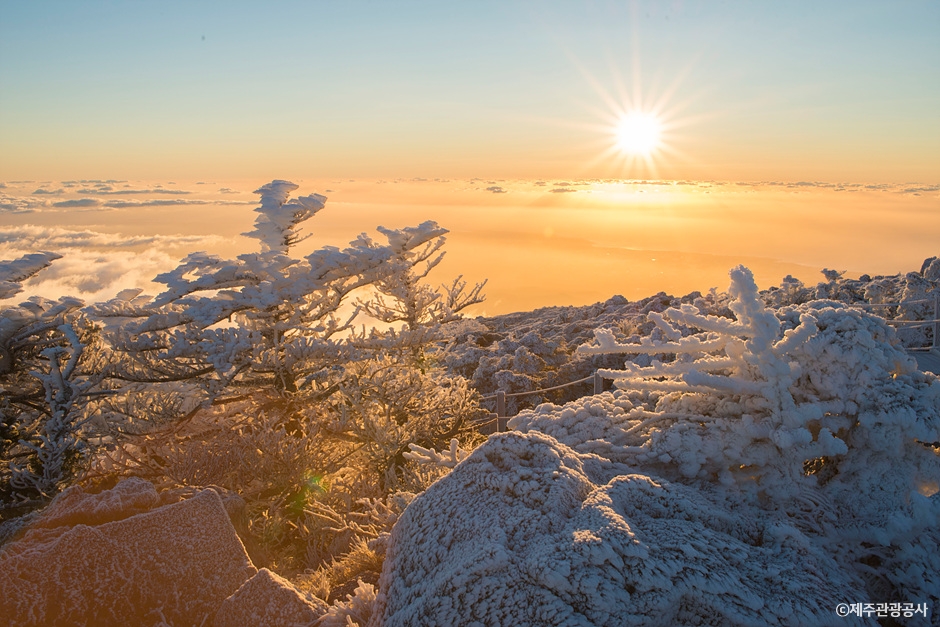
Hallasan Mountain stands proudly at the center of Jeju Island and is perhaps the island’s most memorable landmark. Also called Yeongjusan Mountain, meaning "mountain high enough to pull the galaxy," Hallasan Mountain is widely known by scientists for its geological value. Designated as a national park in 1970, there are 368 parasitic cones called "oreum" (Jeju dialect meaning peak) around the main mountain.
Hallasan Mountain is famous for its vertical ecosystem of plants that results from the varying temperatures along the mountainside. Over 1,800 kinds of plants and 4,000 species of animals (3,300 species of insects) have been identified; to explore the mountain's treasures, simply follow one of the well-developed hiking trails.
Nonjinmul (논짓물)
9.3Km 2023-12-26
253 Yeraehaean-ro, Seogwipo-si, Jeju-do
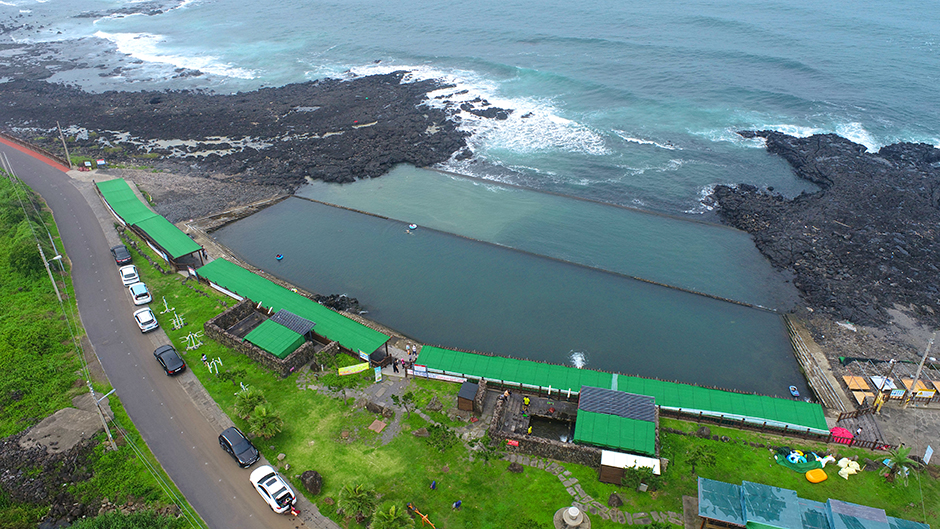
Nonjinmul is a natural beach created as spring water flows into the sea, causing seawater and freshwater to meet. “Nonjinmul” means “just throwing away the water” because the spring water rises up close to the coast and cannot be used for agricultural or drinking water. Currently, a large amount of freshwater flows into the sea, and it has an embankment, pools, and showers, making it a popular swimming spot. In the summer, the Yerae Eco Village Experience Festival is held here, where visitors can enjoy various memorable experiences, such as catching olive flounder with one’s bare hands. Nonjinmul is part of the Jeju Olle Trail Course 8. Yerae Coastal Road, stretching out next to it, is an excellent driving course where one can enjoy the seascape. It is also great to stop by Nonjinmul while enjoying trekking or driving. However, the waves are strong outside the saltwater pool, so caution is needed to avoid accidents.
Baengnokdam Lake (한라산 백록담)
9.3Km 2025-10-31
Topyeong-dong, Seogwipo-si, Jejudo
+82-64-713-9950
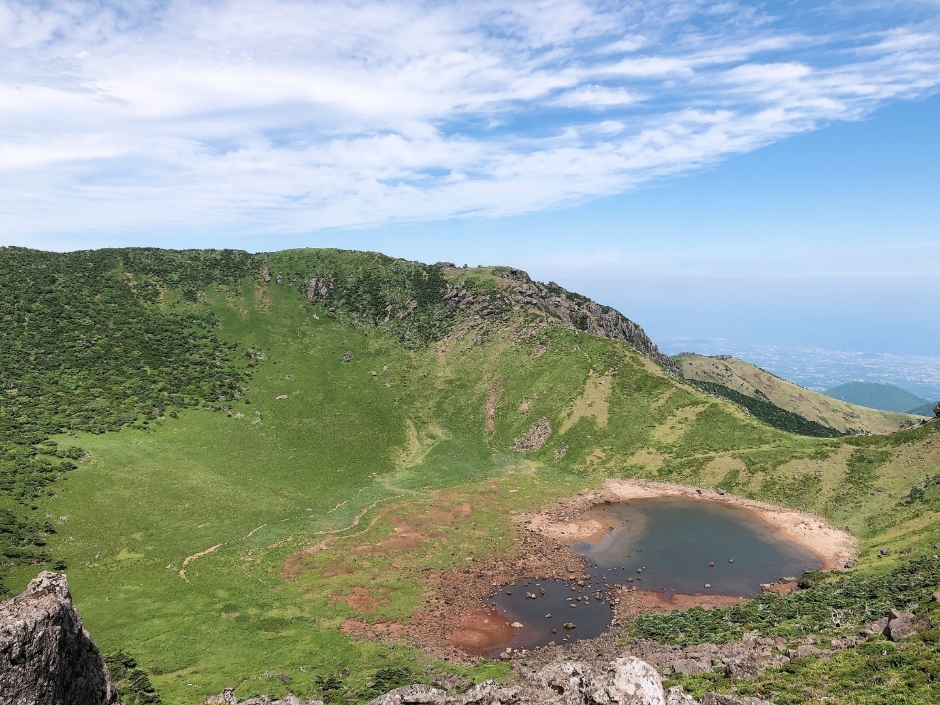
Baengnokdam is a crater lake that sits on top of Hallasan Mountain at the center of Jeju Island. It spans 3 kilometers in circumference and 500 meters in diameter, and is surrounded by approximately 360 parasitic cones. At the peak, visitors can feel like floating on clouds.
Donnaeko Resort (Wonangpokpo Falls) (돈내코(원앙폭포))
9.3Km 2025-01-14
137, Donnaeko-ro, Seogwipo-si, Jeju-do
+82-64-710-6920
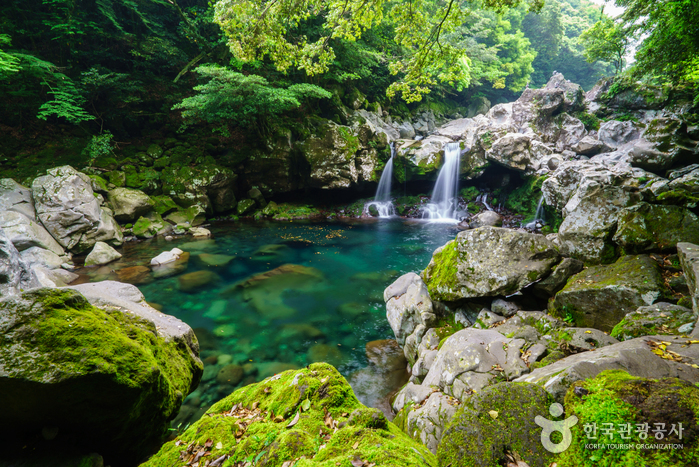
With a valley creek hidden by lush green forest leading to a 5-meter-high waterfall falling into a small pool of water, Donnaeko Resort is like a small paradise hidden in nature. The waters, flowing down from Hallasan Mountain, are clear and icy cold even during the hot summer season. The resort's magnificent views and natural pool make the area a popular vacation destination.
Jeju Glass Museum (제주유리박물관)
10.0Km 2022-11-30
1403, Jungsanganseo-ro, Seogwipo-si, Jeju-do
+82-64-792-6262
Jeju Glass Museum (originally the Gimpo Glass Museum and SongHee Glass House), has been making a significant contribution to the advancement of Korean glass art over the past several years through constant research and innovation. The museum opened on March 1, 2008, and has state-of-the-art facilities including a glass art exhibition hall, studio with a kiln, glass-blowing room, and glass processing room. With an expansive area totaling 3,500 pyeong and a broad grass field for displaying artwork, it is a perfect place to study and learn. The museum also offers some programs for visitors to learn and gain a greater appreciation for glass art.
Da Vinci Museum (다빈치 뮤지엄)
10.1Km 2025-01-10
788 Sallongnam-ro, Andeok-myeon, Seogwipo-si, Jeju-do
+82-64-794-5114~5
Da Vinci Museum, located in Seogwipo-si on Jeju Island is the only museum that has the Da Vinci License in Korea. The museum offers visitors a chance to experience a wide variety of activities and hands-on programs. When you think of Leonardo Da Vinci, a few things that come to mind are the Mona Lisa and The Last Supper. However, one of the greatest masterpieces in his life is the Codex, a collection of his writings. Over 7,000 pages of the Codex, A.K.A. a notebook of secrets, survives today, and the museum displays over 200 works created and inspired based on the writings in the Codex. The museum houses information about the life and times of Leonardo Davinci, a superb scientist, anatomist, and inventor.
Podo Museum (포도뮤지엄)
10.1Km 2024-01-31
788 Sallngnam-ro, Andeok-myeon, Seogwipo-si, Jeju-do
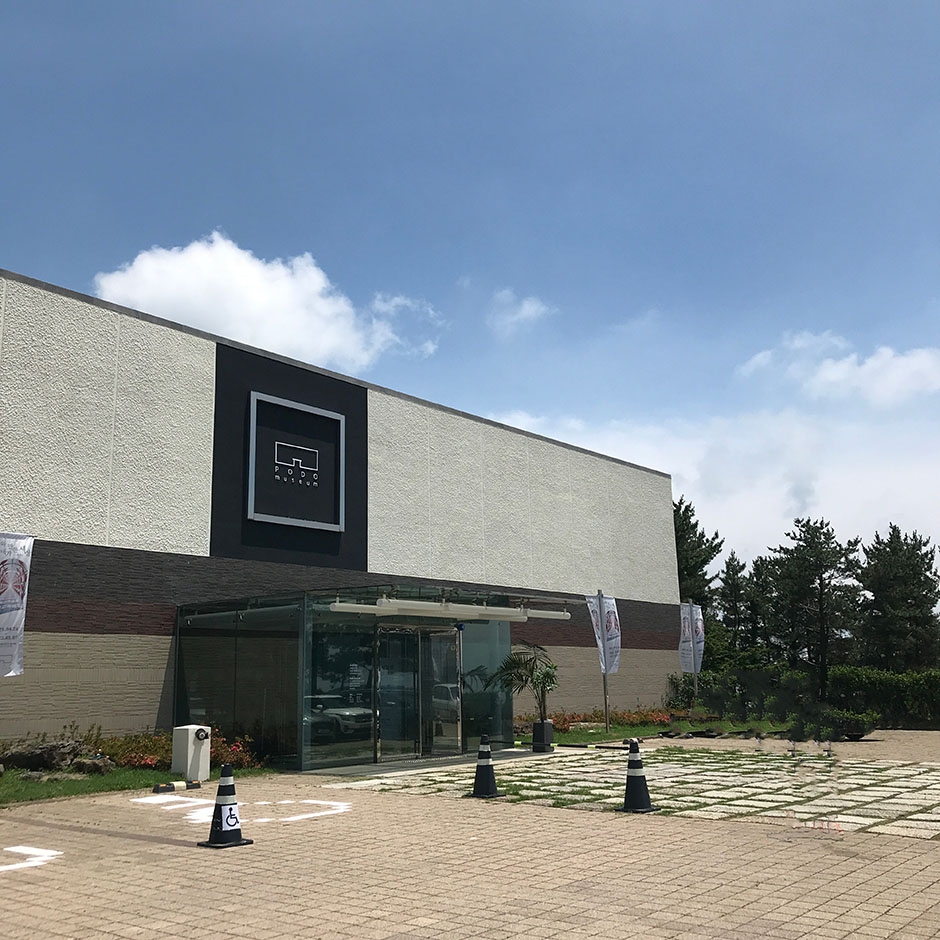
Opened in April 2021, Podo Museum aims to be a space that promotes the symbiosis of the Earth's ecological environment and humankind and listens to the voices of the socially underprivileged. It operates mainly around exhibitions without any separate experience programs. Exhibitions are held following the museum's goals and themes. As the content changes depending on the period, checking the website before visiting is recommended. The museum also has a café and souvenir shop on its first floor, making it great to look around on rainy days when outdoor sightseeing is not a preferred option. There are Camellia Hill, Bangju Church, and Bonte Museum nearby, so visitors are recommended to look around.
Citrus Museum (감귤박물관)
11.1Km 2024-03-26
441 Hyodonsunhwan-ro, Seogwipo-si, Jeju-do
+82-64-760-6400
Citrus Museum is a themed museum dedicated to tangerines, a specialty of Jeju Island. It showcases the history of tangerines, their varieties, cultivation methods, and tangerine cultivation worldwide. Visitors can also purchase tangerine-related products at the Citrus Experience Center and Museum Shop. From November to February of the following year, visitors can experience tangerine harvesting. The café on the second floor offers various beverages made from tangerines.
 English
 한국어
한국어 日本語
日本語 中文(简体)
 Deutsch
 Français
 Español
 Русский


