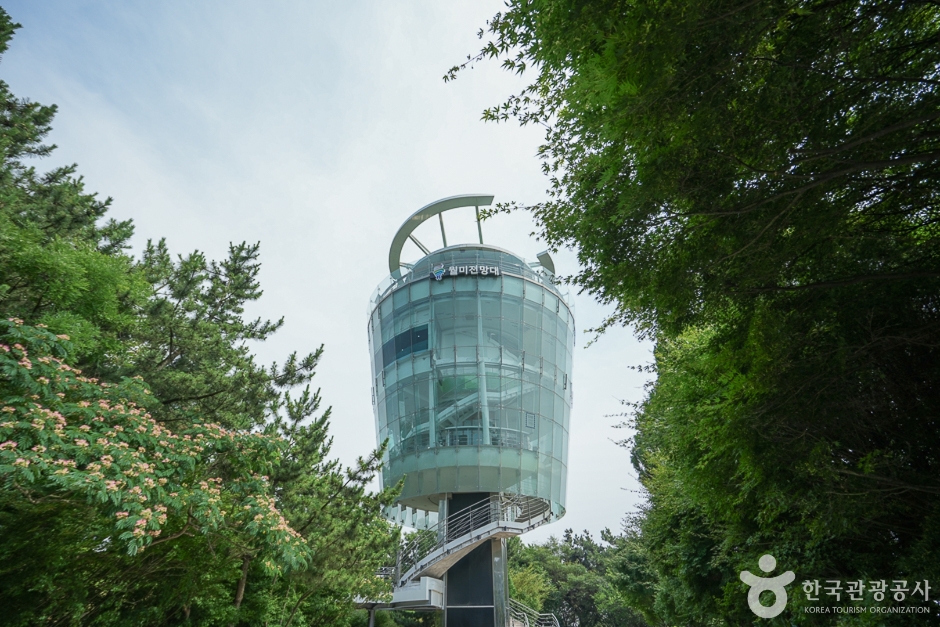
Wolmi Park Wolmi Observatory (월미공원 월미전망대)
987.5M 2025-10-23
294 Wolmi-ro, Jung-gu, Incheon
Wolmi Observatory, located atop Wolmisan Mountain, offers panoramic views of Incheon Port, Incheon Bridge, the Passenger Terminal, and nearby islands scattered across the ocean. One side of the observatory overlooks Incheon City, including Jayu Park, while the other opens up to the vast blue West Sea. It is also renowned for its stunning sunset views, making it a popular evening attraction. The observatory features a café, providing visitors with a relaxing space to unwind while taking in the beautiful scenery of the West Sea.
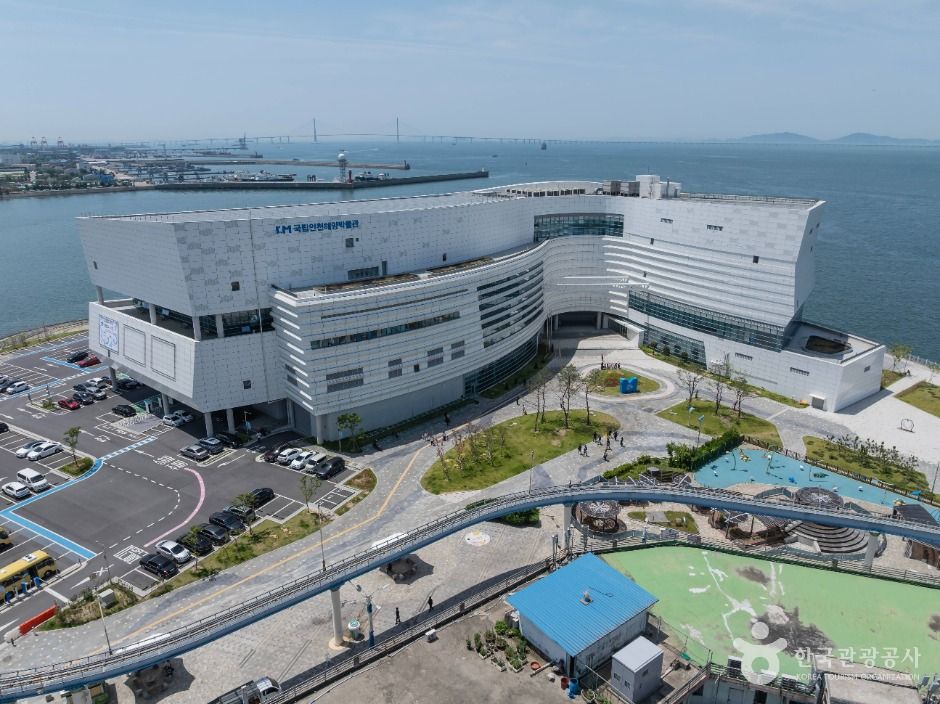
Incheon National Maritime Museum (국립인천해양박물관)
987.5M 2025-10-23
294 Wolmi-ro, Jung-gu, Incheon
Incheon National Maritime Museum, located on Wolmido Island, is the first maritime cultural facility in the metropolitan area. Established in December 2024, the museum features permanent exhibition halls, a children’s museum, immersive video rooms, and special exhibition halls, offering visitors a glimpse into marine culture, including the history of maritime and port development.
Incheon Port Floodgate (인천항 갑문)
1.1Km 2021-06-01
376, Wolmi-ro, Jung-gu, Incheon
+82-32-890-8000
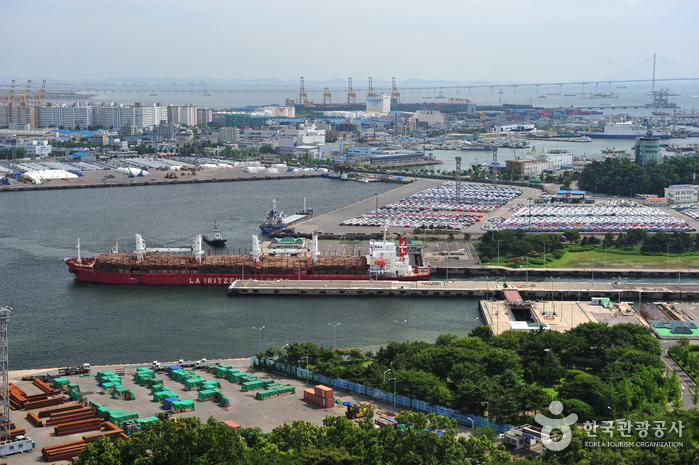
Incheon Port Floodgate is located between the beautiful Wolmisan Mountain and Sowolmido Island. Surrounding the floodgate is a large 66,000 square meter garden covered with grass, pine trees, ginko trees, and cherry blossom trees, creating a beautiful scene. Especially in the spring, azaleas, royal azaleas, cherry blossoms, and magnolia blossoms are blooming, adding to the beauty of the garden.
If you visit when the floodgate opens, you will witness giant cargo ships and cruise ships passing through the gate to enter and leave the port. Also, at the situation room of the floodgate management office, an introductory video of Incheon Port is played to offer more information on the facility.
There are two floodgates at Incheon Port. One floodgate is 36 meters wide by 363 meters long. The other is 22.5 meters wide by 202 meters long. The larger one can accommodate vessels up to 50,000DWT and the smaller one can dock ships up to 10,000DWT. Per day, up to 20 vessels can enter and leave the port.

Wolmi Sea Train (월미바다열차)
1.2Km 2024-04-21
269 Jemullyang-ro, Jung-gu, Incheon
Wolmi Sea Train is Korea's longest urban tourist monorail, stretching over 6.1 kilometers. The train travels at an average speed of 9 kilometers per hour, taking 42 minutes to complete one loop around Wolmido. The tracks are located between 7 and 18 meters off the ground, offering a view over all Wolmido has to offer. The views out over the sea are especially beautiful at sunset.
The Story Course of the Historical and Cultural Street of the Open Trade Port - 1 hr course ([인천 개항 누리길] 1시간 코스)
1.2Km 2023-01-12
269, Jemullyang-ro, Jung-gu, Incheon
+82-32-440-4055
The Story Course of the Historical and Cultural Street of the Open Trade Port is a course that showcases the history and culture of the pork opening over 100 years ago. Started in 2006, the walking course takes participants through historical buildings and attractions including Jayu Park, The first Bank, 5.8 Bank, Chinatown and more. There are three different courses varying by time with one hour course taking participants from Incheon Station to Chinatown and Samgukji Mural Street, Jayu Park, Jemulpo Club, Incheon Modern Architecture Museum, and finishing at Korean-Chinese Cultural Center.
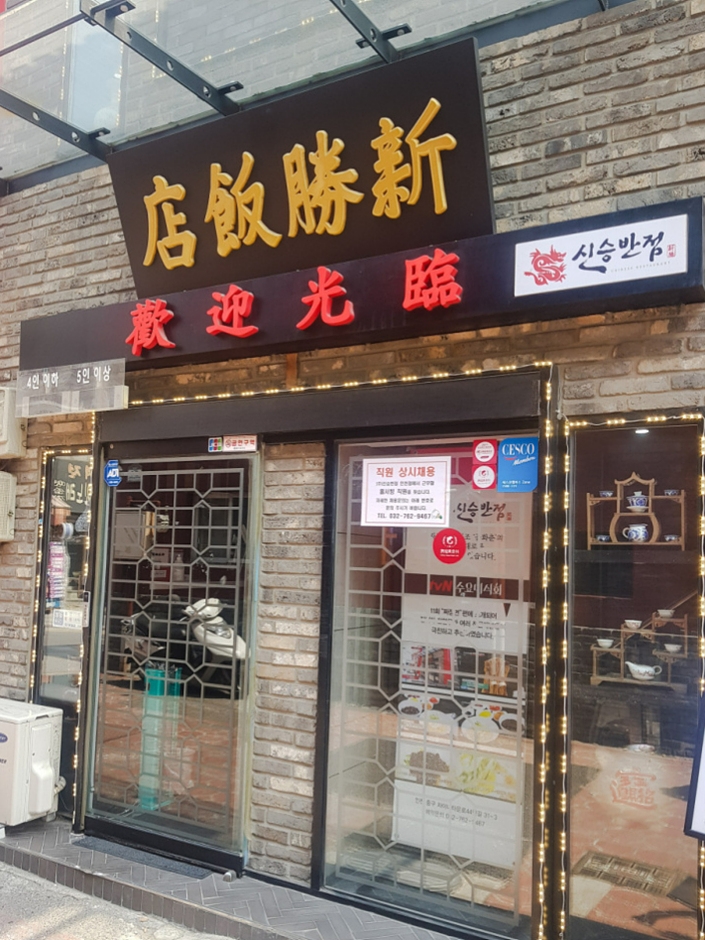
Sinseung Banjeom (신승반점)
1.2Km 2024-12-19
인천광역시 중구 차이나타운로44번길 31-3
This restaurant, run by the granddaughter of Gonghwachun’s founder Woo Hee-gwang, is best known for its signature yuni-jjajang—a sweet, savory sauce made with minced meat and vegetables, served separately from the noodles, similar to ganjjajang, and topped with a sunny-side-up fried egg. Other popular dishes include the chewy chapssal tangsuyuk (deep-fried pork in a sweet rice batter with sweet and sour sauce) and the samseon haemul nurungjitang (a three-delicacy sizzling rice soup with seafood).4
Jjajangmyeon Museum (짜장면박물관)
1.3Km 2024-12-23
56-14 Chinatown-ro, Jung-gu, Incheon
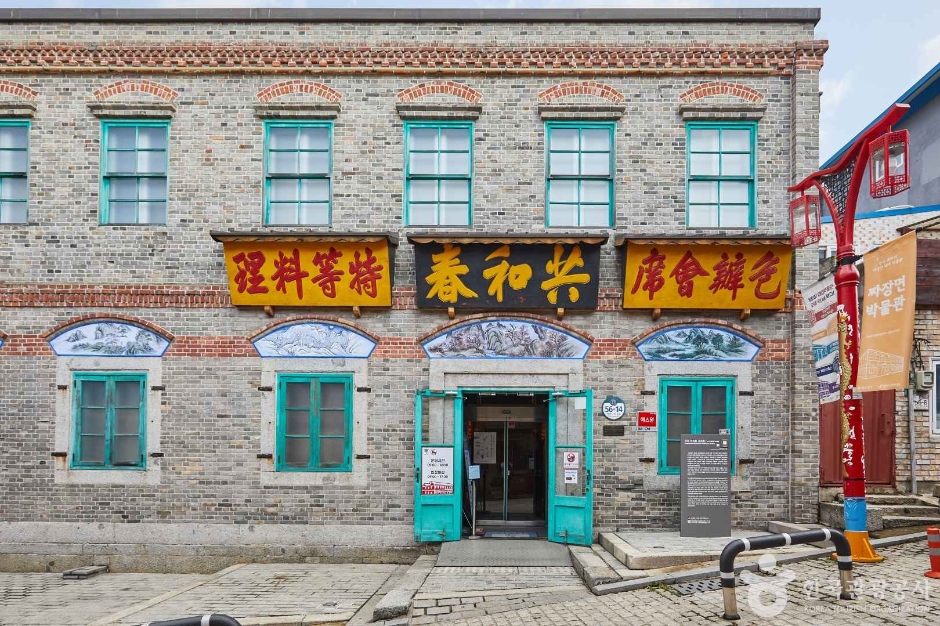
Jjajangmyeon Museum is built in the former building of Gonghwachun, the official birthplace of jjajangmyeon, a food people of all ages love. Gonghwachun operated in this old-fashioned brick building until 1983, and the building was renovated as Jjajangmyeon Museum. It is the first jjajangmyeon-themed museum in Korea and consists of six permanent exhibition rooms and one special exhibition room. Visitors can see the birth and transformation of jjajangmyeon at a glance and the different types and recipes of jjajangmyeon. The special exhibition room presents exhibitions on a variety of topics every year. The reproduction of Gonghwachun’s original reception room and kitchen as well as the exhibition of how the metal delivery box changed over the years are also interesting.
Taehwawon (태화원)
1.3Km 2024-12-02
10 Chinatown-ro 59beon-gil, Jung-gu, Incheon
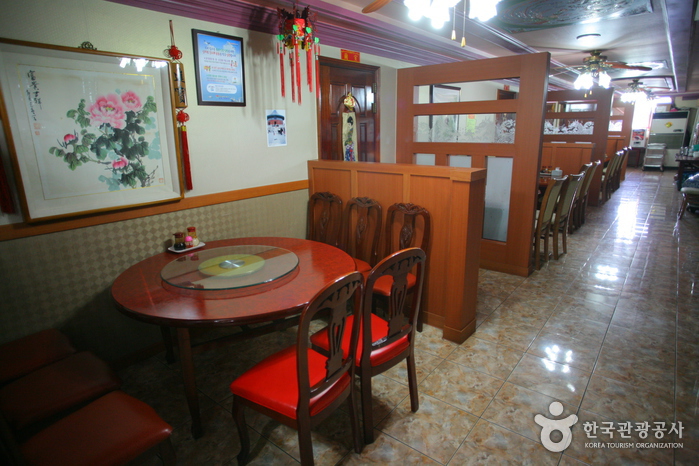
Now in its third generation, this Korean-Chinese restaurant, established in 1926, is one of the earliest in Incheon Chinatown and is renowned for preserving traditional flavors. Its signature Incheon Hyangto Jjajang (Incheon-style black bean sauce noodles) is crafted with the restaurant's own chunjang and seasonal ingredients, offering a richer, deeper taste than jjajangmyeon made with store-bought sauce. The restaurant also offers a vegetarian menu.
Hanjungwon (한중원)
1.3Km 2024-01-04
12 Chinatown-ro 59beon-gil, Jung-gu, Incheon
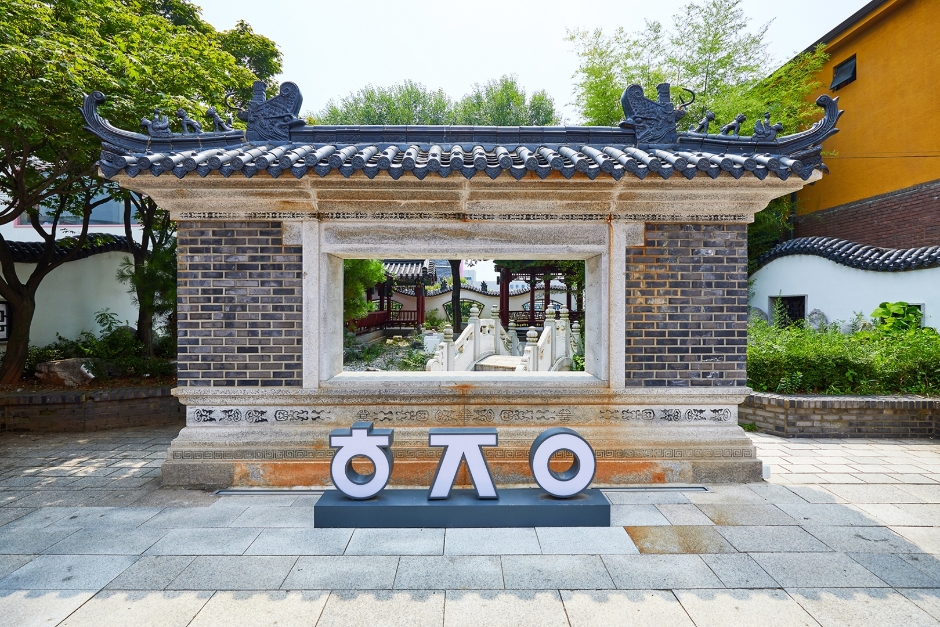
Hanjungwon is a Chinese-style garden built to commemorate the establishment of diplomatic relations between Korea and China, making it a great place to rest after looking around Chinatown. It was created with the motif of the garden style of the Suzhou region in the mid and late Qing Dynasty. Plants native to China are planted, such as bamboo, roses, and peonies, giving it an exotic atmosphere. There are human figures wearing traditional Chinese costumes on both sides of the entrance, making it a famous photo zone.
Korean-Chinese Cultural Center (한중문화관)
1.4Km 2021-02-26
238, Jemullyang-ro, Jung-gu, Incheon
+82-32-760-7860
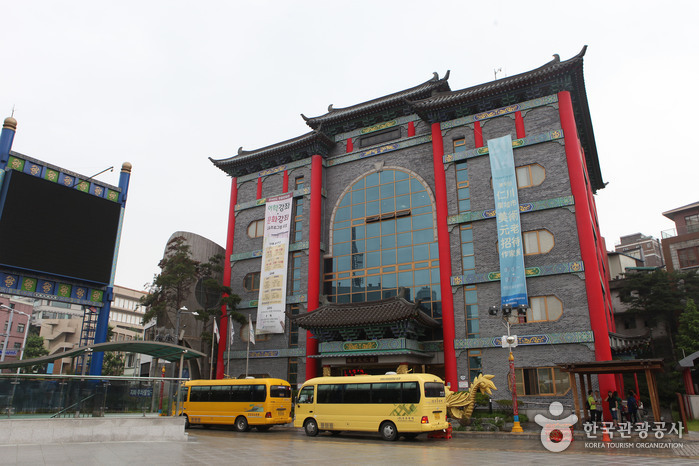
The Korean-Chinese Cultural Center, located within Incheon Chinatown, was built to facilitate mutual understanding between Korea and China by learning more on each other's culture, history, economy and society. Diverse performances are available, along with special exhibitions, and Chinese cultural lectures. The Chinese cultural experience corner and reading room on Korean-Chinese history & culture are put in place for visitors to enjoy while learning. In addition, on the weekends, Chinese language classes for Koreans, Korean language classes for foreigners, free movie screenings, and other exhibits are also available.
 English
 한국어
한국어 日本語
日本語 中文(简体)
 Deutsch
 Français
 Español
 Русский


