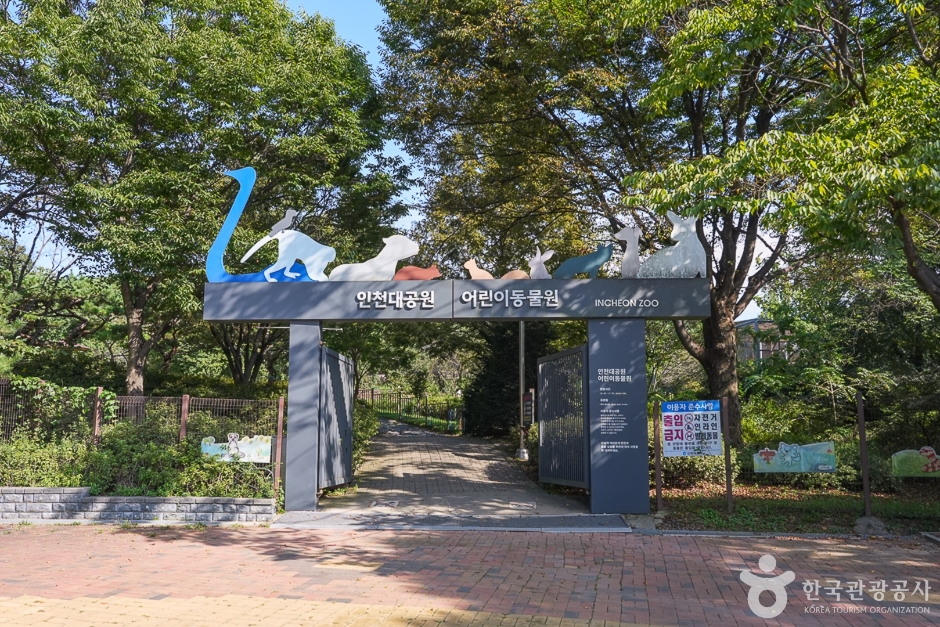
Incheon Grand Park Children's Zoo (인천대공원 어린이동물원)
7.2Km 2024-04-11
236 Munemi-ro, Namdong-gu, Incheon
The Children's Zoo of Incheon Grand Park is located near the south gate, and is home to over 230 animals in 27 species. The zoo mostly features gentle animals like rabbits, guinea pigs, Japanese macaques, marmosets, fennec foxes, wallaroos, meerkats, macaws, ostriches, and other non-dangerous animals. The zoo also houses protected Korean animals such as eagles and the Eurasian eagle-owl. To prevent accidents and animal stress, the zoo does not operate any animal feeding programs.

Wolgot Harbor (월곶포구)
7.2Km 2025-05-08
Wolgot-dong, Siheung-si, Gyeonggi-do
+82-31-318-4409
"Got" in the name of Wolgot means peninsula and the area was considered an important strategic point during the Joseon dynasty. In 1991 a land reclaimation project succeeded in creating a new recreation site. Now there are many seafood restaurants, various auxiliary facilities, and an amusement park that rest on reclaimed land. Because the inlet is located on the west coast where the difference in the water level between high and low tide is great, fishing boats avoid the area during the shifting tides. But, whenever the boats return, visitors can enjoy fresh sushi and other seafood. The Marine World facilities have authentic European-style restaurants, an outdoor seawater pool that can be used free of charge, and a barbecue facility along with other amenities.
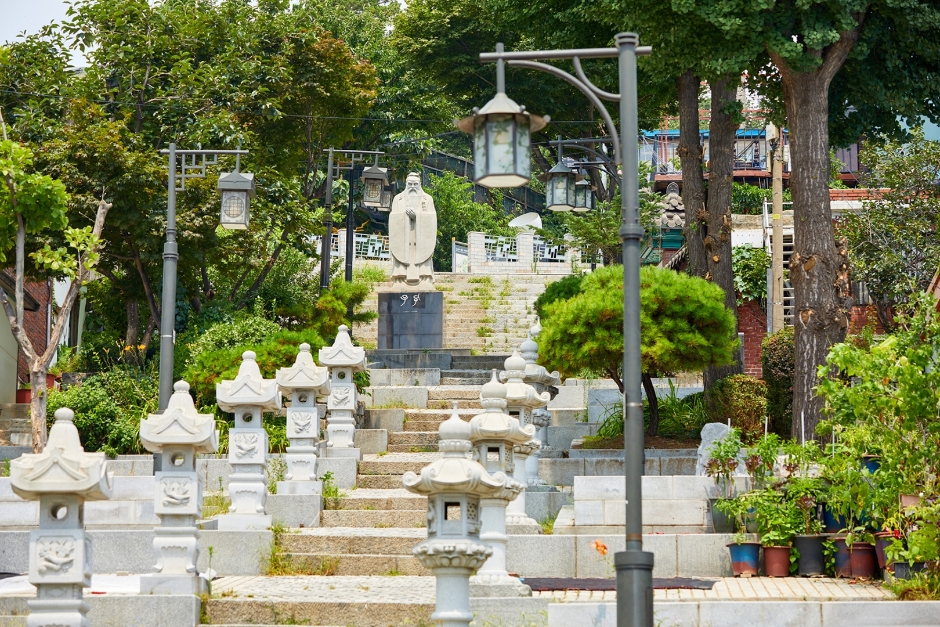
Cheongil Jogyeji Stairway (청일조계지 경계 계단)
7.2Km 2025-05-20
Seollin-dong, Jung-gu, Incheon
The border stairs of the Sino-Japanese Concession (an exclusive residential area set up for foreigners to live freely in ports opened for foreign trade) are located on a steep hill southwest of Jayu Park. It is a meaningful attraction with a history of about 120 years. The concession areas are divided into the Qing Dynasty concession on the left and the Japanese concession on the right with the stone stairs in the center. The buildings on the left and right clearly show each country's architectural styles and characteristics of the past.
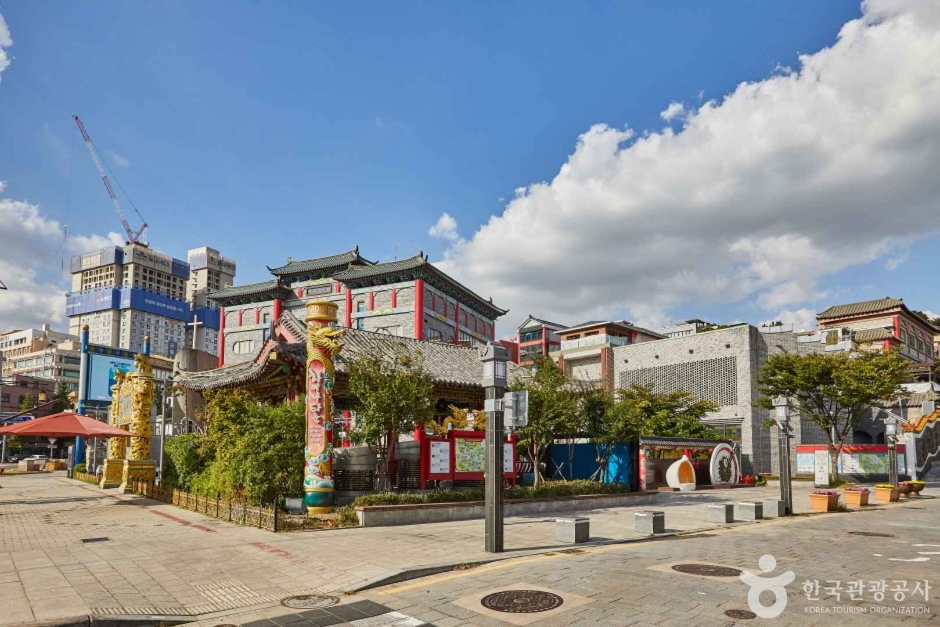
Incheon Chinatown (인천 차이나타운)
7.2Km 2025-10-23
20 Chinatown-ro 59beon-gil, Jung-gu, Incheon
Incheon's Chinatown came into being with the opening of Incheon Port in 1883 and Incheon's designation as an extraterritoriality of the Ching dynasty in the following year. In the past, the area held many stores trading goods imported from China, but currently most Chinese businesses in the area are restaurants. Today, the residents of Chinatown are mostly 2nd or 3rd generation Chinese, descendents of the early Chinese settlers. The area harbors many of the flavors of China, while the traditional culture of the first generation is preserved.
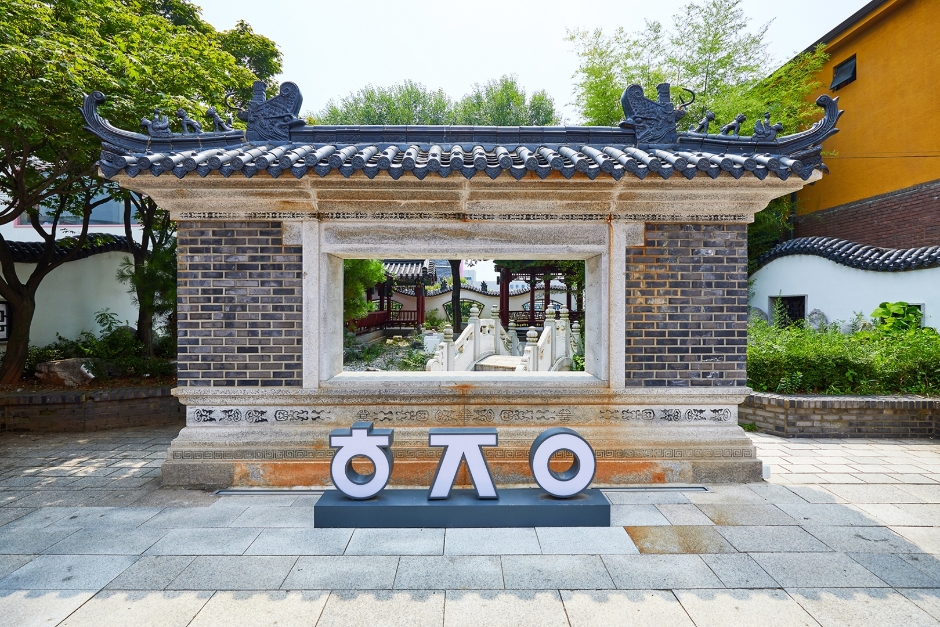
Hanjungwon (한중원)
7.3Km 2024-01-04
12 Chinatown-ro 59beon-gil, Jung-gu, Incheon
Hanjungwon is a Chinese-style garden built to commemorate the establishment of diplomatic relations between Korea and China, making it a great place to rest after looking around Chinatown. It was created with the motif of the garden style of the Suzhou region in the mid and late Qing Dynasty. Plants native to China are planted, such as bamboo, roses, and peonies, giving it an exotic atmosphere. There are human figures wearing traditional Chinese costumes on both sides of the entrance, making it a famous photo zone.
Taehwawon (태화원)
7.3Km 2024-12-02
10 Chinatown-ro 59beon-gil, Jung-gu, Incheon
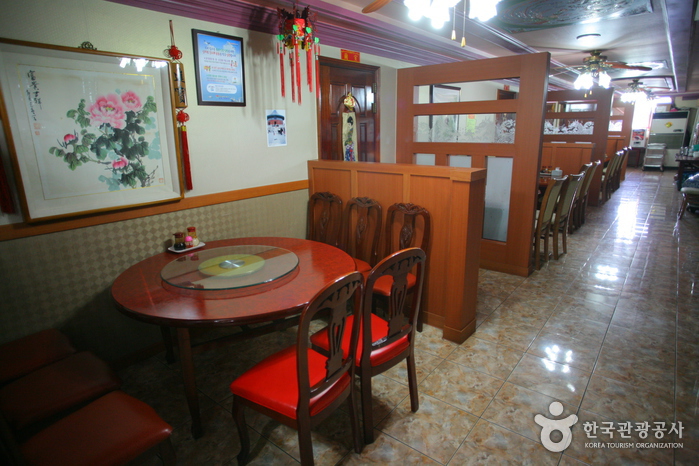
Now in its third generation, this Korean-Chinese restaurant, established in 1926, is one of the earliest in Incheon Chinatown and is renowned for preserving traditional flavors. Its signature Incheon Hyangto Jjajang (Incheon-style black bean sauce noodles) is crafted with the restaurant's own chunjang and seasonal ingredients, offering a richer, deeper taste than jjajangmyeon made with store-bought sauce. The restaurant also offers a vegetarian menu.
Incheon Baendaengi Street (연안부두 밴댕이회무침거리)
7.3Km 2021-07-22
24-1, Yeonanbudu-ro, Jung-gu, Incheon
+82-32-765-4169
The Gwanghwado and Incheon areas are known for their plentiful catches of baendaengi (large-eyed herring). After a little street started specializing in serving baendaengi some 30 years ago, the fish has continued to grow in popularity.
Located in Guwol-dong, across from the Incheon Culture & Arts Center, Baendaengi Street has expanded, and so has the variety of dishes served. Visitors can try baendaengi prepared sashimi-style, roasted, or in a spicy soup. For this particular species of herring, locals believe the flavor is best in March and April when they grow to their largest size. Salted Baendaengi also makes an excellent side-dish for Korean meals.
* Baendaengi is one of many types of small prey fish referred to as ‘Soeo’ for their fierce struggle in fishing nets. Soeo have internal organs that are proportionally smaller than other species of fish and are known for their feisty nature. These attributes are thought to signify a stress-filled life, which is why many Koreans refer to narrow-minded or hot-tempered people as ‘baendaengi.’
Songwol-dong Fairy Tale Village (송월동 동화마을)
7.4Km 2025-10-23
Songwol-dong 3(sam)-ga, Jung-gu, Incheon
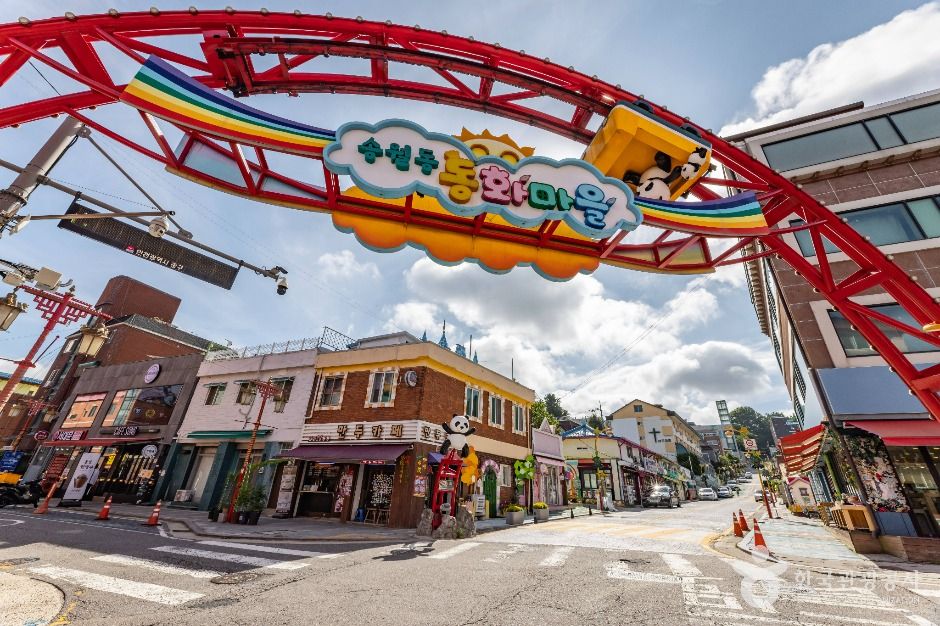
Songwol-dong was named for its view of the moon between the pine forest. The opening of Incheon Port in 1883 led to the start of many foreigners coming into the area for settlement, and it turned into a rich village. However, young people gradually moved out, leaving the village in a state of stagnation. As such, a renovation project was brought about to improve the development of the village by decorating with murals and sculptures of classic fairy tales.
Jjajangmyeon Museum (짜장면박물관)
7.4Km 2024-12-23
56-14 Chinatown-ro, Jung-gu, Incheon
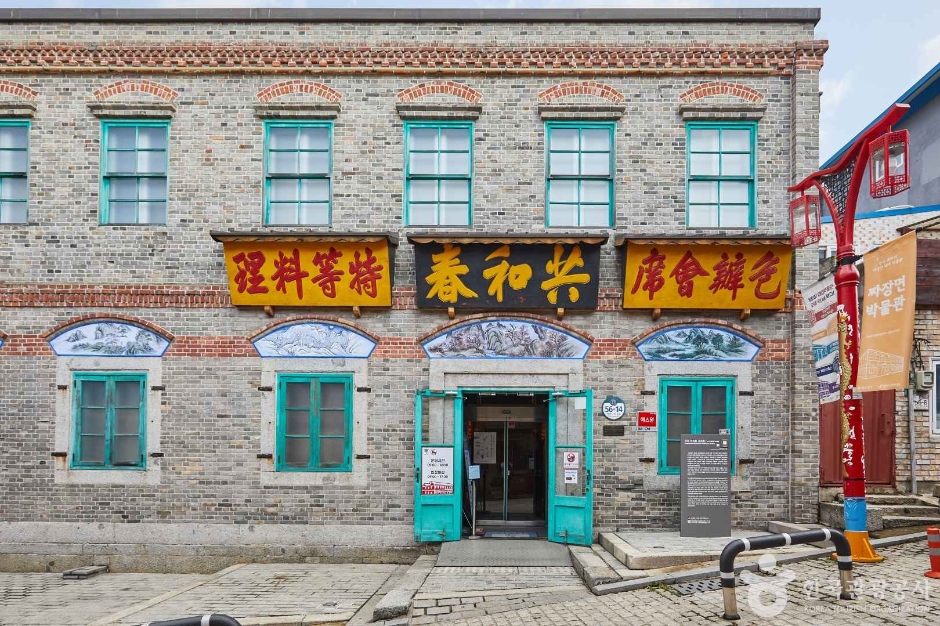
Jjajangmyeon Museum is built in the former building of Gonghwachun, the official birthplace of jjajangmyeon, a food people of all ages love. Gonghwachun operated in this old-fashioned brick building until 1983, and the building was renovated as Jjajangmyeon Museum. It is the first jjajangmyeon-themed museum in Korea and consists of six permanent exhibition rooms and one special exhibition room. Visitors can see the birth and transformation of jjajangmyeon at a glance and the different types and recipes of jjajangmyeon. The special exhibition room presents exhibitions on a variety of topics every year. The reproduction of Gonghwachun’s original reception room and kitchen as well as the exhibition of how the metal delivery box changed over the years are also interesting.
Mandabok (만다복)
7.4Km 2024-12-19
인천광역시 중구 차이나타운로 36 만다복
This restaurant offers baengnyeon jjajang (meaning “hundred-year jjajang”), a traditional style of hayan jjajang, or old-fashioned black bean sauce noodles. The dish features noodles topped with a soy sauce-based sauce along with pork, seafood, and vegetables.
 English
 한국어
한국어 日本語
日本語 中文(简体)
 Deutsch
 Français
 Español
 Русский


