Wolmi Zzang Land (Wolmi Theme Park) (월미짱랜드)
15.1Km 2025-10-23
81 Wolmimunhwa-ro, Jung-gu, Incheon
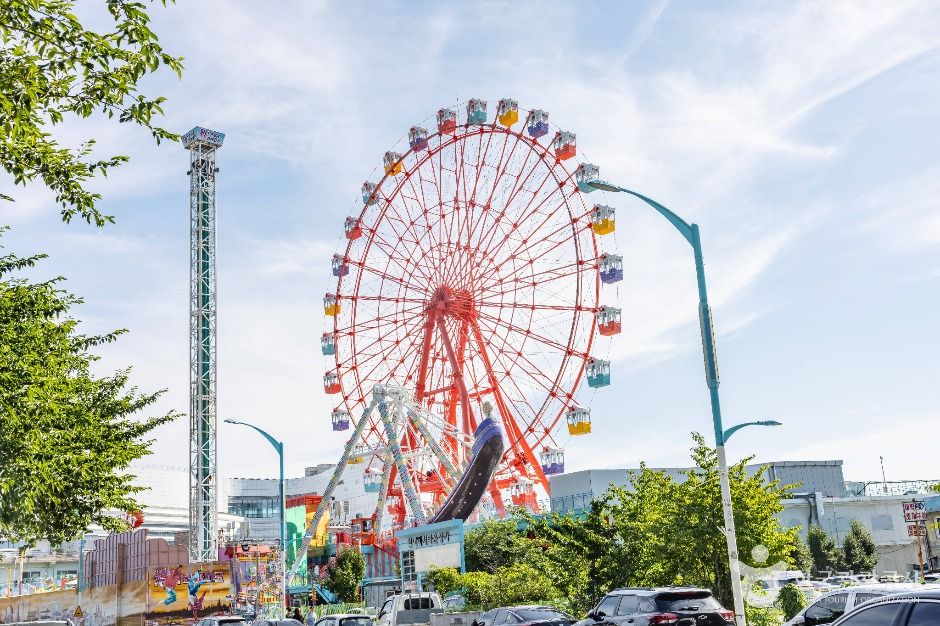
Wolmi Zzang Land (Wolmi Theme Park) is located on Wolmido Island in Incheon. Spanning 13,200 square meters, it features various amusement rides including a ferris wheel, swing boat, and go-karts. One of its highlights is the tagada ride, where riders sit on circular seats that move in all directions to the beat of music while a DJ adds to the excitement. Visitors can also enjoy panoramic views of Songdo Town, the Incheon Bridge, and Yeongjongdaegyo Bridge from the ferris wheel.

CheongKwanJang - Doksan Sageori Branch [Tax Refund Shop] (정관장 독산사거리)
15.1Km 2024-04-18
1F, 409, Siheung-daero, Geumcheon-gu, Seoul
-
Yejeon (예전)
15.2Km 2025-01-20
43-2, Wolmimunhwa-ro, Jung-gu, Incheon
+82-32-772-2256
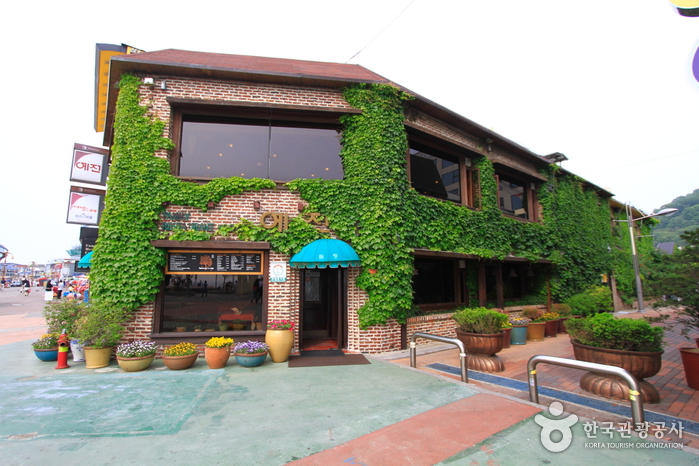
Yejeon is a western food restaurant and is considered one of the establishments that first created Wolmido Island’s café culture. Located in the middle of Wolmido's Munhwa Street (Culture Street), this Western-style redbrick building resembles that of a European atmosphere in Korea.
![Davich Optical - Geumcheon Branch [Tax Refund Shop] (다비치안경 금천)](http://tong.visitkorea.or.kr/cms/resource/39/2880439_image2_1.jpg)
Davich Optical - Geumcheon Branch [Tax Refund Shop] (다비치안경 금천)
15.2Km 2024-04-22
415, Siheung-daero, Geumcheon-gu, Seoul
-
Surisan Provincial Park (수리산도립공원)
15.2Km 2025-01-08
347-4, Sokdal-ro, Gunpo-si, Gyeonggi-do
+82-31-808-8265
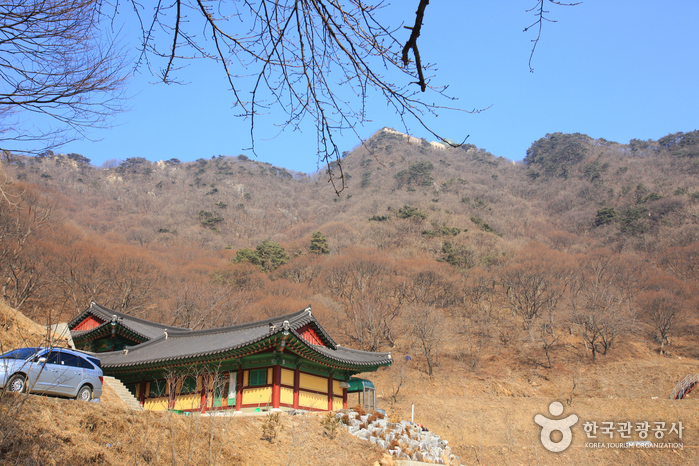
Surisan Mountain, a provincial park of Gyeonggi-do, surrounds Gunpo and is also easily accessible from Anyang and Ansan. Surisan Mountain is said to be named because there is a rock in the shape of an eagle. Another legend says it is named after the nearby Surisa Temple.
Surisan Mountain is part of the Gwangju Mountain Range along with Cheonggyesan, Gwanggyosan, Gwanaksan, and Baekunsan mountains. The mountain has four peaks and the highest is Taeulbong Peak (489 m).
Grand old trees that range from 100 to 300 years old make for picturesque scenery. The mountain also won first place in the 2002 Beautiful Forest contest hosted by the Korea Forest Service.
![Olive Young - Gyesan Samgeori Branch [Tax Refund Shop] (올리브영 계산삼거리)](http://tong.visitkorea.or.kr/cms/resource/03/2882403_image2_1.jpg)
Olive Young - Gyesan Samgeori Branch [Tax Refund Shop] (올리브영 계산삼거리)
15.2Km 2024-04-16
1048, Gyeongmyeong-daero, Gyeyang-gu, Incheon
-
Wolmido Island (월미도)
15.2Km 2023-11-08
36 Wolmimunhwa-ro, Jung-gu, Incheon
+82-32-765-4169
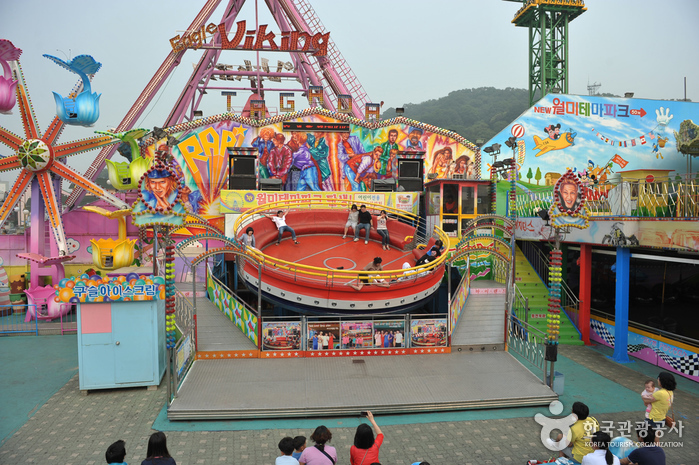
Wolmido Island has very few historical records, despite being the location of a temporary palace, built in 1653 during the reign of King Hyojong. The palace was built on the eastern side of the island, but it is impossible to find traces of it now. From the late 1920s until the '30s, the island was transformed into a resort, a very popular destination at the time. Wolmi Culture Street opened in July 1989 and helped improve the area's fame.
On weekends and holidays, people flock to Wolmido Island to enjoy coffee and fresh seafood at the cafes and restaurants overlooking the sea. Despite being 1 kilometer off the coast, Wolmido is no longer an island, being connected to the mainland through modern construction techniques. It is now an easily accessible retreat for locals and tourists alike.
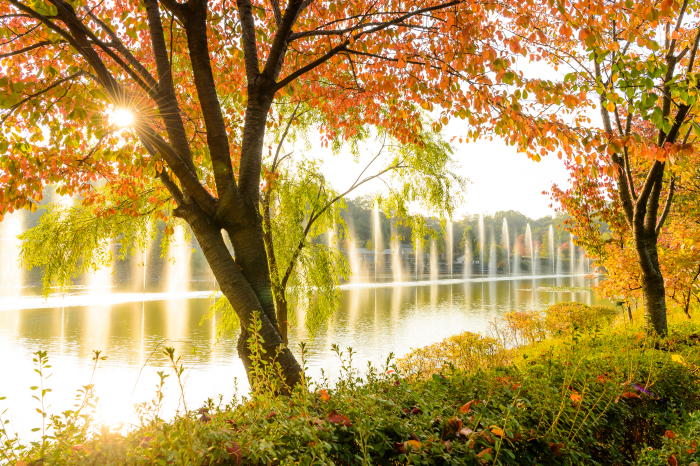
Seoseoul Lake Park (서서울호수공원)
15.3Km 2022-10-19
20, Nambusunhwan-ro 64-gil, Yangcheon-gu, Seoul
+82-2-2604-3004
Covering over 225,000 ㎡ of land in the southwestern part of Seoul, Seoseoul Lake Park, also known as West Lake Park, was to resolve the regional imbalance in the city. The park is a eco-friendly park designed with the themes of "water" and "recycling." Before turning into a park, the area was used as a purification plant that produced approximately 120,000 tons of tap water to Seoul. The park has a children's playground, sports facilities like the soccer field, basketball court and badminton courts, and a cultural plaza. With its vast space and 24-hour operation, the park provides a relaxing ground for the citizens of Seoul.
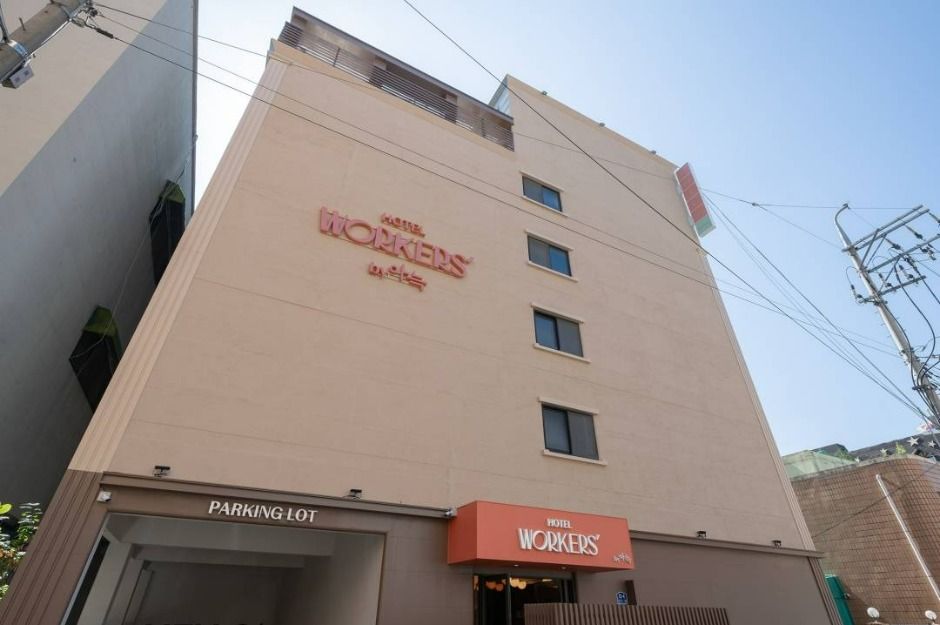
The Hyoosik Aank Workers Ansan (더휴식 아늑 워커스 안산점)
15.4Km 2025-04-09
12-4 Seongho-ro 1-gil, Sangnok-gu, Ansan-si, Gyeonggi-do
The Hyoosik Aank Workers Ansan integrates rest and leisure, offering comfort to all those in need to rejuvenation. The hotel has a standard twin room, gaming room type with 2 high-end desktop PCs, a sauna room, music deluxe room, movie room, and pet-friendly room. All rooms have an air dresser and guests who need to print something can use the the public printer in the guest lobby. The hotel also has a coin laundry room and a breakfast area on the 1st floor.
Korea University Guro Hospital (고려대학교의과대학부속 구로병원)
15.4Km 2025-10-23
148 Gurodong-ro, Guro-gu, Seoul
Korea University Guro Hospital is the region's leading medical institution, excelling as a comprehensive general hospital equipped to handle the most critically ill patients.
We have firmly established ourselves as a cornerstone of Korean healthcare by operating a premier cancer hospital, Seoul's top regional emergency medical center, the nation's sole major trauma specialist training center, a Ministry of Health and Welfare-designated high-risk maternal and neonatal care center, and the only regional drug safety center in western Seoul.
Notably, we were the first in Korea to integrate multidisciplinary treatment into cancer care, achieving a remarkable success rate. Our expertise in cancer treatment is unparalleled, with robotic surgeries at the highest standard nationwide. We have established and operated the Robot Epicenter in recognition of our advanced capabilities.
Korea University Guro Hospital remains committed to advancing medical technology and fulfilling its mission as a top-tier general hospital, providing trustworthy and dedicated care with a patient-centered focus.
 English
 한국어
한국어 日本語
日本語 中文(简体)
 Deutsch
 Français
 Español
 Русский


