![Guess - Lotte Factory Gasan Branch [Tax Refund Shop] (게스 롯데팩토리 가산)](http://tong.visitkorea.or.kr/cms/resource/16/3312916_image2_1.jpg)
Guess - Lotte Factory Gasan Branch [Tax Refund Shop] (게스 롯데팩토리 가산)
11.7Km 2024-06-26
278, Beotkkot-ro, Geumcheon-gu, Seoul
-
![Soda - Lotte Factory Gasan Branch [Tax Refund Shop] (소다 롯데팩토리 가산)](http://tong.visitkorea.or.kr/cms/resource/69/2880269_image2_1.jpg)
Soda - Lotte Factory Gasan Branch [Tax Refund Shop] (소다 롯데팩토리 가산)
11.7Km 2024-06-27
278, Beotkkot-ro, Geumcheon-gu, Seoul
-
![Mook - Lotte Factory Gasan Branch [Tax Refund Shop] (무크 롯데팩토리 가산)](http://tong.visitkorea.or.kr/cms/resource/87/3314387_image2_1.jpg)
Mook - Lotte Factory Gasan Branch [Tax Refund Shop] (무크 롯데팩토리 가산)
11.7Km 2024-06-27
278, Beotkkot-ro, Geumcheon-gu, Seoul
-
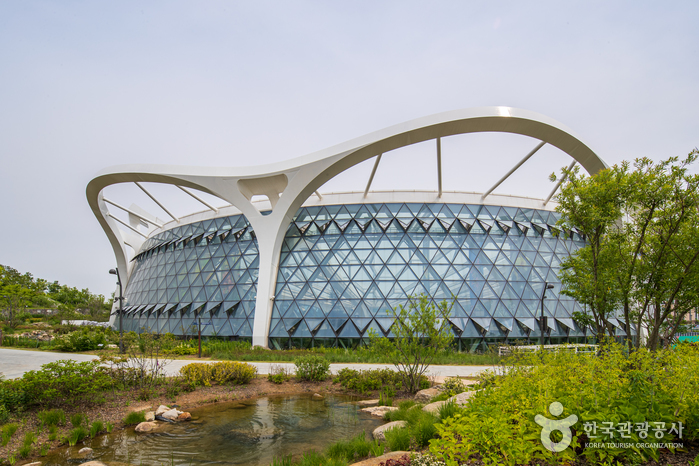
Seoul Botanic Park (서울식물원)
11.8Km 2025-06-18
161 Magokdong-ro, Gangseo-gu, Seoul
The Seoul Botanical Garden was created in Magok, the last remaining development site in Seoul, to introduce native plants and horticulture of 12 different cities from around the world and raise ecological awareness in the city. Seoul Botanic Park integrates a botanical garden and a public park, and the area is the size of 70 soccer fields. It serves as a bridgehead and lifelong education institution with the aim of spreading urban garden culture while staying true to its original role as a plant research conservation institution through expanding endangered wild plant habitats, researching the proliferation of species, and developing varieties. The botanical garden is divided into four spaces: Open Forest, Themed Garden, Lake Garden, and Wetland Garden. The main highlight is the Themed Garden that comprises the Botanic Center, Mogok Cultural Hall, and an outdoor themed garden.
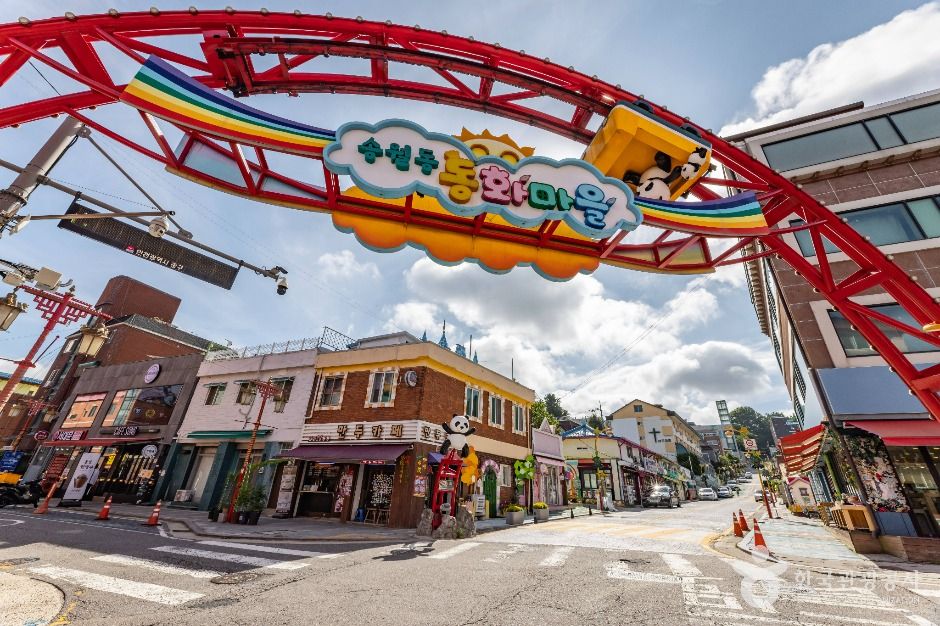
Songwol-dong Fairy Tale Village (송월동 동화마을)
11.8Km 2025-10-23
Songwol-dong 3(sam)-ga, Jung-gu, Incheon
Songwol-dong was named for its view of the moon between the pine forest. The opening of Incheon Port in 1883 led to the start of many foreigners coming into the area for settlement, and it turned into a rich village. However, young people gradually moved out, leaving the village in a state of stagnation. As such, a renovation project was brought about to improve the development of the village by decorating with murals and sculptures of classic fairy tales.
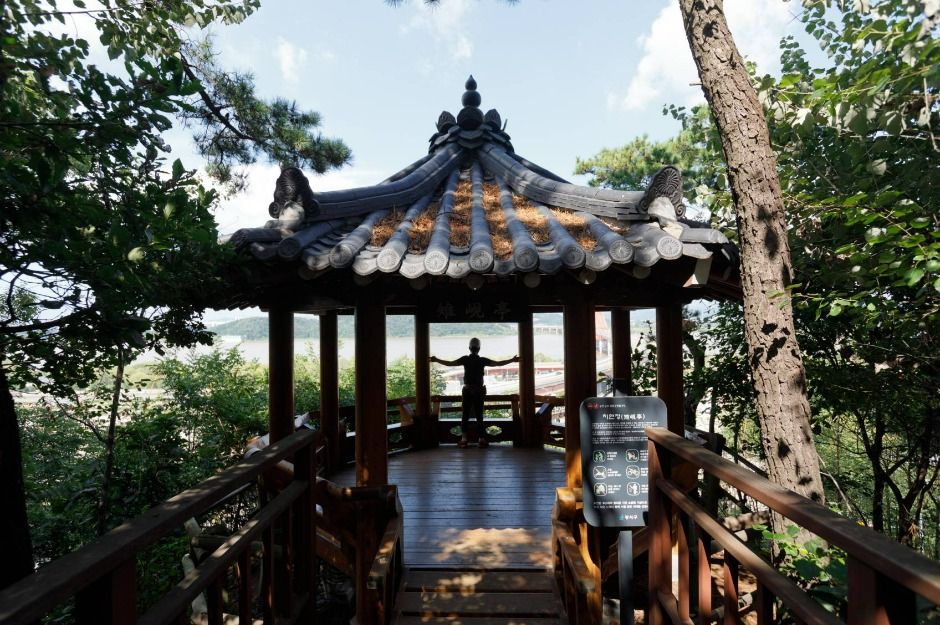
Kkwonggogae Park (꿩고개공원)
11.8Km 2025-10-23
San 100beonji, Banghwa-dong, Gangseo-gu, Seoul
Kkwonggogae Park is an ecological forest where nature is preserved, located along the Hangang River, and has an excellent natural environment. Whereas the nearby Banghwa Community Park was founded for public service, Kkwonggogae Park was founded to preserve the existing habitats and ecosystems while serving as a passageway for small animals. Within the park is Chihyeonjeong Pavilion, Gangseo area's representative attraction for taking in the city nightscape. The hill's name, which can literally be translated as "Pheasant Hill Park," comes from the fact that this hill was a frequent pheasant hunting spot in the past. The park is located near Gagseo Dulle Trail Course No. 2.
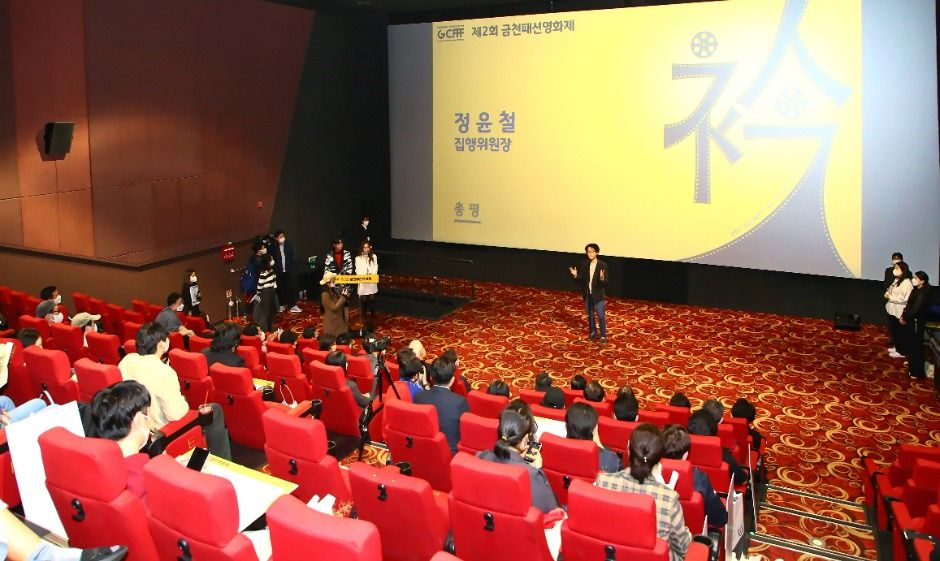
Geumcheon Fashion Film Festival (금천패션영화제)
11.8Km 2025-07-11
90 Digital-ro 9-gil, Geumcheon-gu, Seoul
+82-2-809-8238
The Geumcheon Fashion Film Festival is the nation's only film festival to focus on the theme of fashion, and takes place in the fashion industry sector of Geumcheon-gu.
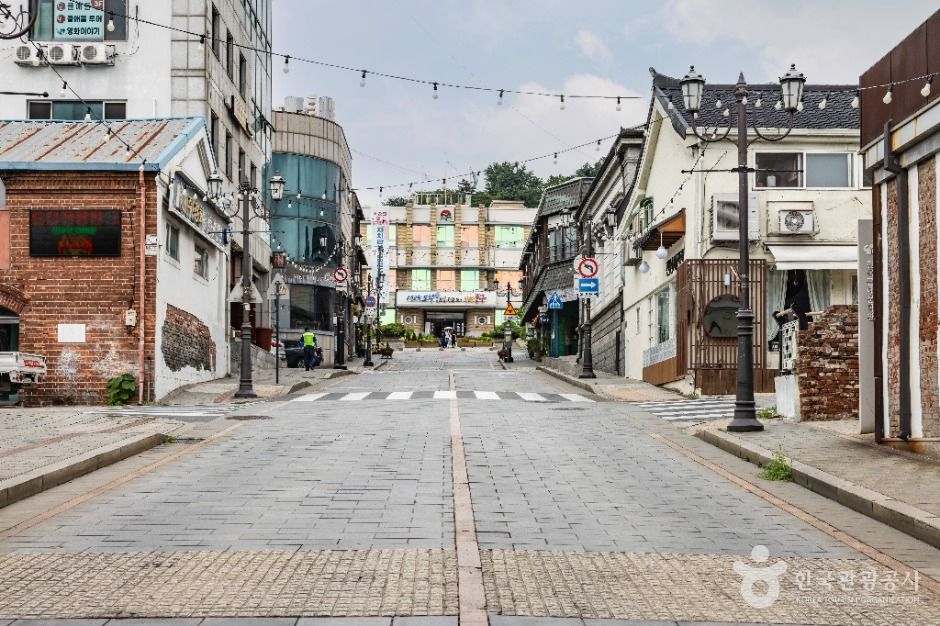
Gaehangjang (Open Port Area) Street (개항장 거리)
11.8Km 2025-10-23
27 Jemullyang-ro 232beonan-gil, Jung-gu, Incheon
As the Incheon Port was opened in 1883, this is where one could feel the rich history and culture accumulated over 126 years. Formerly used by the Japanese consulate, the Jung-gu Office, the Incheon branch of Japan's 1st, 18th and 58th Bank and other modern historical architecture can be found intact here. Other historical remains like Former Japan Mail and Shipping Inc., Incheon Art Platform, Jemulpo Gurakbu, and more are also available for visitors to see at the Incheon Gaehangjang (Open Port Area). For those who are interested in learning more, a guided tour by an Incheon cultural tourism expert is available upon reservation.
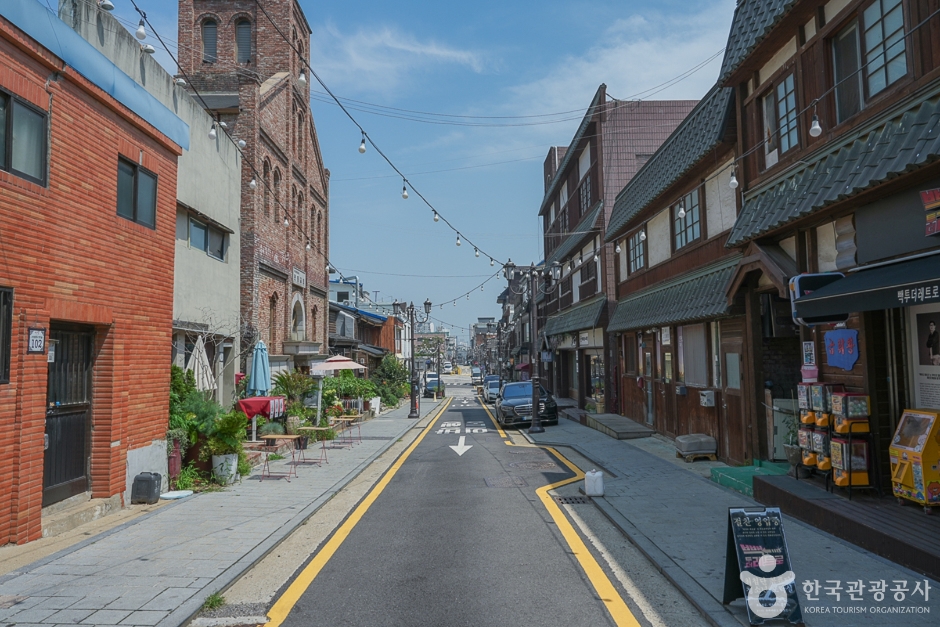
Incheon Japanese Street (인천일본풍거리)
11.8Km 2024-02-16
Gwandong 1(il)-ga, Jung-gu, Incheon
Incheon Japanese Street, established following the opening of Incheon and Jemulpo Ports in 1883, was home to the Japanese concession. It preserves several Japanese-style wooden houses and stone structures from that era. These wooden houses, designed in the distinctive style of Japanese architecture where a storefront is integrated into the residential building, have been renovated and are now serving as cafés and exhibition halls. Nearby, visitors can also explore Incheon Chinatown and the Gaehangjang (Open Port Area) Street.
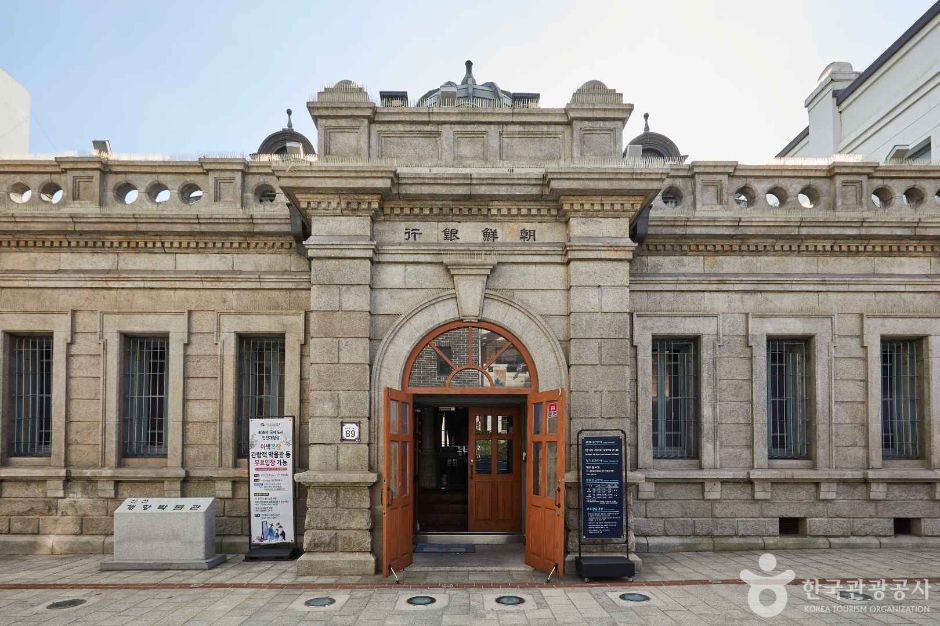
Incheon Open Port Museum (인천개항박물관)
11.9Km 2025-10-23
89 Sinpo-ro 23beon-gil, Jung-gu, Incheon
Designated as a Tangible Cultural Heritage of Incheon Metropolitan City, the Incheon Open Port Museum is housed in the former Bank of Japan building, an architectural masterpiece constructed in the late Renaissance style. With four permanent exhibitions, the museum offers a glimpse into various aspects of modern culture and artifacts that were first introduced after the opening of Incheon Port. (Credit: Incheon Jung-gu Cultural Foundation)
 English
 한국어
한국어 日本語
日本語 中文(简体)
 Deutsch
 Français
 Español
 Русский


