![K2 [Tax Refund Shop] (K2)](http://tong.visitkorea.or.kr/cms/resource/97/3312797_image2_1.jpg)
![Nike [Tax Refund Shop] (나이키)](http://tong.visitkorea.or.kr/cms/resource/13/3314013_image2_1.jpg)
![S Market [Tax Refund Shop] (S마켓)](http://tong.visitkorea.or.kr/cms/resource/72/3314072_image2_1.jpg)
![Renoma Golf [Tax Refund Shop] (레노마 골프)](http://tong.visitkorea.or.kr/cms/resource/99/3314499_image2_1.jpg)
![Mizuno [Tax Refund Shop] (미즈노)](http://tong.visitkorea.or.kr/cms/resource/39/3313439_image2_1.jpg)
![8 Seconds [Tax Refund Shop] (에잇세컨즈)](http://tong.visitkorea.or.kr/cms/resource/99/3313299_image2_1.jpg)
![Westwood [Tax Refund Shop] (웨스트우드)](http://tong.visitkorea.or.kr/cms/resource/88/3312888_image2_1.jpg)
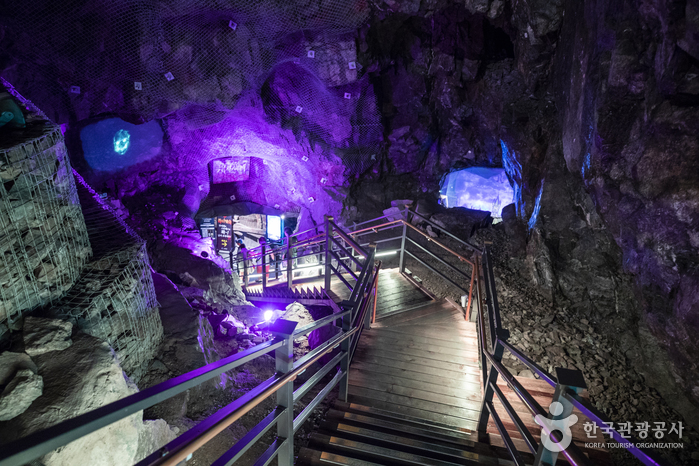
Gwangmyeong Cave (광명 동굴)
12.0Km 2025-10-27
142 Gahak-ro 85beon-gil, Gwangmyeong-si, Gyeonggi-do
Gwangmyeong Cave was developed in 1912 during the Japanese colonial period to exploit resources, including gold mines, and continued to be developed for industrial purposes after liberation. After the mine was closed in 1972, it was used as a salted seafood warehouse for about 40 years. Gwangmyeong City purchased the site, reorganized it, and made it available to the public. It is currently recognized as a modern industrial heritage site with high historical value, and is well known as a cave theme park in the metropolitan area. Along with the cave, colorful lights and sculptures create a spectacular sight. Aside from tasting and purchasing Korean wine at the Gwangmyeong Wine Cave, visitors can also see the largest media art piece in Korea at the Lascaux Exhibition Hall, enjoying a more diverse travel experience.
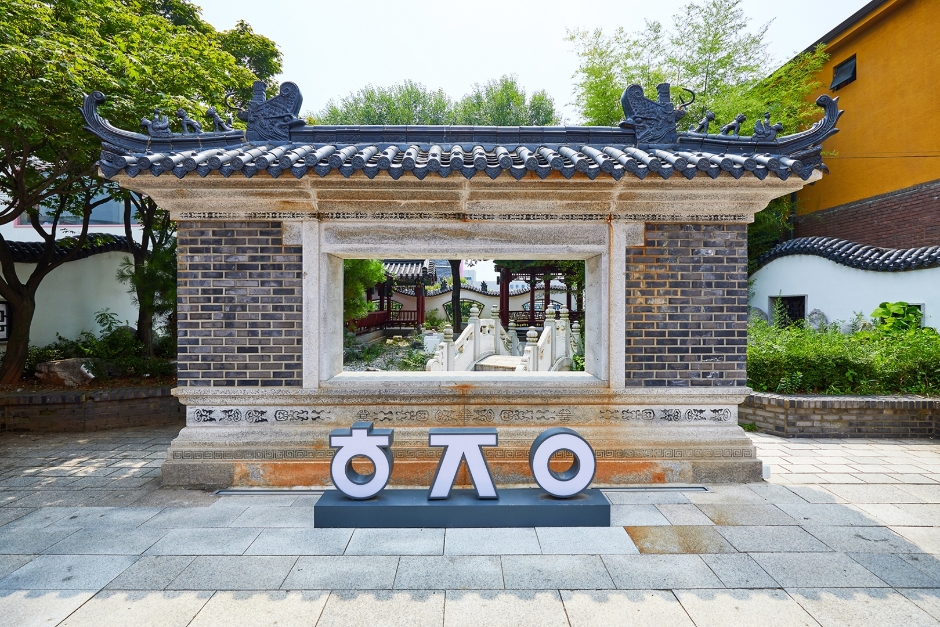
Hanjungwon (한중원)
12.0Km 2024-01-04
12 Chinatown-ro 59beon-gil, Jung-gu, Incheon
Hanjungwon is a Chinese-style garden built to commemorate the establishment of diplomatic relations between Korea and China, making it a great place to rest after looking around Chinatown. It was created with the motif of the garden style of the Suzhou region in the mid and late Qing Dynasty. Plants native to China are planted, such as bamboo, roses, and peonies, giving it an exotic atmosphere. There are human figures wearing traditional Chinese costumes on both sides of the entrance, making it a famous photo zone.
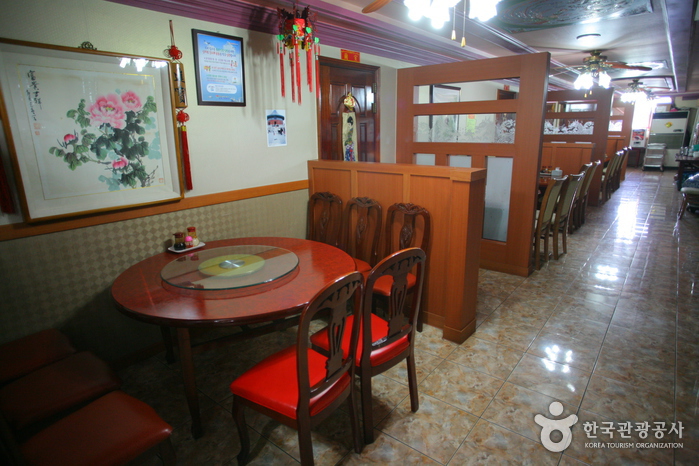
Taehwawon (태화원)
12.0Km 2024-12-02
10 Chinatown-ro 59beon-gil, Jung-gu, Incheon
Now in its third generation, this Korean-Chinese restaurant, established in 1926, is one of the earliest in Incheon Chinatown and is renowned for preserving traditional flavors. Its signature Incheon Hyangto Jjajang (Incheon-style black bean sauce noodles) is crafted with the restaurant's own chunjang and seasonal ingredients, offering a richer, deeper taste than jjajangmyeon made with store-bought sauce. The restaurant also offers a vegetarian menu.
 English
 한국어
한국어 日本語
日本語 中文(简体)
 Deutsch
 Français
 Español
 Русский


