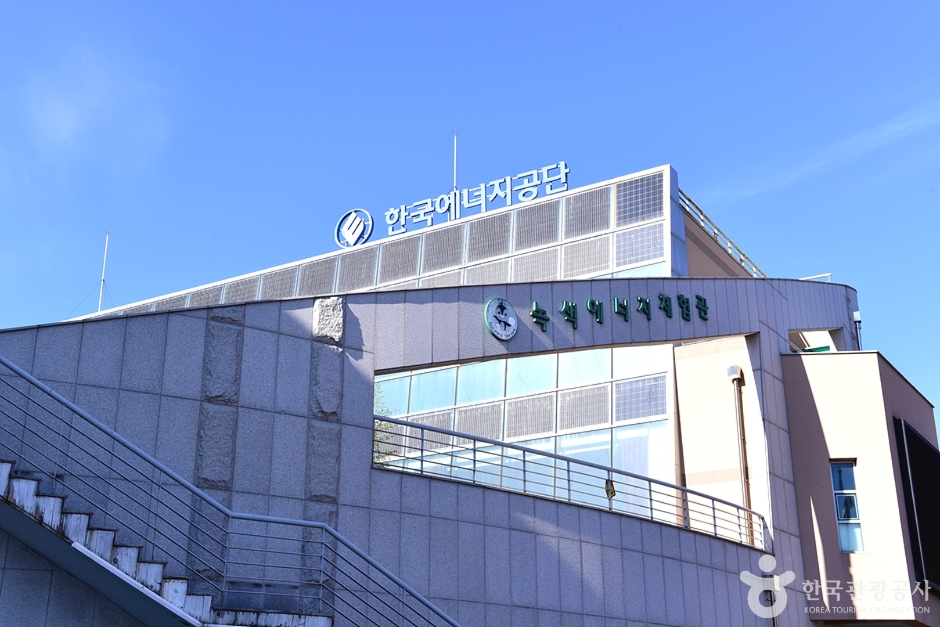
Green Energy Experience Hall Gwangju-Jeonnam Regional Headquarters (녹색에너지체험관 (광주전남지역본부))
9.0Km 2024-02-14
123 Cheomdangwagi-ro, Buk-gu, Gwangju
Green Energy Experience Hall is located within the Gwangju Jeonnam Regional Headquarters of the Korea Energy Agency. Here, visitors can learn about the importance of energy conservation and discover methods to save energy in everyday life. Key facilities include the Green Energy Experience Hall, the Outdoor Experience Hall, and the LED Exhibit Hall. Admission is free, and the center welcomes visitors aged five years and older.
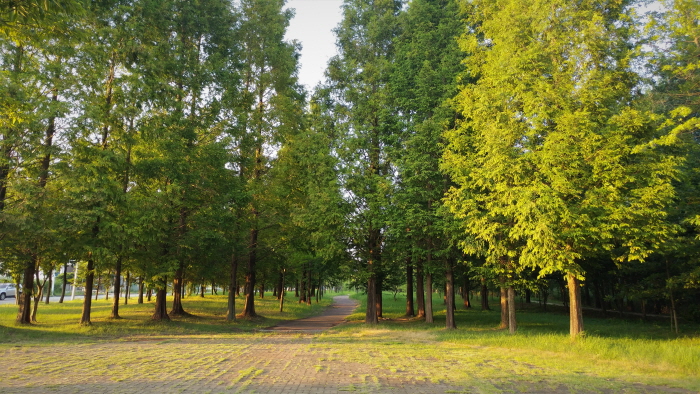
Citizen's Forest Campground (시민의 숲 야영장)
9.0Km 2024-02-14
190 Chuam-ro, Buk-gu, Gwangju
Citizen's Forest Campground, situated alongside the Yeongsangang River in Gwangju, offers a nature-friendly escape in the heart of the city. The campground provides options for both auto-camping and traditional camping. It features walking trails and is conveniently located near a waterside park, making it ideal for strolls. Additionally, a swimming pool is available for visitors every summer.
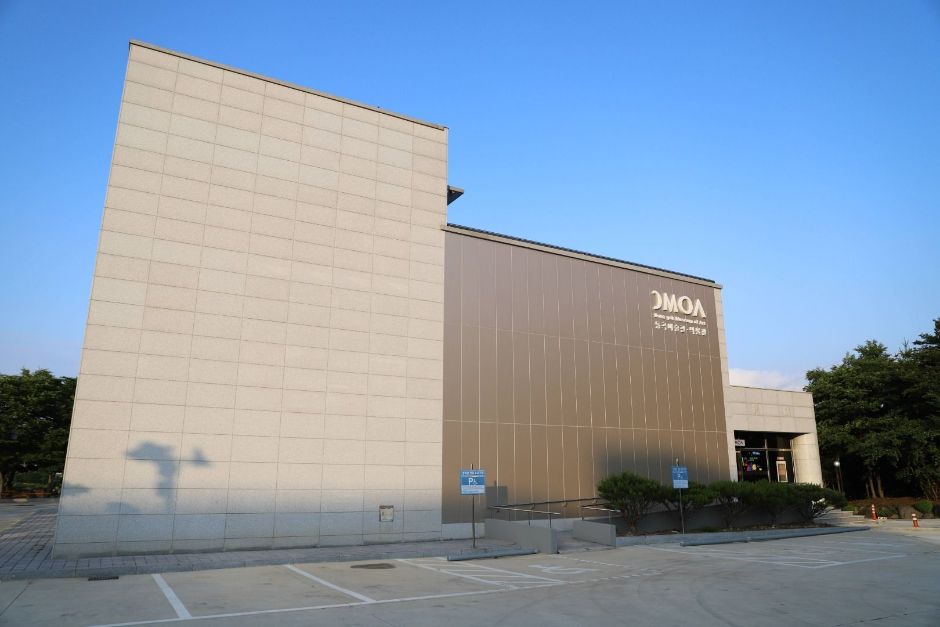
Donggok Museum of Art (동곡미술관)
9.2Km 2024-12-17
37 Eodeung-daero 529beon-gil, Gwangsan-gu, Gwangju
Donggok Museum of Art, opened in December 2020, a two-story building has exhibition halls, educational rooms, a sculpture park and more. There are rest areas to relax after enjoying arts, as well as spaces for visitors to find their creativity.
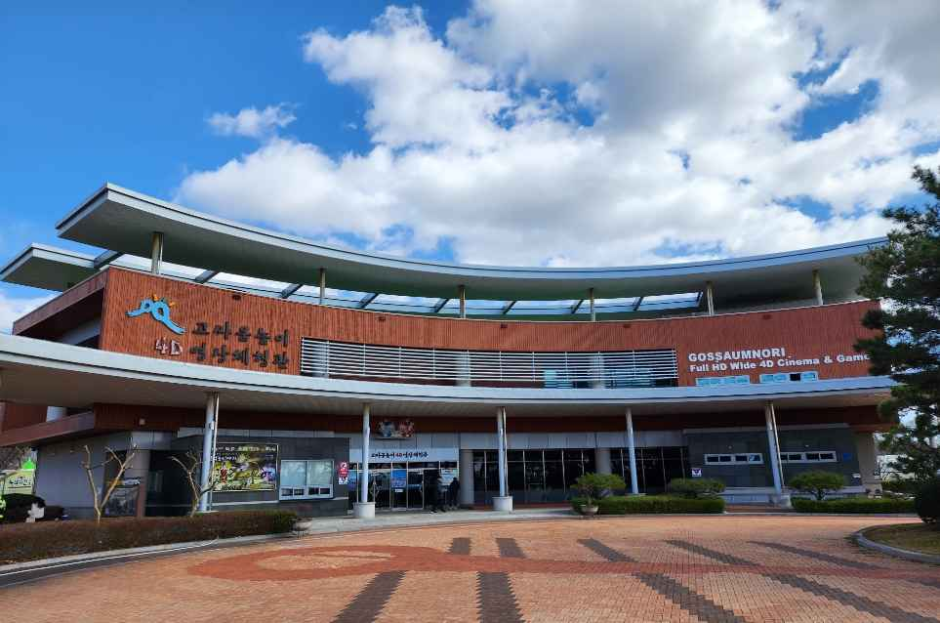
Gossaumnori Theme Park (고싸움놀이테마파크)
10.1Km 2024-10-10
2 Gossaum-ro, Nam-gu, Gwangju
Gossaumnori Theme Park was built over five years to preserve and develop the traditions of Gossaum, a local type of tug-of-war game. The park comprises a training center, video experience hall, folk game experience center, and outdoor performing hall.

May 18th National Cemetery (국립 5·18 민주묘지)
10.6Km 2024-07-11
200 Minju-ro, Buk-gu, Gwangju
+82-62-268-0518
The May 18th National Cemetery in Gwangju is a symbol of freedom and democracy. The cemetery holds the graves of 764 victims of the May 18th Democratic Uprising in 1980, seven structures, and many monuments.
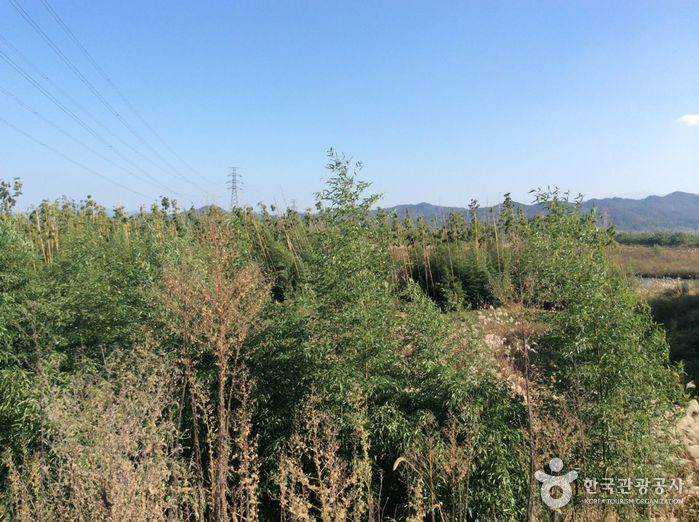
Damyang Bamboo Forest (Damyang Marsh) (담양대나무숲 - 담양습지)
10.9Km 2025-01-13
656-2, Taemok-ri, Daejeon-myeon, Damnyang-gun, Jeollanam-do
+82-61-380-3114
Situated between Damyang-gun and Gwangju Metropolitan City, Damyang Wetland is one of the best places to experience the ecology of Yeongsangang River. It is a habitat for the hawk, wildcat, Boreal digging frog (endangered species), and kestrel. It became the first river wetland to be designated as a wetland reserve in 2004.
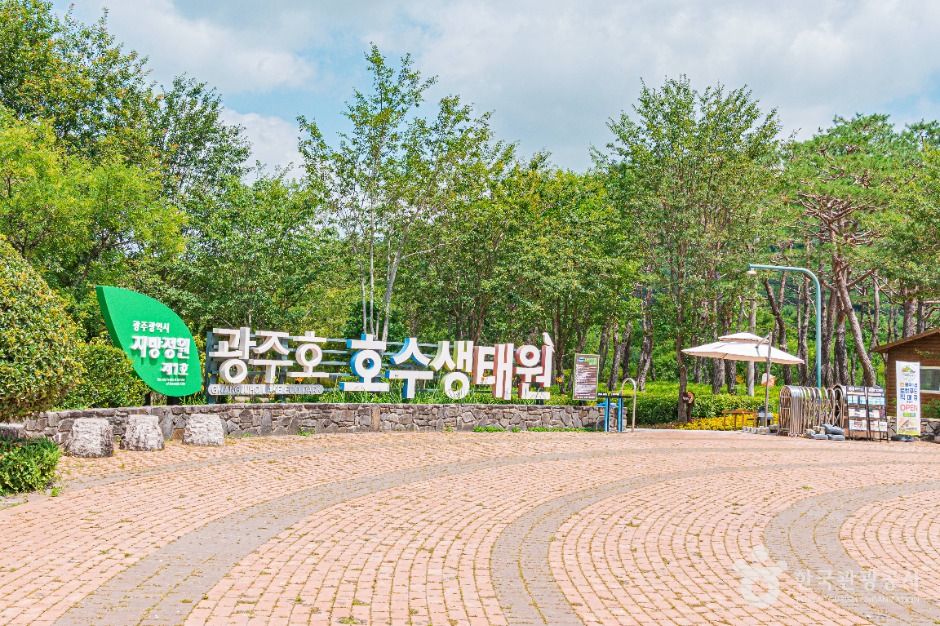
Gwangjuho Lake Eco Park (광주호 호수생태원)
11.1Km 2025-08-12
Chunghyo-dong, Buk-gu, Gwangju
+82-62-613-7891
Gwangjuho Lake Eco Park is an ecological park located near the banks of Gwangjuho Lake, featuring a Nature Observation Center, Nature Learning Center, Lawn Area, and Waterside Wetland. The park is home to around 170,000 wildflowers and over 3,000 trees, offering opportunities to observe various flora and fauna up close. Visitors can witness diverse birds thriving in the wetlands.
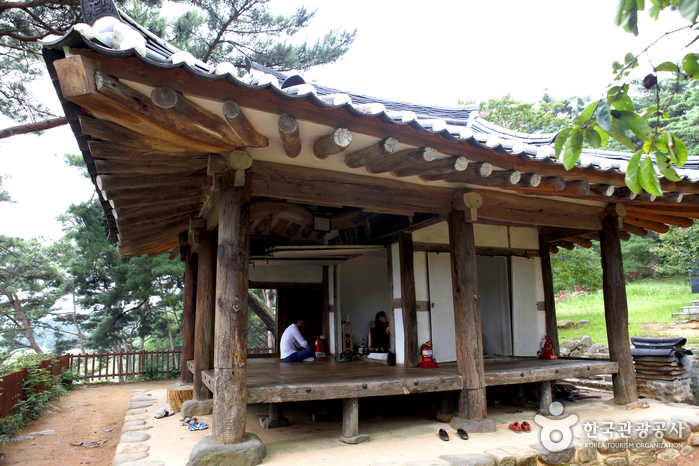
Sigyeongjeong Pavilion (담양 식영정)
11.4Km 2025-01-08
Jigok-ri, Damyang-gun, Jeollanam-do
+82-61-380-2811
Designated as the top monument of Jeollanam-do, Sigyeongjeong Pavilion means a place where even the shadow of the moon can find a place to rest. As its name suggests, this pavilion is set in a lush and remote forested area. Countless number of scholars and writers have been attracted to this pavilion as a place of profound inspiration. The pavilion gained more fame from the legendary lyrics of Seongsanbyeolgok written by the poet Jeong Cheol. The elegant words of Kim Seongwon, a literary scholar, depict the scenic beauty of Seongsan Mountain as the seasons change.
Of all the pavilions situated at the basin of the Yeongsangang River the Sigyeongjeong Pavilion is said to be blessed with a breathtaking view from the side. The current building was restored in the early 1900s. At the Sigyeongjeong Pavilion there is the Buyongdang, a monument with the lyrics to the Seongsanbyeolgok Poem, and next to it an old library building called Jangseogak built to preserve the wooden blocks of Songgangjib, a book of poetry written by Jeong Cheol.
Hwanbyeokdang Pavilion (환벽당)
11.4Km 2023-01-25
10, Hwanbyeokdang-gil, Buk-gu, Gwangju
+82-62-510-1500
Hwanbyeokdang Pavilion was built by Yeongcheonja Sinjam and was also called Byeokgandang, which is recorded in Go Gyeong-myeong's Yuseoseongnok. The building has a hipped-and-gabled roof with three bays in the front space and two bays in the inside space. It is a modified form in which the two rooms in the middle are used as rooms, and the front and right sides are floors. Originally, it was a traditional pavilion, but it seems to have changed to its current form as it was expanded later. A tablet written by Uam Song Si-yeol hangs here, and the poems of Seokcheon Im Eok-ryeong and Jo Ja-i are on a signboard. There are two poems written by Jeong Cheol about Hwanbyeokdang Pavilion, which are published in Songgangsokjip and Gwangjumokji. Jeong Cheol's 4th-generation descendant Jeong Su-hwan bought it from Kim Yun-je's descendants, and Yeon Il-jeong's family is currently managing it.
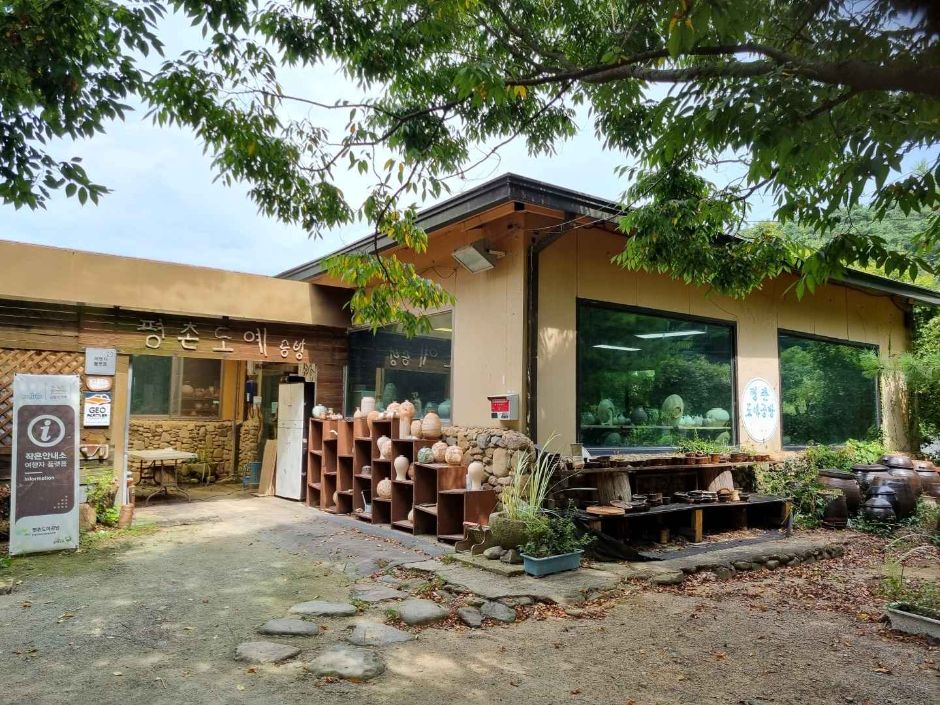
Pyeongchon Ceramics Workshop (평촌도예공방)
11.7Km 2024-11-14
77 Damanpyeongmu-gil, Buk-gu, Gwangju
The Pyeongchon Ceramics Workshop keeps the spirit of traditional Korean Buncheong pottery alive by offering an experiential learning space and hands-on programs that blend classic Korean and contemporary styles. Visitors can create unique pieces that capture the rustic beauty of tradition while keeping the modern flair.
 English
 한국어
한국어 日本語
日本語 中文(简体)
 Deutsch
 Français
 Español
 Русский


