
Chonnam National University Hospital (전남대학교병원)
12.3Km 2025-10-23
42 Jebong-ro, Dong-gu, Gwangju
With 114 years of history and tradition, CHONNAM NATIONAL UNIVERSITY HOSPITAL is Korea's best tertiary hospital that has led the development of Korea's medical science and improved public health.
Chonnam National University Hospital is the nation's largest multi-hospital system for each disease, and operates as the main hospital, as well as Chonnam National University Hospital in Hwasun, Chonnam National University Dental Hospital, Bitgoeul Chonnam National University Hospital, and Chonnam National University Children's Hospital.
We are striving to establish our identity as a national university hospital and to build a regionally essential healthcare system as a regional responsible medical institution. We will continue to play a leading role in the medical field by progressively redefining the functions and roles of education, research, and medical treatment. In addition, we will continue to challenge ourselves and do our best to become a reliable hospital that patients can visit at any time, a hospital that leads public healthcare, and a patient-oriented hospital that puts patient safety first.
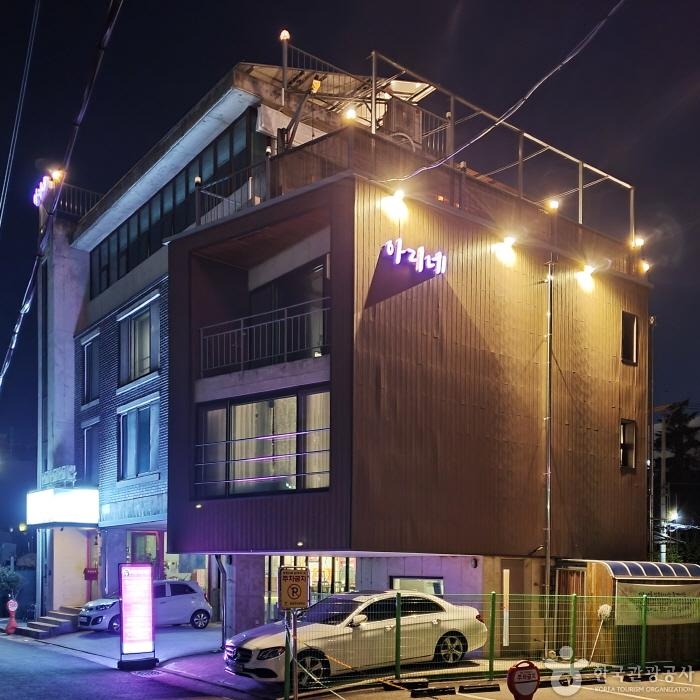
Arie-ne guesthouse (아리네 게스트하우스)
12.3Km 2024-12-13
6 , Cheonbyeonjwa-ro 428beon-gil, Nam-gu, Gwangju
+82-10-2104-8899
Ariene Guesthouse is an integrated cultural platform located in Yangrim-dong, Nam-gu, Gwangju. The accomodation is located in the downtown area of Gwangju, making it both easily accessible and affordable. On the first basement floor, there is Yanglim Culture Hall, a lounge cafe on the first floor, and a rooftop party room on the fourth floor. The guesthouse has nine rooms on the second and third floors, including double rooms, twin rooms, ondol rooms, and separate dormitory rooms for men and women. Each room is equipped with a bathroom for guests' convenience, and breakfast is provided at no charge. A fee is charged for laundry services. There are modern cultural and historic sites nearby.
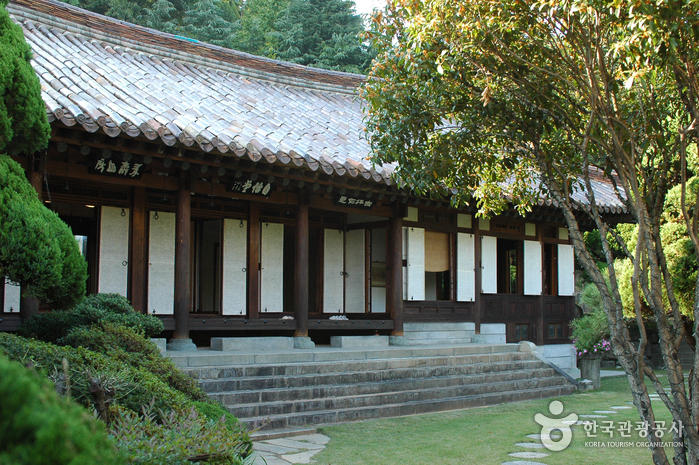
House of Choi Seung-hyo (최승효가옥)
12.3Km 2023-03-08
29-4, Yangchon-gil, Nam-gu, Gwangju
+82-62-607-2332
The House of Choi Seung-hyo is a traditional residential building located on the southeastern slopes of Yangnimsan Mountain. The rectangular building is open to the east, has 8 kan (the space between two pillars) in the front and 4 kan to the sides, and is graced by a traditional hipped and gabled roof. Since the building was constructed in the 1920s, it offers a valuable glimpse into the architectural style of Korean houses at the end of the Japanese colonial period. Choi Sang-hyeon was an activist who offered his attic as a place of refuge for other activists.
Han Hee-won Art Museum (한희원미술관)
12.3Km 2023-01-25
27-6, Yangchon-gil, Nam-gu, Gwangju
+82-62-653-5435
Han Hee-won Art Museum is a small hanok art museum in the back alley of Yangnim-dong.
Painter Han Hee-won grew up in Yangnim-dong, where he was influenced as a painter. In July 2015, he purchased a small hanok between the House of Yi Jang-u and the House of Choe Seunghyo and transformed it into an art museum to preserve and show the spirit of love, comfort, and art in his hometown, Yangnim-dong. An art museum with a low threshold approaching citizens with a humble mind, Han Hee-won Art Museum is open to anyone. Feel free to visit, appreciate the paintings, and be comforted through art.
Mudeungsan Lift Monorail (Jisan Park) (무등산 리프트모노레일 (지산유원지))
12.3Km 2025-08-12
14-10 Jiho-ro 164beon-gil, Dong-gu, Gwangju
To use the lift and monorail located at Jisan Park in Gwangju, visitors can purchase a ticket at the ticket office in the convenience store on the first floor and go up to the boarding area on the second floor. Get on the lift with a track length of 745 meters and an operating speed of 12 m/sec and climb for about 20 minutes while enjoying the scenery of Mudeungsan Mountain to arrive at Bitgoeul Station. From here, visitors can transfer to the monorail. Passengers can feel the thrill of riding toward the top on a monorail which can accommodate about 20 people at a time. A spectacular view of Mudeungsan Mountain will unfold in all directions. The view of Gwangju from Palgakjeong Observatory at the end of the monorail is a beautiful sight that visitors to Gwangju must see at least once as it is a famous attraction to enjoy the view of Gwangju.
Hwanbyeokdang Pavilion (환벽당)
12.3Km 2023-01-25
10, Hwanbyeokdang-gil, Buk-gu, Gwangju
+82-62-510-1500
Hwanbyeokdang Pavilion was built by Yeongcheonja Sinjam and was also called Byeokgandang, which is recorded in Go Gyeong-myeong's Yuseoseongnok. The building has a hipped-and-gabled roof with three bays in the front space and two bays in the inside space. It is a modified form in which the two rooms in the middle are used as rooms, and the front and right sides are floors. Originally, it was a traditional pavilion, but it seems to have changed to its current form as it was expanded later. A tablet written by Uam Song Si-yeol hangs here, and the poems of Seokcheon Im Eok-ryeong and Jo Ja-i are on a signboard. There are two poems written by Jeong Cheol about Hwanbyeokdang Pavilion, which are published in Songgangsokjip and Gwangjumokji. Jeong Cheol's 4th-generation descendant Jeong Su-hwan bought it from Kim Yun-je's descendants, and Yeon Il-jeong's family is currently managing it.
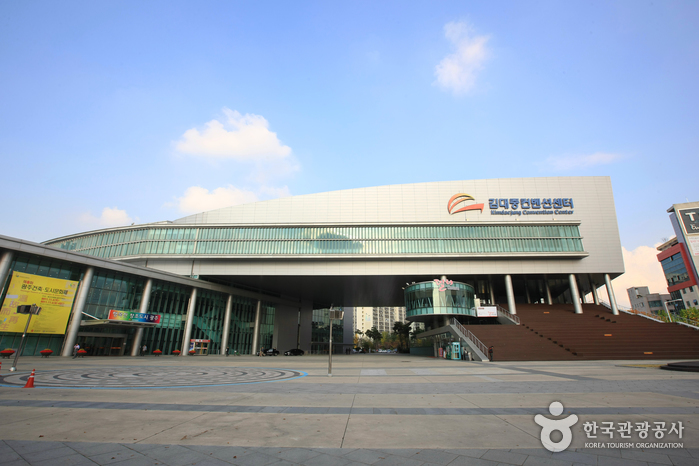
Kimdaejung Convention Center (김대중컨벤션센터)
12.3Km 2025-01-07
30, Sangmunuri-ro, Seo-gu, Gwangju
+82-62-611-2000
Kimdaejung Convention Center is a state-of-the-art facility in Gwangju, a city with rich cultural heritage and tourism resources. It was built as part of the efforts to promote Gwangju’s competitiveness as a main trade city in northeast Asia to boost local economy and, particularly, tourism resources. The center has served as a main venue for international meetings and exchanges (concerning products, information, culture, and technologies), significantly improving Gwangju’s image. Outstanding services, professional staff, and diverse amenities will make any meeting at Kimdaejung Convention Center pleasant and successful.
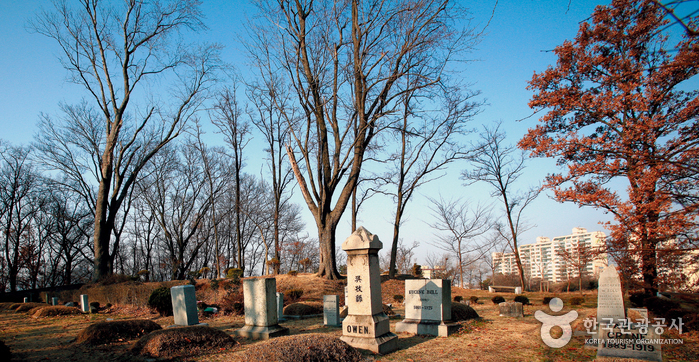
Yangnim-dong Missionary Cemetery (양림동 선교사 묘지)
12.3Km 2021-05-28
77, Jejung-ro, Nam-gu, Gwangju
+82-62-607-2333
The Yangnim-dong Missionary Cemetery is the final resting place of 23 missionaries who brought Christianity to Gwangju and led the movement to free the nation from under Japanese colonial rule. Yangnim-dong in Gwangju Metropolitan City was the main area in which Priest Bae Yu-ji and Dr. Clement Owen carried out their work as the first missionaries to Jeollanam-do.
Located nearby is a monument dedicated to Priest Bae Yu-ji and the Owen Memorial Building, built in honor of Dr. Owen and his grandfather. Both memorials are cultural assets and particularly prized by locals of the Christian faith.
Yangnim Art Center (양림미술관)
12.3Km 2024-11-20
70 Jejung-ro, Nam-gu, Gwangju
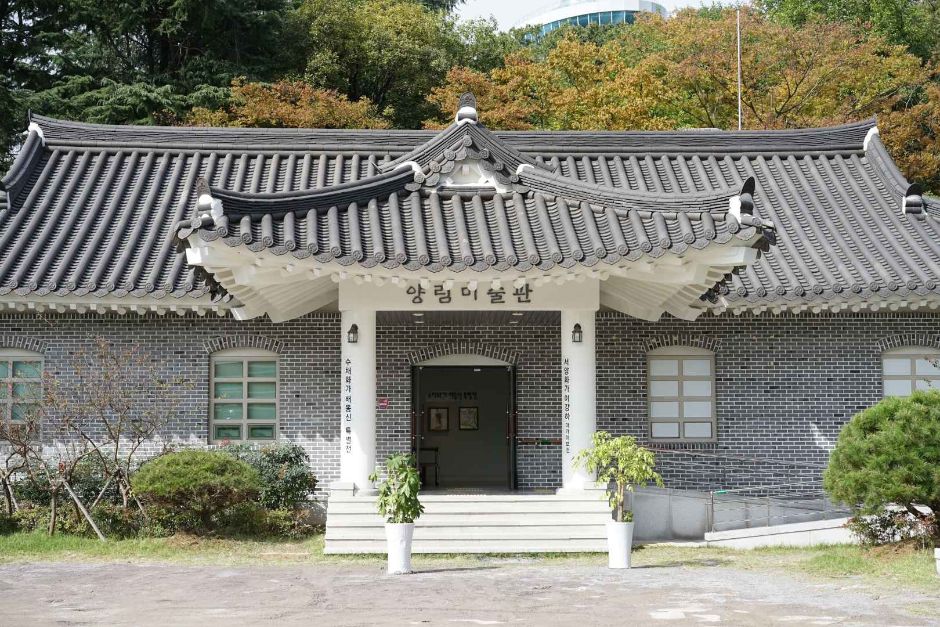
Yangnim Art Center takes its name from its location in Yangnim-dong, the center of modern history and culture. Designed in hanok style, the building features exhibition rooms on each floor, offering both artists and visitors a creative space to connect and immerse themselves in the art.
Korea Gasa Literature Collection (한국가사문학관)
12.3Km 2021-09-07
877, Gasamunhak-ro, Damyang-gun, Jeollanam-do
+82-61-380-2701
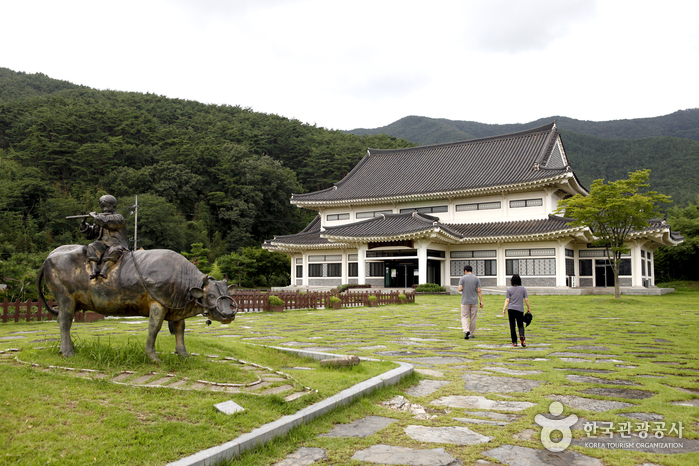
The Gasa Literature Collection was completed in October 2000 and is located in Damyang, Jeollanam-do, an area which is famous for its fertile land and rich historical heritage. Apart from the main building, additional buildings include a souvenir shop, and traditional tea house. In the museum, historical literature such as “Myeonangjip” (a collection of Gasa poems by Song Sun) and “Songgangjip,” (a collection of Gasa poems by Jeong Cheol) are on display. There are 11,461 artifacts and literature on Gasa culture, 18 Gasa works, and 15,000 books about Gasa.
 English
 한국어
한국어 日本語
日本語 中文(简体)
 Deutsch
 Français
 Español
 Русский


