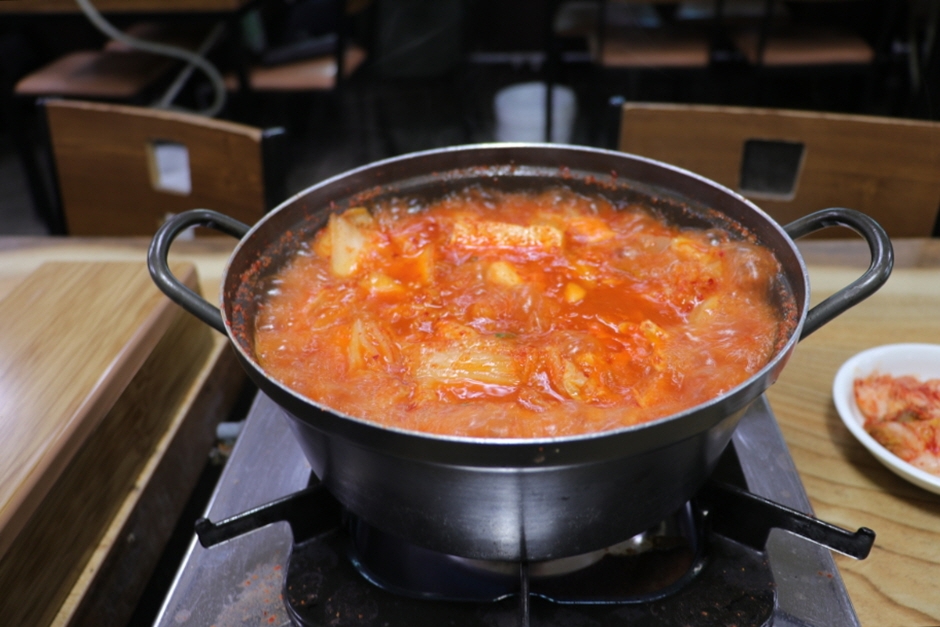
Eunjujeong (은주정)
7.9Km 2024-03-12
32, Changgyeonggung-ro 8-gil, Jung-gu, Seoul
+82-2-2265-4669
Situated near Gwangjang Market, Eunjujeong focuses on kimchi jjigae. Served wrapped in lettuce, it offers a unique delicacy. They also sell barbecued pork belly, which is grilled in the traditional Korean style. After finishig the meal, it's recommended to take a walk along Cheonggyecheon Stream right in front of the restaurant. Across Cheonggyecheon Stream is Gwangjang Market, which is also worth exploring, enriching the experience of the area.
![Younggi Mind [Tax Refund Shop] (영지생각)](http://tong.visitkorea.or.kr/cms/resource/48/3314048_image2_1.jpg)
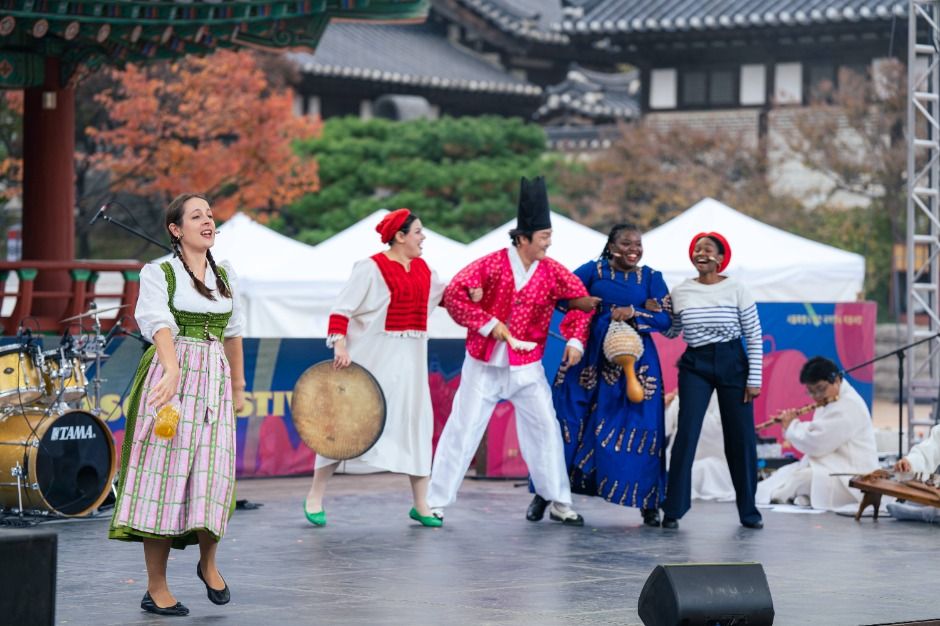
World Pansori Festival (월드판소리페스티벌)
7.9Km 2025-07-30
28 Toegye-ro 34-gil, Jung-gu, Seoul
+82-2-904-2835
World Pansori Festival is an international music festival that aims to promote pansori, the traditional Korean epic chant, and its values. The festival consists of a variety of performances and concert programs based on its yearly theme. In addition, the festival also has interactive activities for the attendees, such as a free pansori lesson and arts-and-crafts, to make pansori and traditional Korean music more accessible to the public.
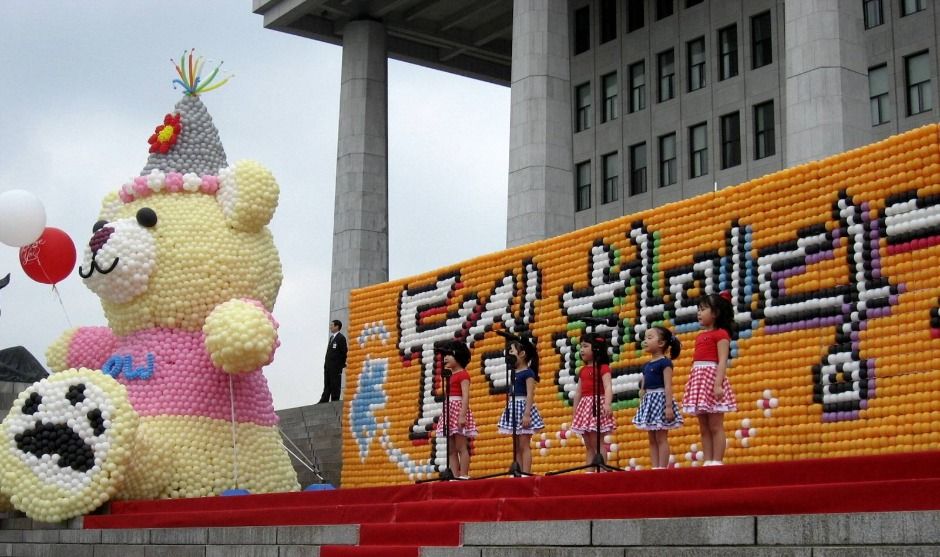
National Assembly Dongsim Festival (국회동심한마당)
7.9Km 2025-04-18
1 Uisadang-daero, Yeongdeungpo-gu, Seoul
+82-2-595-3325
The National Assembly Dongsim Festival started in 2005 by the Pumassi Movement, aiming to revive the tradtional Korean concept of sharing and helping one another. The festival allows youth to meet with and experience adults working in the fields they dream of joining in the future. The festival is attended by over 100 facilities and groups, providing a wide range of experiences, performances, and fun activites for all visitors to enjoy for free.

Jeong’s Family (정스패밀리)
7.9Km 2025-03-15
16 , Hyochangwon-ro 8-gil, Yongsan-gu, Seoul
+82-10-6332-2043
Jeong's Family is a foreigner-only guesthouse in Hanseong Han River Apartments in Yongsan-gu, Seoul. The apartment building is in a quiet residential area and has a fine view over the Han River and the riverside Hangang Park - which is a great place for walking or cycling. The two rooms are furnished with laptop PCs. Guests will recieve a welcome drink when they check-in, and a simple breakfast and dinner are provided upon prior reservation. The guesthouse is close to the airport bus stop, and convenient for public transport to tourist hotspots such as Gangnam, Hongdae, and Myeong-dong. There’s a key deposit system in operation.
Innisfree - Hansung Univ. Branch [Tax Refund Shop] (이니스프리 한성대)
8.0Km 2024-04-18
3, Dongsomun-ro 7-gil, Seongbuk-gu, Seoul
-
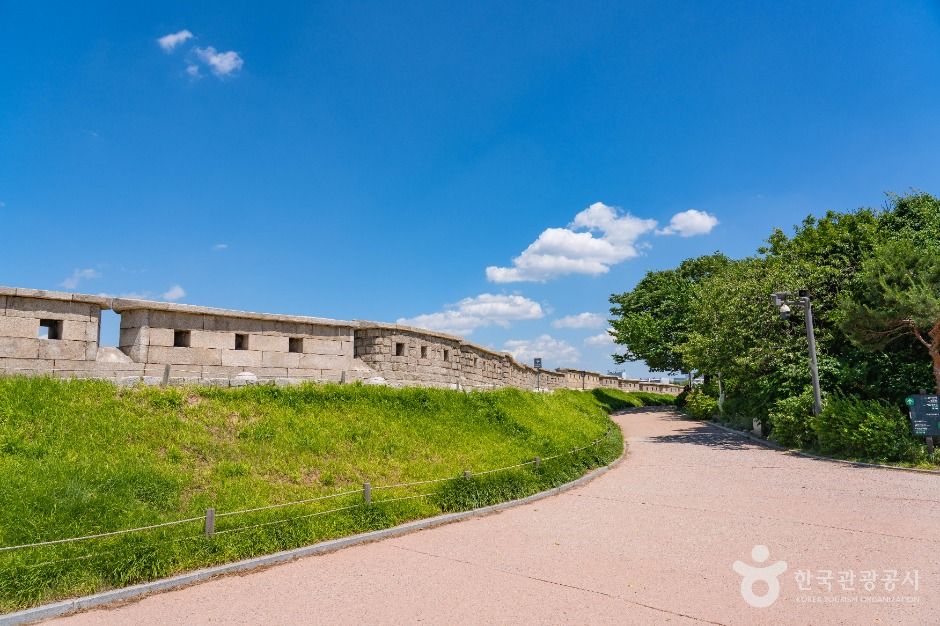
Naksan Park (낙산공원)
8.0Km 2025-12-16
41 Naksan-gil, Jongno-gu, Seoul
+82-2-743-7985
Naksan Mountain (alt. 125 meters) is one of the four inner mountains of Seoul, and can be accessed by following the road leading to the mountain entrance from Daehangno and Dongdaemun. It was also called Naktasan Mountain, which can be translated to Camel Mountain, because the terrain resembled a camel's back. It also had another name, Taraksan Mountain, “tarak” meaning fermented milk, because there was a royal ranch in the area that supplied milk to the palace. After the 1960s, the original appearance of Naksan Mountain disappeared due to apartments and dense housing, and the Seoul Metropolitan Government established a restoration plan. As part of this plan, a park project was carried out, and it opened Naksan Park in July 2002. Currently, Naksan Park has established itself as a resting place for citizens to feel the beautiful atmosphere of Hanyangdoseong, or the Seoul City Wall, and green forests. It has gained much popularity as a place for seeing the most beautiful night view in Seoul.
◎ Travel Information to Discover Hallyu’s Charm - Netflix Series "KPop Demon Hunters (2025)"
The fortress walls at Naksan Park served as the backdrop for Rumi and Jinu’s conversation in the Netflix series "KPop Demon Hunters." The view of the walls and the cityscape beyond adds to the unique atmosphere of the show, and visiting Naksan Park in person offers an expansive and memorable view of Seoul’s city center.
![Lotte Himart - Goyang Lotte Mart Branch [Tax Refund Shop] (롯데하이마트 고양롯데마트점)](http://tong.visitkorea.or.kr/cms/resource/61/2890261_image2_1.jpg)
Lotte Himart - Goyang Lotte Mart Branch [Tax Refund Shop] (롯데하이마트 고양롯데마트점)
8.0Km 2024-04-19
150, Chungjang-ro, Deogyang-gu, Goyang-si, Gyeonggi-do
-
![Lotte Mart - Goyang Branch [Tax Refund Shop] (롯데마트 고양점)](http://tong.visitkorea.or.kr/cms/resource/17/2887817_image2_1.jpg)
Lotte Mart - Goyang Branch [Tax Refund Shop] (롯데마트 고양점)
8.0Km 2024-04-22
150, Chungjang-ro, Deogyang-gu, Goyang-si, Gyeonggi-do
-
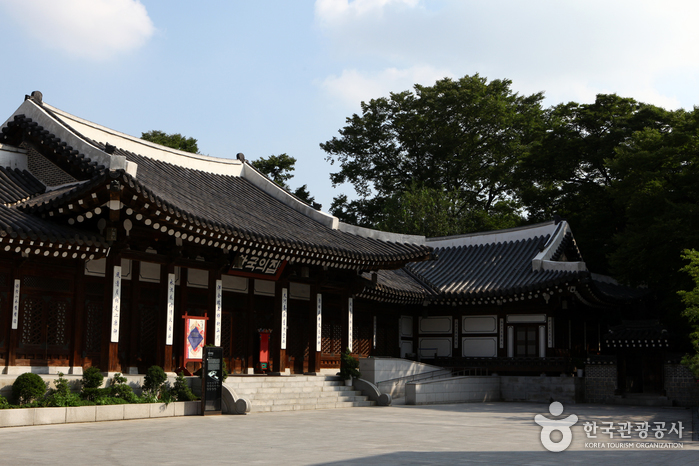
Korea House (한국의집)
8.0Km 2025-10-23
10, Toegye-ro 36-gil, Jung-gu, Seoul
The Korea House was opened in 1981. It is a traditional Korean building that introduces the culture and lifestyle of Koreans, where you can experience traditional architecture and a classical atmosphere. The building was built in the style of the Joseon Dynasty's Jagyeong-jeon building at the Gyeongbok Palace. It is the only building built in the traditional architectural style. You will feel its antiquity as you enter the building.
It is divided into the Haerin-gwan (a space for people to get acquainted with each other), the Traditional Theater, and three annex buildings (Munhyang-ru, Nokeum-jeong and Cheongwu-jeong). At Haerin-gwan, you can enjoy traditional music at Garak-dang and try traditional food at Sohwa-dang. In the square of Garak-dang you can view a traditional wedding (on the weekends) or people playing folk games. Also, at the Traditional Theater, about 156 seats are available, and in the afternoons Human Cultural Assets or members of the National Center for Korean Traditional Performing Arts and the National Corps members present traditional music and dances. Sinayui, Salpuri, Pansori, the Drum Dance and the Bongsan Mask Dance are the most popular programs for foreigners. The programs are all explained in English and Japanese.
In the Cultural Gift Shop you can view various crafts made by traditional craftsmen. It is always open and the crafts are for sale as well. There are pottery, ceramics, golden crafts, knots and embroidery etc; approximately 500 pieces of artwork made by craftsmen from 20 different fields. Next to the House of Korea is the Namsan-gol Hanok Village where visitors can explore traditional houses.
 English
 한국어
한국어 日本語
日本語 中文(简体)
 Deutsch
 Français
 Español
 Русский


