Seoul Geumseonsa Temple (금선사(서울))
3.7Km 2021-08-17
137, Bibong-gil, Jongno-gu, Seoul
+82-2-395-9911
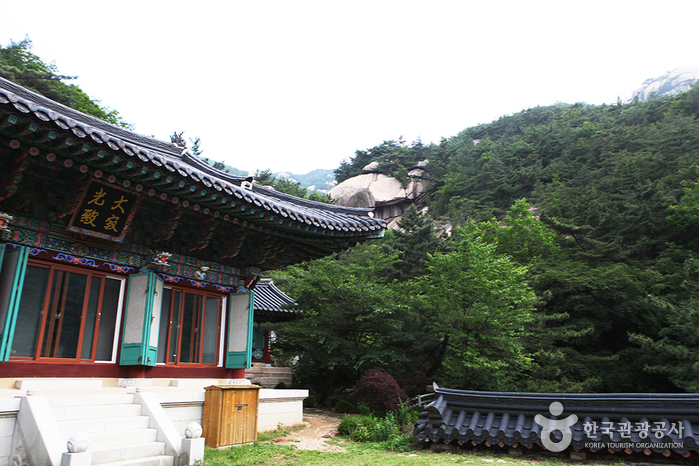
Geumseonsa Temple is located within Bukhansan National Park, just behind Cheong Wa Da (The Blue House) and Gyeongbokgung Palace. The entrance to the temple is just off the hiking path to Bibong Peak.
After passing Banyajeon Hall, where Buddhist services are held, visitors will see a pine tree over 200 years old, and beyond that, a staircase with 108 steps leading up to Daejeokgwangjeon Hall in the temple's main area. To the right is Samseonggak House and Hongyegyo Bridge over the clear waters flowing down from the mountain.
Additional temple buildings include Mitajeon Hall and Yeonhwadang Hall, built in 2004 by Monk Beopan; and Jeokmukdang Hall, built using traditional construction techniques.
![Chengha Korea Ginseng Co., Ltd.[Korea Quality] (청하고려인삼(주)[한국관광 품질인증])](http://tong.visitkorea.or.kr/cms/resource/13/2579813_image2_1.jpg)
Chengha Korea Ginseng Co., Ltd.[Korea Quality] (청하고려인삼(주)[한국관광 품질인증])
3.7Km 2024-07-01
280 , Jahamun-ro, Jongno-gu, Seoul
+82-2-395-1688
Cheonghagoryeo Ginseng Co Ltd in Jongno-gu, Seoul, is a specialist Korean ginseng company aiming to promote the history, culture, and efficacy of Korean ginseng to foreign tourists. The headquarters building houses a ginseng museum, two stores, a bank and a cafe. There are staff who are fluent in foreign languages, to help visitors with reservations, museum guidance, product consultation, and sales. We operate a thorough follow-up support service to ensure customer satisfaction.
![Cheongha Korean Ginseng [Tax Refund Shop] (청하고려인삼)](http://tong.visitkorea.or.kr/cms/resource/82/2890682_image2_1.jpg)
Cheongha Korean Ginseng [Tax Refund Shop] (청하고려인삼)
3.7Km 2024-04-22
280, Jahamun-ro, Jongno-gu, Seoul
-
Zaha Museum (자하미술관)
3.8Km 2021-03-09
46, Changuimun-ro 5ga-gil, Jongno-gu, Seoul
+82-2-395-3222
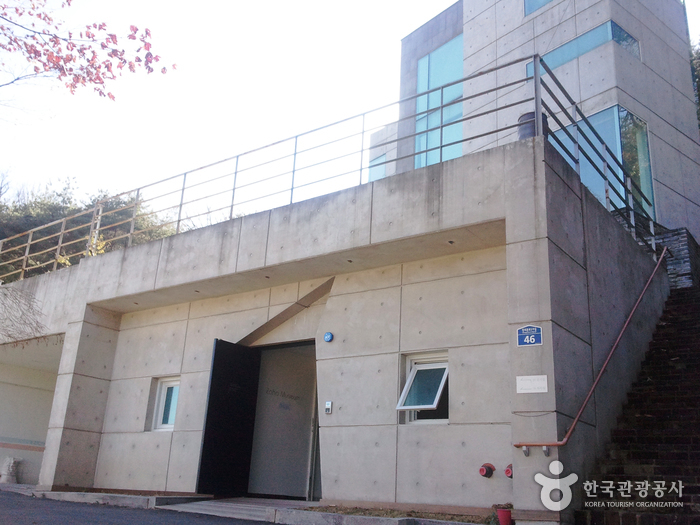
Located in Buam-dong, Jongno-gu, Zaha Museum is the highest art gallery in Seoul. Reaching
the museum involves a bit of an uphill walk, but the breathtaking scenery that includes Bugaksan Mountain and Inwangsan Mountain makes it worth the effort.
Opened on March 1, 2008, the two-story museum exhibits experimental works of young artists. There are two exhibition halls and a small garden on the second floor with a great view of the mountains.

Gyeongui Line Forest Park (Yeontral Park) (경의선숲길(연트럴파크))
3.8Km 2023-08-11
133, Donggyo-ro 51-gil, Mapo-gu, Seoul
Gyeongui Line Forest Park is a linear city park located in Mapo-gu and is also called Yeontral Park. It includes Daeheung-dong, Yeonnam-dong, Saechanggogae Pass, Changjeon-dong, Sinsu-dong, and Wonhyo-ro, which were opened in this order. Gyeongui Line Forest Park is established atop the Gyeongui railroad line and the Gyeongui Line and Airport Railroad Express are constructed as a double track underground. Gyeongui Line Forest Park was designed to be incomplete on purpose to invite the citizens in completing the park. The area which could have been left empty and neglected has turned into a meaningful green park for the citizens by the citizens.
![Art Korea [Tax Refund Shop] (주식회사 아트코리아)](http://tong.visitkorea.or.kr/cms/resource/83/2888383_image2_1.jpg)
e-Sports Hall of Fame (e스포츠 명예의 전당)
3.9Km 2025-11-17
31 Maebongsan-ro, Mapo-gu, Seoul
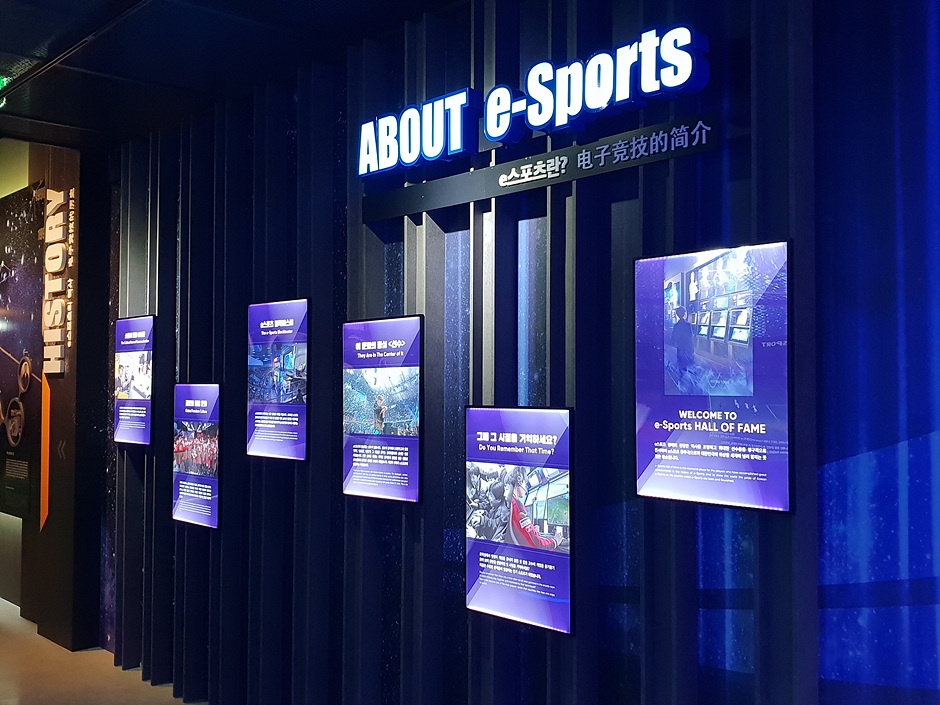
The e-Sports Hall of Fame is operated by the Ministry of Culture, Sports and Tourism and the Korea e-Sports Association to exhibit and honor the esports athletes who have made history for their amazing skills, making Korea synonymous with esports. Visitors can see the athletes' uniforms, gaming materials, trophies, and more, as well as try their hand at playing famous esports games firsthand.
![CheongKwanJang [Tax Refund Shop] (정관장)](http://tong.visitkorea.or.kr/cms/resource/26/2891126_image2_1.jpg)
Football Faentasium (풋볼 팬타지움)
3.9Km 2022-09-13
240, World Cup-ro, Mapo-gu, Seoul
+82-2-305-2002
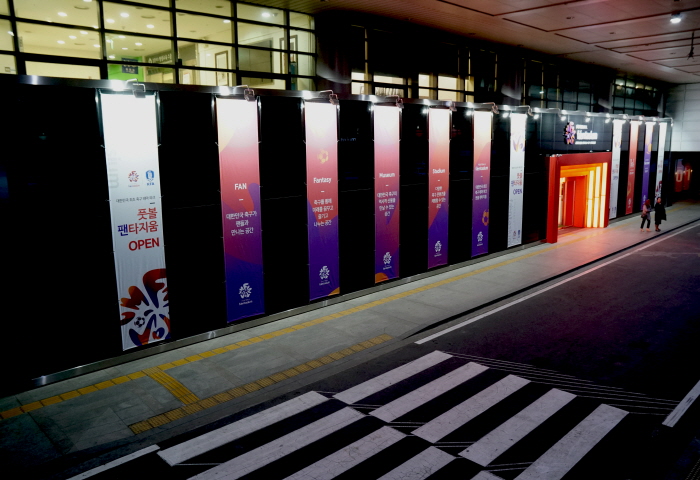
Football Faentasium is the first soccer-themed experience museum in Korea, founded by the Korea Football Association. The museum uses the lastest in IT for exciting displays, experiences, educational lessons, and more for a facility more like a theme park than a museum. The name comes from a mix of the words fan, fantasy, museum, and stadium.
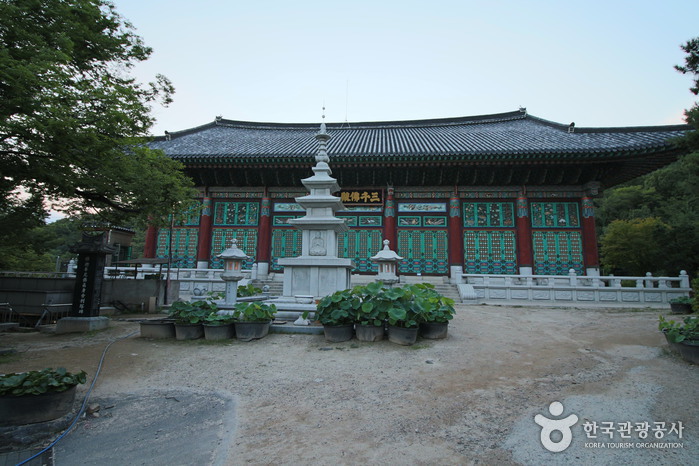
Bongwonsa Temple (봉원사)
3.9Km 2023-03-13
120, Bongwonsa-gil, Seodaemun-gu, Seoul
+82-2-392-3007
Located on the outskirts of Ansan Mountain in Bongwon-dong, Seodaemun-gu, Seoul, Bongwonsa Temple, as the center of Korean Buddhism Taego, is a thousand-year-old temple with a long history and tradition. In 889 (3rd year of Shilla Queen Jinseong’s reign), Monk Doseon founded it at the ground of Yeonhui Palace (now Yonsei Univ.) and named it Banyasa temple. It was destroyed during the Imjin War in 1592, and later in 1748 (the 24th year of Joseon King Yeongjo’s reign), it was rebuilt and renamed “Bongwonsa” by two Buddhist monks, Chanjeup and Jeungam.
“Yeongsanjae,” one of the Buddhist rituals and also a National Intangible Cultural Property, takes place at Bongwonsa on June 6 every year wishing for world peace and the reunification of North and South Korea. It was designated as one of the Intangible Cultural Heritage of Humanity by UNESCO in 2009. During Yeongsanjae, visitors can enjoy the Buddhist arts such as Beompae (Buddhist temple music for rituals) and dancing. Also, during summertime, Seoul Lotus Flower Culture Festival takes place, where visitors can enjoy the beautiful lotus flowers which are a symbol of Buddhism.
 English
 한국어
한국어 日本語
日本語 中文(简体)
 Deutsch
 Français
 Español
 Русский


