![Muji - Lotte Mall Eunpyeong Branch [Tax Refund Shop] (MUJI 롯데은평)](http://tong.visitkorea.or.kr/cms/resource/39/2878239_image2_1.jpg)
Muji - Lotte Mall Eunpyeong Branch [Tax Refund Shop] (MUJI 롯데은평)
4.1Km 2024-04-18
F2 of Lotte Mall Enpyeong Branch, 1050, Tongil-ro, Eunpyeong-gu, Seoul
-
![8 Seconds - Lotte Mall Eunpyeong Branch [Tax Refund Shop] (에잇세컨즈 롯데몰 은평점)](http://tong.visitkorea.or.kr/cms/resource/42/2878242_image2_1.jpg)
8 Seconds - Lotte Mall Eunpyeong Branch [Tax Refund Shop] (에잇세컨즈 롯데몰 은평점)
4.1Km 2024-04-18
1050, Tongil-ro, Eunpyeong-gu, Seoul
-
![Giordano - Lotte Mall Eunpyeong Branch [Tax Refund Shop] (지오다노 롯데몰 은평점)](http://tong.visitkorea.or.kr/cms/resource/45/2878245_image2_1.jpg)
Giordano - Lotte Mall Eunpyeong Branch [Tax Refund Shop] (지오다노 롯데몰 은평점)
4.1Km 2024-04-22
1050, Tongil-ro, Eunpyeong-gu, Seoul
-
![The North Face [Tax Refund Shop] (노스페이스)](http://tong.visitkorea.or.kr/cms/resource/48/2878248_image2_1.jpg)
![ABC-Mart - Lotte Mall Eunpyeong Branch [Tax Refund Shop] (ABC마트 MS롯데은평)](http://tong.visitkorea.or.kr/cms/resource/96/2888996_image2_1.jpg)
ABC-Mart - Lotte Mall Eunpyeong Branch [Tax Refund Shop] (ABC마트 MS롯데은평)
4.1Km 2024-04-22
3F, 1050, Tongil-ro, Eunpyeong-gu, Seoul
-

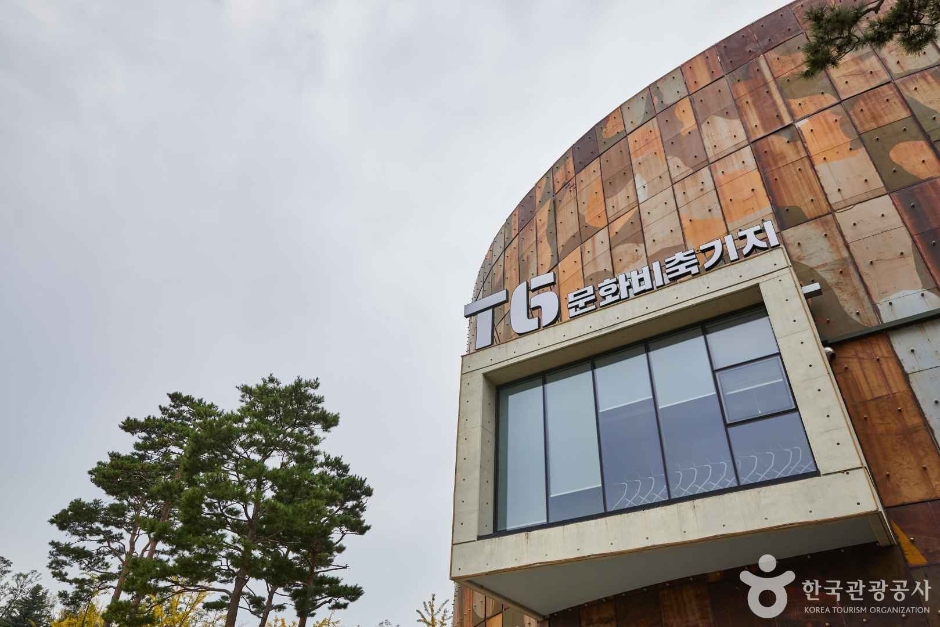
Oil Tank Culture Park (문화비축기지)
4.1Km 2024-11-01
87 Jeungsan-ro, Mapo-gu, Seoul
+82-2-376-8410
After being used as an oil tank for 41 years, the tanks were reborn into a culture space. The five tanks were transformed into performance halls, exhibition halls, and a multi-purpose pavilion, while one new tank was built to be used as an information center. In addition, the temporary parking lot turned into a culture yard where visitors can relax as well as enjoy activities or performances.
Seodaemun Independence Park (서대문독립공원)
4.1Km 2022-12-15
251, Tongil-ro, Seodaemun-gu, Seoul
+82-2-3140-8305
Seodaemun Independence Park was built on the former Seoul Detention Camp. It was used to imprison thousands of Korean independence activists until the liberation from the Japanese occupation on August 15, 1945, as well as the political prisoners during the political turmoil in the 1960s. When the prison was moved to Uiwang-si, Gyeonggi-do in November 1987, the area was restored and turned into a memorial park in August 15, 1992 to honor the sacrifices of the martyrs. The park preserves seven prison buildings, an execution ground, underground women’s prison, and the March 1st Movement Monument that has been moved from Tapgol Park in Jongno.
One of the most significant monuments of the Seodaemun Independence Park is Dongnimmun Gate (Independence Gate), which has been designated a Historic Site. Nearby is Dongnipgwan (Independence Hall), originally called Mohwagwan, which was used to greet Chinese envoys during the Joseon dynasty. Today, the hall enshrines 2,327 tablets inscribed with the names of Koreans who died for the cause of national independence. Standing right next to Dongnimmun Gate are the remnants of Yeongeunmun Gate, another Historic Site. Other sights inside the park include the Patriotic Martyr Monument, Declaration of Independence Monument, and Statue of Dr. Seo Jae-pil, who was an independence activist and publisher of Korea’s first independent newspaper. The main highlight of the park is the Seodaemun Prison History Hall, a former prison building that was renovated into a history museum.
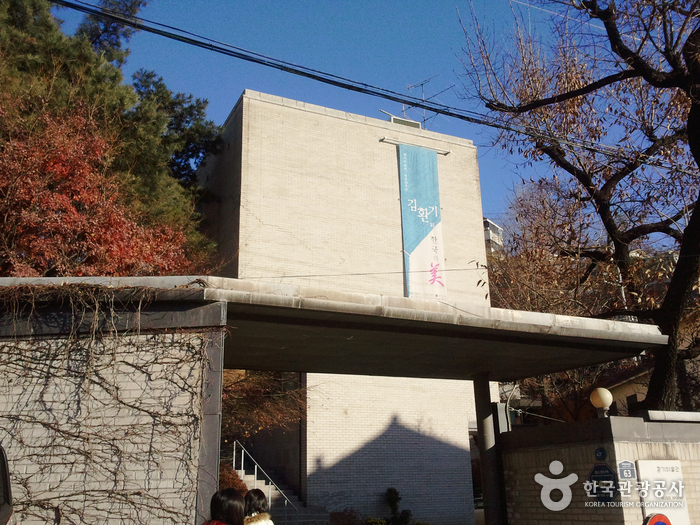
Whanki Art Museum (환기미술관)
4.1Km 2024-03-04
63, Jahamun-ro 40-gil, Jongno-gu, Seoul
+82-2-391-7701
Whanki Art Museum exhibits the works of Kim Whanki (1913-1974), the pioneer of Korean abstract art. Kim was inspired by traditional features such as Korean mountains and streams, the sky, moons and clouds, the white porcelain and traditional patterns, and worked to express them in abstract forms through points, lines, and surfaces. The main collection features nearly 300 works by Kim. One can also find an art shop and a café.
![LG Best Shop [Tax Refund Shop] (LG베스트샵)](http://tong.visitkorea.or.kr/cms/resource/28/2891128_image2_1.jpg)
 English
 한국어
한국어 日本語
日本語 中文(简体)
 Deutsch
 Français
 Español
 Русский


