![Olive Young - Munjeong Station Branch [Tax Refund Shop] (올리브영 문정역)](http://tong.visitkorea.or.kr/cms/resource/15/2879515_image2_1.jpg)
Olive Young - Munjeong Station Branch [Tax Refund Shop] (올리브영 문정역)
18.9Km 2024-04-18
Bldg. G #127, and #128, 167, Songpa-daero, Songpa-gu, Seoul
-

Woo Joo Yon Clinic (우주연한의원)
18.9Km 2025-10-23
(2nd Floor, Hanok), 41 Bukchon-ro 12-gil, Jongno-gu, Seoul
Woojooyon Clinic takes an integrative approach considering the patient's overall health. Rather than merely treating the affected area, we listen to the patient's story, understand their daily life, and focus on identifying and correcting the root causes of imbalances in the body. Our goal is to pursue true healing and happiness by treating with a delicate touch that connects with the patient's soul. We aim to restore the body to its original state, ensuring a holistic examination of both body and mind, as well as habits and personality. Woojooyon Clinic is committed to helping patients regain a healthy life by applying the wisdom of traditional Korean medicine. We value our relationships with patients and strive to always do our best.
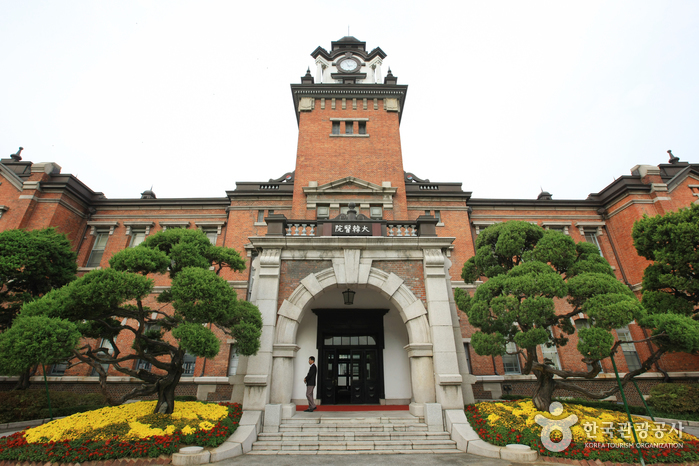
Seoul Daehan Hospital (서울 대한의원)
18.9Km 2021-12-23
101, Daehak-ro, Jongno-gu, Seoul
+82-2-2148-1842
Daehanuiwon (Daehan Medical Center) is an antique two-story brick building within the grounds of Seoul National University Hospital. It was established under the direct administration of the Uijeongbu (State Council), combining the Gwangjewon (under the Home Ministry), Gyeongseong Medical School and the Korean Red Cross Hospital (under the Royal Household).
Built in the Madubong Hill area, this location where Hamchunwon, the outer garden of Changgyeonggung Palace, once stood in 1484 (15th year of King Seongjong), was also once the site of Gyeongmogung Palace, where King Jeongjo enshrined the mortuary tablet of his birth father Crown Prince Sado Seja in 1776 (the year King Jeongjo ascended to the throne).
These places that held importance for the royal family were destroyed as the Japanese built Gyeongseong Empire University in its place. In 1907, with the announcement of the plan to establish Daehan Medical Center, construction began on the main building, seven wards and affiliated buildings. Construction was completed in November 1908.
The Daehan Medical Center opened in Gwangjewon, but upon Japanese colonization in 1910, its name was changed to the Japanese Viceroyalty Hospital. In 1926, it was included as a part of Gyeongseongjeguk University to become a university hospital. Since the liberation of Korea in 1945, it has been a hospital affiliated with Seoul National University.
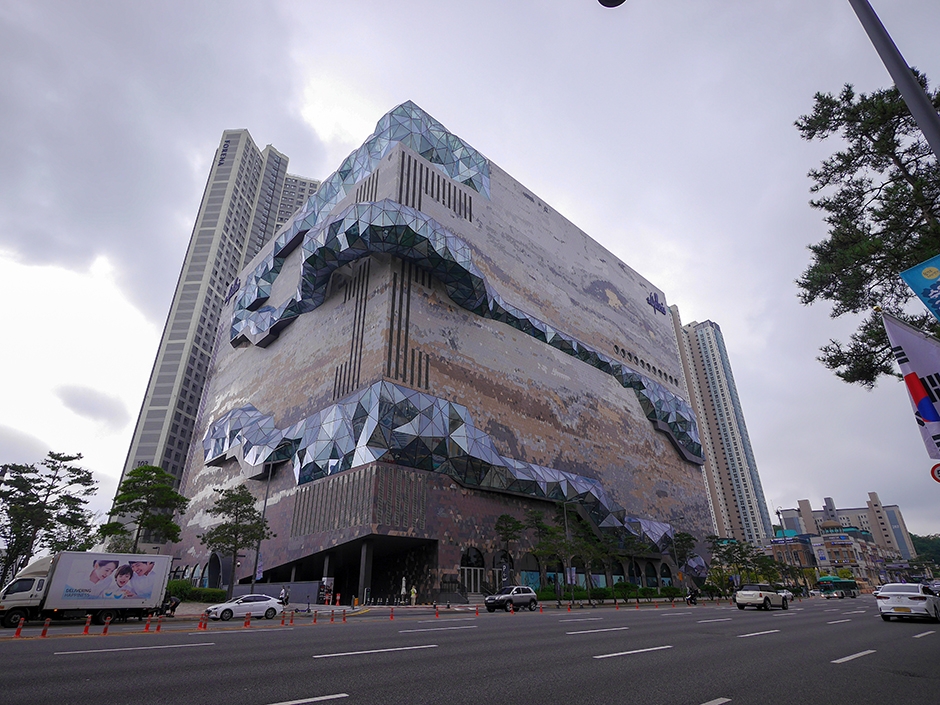
Galleria Gwanggyo Passage (갤러리아 광교 파사쥬)
19.0Km 2025-05-21
124 Gwanggyojungang-ro, Yeongtong-gu, Suwon-si, Gyeonggi-do
Opened in 2020, the Galleria Gwanggyo Passage is located on the lower floors of the Galleria Gwanggyo. Inspired by sedimentary rocks, its exterior was designed by renowned architect Rem Koolhaas. With its striking design, it offers visitors a unique experience. In addition to popular cafes and bakeries, visitors can explore a variety of brands of cosmetics, outwear, IT, and food & beverages. The space also features various photo zones, a self-studio, and other fun activities that go beyond the traditional department store experience.
Sweet Park (Lotte Children's Food Experience Center) (스위트파크(롯데어린이식품체험관))
19.0Km 2024-02-15
201 Magokjungang-ro, Gangseo-gu, Seoul
Sweet Park is a children's food experience center, an educational and entertainment space featuring Lotte's food products. The park is designed as a village themed around Lotte's food items. It offers various tour programs such as Hot Air Balloon Theater, Sweet Park Tours, Lotte R&D Center Experience Zone, and Xylitol Dental Health Education Zone.
![CK Globalnet [Tax Refund Shop] (씨케이글로벌네트)](http://tong.visitkorea.or.kr/cms/resource/62/3312862_image2_1.jpg)
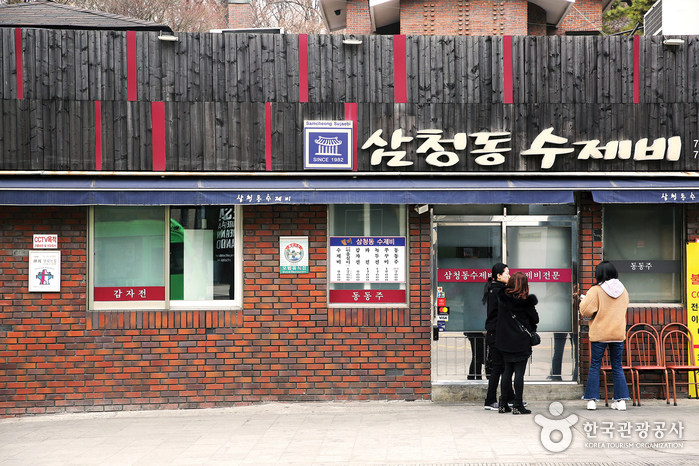
Samcheong Sujaebi (삼청동수제비)
19.0Km 2024-03-04
101-1 Samcheong-ro, Jongno-gu, Seoul
+82-2-735-2965
Samcheong Sujaebi is a handmade sujebi (hand-pulled dough soup) specialty restaurant located in Samcheong-dong. Sujebi is a dish made by tearing hand-pulled dough into pieces and boiling it in anchovy broth, among other broths. The signature menu features sujebi with sliced pumpkin, clams, and potatoes, all boiled together and served in a pot. Another specialty is the potato pancake made exclusively from 100% potatoes. Nearby attractions include Bukchon Hanok Village, the National Museum of Modern and Contemporary Art, and Gyeongbokgung Palace.
Jihwaja (지화자)
19.0Km 2024-03-18
125 Jahamun-ro, Jongno-gu, Seoul
+82-2-2269-5834
Jihwaja is a traditional Korean restaurant operated by a successor of Joseon dynasty royal dishes. Their manchan course (full course) includes menus served at royal banquets such as gungjung manchan (royal course), Jineo-byul manchan (deluxe royal degustation course), and janggeum manchan (daejanggeum degustation course) courses. The janggeum course reconstructs dishes from the drama "Dae Jang Geum." For the Jeongchan course (Set menu), they offer so galbi sura (grilled beef ribs course), jeonbok cho sura (braised abalones in soy sauce course), so galbi jjim sura (braised beef short ribs course), and haemul sinseollo sura (seafood hot pot course). Additionally, they serve milk porridge, meat and vegetable skewers, mandu, royal hot pot, and grilled marinated beef.
![Olive Young - Sinbanghwa Station Branch [Tax Refund Shop] (올리브영 신방화역)](http://tong.visitkorea.or.kr/cms/resource/07/2880107_image2_1.jpg)
Olive Young - Sinbanghwa Station Branch [Tax Refund Shop] (올리브영 신방화역)
19.0Km 2024-04-22
#121, and #122, 294, Banghwa-daero, Gangseo-gu, Seoul
-
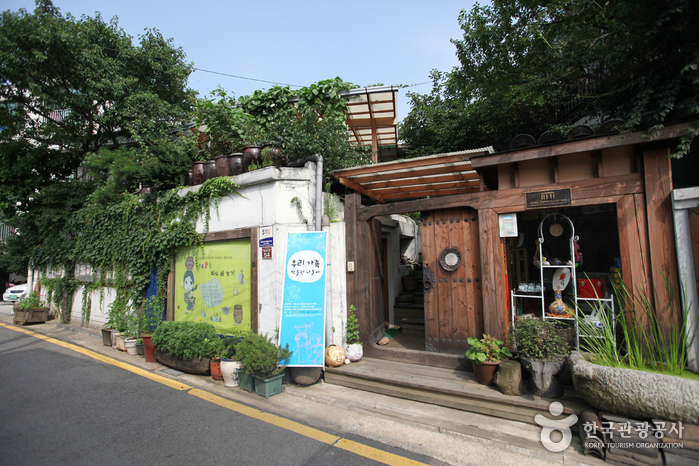
Bukchon Museum (북촌생활사박물관)
19.0Km 2022-08-30
90, Bukchon-ro 5na-gil, Jongno-gu, Seoul
+82-2-736-3957
The Bukchon Museum displays items that have been collected from Bukchon, a historical village that was once home to the nation’s nobility. The museum was founded to observe urban development that took place in the recent decades through collected and preserved veryday household items that were used by Bukchon residents. Visitors are even allowed to touch items on display to better be able to imagine life in Korea before industrialization.
 English
 한국어
한국어 日本語
日本語 中文(简体)
 Deutsch
 Français
 Español
 Русский


