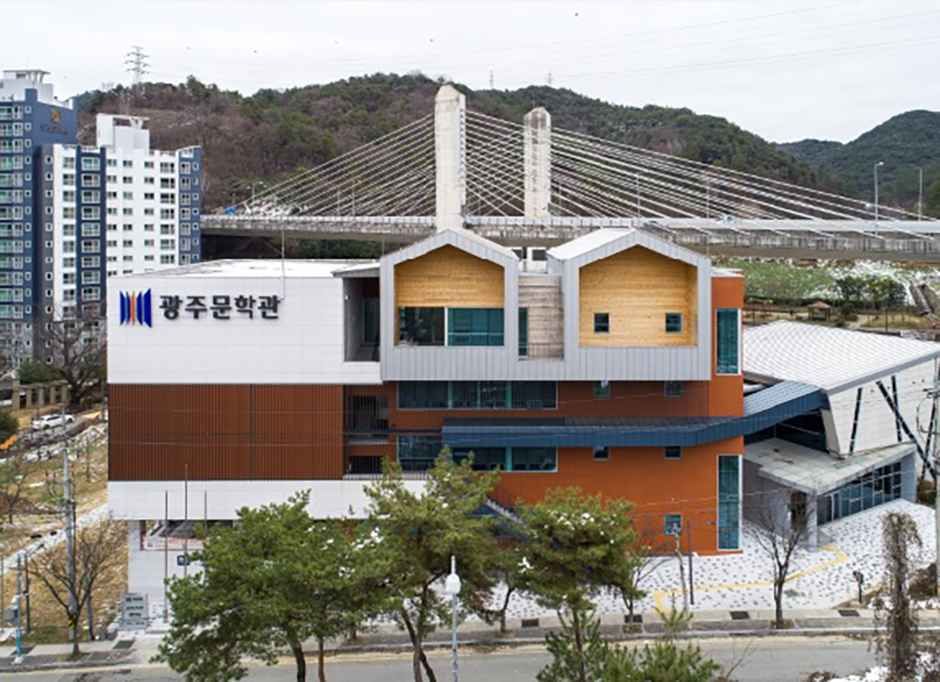
Museum of Gwangju Literature (광주문학관)
3.8Km 2024-11-20
93 Gakhwa-daero, Buk-gu, Gwangju
The Museum of Gwangju Literature offers a journey through Gwangju’s rich literary heritage, spanning from ancient times to the present day. Visitors can delve into the literature from the Mahan period, explore works from the 1920s and '30s tied to the national independence movement, and discover works from the 1980s that marked the beginning of the modern poetry movement. The permanent exhibition provides a chronological journey through the local literature of Gwangju. The museum also holds various programs for visitors.

Uijae Museum of Korean Art (광주 의재미술관)
3.8Km 2024-11-14
155 Jeungsimsa-gil, Dong-gu, Gwangju
+82-62-222-3040
The Uijae Museum of Korean Art was established in memory of the famous Korean artist Heo Baekryeon. Construction of the museum ended in December, 1999, but the museum wasn’t officially opened until November 17, 2001. Built to mimic the curve of a gently sloping road, the museum’s unique design earned architect Jo Seongryong the 10th Korean Architecture Award the same year as the museum’s opening. Measuring 6,000㎡ (B1-2F) in size, the museum is comprised of two exhibition rooms, a storage facility, a seminar room, and a tea ceremony room for visitors. Since its opening, the Uijae Museum of Korean Art has hosted notable exhibitions and seminars such as the 2002 Biennale Project 2 International Symposium.
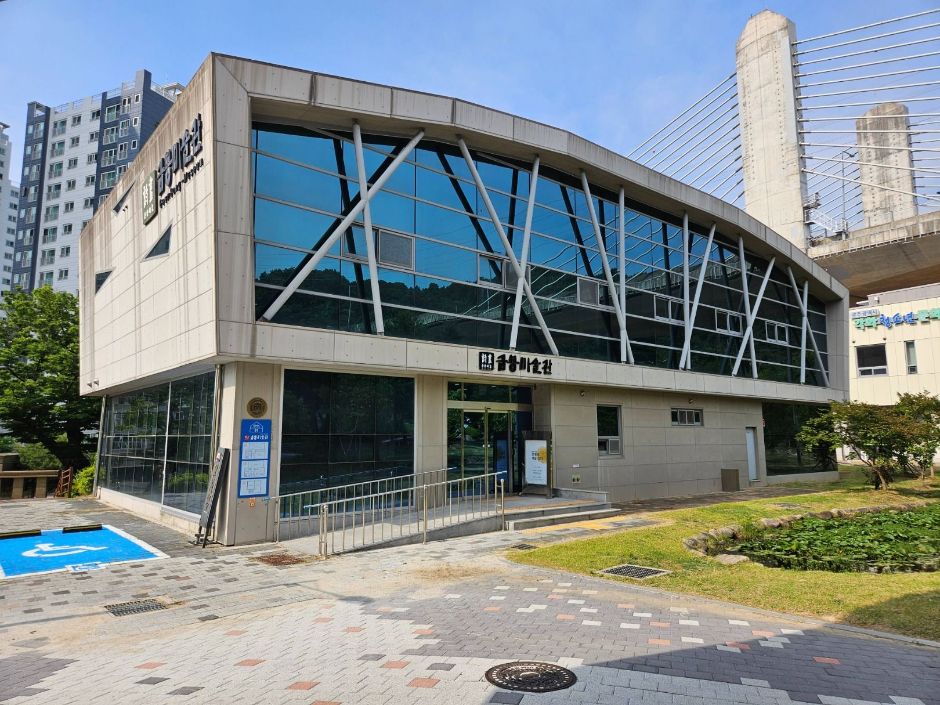
GeumBong-Museum (시화문화마을 금봉미술관)
3.9Km 2024-12-17
91 Gakhwa-daero, Buk-gu, Gwangju
Opened in 2015, GeumBong-Museum has 291 art works of painter Park HaengBo. The museum also has various contemporary art works to further spread the knowledge of both traditional and contemporary art. It offer classes and exhibition to support the local art culture.
![Aritaum - Gwangju Jinwol Branch [Tax Refund Shop] (아리따움 광주진월점)](http://tong.visitkorea.or.kr/cms/resource/07/2886907_image2_1.jpg)
Aritaum - Gwangju Jinwol Branch [Tax Refund Shop] (아리따움 광주진월점)
3.9Km 2024-04-23
687, Seomun-daero, Nam-gu, Gwangju
-
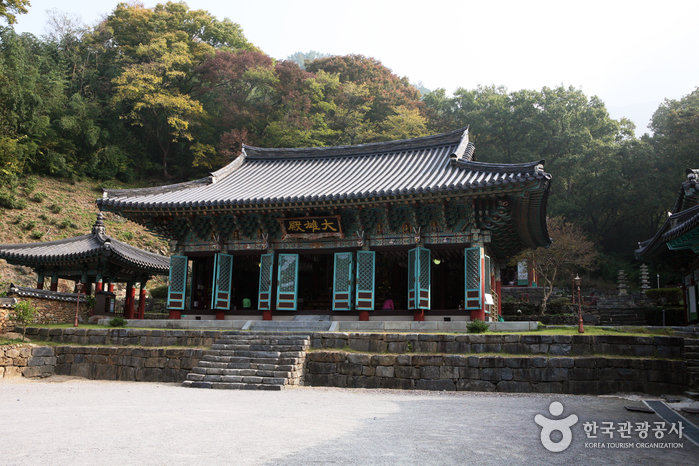
Gwangju Jeungsimsa Temple (증심사(광주))
4.0Km 2021-11-09
177, Jeungsimsa-gil, Dong-gu, Gwangju
+82-62-226-0108
Located on the western foothills of Mudeungsan Mountain, Jeungsimsa Temple is a representative temple of Gwangju. First founded by Buddhist monk Cheolgamseonsa Do Yun in 517 (Silla Kingdom), the temple was remodeled by Buddhist monk Hyesoguksa in 1094 (Goryeo dynasty) and again by Kim Bang in 1443 (Joseon dynasty). The temple was burned down during the Imjin War and was reconstructed in 1609 by three Buddhist monks: Seokgyeong, Sujang, and Dogwang. It underwent several additional restorations before being destroyed again by fire during the Korean War. Most of the existing buildings, including Daeungjeon Halll (main temple building), were rebuilt in the 1970s.

Gwangju KIA Champions Field (광주-기아 챔피언스 필드)
4.3Km 2025-08-06
10 Seorim-ro, Buk-gu, Gwangju
070-7686-8000
Gwangju KIA Champions Field is the first open-air stadium in the country and houses INC COFFEE, making it a must-visit attraction for baseball fans. The café offers spacious seating and various bakery items– with the baseball-shaped bread being the most popular. There is also a photo zone, allowing visitors to capture the memories of their trip. With a seating capacity of 20,500, tickets for the seats can be purchased online or on-site.
Creation & Love Women's Hospital (CLWH) (시엘병원)
4.3Km 2025-12-10
957 Mujin-daero, Seo-gu, Gwangju
Based on over 25 years of clinical experience, Ciel Fertility Hospital provides comprehensive medical services including infertility diagnosis, artificial insemination, IVF (in vitro fertilization), and laparoscopy and hysteroscopic surgery. It is a global infertility hospital that operates an international medical center and provides interpretation and concierge services to patients overseas, including in Mongolia, Russia, and the United States, and guarantees safe and reliable medical services and an environment where patients can focus on treatment.
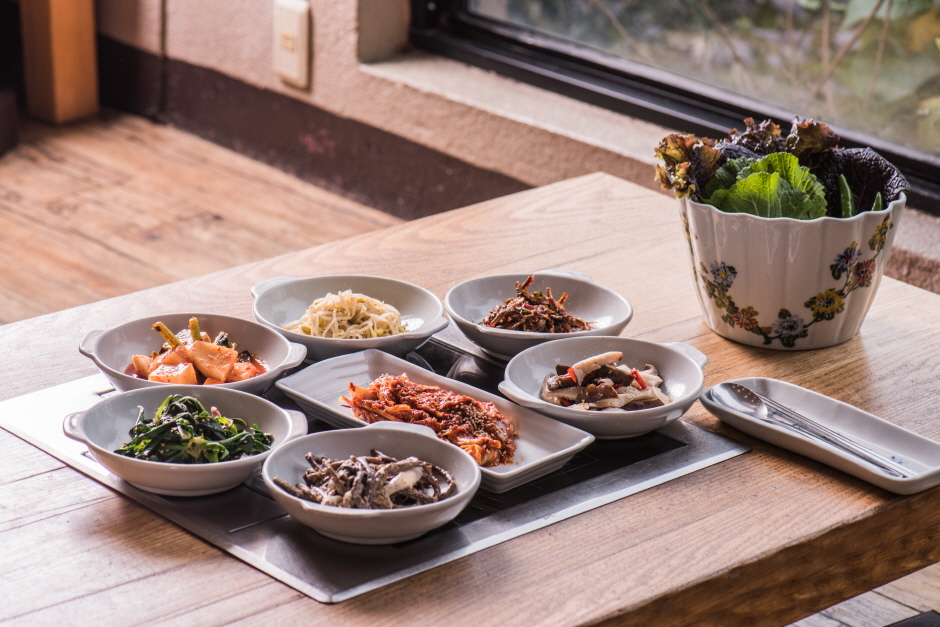
Gaemagowon (개마고원)
4.3Km 2024-10-15
1094 Sangmu-daero, Seo-gu, Gwangju
+82-62-366-3744
Gaemagowon is a hanu (Korean beef) restaurant that has been serving the Gwangju area for over 20 years. The menu includes a variety of dishes using hanu.
Gucci - Shinsegae Gwangju Branch [Tax Refund Shop] (구찌 신세계 광주점)
4.5Km 2024-04-23
1F, 932, Mujin-daero, Seo-gu, Gwangju
-
YSL - Shinsegae Gwangju Branch [Tax Refund Shop] (입생로랑 신세계 광주점)
4.5Km 2024-04-18
2F, 932, Mujin-daero, Seo-gu, Gwangju
-
 English
 한국어
한국어 日本語
日本語 中文(简体)
 Deutsch
 Français
 Español
 Русский


