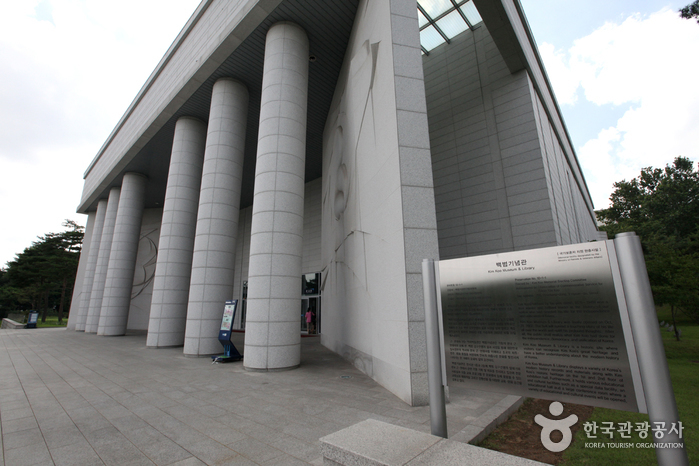
Kim Koo Museum & Library (백범김구기념관)
2.5Km 2022-08-30
26, Imjeong-ro, Yongsan-gu, Seoul
+82-2-799-3400
Kim Koo Museum & Library was built in Yongsan-gu, Seoul to commemorate Baekbeom Kim Koo (1876-1949), a highly respected Korean independence activist. It opened on October 22, 2002 to commemorate Kim Koo's efforts and achievements in Korean history. The main hall is comprised of two floors, exhibiting relics related to his entire life. A statue of a seated Kim Koo is situated in the central space of the first hall.

National Memorial of Korean Provisional Government (국립대한민국임시정부기념관)
2.5Km 2023-01-16
279-24, Tongil-ro, Seodaemun-gu, Seoul
The National Memorial of Korean Provisional Government was established to shine a light on the proud history of the Korean Provisional Government's independence and the spirit of a democratic republic and to pass it on to future generations. The four-story memorial building with three underground floors houses three permanent exhibits, one special exhibit, Larchiveum, Symbol Plaza, storage, multi-purpose hall, and rooftop garden over a total area of 3,656 square meters, a total floor area of 9,703 square meters and a total exhibition space of 2,240 square meters. The permanent exhibits consist of a series of historic events from the March 1st Movement, which served as a turning point for the formation of the Provisional Government, to the foundation of the Korean Government that succeeded the mantle of the provisional government, while the special exhibit on the 1st floor currently hosts a special opening exhibition under the title of 『The Return of the Provisional Government of the Republic of Korea』. Moreover, a symbolic wall installation under the theme of "Waves of History" is displayed in the outdoor plaza on the 1st floor of the memorial expressing the Provisional Government’s desire for independence and the dynamics of the past, present, and future of Korea.
![Africa Eyewear - Hapjeong Kyobo Book Centre Branch [Tax Refund Shop] (아프리카안경원 합정교보문고점)](http://tong.visitkorea.or.kr/cms/resource/09/2878309_image2_1.jpg)
Africa Eyewear - Hapjeong Kyobo Book Centre Branch [Tax Refund Shop] (아프리카안경원 합정교보문고점)
2.5Km 2024-04-22
B2 13-1, 2, 14, World Cup-ro 1-gil, Mapo-gu, Seoul
-
![Hottracks - Hapjeong Branch [Tax Refund Shop] (핫트랙스 합정점)](http://tong.visitkorea.or.kr/cms/resource/12/2878312_image2_1.jpg)
Hottracks - Hapjeong Branch [Tax Refund Shop] (핫트랙스 합정점)
2.5Km 2024-04-22
14, World Cup-ro 1-gil, Mapo-gu, Seoul
-
![Olive Young - KYOBO BOOK CENTRE Hapjeong Branch [Tax Refund Shop] (올리브영 합정교보)](http://tong.visitkorea.or.kr/cms/resource/24/2888424_image2_1.jpg)
Olive Young - KYOBO BOOK CENTRE Hapjeong Branch [Tax Refund Shop] (올리브영 합정교보)
2.5Km 2024-04-22
14, World Cup-ro 1-gil, Mapo-gu, Seoul
-
Seodaemun Culture & Sports Center Swimming Pool (서대문 문화체육회관 실내수영장)
2.6Km 2024-03-20
39 Baekryeonsa-gil, Seodaemun-gu, Seoul
Seodaemun Culture & Sports Center Swimming Pool, covering 973 square meters, features a total of seven lanes with both adult and children's pools. The facility provides regular swimming lessons, survival swimming lessons, aqua aerobics, and more. The water quality is maintained using a natural salt electrolysis system. For free swimming, visitors can purchase tickets from the kiosk on the second floor, receive wristbands from the information desk, and enjoy the facility at an affordable cost.
Seodaemun Independence Park (서대문독립공원)
2.6Km 2022-12-15
251, Tongil-ro, Seodaemun-gu, Seoul
+82-2-3140-8305
Seodaemun Independence Park was built on the former Seoul Detention Camp. It was used to imprison thousands of Korean independence activists until the liberation from the Japanese occupation on August 15, 1945, as well as the political prisoners during the political turmoil in the 1960s. When the prison was moved to Uiwang-si, Gyeonggi-do in November 1987, the area was restored and turned into a memorial park in August 15, 1992 to honor the sacrifices of the martyrs. The park preserves seven prison buildings, an execution ground, underground women’s prison, and the March 1st Movement Monument that has been moved from Tapgol Park in Jongno.
One of the most significant monuments of the Seodaemun Independence Park is Dongnimmun Gate (Independence Gate), which has been designated a Historic Site. Nearby is Dongnipgwan (Independence Hall), originally called Mohwagwan, which was used to greet Chinese envoys during the Joseon dynasty. Today, the hall enshrines 2,327 tablets inscribed with the names of Koreans who died for the cause of national independence. Standing right next to Dongnimmun Gate are the remnants of Yeongeunmun Gate, another Historic Site. Other sights inside the park include the Patriotic Martyr Monument, Declaration of Independence Monument, and Statue of Dr. Seo Jae-pil, who was an independence activist and publisher of Korea’s first independent newspaper. The main highlight of the park is the Seodaemun Prison History Hall, a former prison building that was renovated into a history museum.
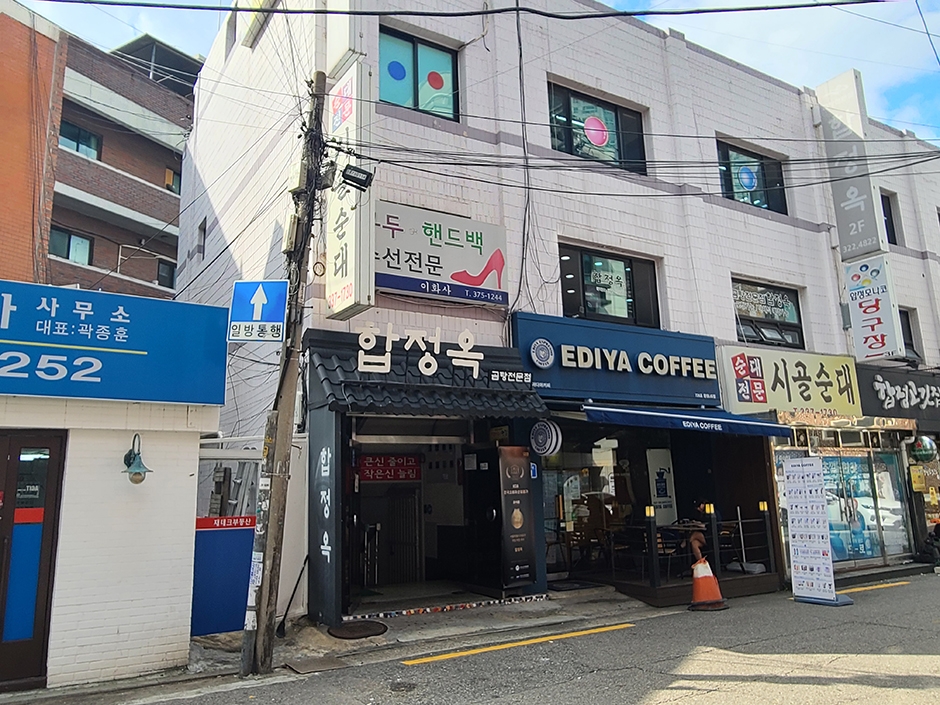
Hapjeongok (합정옥)
2.6Km 2024-02-22
2F, 21 Yanghwa-ro 1-gil, Mapo-gu, Seoul
Hapjeongok is a gomtang (beef bone soup) specialty restaurant located near Hapjeong Station. Using domestically sourced beef brisket and bones, they prepare around 100 servings of soup each day. The signature dish is the rich and subtly fragrant gomtang, complemented by menu items such as yukhoe (beef tartare) and suyuk (boiled pork slices) that go well together.
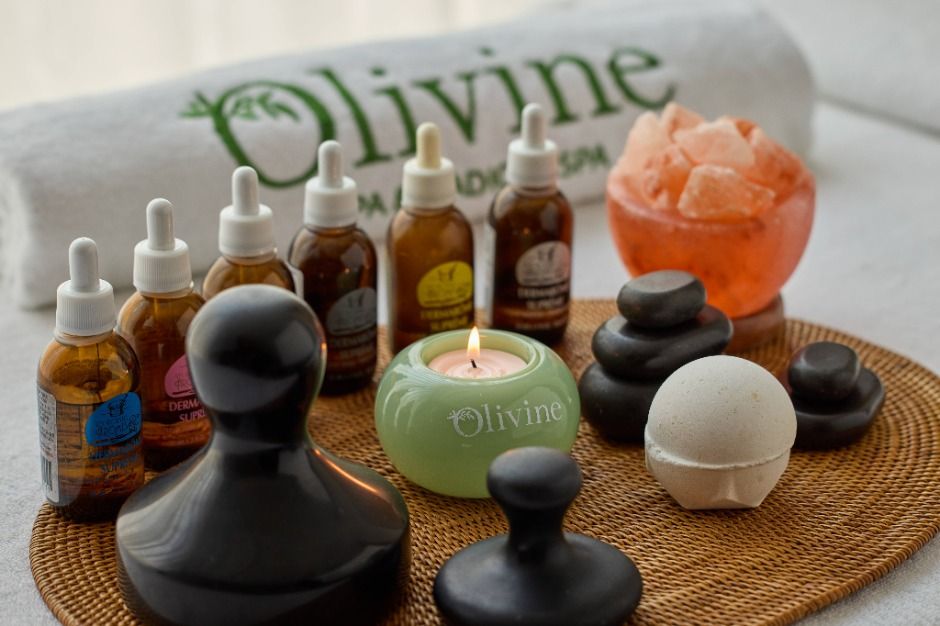
Olivine Spa (올리바인 스파)
2.6Km 2025-10-23
4-1 Tongil-ro 16-gil, Jongno-gu, Seoul
Chosen as one of the 25 recommended wellness tourist destinations by the Ministry of Culture, Sports and Tourism and the Korea Tourism Organization, Olivine Spa operates a luxury spa and a beauty & slimming center in downtown. The spa also provides professional pre-natal and post-natal massage, body shape care, and various beauty programs in partnership with Seran General Hospital and Olivium (a postpartum care center). Olivine Spa provides massages by top-tier therapists in the industry who will relieve fatigue and eliminate toxins accumulated through daily life. They will help your body become healthier and more balanced, ensuring customer satisfaction. Furthermore, Olivine Spa uses Swiss premium brands Les Nouvels Aroma and Darphin in their programs. Its beauty & slimming center provides customized consulting and various beauty-related medical programs in partnership with medical staff at Seran General Hospital.
 English
 한국어
한국어 日本語
日本語 中文(简体)
 Deutsch
 Français
 Español
 Русский


