![Lemiel Plastic Surgery [Tax Refund Shop] (르미엘성형외과의원)](http://tong.visitkorea.or.kr/cms/resource/51/3313151_image2_1.jpg)
Lemiel Plastic Surgery [Tax Refund Shop] (르미엘성형외과의원)
4.5Km 2024-06-27
120, Jong-ro, Jongno-gu, Seoul
-

Le Miel Plastic Surgery (르미엘성형외과의원)
4.5Km 2025-10-23
3rd Floor, 120 Jongno, Jongno-gu, Seoul
Valuable Beauty, Lemiel Plastic Surgery
A premium clinic where delicate technique and artistic sensibility come together. We provide not just external changes, but customized treatments that enhance each individual’s natural charm. Specialized in fast-recovery eyebag surgery using Encore Laser, customized eye surgery for facial balance, tailored lifting based on body type, and petite procedures that refine facial curves and volume.
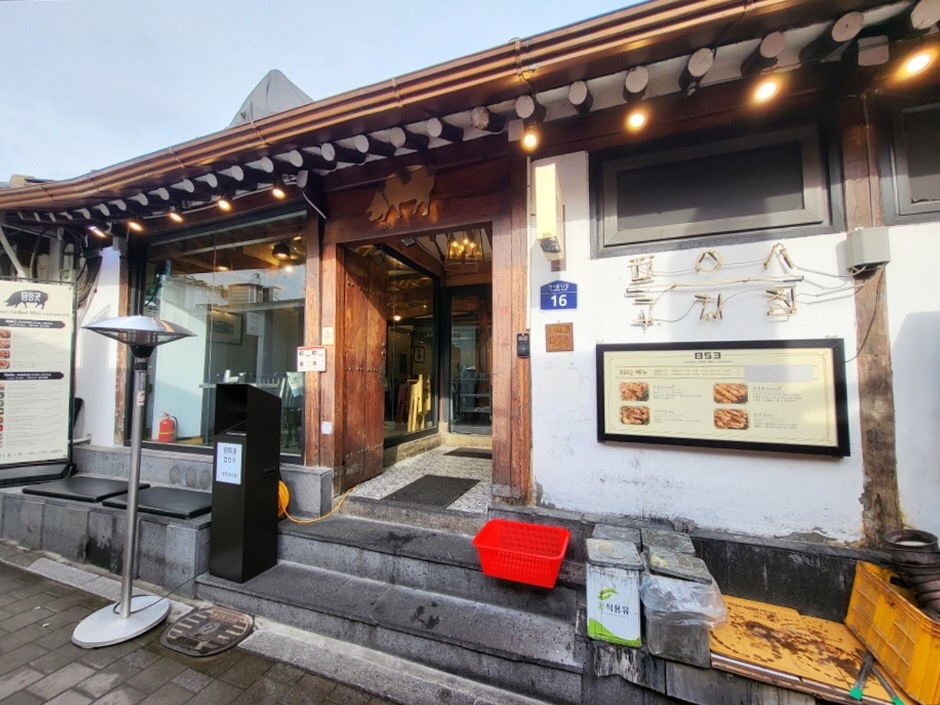
853 (팔오삼)
4.6Km 2024-03-15
16 Insadong 12-gil, Jongno-gu, Seoul
+82-70-8832-0853
853 is a pork barbecue restaurant located in a renovated hanokin Insa-dong, offering various cuts of pork such as shoulder, belly, blade-end fatback, and pork neck. They use thick cuts of domestically sourced pork and grill them to perfection, ensuring they are juicy and flavorful. Customers can enjoy dipping their meat in one of four sauces: Himalayan rock salt, mustard seeds and wasabi, salted cutlassfish intestines, and barley mixed paste. Their flying fish roe riceball mixed with pickled radish salad, burdock root, flying fish roe, perilla leaves, and mayonnaise pairs perfectly with the meat.
Lotte Himart - VIC Market Yeongdeungpo Branch [Tax Refund Shop] (롯데하이마트 VIC마켓영등포점)
4.6Km 2024-04-22
125, Yeongjung-ro, Yeongdeungpo-gu, Seoul
-
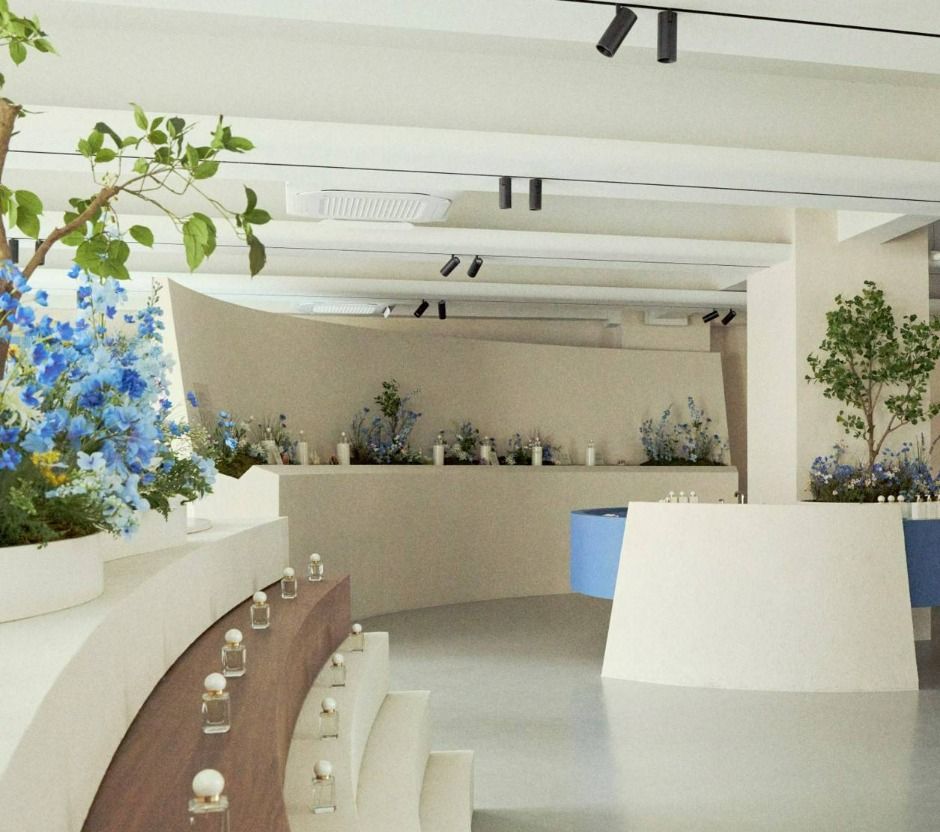
Matthew Chang Anguk (메튜장 안국)
4.6Km 2025-07-14
33 Yulgok-ro, Jongno-gu, Seoul
Matthew Chang Anguk flagship store uses the whole space to bring the brand's philosophy to life through fragrance. Located in Anguk, the heart of Korea's tradition and aesthetics, the store's tranquil atmosphere sets the mood for visitors to try on and experiment with the brand's carefully selected perfume collection. The staff provides assistance in recommending the perfect scent according to visitor's preference, mood, and nostalgia. The store also has a section dedicated to body care products, such as hand wash and body lotion.
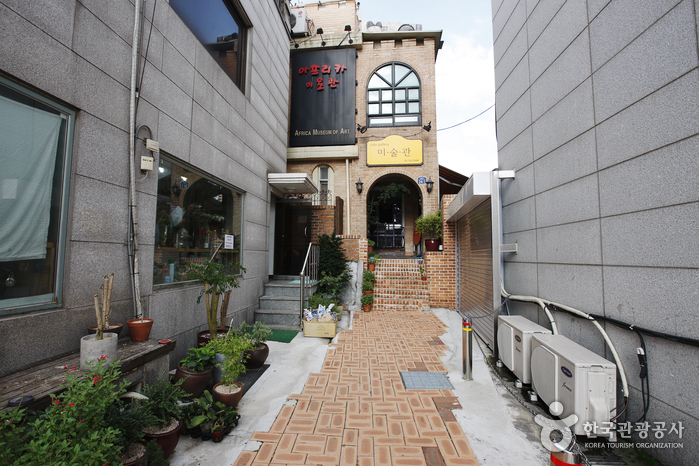
Africa Museum of Art (아프리카미술관)
4.6Km 2022-10-26
24-1, Samcheong-ro, Jongno-gu, Seoul
+82-2-730-2430
The Africa Museum of Art was established with the purpose of hosting various art festivals and providing the grounds for researching various art themes. A major principle of the gallery is to promote works of art that actively attempt to explore the human mind.
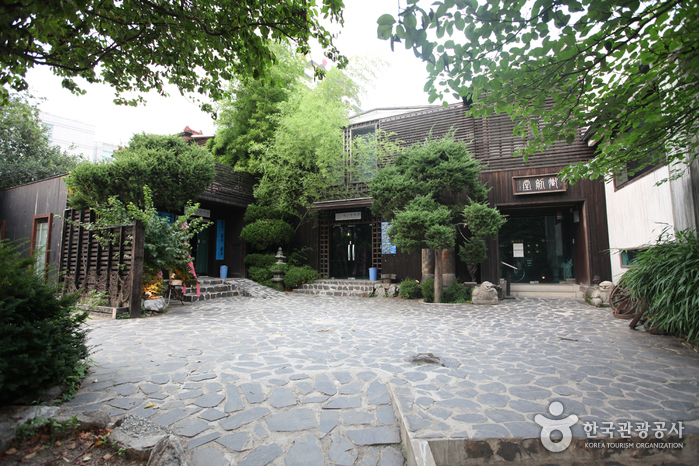
Kyung-In Museum of Fine Art (경인미술관)
4.6Km 2024-03-04
11-4, Insadong 10-gil, Jongno-gu, Seoul
+82-2-733-4448
Kyung-In Museum of Fine Art is located in Insa-dong. It has six exhibition rooms, an atelier, an outdoor exhibition area, and a traditional tea house. It hosts outdoor concerts in spring and fall, and Q&A sessions with authors can also be found as well. The traditional tea house offers about 15 types of traditional Korean tea in a space that overlooks the garden.
Jeontong Dawon (전통다원)
4.6Km 2024-03-18
11-4 Insadong 10-gil, Jongno-gu, Seoul
+82-2-730-6305
Jeontong Dawon is a hanok-style tea house located in Insa-dong. It offers seating both inside the hanok and in the outdoor garden, allowing guests to choose their preferred spot. Visitors can enjoy various types of traditional Korean tea along with traditional Korean snacks such as yugwa (fried rice sweet). It is situated within the Kyung-in Museum of Fine Art premises, offering the opportunity to explore the museum as well.
The Hanok Smith Likes (스미스가 좋아하는 한옥)
4.6Km 2024-03-11
22-7 Samcheong-ro, Jongno-gu, Seoul
+82-2-722-7003
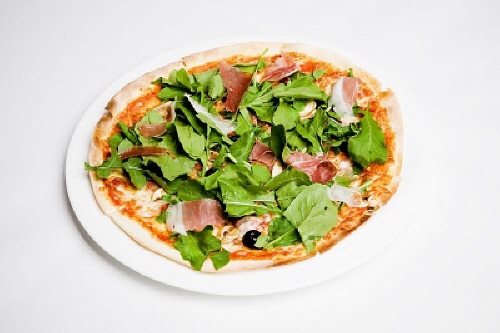
The Hanok Smith Likes is a restaurant located near Gyeongbokgung Palace, housed in a renovated hanok. It offers a fusion of Korea's traditional beauty with Italian cuisine. Specializing in oven-baked pizza and pasta, it also features a variety of Italian dishes. The oven-baked pizzas are particularly popular, known for their chewy crusts and generous toppings. In 2023, it was selected for the Michelin Guide Seoul.
 English
 한국어
한국어 日本語
日本語 中文(简体)
 Deutsch
 Français
 Español
 Русский


