![Zara - Lotte Seoul Station Branch [Tax Refund Shop] (자라 롯데 서울역점)](http://tong.visitkorea.or.kr/cms/resource/25/2878425_image2_1.jpg)
Zara - Lotte Seoul Station Branch [Tax Refund Shop] (자라 롯데 서울역점)
2.3Km 2024-04-22
378, Cheongpa-ro, Yongsan-gu, Seoul
-

Persian Palace (페르시안궁전)
2.3Km 2024-03-18
9 Sungkyunkwan-ro 6-gil, Jongno-gu, Seoul
+82-2-763-6050
Persian Palace is a restaurant specializing in Indian cuisine and Iranian kebabs, run by an Iranian chef. They offer set menus such as lamb curry, spinach curry, and butter chicken, which can be enjoyed with tandoori nan. The spiciness of the curry can be adjusted, and they also have vegan options available. For dessert, they serve Persian homemade desserts like mast (Persian yogurt) and saffron ice cream. They provide halal food and prayer rooms for Muslims.
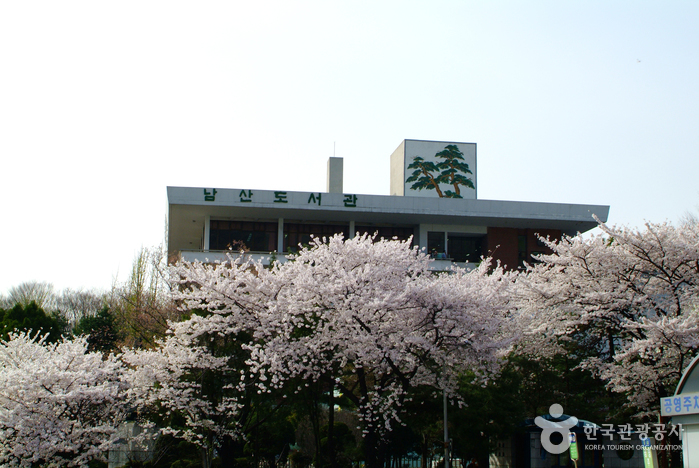
Namsan Library (서울특별시교육청 남산도서관)
2.3Km 2021-07-07
109, Sowol-ro, Yongsan-gu, Seoul
+82-2-754-7338
Namsan Library opened as Kyeongseong Prefectural Library in 1922 as a public library in Myeong-dong, Jung-gu, Seoul. The library was moved to the current site in 1964 with a newly built building and its name changed to Namsan Library in 1965. This concrete building was built in 1964 and was designed by architect Lee Haeseong. It was designated as Seoul Future Heritage in 2013, credited for its preservation value.
It is comprised of 19 rooms and educational areas including the Humanity and Social Science Hall, Nature Science Hall, Language and Literature Hall, Electronic Information Room and more. Since opening, the library has collected nearly 500,000 books, 16,000 non-book materials, 700 continuing resources, and other special materials like old books, oriental books (including Japanese books), and more. Namsan Library also operates a reading treatment program unique to this library that began in 2005. The program includes remodeling of reading consultation room, training for people in charge of reading treatment, workshops, programs for individuals and groups. Also, various exhibitions, lectures, shows, cultural classes and other events are available all year long to enhance lifelong education.
![PungGyeong [Korea Quality] / 풍경 [한국관광 품질인증]](http://tong.visitkorea.or.kr/cms/resource/80/2633780_image2_1.jpg)
PungGyeong [Korea Quality] / 풍경 [한국관광 품질인증]
2.3Km 2023-05-02
32-6 , Seonggyungwan-ro, Jongno-gu, Seoul
+82-10-7103-6993
PungGyeong, located opposite Sungkyunkwan Academy in Jongno-gu, Seoul, is a hanok-style guest house whose outer wall is painted with a stylish blue pine tree. The guest house is equipped with bedrooms and a kitchen/diner with a table. Residents can have toast for breakfast, and simple Korean meals are provided for guests staying more than two days. In the winter you can sample traditional Korean tea brewed by the owner.
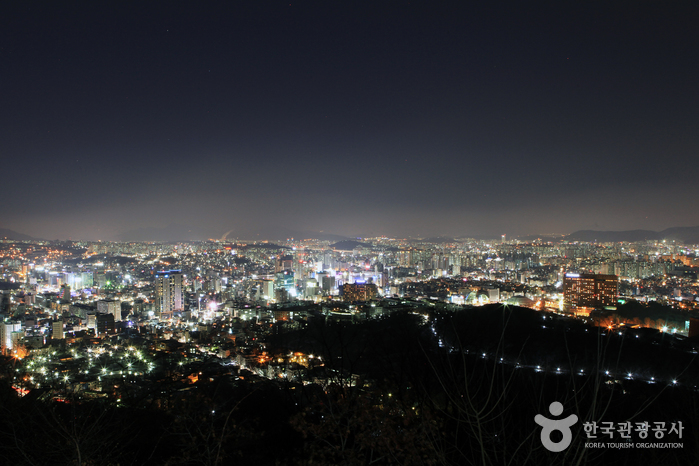
Seoul Namsan Park (남산공원(서울))
2.3Km 2024-03-18
231 Samil-daero, Jung-gu, Seoul
Namsan Mountain rises in the heart of Seoul at an altitude of 265 meters and has been a significant landmark since the Joseon dynasty (1392-1897), leaving behind several ruins. It was heavily damaged in the early 20th century, but was partially restored in 1968 with the creation of the park. Highlights include Namsan Tower and love locks left by numerous couples. Visitors can also easily reach the top by a cable car or bus.
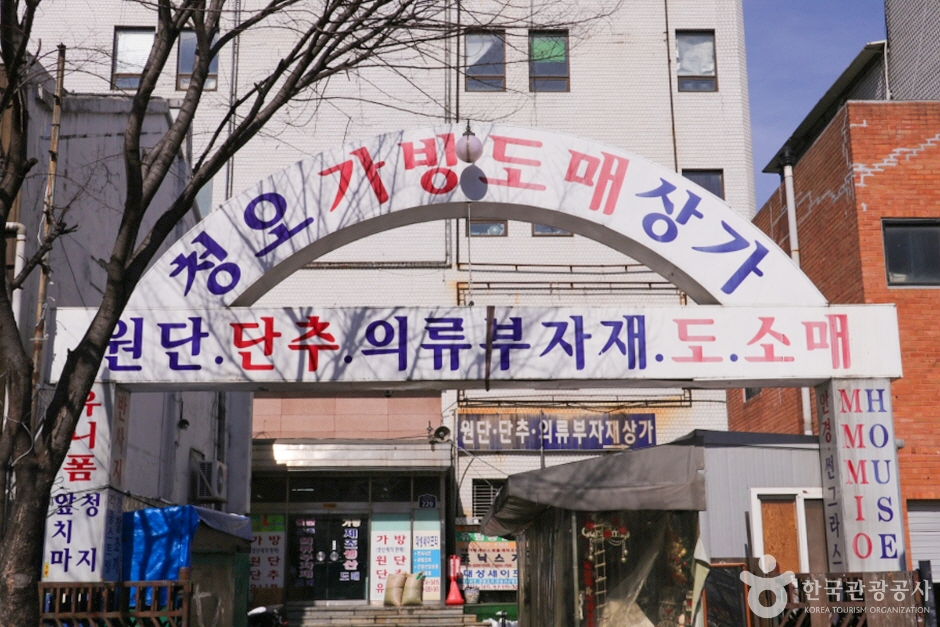
Cheonggye 5-ga Bag Wholesale Shopping Center / Cheong'o Bag Shopping Center (청계5가 가방도매상가 / 청오가방상가)
2.3Km 2024-03-18
229 Cheonggyecheon-ro, Jongno-gu, Seoul
Cheonggye 5-ga Bag Wholesale Shopping Center is a place where you can purchase various types of bags at affordable prices. They offer a diverse range of items including handbags, briefcases, suitcases, and school bags. Selling unique models produced directly from their own factory, the prices are reasonable, and the quality is excellent. The shopping center also houses wholesale stores for clothing and bag accessories.
Lloyd - Daehangno Branch [Tax Refund Shop] (로이드 대학로)
2.3Km 2024-04-17
1F, 31, Daemyeong-gil, Jongno-gu, Seoul
-
![Lush Korea - Daehangno Branch [Tax Refund Shop] (㈜러쉬코리아 대학로점)](http://tong.visitkorea.or.kr/cms/resource/83/2878183_image2_1.jpg)
Lush Korea - Daehangno Branch [Tax Refund Shop] (㈜러쉬코리아 대학로점)
2.4Km 2024-04-22
27, Daemyeong-gil, Jongno-gu, Seoul
-
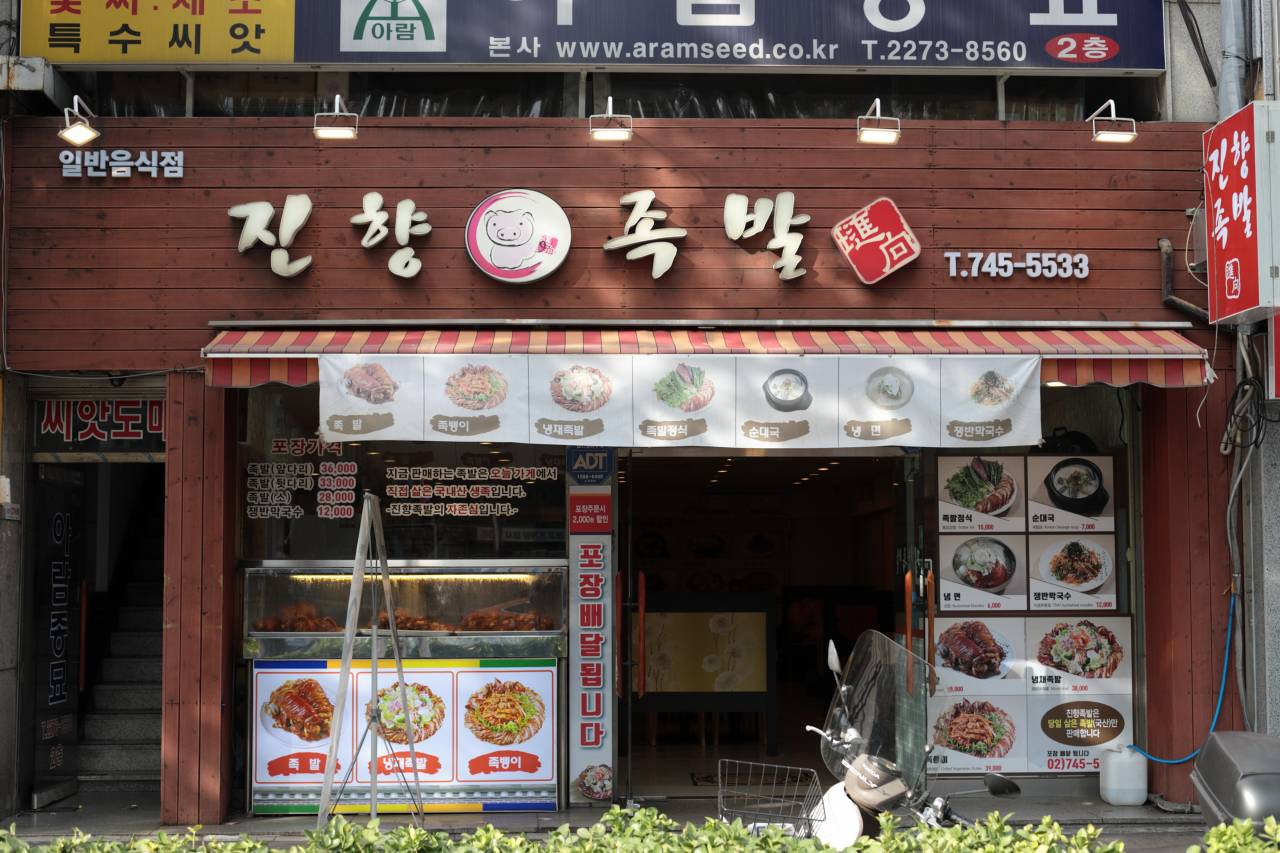
Jinhyang Jokbal (진향족발)
2.4Km 2024-10-15
231-1, Jong-ro, Jongno-gu, Seoul
+82-2-745-5533
A pig's trotter(s) specialty restaurant located near Jongno 5(o)ga Station in Seoul. One of the top 5 jokbal (pig's trotter) restaurants in Seoul. This restaurant's signature menu is braised pigs' feet.
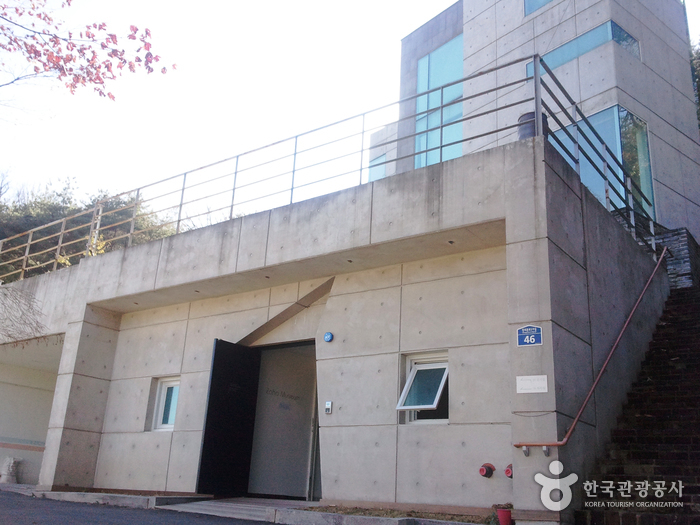
Zaha Museum (자하미술관)
2.4Km 2021-03-09
46, Changuimun-ro 5ga-gil, Jongno-gu, Seoul
+82-2-395-3222
Located in Buam-dong, Jongno-gu, Zaha Museum is the highest art gallery in Seoul. Reaching
the museum involves a bit of an uphill walk, but the breathtaking scenery that includes Bugaksan Mountain and Inwangsan Mountain makes it worth the effort.
Opened on March 1, 2008, the two-story museum exhibits experimental works of young artists. There are two exhibition halls and a small garden on the second floor with a great view of the mountains.
 English
 한국어
한국어 日本語
日本語 中文(简体)
 Deutsch
 Français
 Español
 Русский


