![Lush Korea - Daehangno Branch [Tax Refund Shop] (㈜러쉬코리아 대학로점)](http://tong.visitkorea.or.kr/cms/resource/83/2878183_image2_1.jpg)
Lush Korea - Daehangno Branch [Tax Refund Shop] (㈜러쉬코리아 대학로점)
2.2Km 2024-04-22
27, Daemyeong-gil, Jongno-gu, Seoul
-
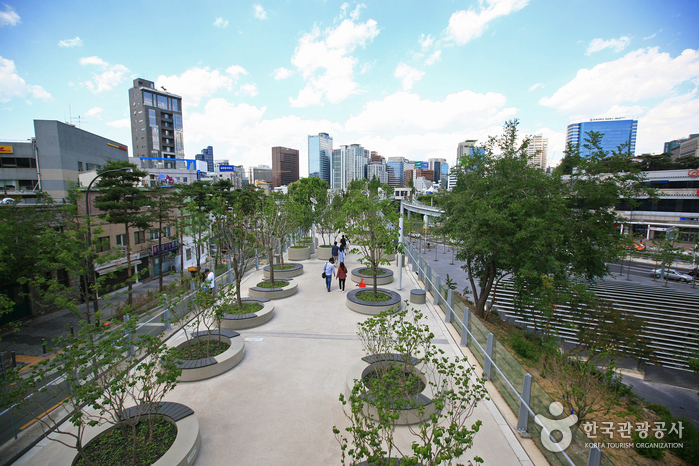
Seoullo 7017 (서울로 7017)
2.2Km 2025-10-24
405, Hangang-daero, Jung-gu, Seoul
+82-2-120
Originally opened in 1970, Seoullo 7017 was an elevated road that crossed over the Seoul Station railway, but when it became dilapidated and unusable for traffic, it was converted into a park in 2017. It is about 17 metres above the ground and offers a panoramic view of the Seoul Station Railway and the city of Seoul. It is directly connected to Seoul Station.

Seoul National University Hospital (서울대학교병원)
2.3Km 2025-10-23
101 Daehak-ro, Jongno-gu, Seoul
Seoul National University Hospital, a national central hospital that has led Korean medicine for over 130 years, is a top-tier hospital equipped with world-class medical professionals and cutting-edge systems. For 25 consecutive years, it has ranked first in brand power in the hospital sector. The hospital is renowned for its cancer research, the most comprehensive pediatric care in the country, and treatments for rare and intractable diseases. Through patient-centered, personalized services, it has established itself as a trusted healthcare institution.
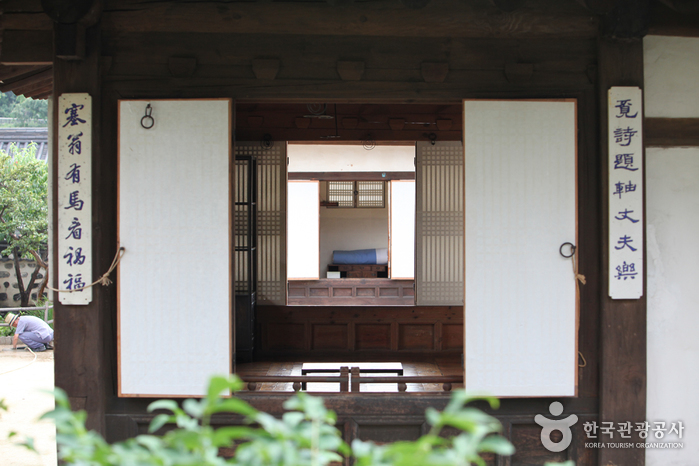
Haepungbuwongun Yun Taekyeong's Jaesil (해풍부원군윤택영댁재실)
2.3Km 2021-11-10
28, Toegye-ro 34-gil, Jung-gu, Seoul
+82-2-3396-5882
Haepungbuwongun Yun Taekyeong's Jaesil is a shrine house built by the father-in-law of King Sunjong of Joseon dynasty in 1906 when his daughter was proclaimed the crowned princess of Joseon and entered Changdeokgung Palace to later become Queen Sunjeong. Red pine trees salvaged from the demolition of Gyeongungung Palace were used to construct the house. It was originally located in Jegi-dong, Dongdaemun-gu, but was later restored and moved to its present location. The shrine of the house that was destroyed in 1960 was also restored.
Because the house is more of a shrine rather than residential living quarters, it has many unique features. For example, unlike other houses, it has the anchae (women’s quarters) located across from sarangbang (men’s quarters) with daecheong (living room) positioned between them.
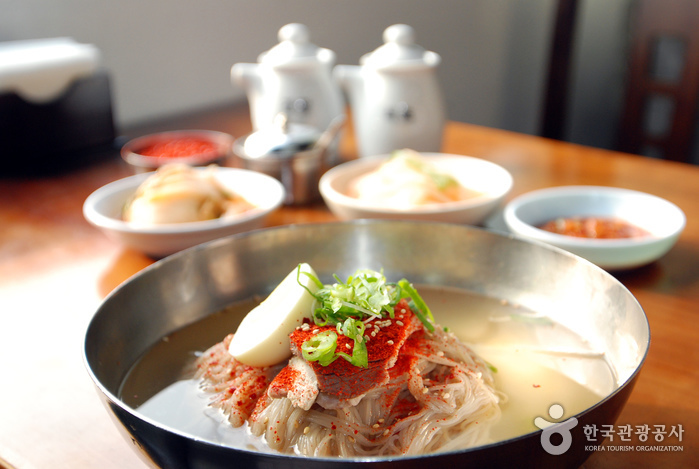
Pildong Myeonok (필동면옥)
2.3Km 2024-03-07
26, Seoae-ro, Jung-gu, Seoul
+82-2-2266-2611
Pildong Myeonok specializes in authentic pyeongyang naengmyeon (pyeongyang cold buckwheat noodles). Their signature dish is Pyeongyang naengmyeon (Pyeongyang cold buckwheat noodles), which has a light and refreshing broth and chewy noodles. Mandu and Mandut guk (Mandu soup) are also popular dishes to go with it. Having been selected for the Michelin Guide Seoul 2023, this restaurant is a favorite among locals and tourists alike for its flavorful noodles.
Artbox - Daehangno Branch [Tax Refund Shop] (아트박스 대학로)
2.3Km 2024-04-22
22, Daemyeong-gil, Jongno-gu, Seoul
-
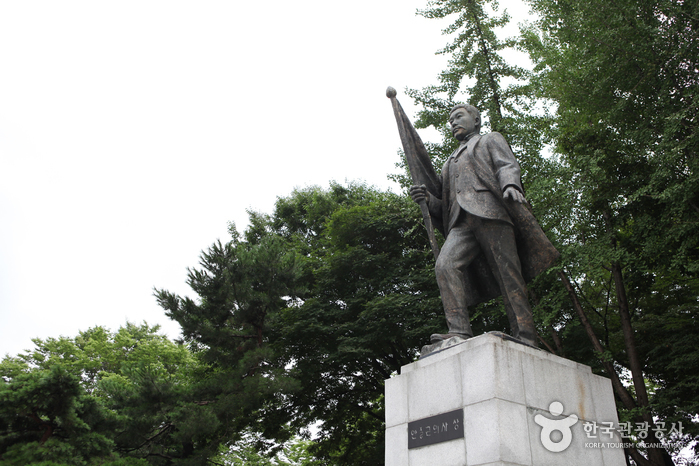
Ahn Junggeun Memorial Museum (안중근의사기념관)
2.3Km 2024-03-06
91, Sowol-ro, Jung-gu, Seoul
82-2-3789-1016
The Ahn Junggeun Memorial Museum honors the memory of Ahn Junggeun (1879-1910), an independence activist and soldier who advocated for Korean independence and peace in Asia. He fought against the Japanese to defend the Korean Empire (1897-1910). He was executed in 1910 for assassinating Hirobumi Ito, the Japanese who led the invasion of Korea in 1909, in Harbin, China.
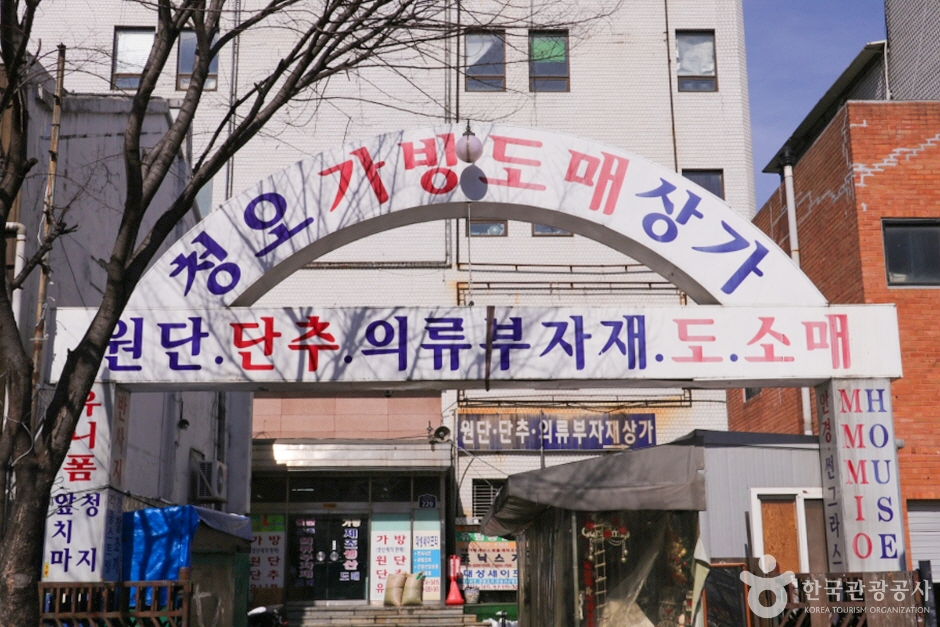
Cheonggye 5-ga Bag Wholesale Shopping Center / Cheong'o Bag Shopping Center (청계5가 가방도매상가 / 청오가방상가)
2.3Km 2024-03-18
229 Cheonggyecheon-ro, Jongno-gu, Seoul
Cheonggye 5-ga Bag Wholesale Shopping Center is a place where you can purchase various types of bags at affordable prices. They offer a diverse range of items including handbags, briefcases, suitcases, and school bags. Selling unique models produced directly from their own factory, the prices are reasonable, and the quality is excellent. The shopping center also houses wholesale stores for clothing and bag accessories.
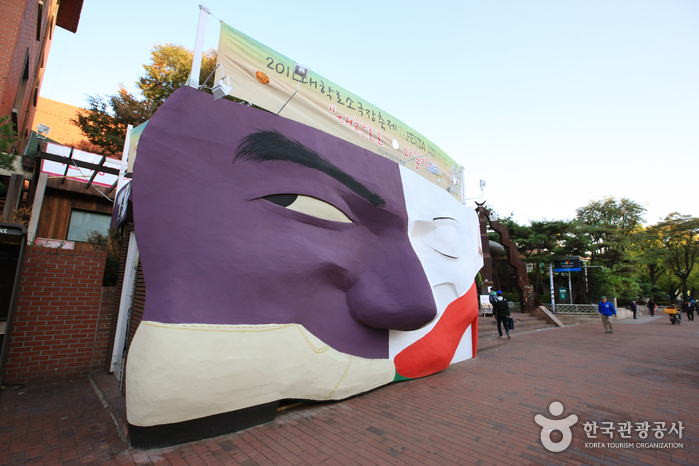
Daehangno (University Street) (대학로)
2.3Km 2021-03-25
104, Daehak-ro, Jongno-gu, Seoul
+82-2-2148-1114
Daehangno is an artistic neighborhood that stretches 1.1 kilometers from Jongno 5-ga Intersection to Hyehwa-dong Rotary. The area is filled with culture and performing arts facilities, with the center of all this being Marronnier Park. Visitors can find performances taking play every day at the many theaters large and small, as well as restaurants serving a range of cuisines. The area is especially active on weekends and during the street festival period.
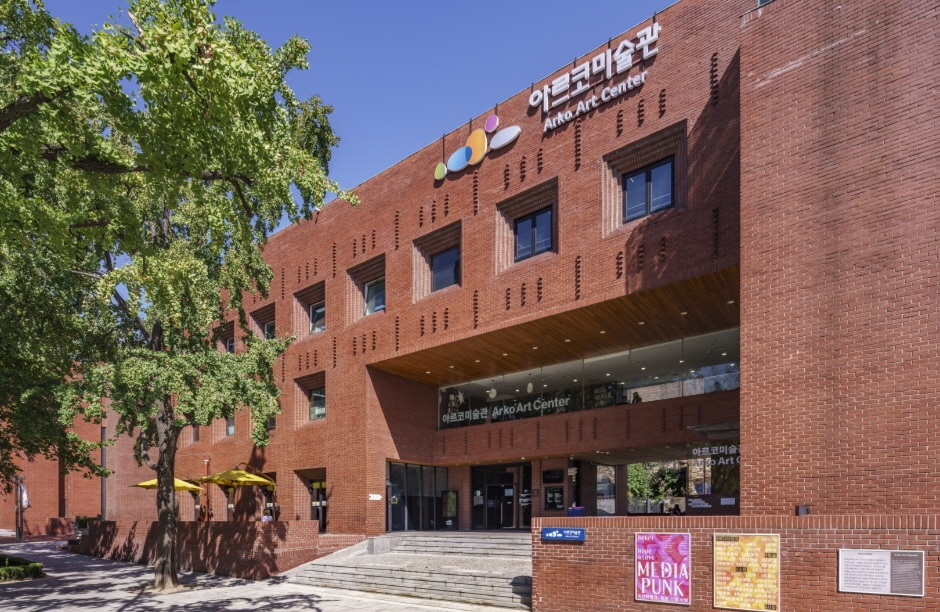
ARKO Art Center (아르코미술관)
2.3Km 2025-06-05
3, Dongsung-gil, Jongno-gu, Seoul
+82-2-760-4850
ARKO Art Center was founded in 1974 as Misulhoegwan in a building of former Deoksu Hospital in Gwanhun-dong, Jongno-gu to offer much-needed exhibition space for artists and arts groups. In 1979, Misulhoegwan moved to its present building, designed by preeminent Korean architect Kim Swoo-geun (1931-1986) and located in Marronnier Park, the former site of Seoul National University. The two neighboring brick buildings accommodating ARKO Art Center and ARKO Arts Theater are the major landmarks of the district of Daehakro.
As more public and private museums and commercial galleries came into the art scene in the 1990s, Misulhoegwan shifted to curating and presenting its own exhibitions. Renamed as Marronnier Art Center in 2002, ARKO Art Center assumed a full-fledged art museum system and played an increasingly prominent role as a public arts organization leading the contemporary art paradigm. When The Korea Culture and Arts Foundation was reborn as Arts Council Korea, Marronnier Art Center became ARKO Art Center named after the abbreviation for Arts Council Korea in 2005.
ARKO Art Center is committed to working as a platform where research, production, exhibitions and the exchange of creative activities grow and develop in connection with one another in addition to having a diversity of programs including thematic exhibitions addressing social agenda and public programs widely promoting various discourses in art.
 English
 한국어
한국어 日本語
日本語 中文(简体)
 Deutsch
 Français
 Español
 Русский


